Chakrabarty Nivedita, Mahajan Abhishek, Basu Sandip, D'Cruz Anil K
Department of Radiodiagnosis, Advanced Centre for Treatment, Research and Education in Cancer (ACTREC), Tata Memorial Centre, Homi Bhabha National Institute (HBNI), Parel, Mumbai 400012, Maharashtra, India.
Department of Imaging, The Clatterbridge Cancer Centre NHS Foundation Trust, 65 Pembroke Place, Liverpool L7 8YA, UK.
Cancers (Basel). 2024 Jul 19;16(14):2593. doi: 10.3390/cancers16142593.
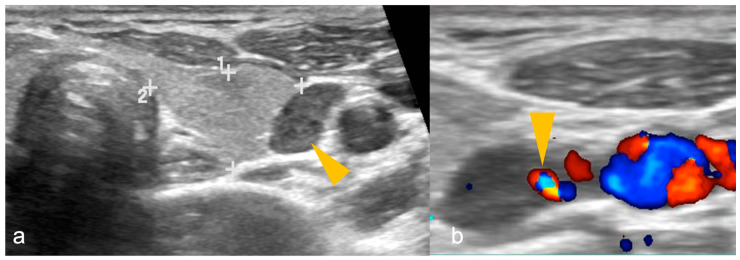
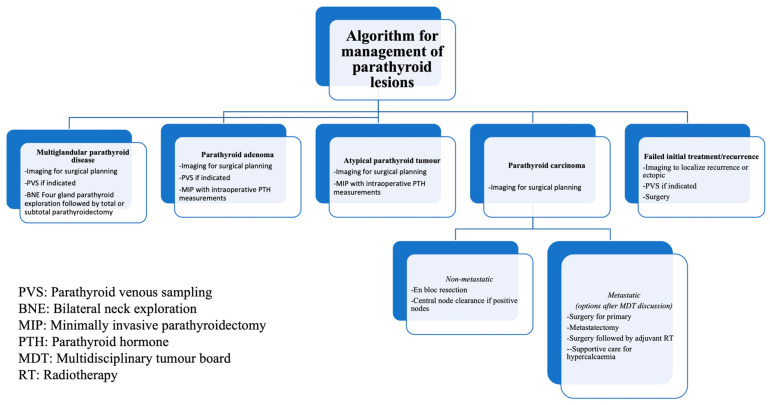
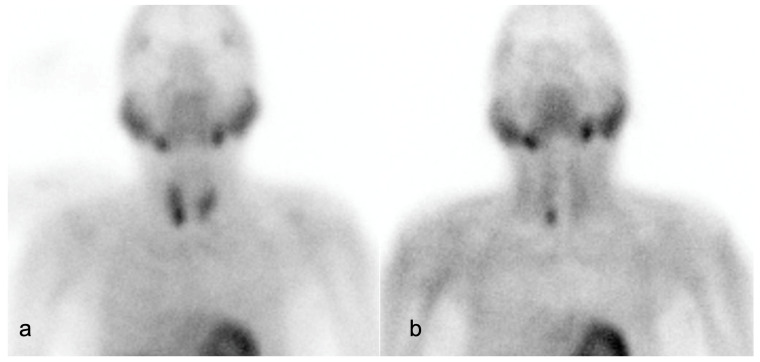
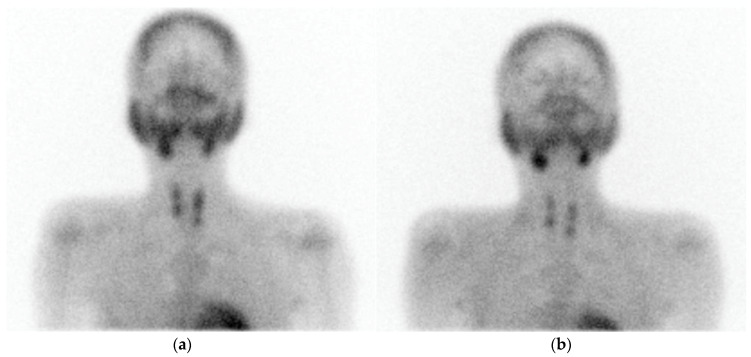
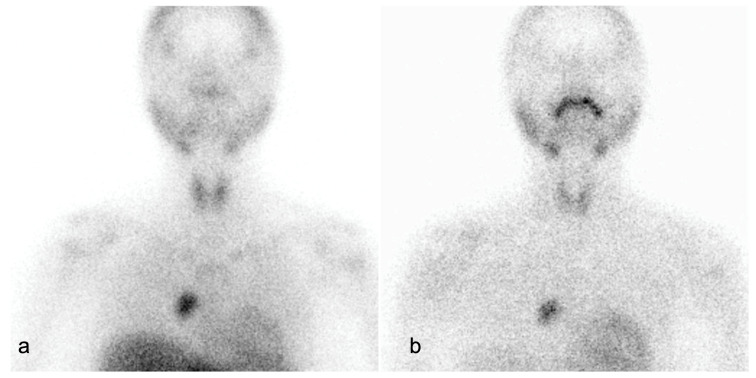
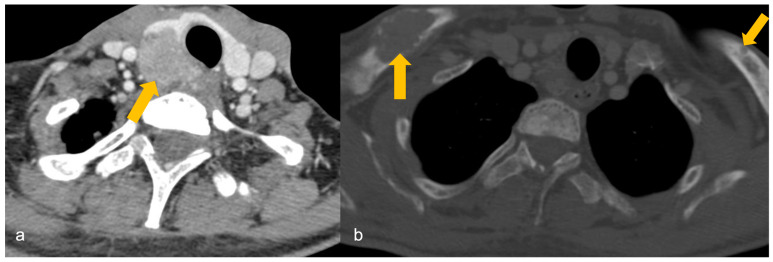
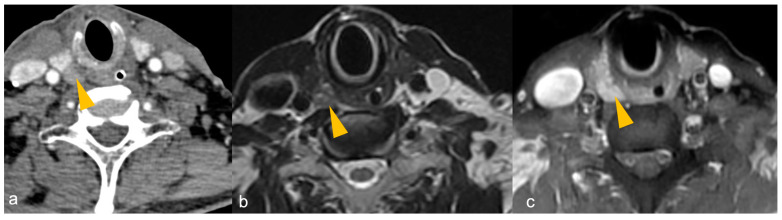
Parathyroid pathologies are suspected based on the biochemical alterations and clinical manifestations, and the predominant roles of imaging in primary hyperparathyroidism are localisation of tumour within parathyroid glands, surgical planning, and to look for any ectopic parathyroid tissue in the setting of recurrent disease. This article provides a comprehensive review of embryology and anatomical variations of parathyroid glands and their clinical relevance, surgical anatomy of parathyroid glands, differentiation between multiglandular parathyroid disease, solitary adenoma, atypical parathyroid tumour, and parathyroid carcinoma. The roles, advantages and limitations of ultrasound, four-dimensional computed tomography (4DCT), radiolabelled technetium-99 (Tc) sestamibi or dual tracer Tc pertechnetate and Tc-sestamibi with or without single photon emission computed tomography (SPECT) or SPECT/CT, dynamic enhanced magnetic resonance imaging (4DMRI), and fluoro-choline positron emission tomography (F-FCH PET) or [C] Methionine (C -MET) PET in the management of parathyroid lesions have been extensively discussed in this article. The role of fluorodeoxyglucose PET (FDG-PET) has also been elucidated in this article. Management guidelines for parathyroid carcinoma proposed by the American Society of Clinical Oncology (ASCO) have also been described. An algorithm for management of parathyroid lesions has been provided at the end to serve as a quick reference guide for radiologists, clinicians and surgeons.
基于生化改变和临床表现怀疑存在甲状旁腺病变,影像学在原发性甲状旁腺功能亢进中的主要作用是甲状旁腺肿瘤的定位、手术规划以及在复发性疾病情况下寻找任何异位甲状旁腺组织。本文全面综述了甲状旁腺的胚胎学、解剖变异及其临床相关性、甲状旁腺的手术解剖、多腺体甲状旁腺疾病、孤立性腺瘤、非典型甲状旁腺肿瘤和甲状旁腺癌之间的鉴别。本文还广泛讨论了超声、四维计算机断层扫描(4DCT)、放射性标记的锝-99(Tc)甲氧基异丁基异腈或双示踪剂高锝酸盐和Tc-甲氧基异丁基异腈联合或不联合单光子发射计算机断层扫描(SPECT)或SPECT/CT、动态增强磁共振成像(4DMRI)以及氟代胆碱正电子发射断层扫描(F-FCH PET)或[C]蛋氨酸(C-MET)PET在甲状旁腺病变管理中的作用、优势和局限性。本文还阐明了氟脱氧葡萄糖PET(FDG-PET)的作用。文中还描述了美国临床肿瘤学会(ASCO)提出的甲状旁腺癌管理指南。文末提供了甲状旁腺病变管理算法,作为放射科医生、临床医生和外科医生的快速参考指南。