Ma Xin, Wang Meng, Wang Jinglei, Han Xiaohong, Yang Xiaoqing, Zhang Hui, Zhong Donglan, Qiu Shantong, Yu Sijiu, Wang Libin, Pan Yangyang
College of Veterinary Medicine, Gansu Agricultural University, Lanzhou 730070, China.
Gansu Province Livestock Embryo Engineering Research Center, Lanzhou 730070, China.
Antioxidants (Basel). 2024 Jul 14;13(7):840. doi: 10.3390/antiox13070840.
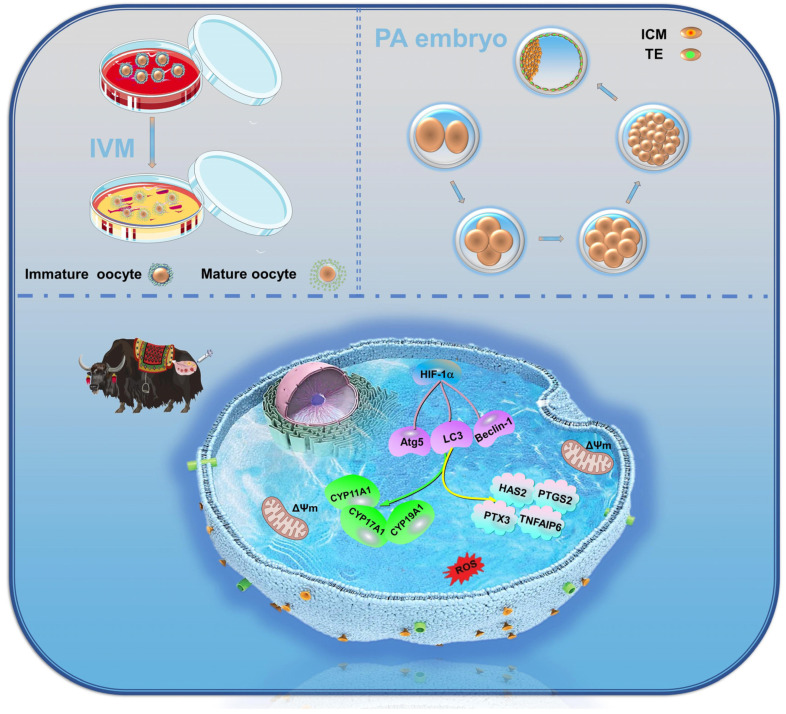
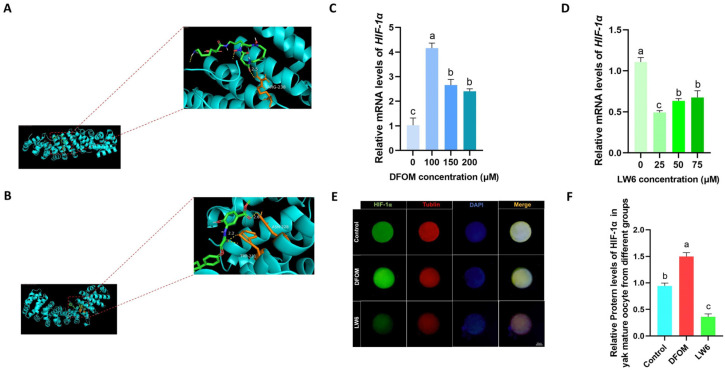
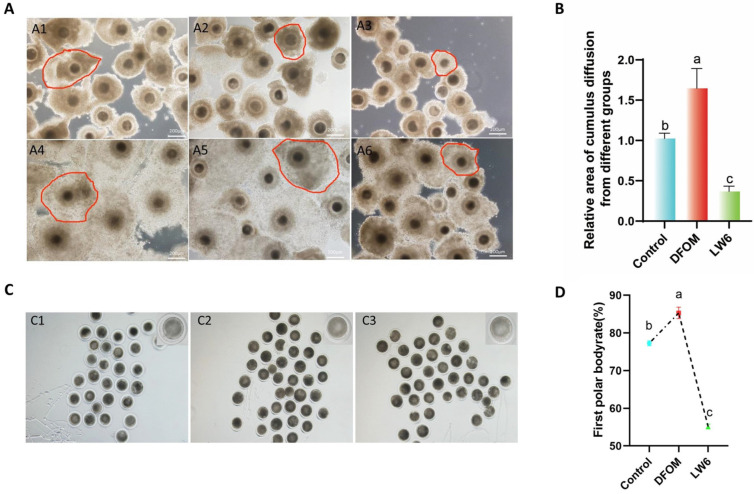
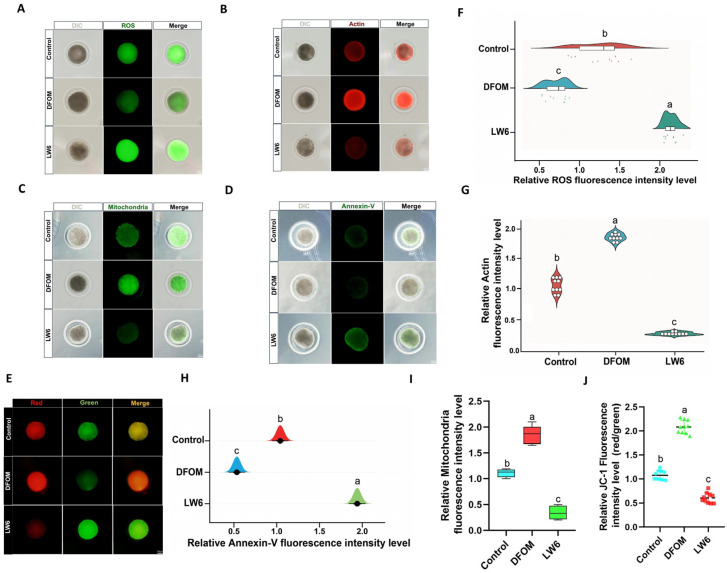
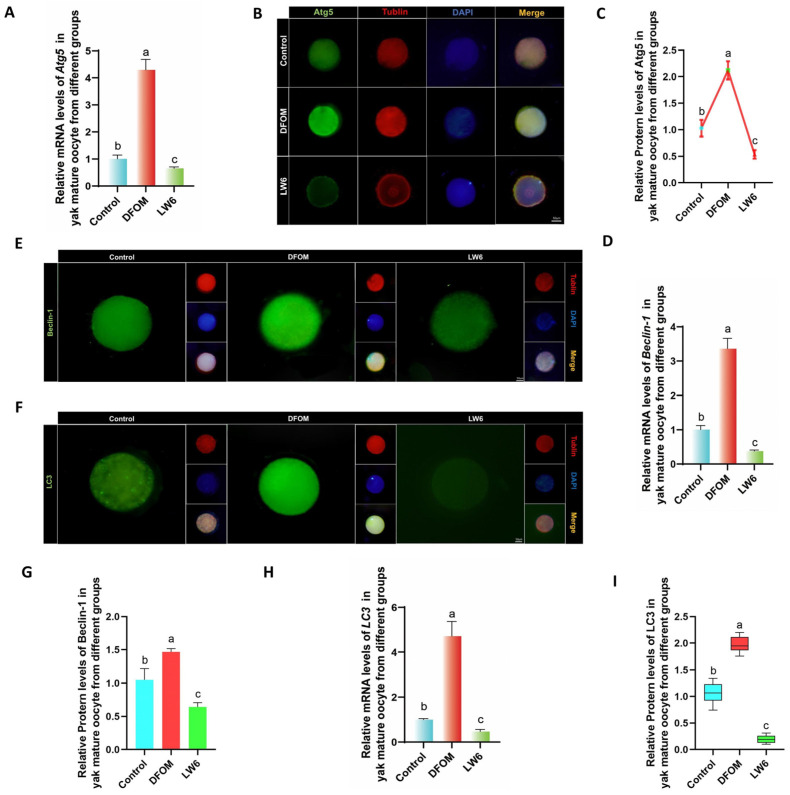
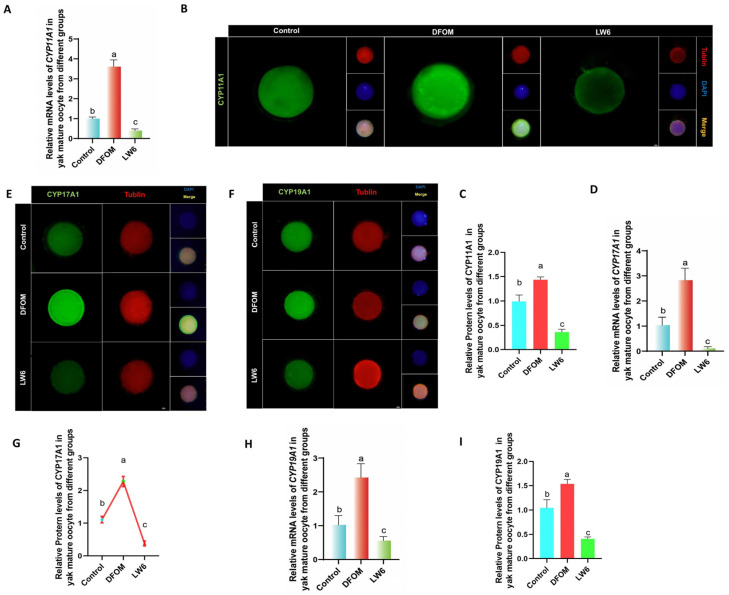
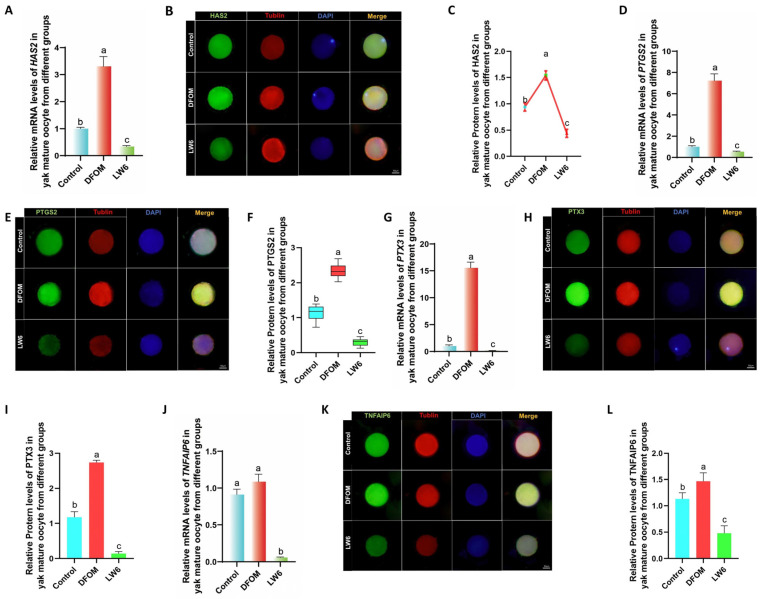
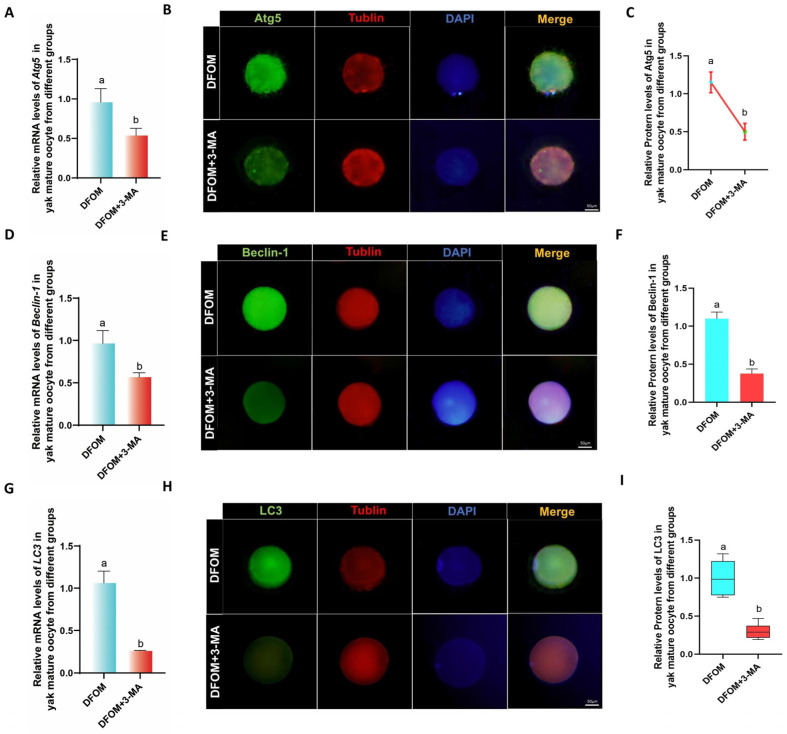
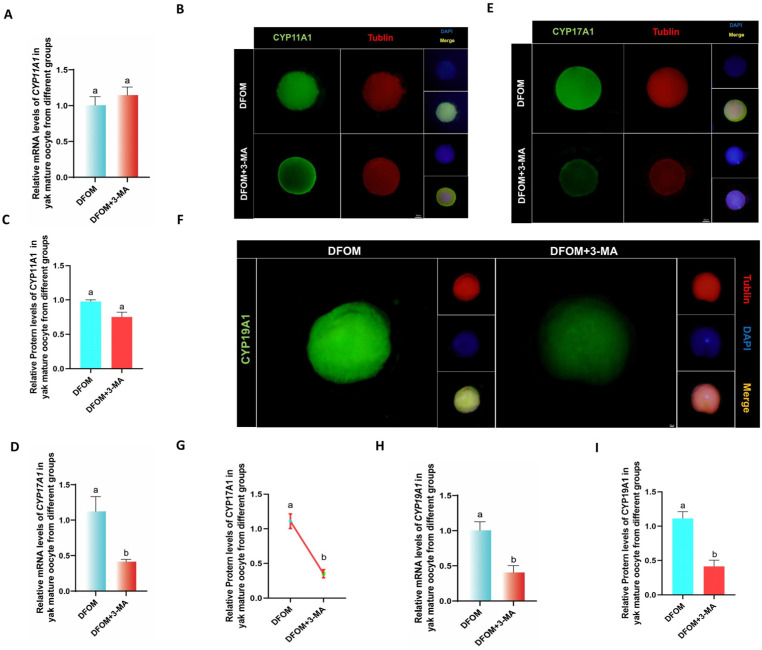
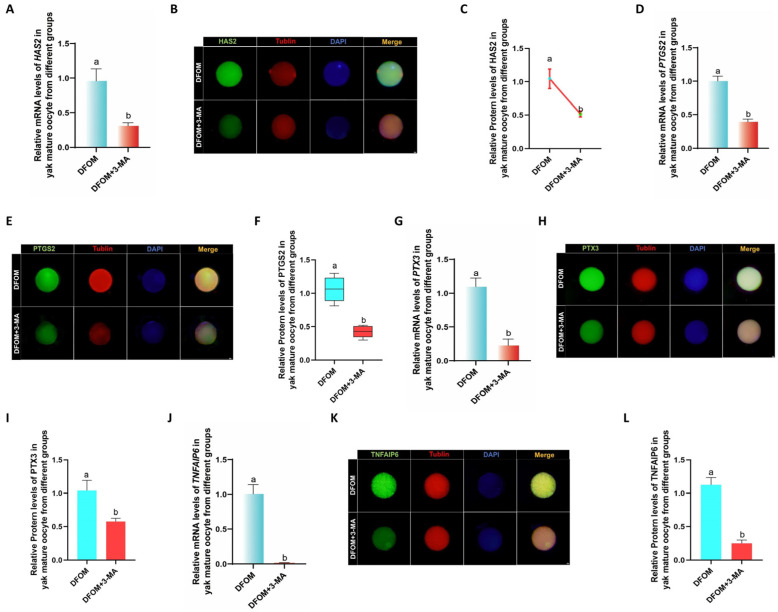
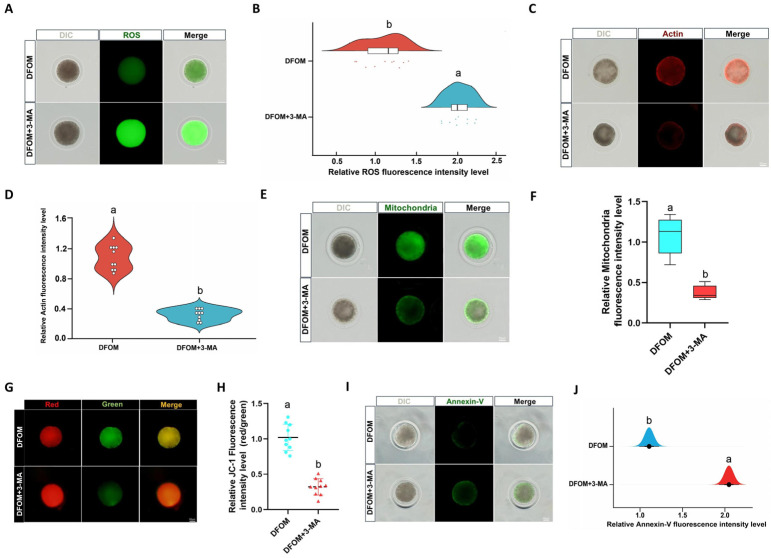
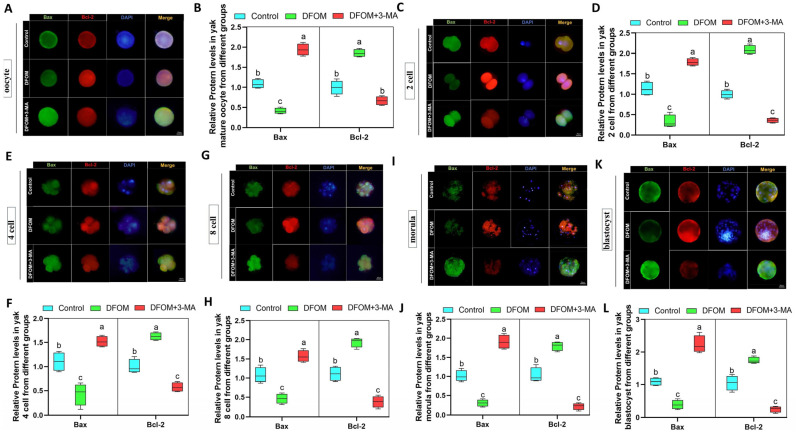
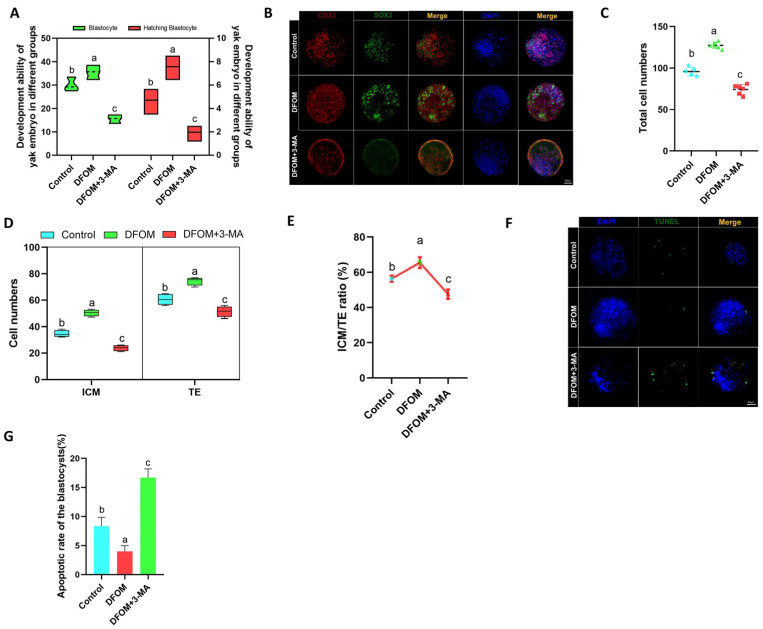
In animal assisted reproductive technology, the production of high-quality oocytes is crucial. The yak, having lived in the Qinghai-Tibet Plateau for an extended period, has reproductive cells that are regulated by hypoxia-inducible factor 1α (HIF-1α). This study aimed to investigate the impact of HIF-1α on yak oocyte maturation and early embryonic development in vitro through the regulation of autophagy. The in vitro maturation process of yak oocytes involved the addition of the HIF-1α inducer DFOM and the inhibitor LW6 to examine their effects on yak oocyte maturation, early embryonic development, cell autophagy, cytochrome P450s (CYP450s) enzyme expression, and cumulus diffusion factors. The findings revealed that DFOM significantly upregulated the expression of HIF-1α, resulting in increased the cumulus diffusion area, elevated first polar body expulsion rate of oocytes, enhanced mitochondrial and actin levels, decreased ROS production, and reduced early apoptosis levels of oocytes. Moreover, DFOM promoted the expression of autophagy-related proteins, CYP450s enzymes, and cumulus diffusion factors, thereby enhancing oocyte maturation and early embryonic development. Conversely, LW6 exhibited opposite effects. The inhibition of autophagy levels with 3-MA during DFOM treatment yielded similar outcomes. Furthermore, reducing autophagy led to increased apoptosis levels at all stages of early embryonic development, as well as a significant decrease in total cell number and ICM/TE ratio of blastocysts. Studies have shown that during the in vitro maturation of yak oocytes, HIF-1α can affect the cumulus expansion area of oocytes by regulating autophagy, the first polar body excretion rate, mitochondrial level, actin level, ROS and early apoptosis level, the CYP450s enzyme, and the expression of cumulus expansion factors, thereby improving the in vitro maturation and early embryonic development of yak oocytes. These findings offer valuable insights into the reproductive regulation mechanism of yaks in hypoxic environments and suggest potential strategies for the advancement of yak assisted reproductive technology.
在动物辅助生殖技术中,高质量卵母细胞的产生至关重要。牦牛长期生活在青藏高原,其生殖细胞受缺氧诱导因子1α(HIF-1α)调控。本研究旨在通过自噬调节来探究HIF-1α对牦牛卵母细胞体外成熟和早期胚胎发育的影响。牦牛卵母细胞的体外成熟过程中添加了HIF-1α诱导剂DFOM和抑制剂LW6,以检测它们对牦牛卵母细胞成熟、早期胚胎发育、细胞自噬、细胞色素P450s(CYP450s)酶表达和卵丘扩散因子的影响。研究结果表明,DFOM显著上调HIF-1α的表达,导致卵丘扩散面积增加、卵母细胞第一极体排出率升高、线粒体和肌动蛋白水平提高、活性氧产生减少以及卵母细胞早期凋亡水平降低。此外,DFOM促进自噬相关蛋白、CYP450s酶和卵丘扩散因子的表达,从而增强卵母细胞成熟和早期胚胎发育。相反,LW6表现出相反的效果。在DFOM处理期间用3-MA抑制自噬水平产生了类似的结果。此外,减少自噬导致早期胚胎发育各阶段的凋亡水平增加,以及囊胚的总细胞数和ICM/TE比率显著降低。研究表明,在牦牛卵母细胞体外成熟过程中,HIF-1α可通过调节自噬影响卵母细胞的卵丘扩展面积、第一极体排出率、线粒体水平、肌动蛋白水平、活性氧和早期凋亡水平、CYP450s酶以及卵丘扩展因子的表达,从而改善牦牛卵母细胞的体外成熟和早期胚胎发育。这些发现为牦牛在缺氧环境中的生殖调控机制提供了有价值的见解,并为牦牛辅助生殖技术的进步提出了潜在策略。