School of Engineering and Built Environment, Glasgow Caledonian University, Glasgow G4 0BA, Scotland, UK.
Sensors (Basel). 2024 Jul 18;24(14):4665. doi: 10.3390/s24144665.
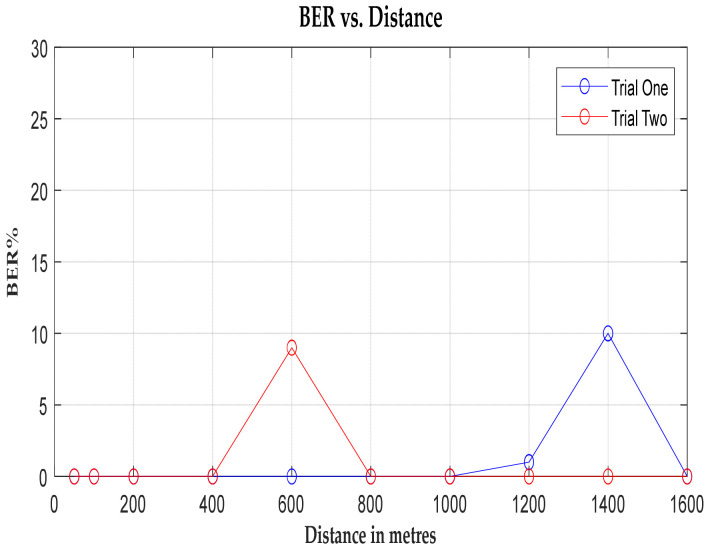
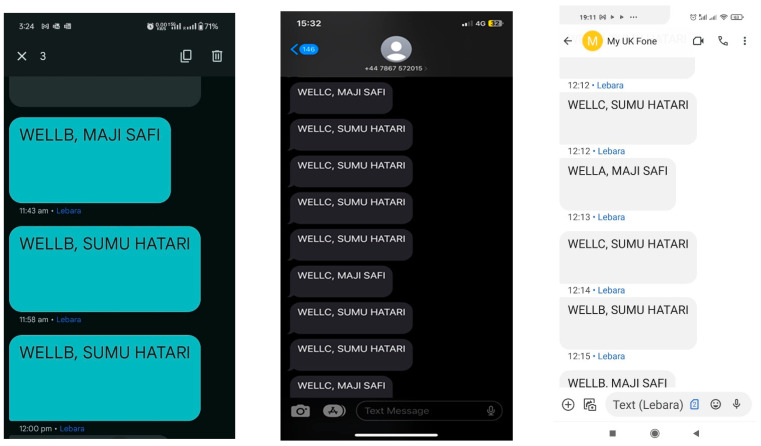
Safe drinking water is essential to a healthy lifestyle and has been recognised as a human right by numerous countries. However, the realisation of this right remains largely aspirational, particularly in impoverished nations that lack adequate resources for water quality testing. Kenya, a Sub-Saharan country, bears the brunt of this challenge. Pesticide imports in Kenya increased by 144% from 2015 to 2018, with sales data indicating that 76% of these pesticides are classified as highly hazardous. This trend continues to rise. Over 70% of Kenya's population resides in rural areas, with 75% of the rural population engaged in agriculture and using pesticides. Agriculture is the country's main economic activity, contributing over 30% of its gross domestic product (GDP). The situation is further exacerbated by the lack of monitoring for pesticide residues in surface water and groundwater, coupled with the absence of piped water infrastructure in rural areas. Consequently, contamination levels are high, as agricultural runoff is a major contaminant of surface water and groundwater. The increased use of pesticides to enhance agricultural productivity exacerbates environmental degradation and harms water ecosystems, adversely affecting public health. This study proposes the development of a wireless sensor system that utilizes radio-frequency identification (RFID), Long-range (LoRa) protocol and a global system for mobile communications (GSM) for monitoring pesticide prevalence in groundwater sources. From the system design, individuals with limited literacy skills, advanced age, or non-expert users can utilize it with ease. The reliability of the LoRa protocol in transmitting data packets is thoroughly investigated to ensure effective communication. The system features a user-friendly interface for straightforward data input and facilitates broader access to information by employing various remote wireless sensing methods.
安全饮用水对健康的生活方式至关重要,许多国家已经将其视为一项人权。然而,在那些缺乏水质检测资源的贫困国家,这一权利的实现仍然主要是一种愿望。肯尼亚是一个撒哈拉以南的国家,首当其冲地面临着这一挑战。2015 年至 2018 年,肯尼亚的农药进口增长了 144%,销售数据显示,其中 76%的农药被归类为高度危险。这一趋势还在继续上升。超过 70%的肯尼亚人口居住在农村地区,其中 75%的农村人口从事农业并使用农药。农业是该国的主要经济活动,占国内生产总值(GDP)的 30%以上。由于缺乏对地表水和地下水农药残留的监测,再加上农村地区缺乏管道供水基础设施,情况更加恶化。因此,污染水平很高,因为农业径流是地表水和地下水的主要污染物。为了提高农业生产力而增加使用农药,加剧了环境恶化,危害了水生态系统,对公众健康造成不利影响。本研究提出了一种无线传感器系统的开发,该系统利用射频识别(RFID)、远程(LoRa)协议和全球移动通信系统(GSM)来监测地下水源中的农药污染情况。从系统设计来看,那些文化程度有限、年龄较大或非专业用户都可以轻松使用该系统。我们还彻底研究了 LoRa 协议在传输数据包方面的可靠性,以确保有效的通信。该系统具有用户友好的界面,便于进行简单的数据输入,并通过采用各种远程无线传感方法,更广泛地提供信息访问。