Quiñones Cesar, Posada Martha, Hormiga Angie, Peña Julian, Diaz-Uribe Carlos, Vallejo William, Muñoz-Acevedo Amner, Roa Vanesa, Schott Eduardo, Zarate Ximena
Facultad de ingeniería, Programa de ingeniería Química, Universidad de La Salle, Bogotá 111711, Colombia.
Grupo de Investigación Ceparium, Universidad Colegio Mayor de Cundinamarca, Bogotá 111321, Colombia.
ACS Omega. 2024 Jul 10;9(29):31546-31555. doi: 10.1021/acsomega.4c01287. eCollection 2024 Jul 23.
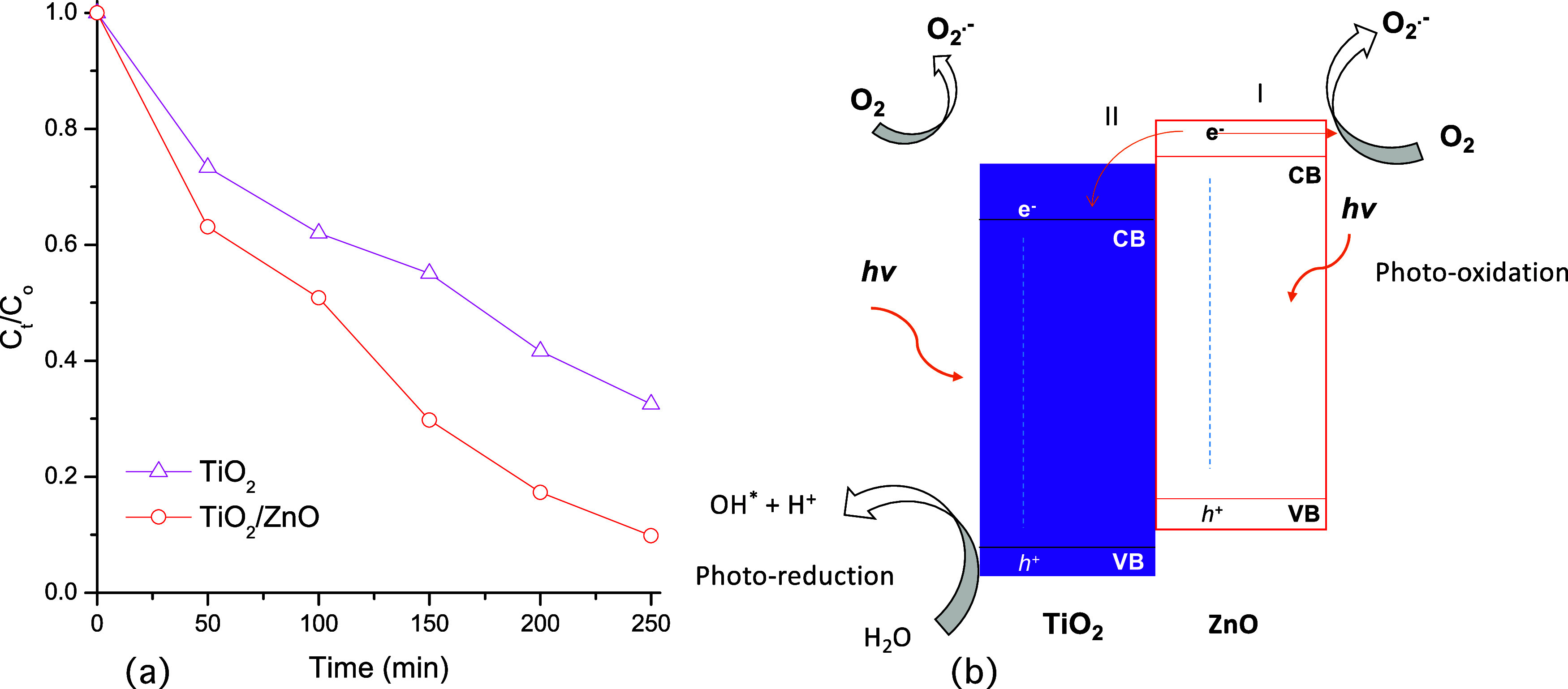
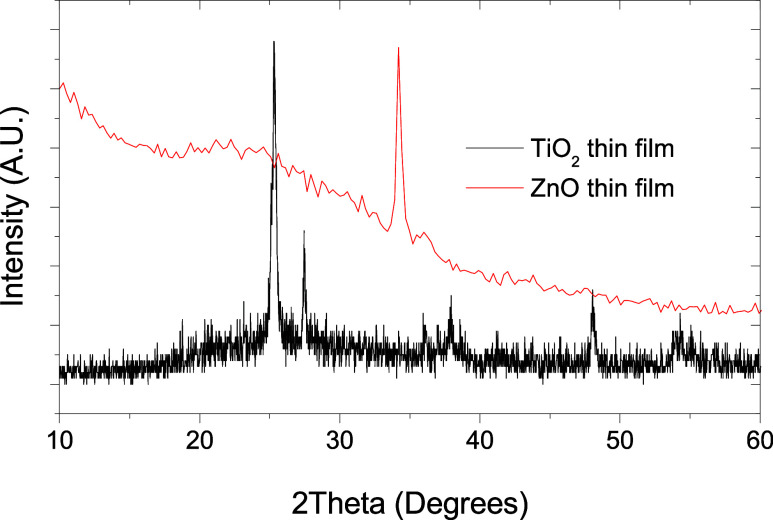
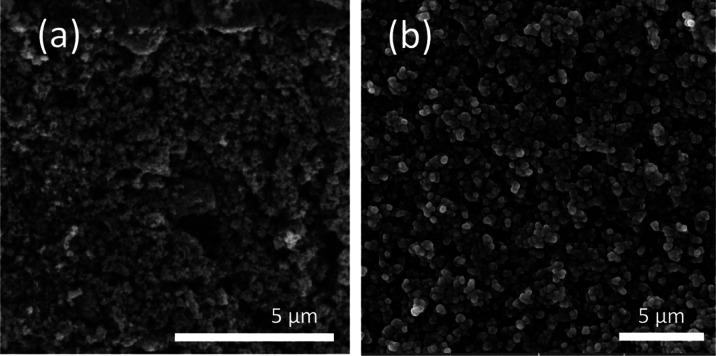
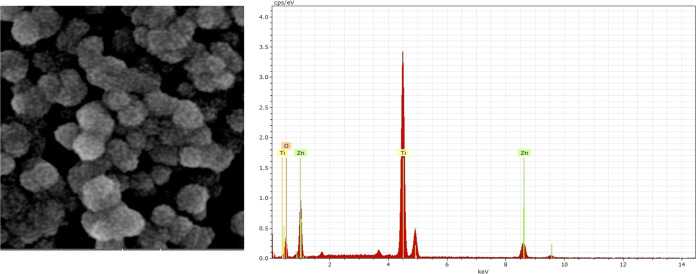
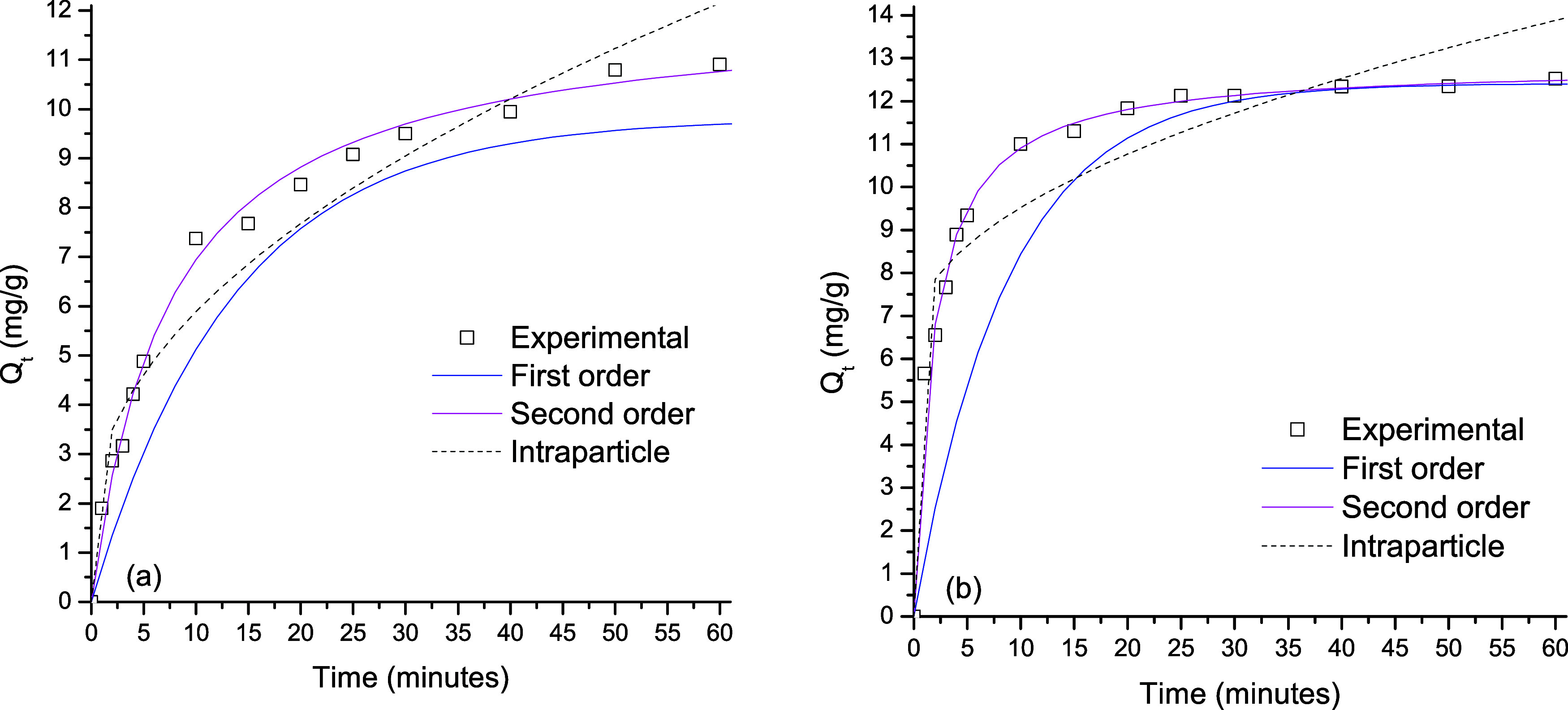
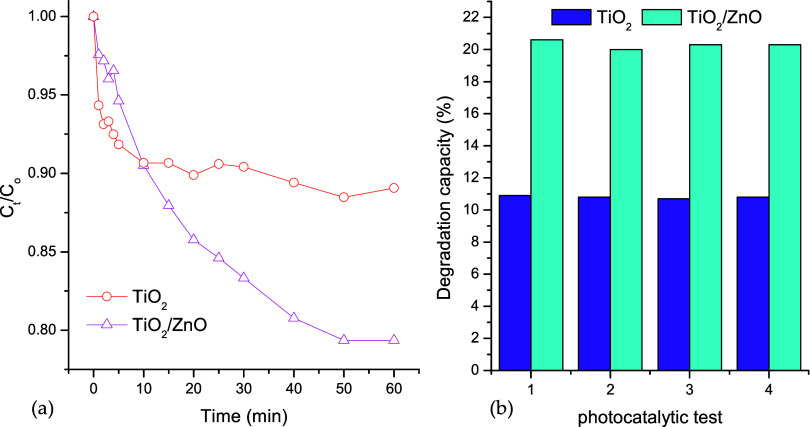
We deposited bare TiO and TiO/ZnO thin films to study their antimicrobial capacity against f. sp. dianthi. The deposit of TiO was performed by spin coating and the ZnO thin films were deposited onto the TiO surface by plasma-assisted reactive evaporation technique. The characterization of the compounds was carried out by scanning electron microscopy (SEM) and powder X-ray diffraction techniques. Furthermore, density functional theory (DFT) and time-dependent DFT (TDDFT) calculations were performed to support the observed experimental results. Thus, the removal of methylene blue (MB) by adsorption and posterior photocatalytic degradation was studied. Adsorption kinetic results showed that TiO/ZnO thin films were more efficient in MB removal than bare TiO thin films, and the pseudo-second-order model was suitable to describe the experimental results for TiO/ZnO ( = 12.9 mg/g; = 0.14 g/mg/min) and TiO thin films ( = 12.0 mg/g; = 0.13 g/mg/min). Photocatalytic results under UV irradiation showed that TiO thin films reached 10.9% of MB photodegradation ( = 1.0 × 10 min), whereas TiO/ZnO thin films reached 20.6% of MB photodegradation ( = 3.9 × 10 min). Both thin films reduced the photocatalytic efficiency by less than 3% after 4 photocatalytic tests. DFT study showed that the highest occupied molecular orbital-lowest unoccupied molecular orbital (HOMO-LUMO) energy gap decreases for the mixed nanoparticle system, showing its increased reactivity. Furthermore, the chemical hardness shows a lower value for the mixed system, whereas the electrophilicity index shows the biggest value, supporting the larger reactivity for the mixed nanoparticle system. Finally, the antimicrobial activity against f. sp. dianthi showed that bare TiO reached a growth reduction of 68% while TiO/ZnO reached a growth reduction of 90% after 250 min of UV irradiation.
我们沉积了裸TiO和TiO/ZnO薄膜,以研究它们对石竹枯萎病菌(Fusarium oxysporum f. sp. dianthi)的抗菌能力。TiO的沉积通过旋涂进行,ZnO薄膜通过等离子体辅助反应蒸发技术沉积在TiO表面。通过扫描电子显微镜(SEM)和粉末X射线衍射技术对化合物进行了表征。此外,还进行了密度泛函理论(DFT)和含时密度泛函理论(TDDFT)计算,以支持观察到的实验结果。因此,研究了通过吸附和后续光催化降解去除亚甲基蓝(MB)的情况。吸附动力学结果表明,TiO/ZnO薄膜在去除MB方面比裸TiO薄膜更有效,准二级模型适用于描述TiO/ZnO薄膜(qe = 12.9 mg/g;k = 0.14 g/mg/min)和TiO薄膜(qe = 12.0 mg/g;k = 0.13 g/mg/min)的实验结果。紫外光照射下的光催化结果表明,TiO薄膜在1.0×10⁻³ min时达到了10.9%的MB光降解率,而TiO/ZnO薄膜在3.9×10⁻³ min时达到了20.6%的MB光降解率。经过4次光催化测试后,两种薄膜的光催化效率降低均小于3%。DFT研究表明,混合纳米颗粒体系的最高占据分子轨道-最低未占据分子轨道(HOMO-LUMO)能隙减小,表明其反应活性增加。此外,混合体系的化学硬度值较低,而亲电性指数值最大,这支持了混合纳米颗粒体系具有更大的反应活性。最后,对石竹枯萎病菌的抗菌活性表明,在紫外光照射250分钟后,裸TiO使病菌生长减少了68%,而TiO/ZnO使病菌生长减少了90%。