Department of Obstetrics and Gynaecology, University Hospital Tuebingen, Calwerstrasse 7, 72076, Tuebingen, Germany.
Department of Obstetrics and Prenatal Medicine, University Hospital of Bonn, Bonn, Germany.
Arch Gynecol Obstet. 2024 Nov;310(5):2363-2371. doi: 10.1007/s00404-024-07644-6. Epub 2024 Jul 29.
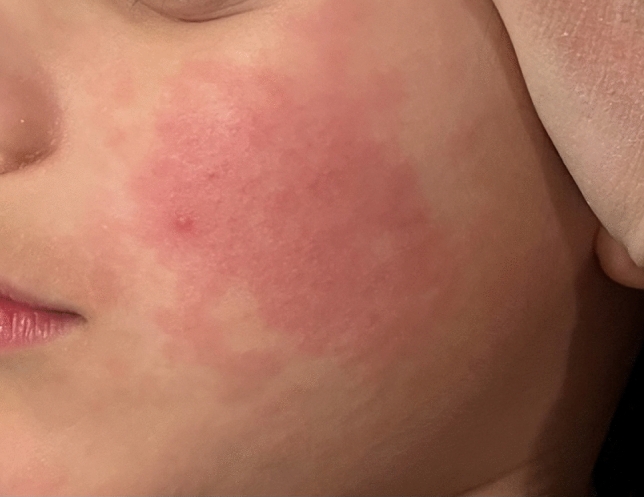
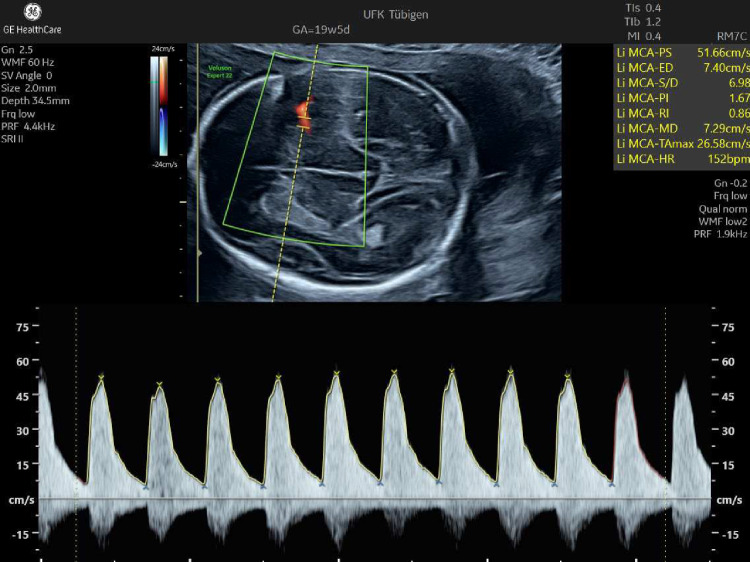
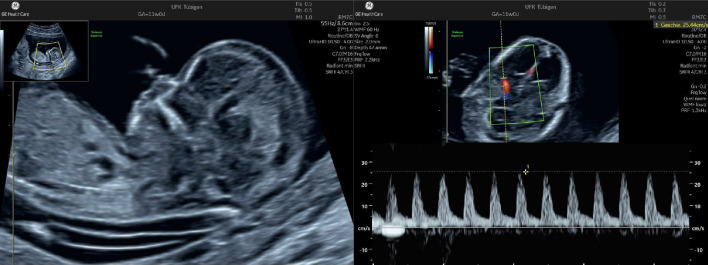
Parvovirus B19 (B19V) causes erythema infectiosum, a.k.a., fifth disease. This disease primarily affects children. It is generally self-limiting and subsides after 1-2 weeks. In pregnancy, the virus can cross the placenta and result in a fetal infection. This may lead to severe fetal anemia, hydrops fetalis, a miscarriage, or intrauterine fetal death. The risk of long-term sequelae also appears to be increased. About one-third of pregnant women are not immune to B19V and, therefore, are at risk to contract a primary infection. The seroconversion rate during pregnancy is generally around 1-2%. During a primary infection, maternal-fetal transplacental transmission of B19V occurs in about 30-50% of the cases and the risk of fetal infection increases with advancing gestational age. The risk of severe fetal anemia or hydrops is around 3-4% overall and is around 6-7% if the primary infection occurs before 20 weeks' gestation. Fetal monitoring in women with a primary B19V infection includes regular ultrasound examinations looking for evidence of hydrops fetalis and Doppler measurements of the middle cerebral artery peak velocity. Fetal blood sampling is performed if a significant anemia is suspected and, if such is found, an intrauterine blood transfusion is needed. This article provides an overview of the epidemiology, pathogenesis, clinical manifestations, diagnostic methods, and management of B19V infection during pregnancy.
细小病毒 B19(B19V)可引起传染性红斑,也称第五病。这种疾病主要影响儿童。通常是自限性的,1-2 周后自行消退。在妊娠期间,病毒可穿过胎盘,导致胎儿感染。这可能导致严重的胎儿贫血、胎儿水肿、流产或宫内胎儿死亡。长期后遗症的风险似乎也增加了。大约三分之一的孕妇对 B19V 没有免疫力,因此有感染原发性感染的风险。孕妇在妊娠期间的血清转化率一般在 1-2%左右。在原发性感染中,母胎间胎盘传播 B19V 的发生率约为 30-50%,随着妊娠周数的增加,胎儿感染的风险增加。严重胎儿贫血或水肿的总风险约为 3-4%,如果原发性感染发生在 20 周妊娠之前,风险约为 6-7%。对原发性 B19V 感染孕妇的胎儿监测包括定期超声检查,以寻找胎儿水肿的证据,以及大脑中动脉峰值速度的多普勒测量。如果怀疑有严重贫血,需要进行胎儿血液取样,如果发现这种情况,需要进行宫内输血。本文概述了妊娠期间 B19V 感染的流行病学、发病机制、临床表现、诊断方法和管理。