Laboratory of Molecular Biology, Department of Biofunctional Analysis, Gifu Pharmaceutical University, Gifu, Japan.
Department of Oral and Maxillofacial Surgery, Gifu University Graduate School of Medicine, Gifu, Japan.
Cell Transplant. 2024 Jan-Dec;33:9636897241264979. doi: 10.1177/09636897241264979.
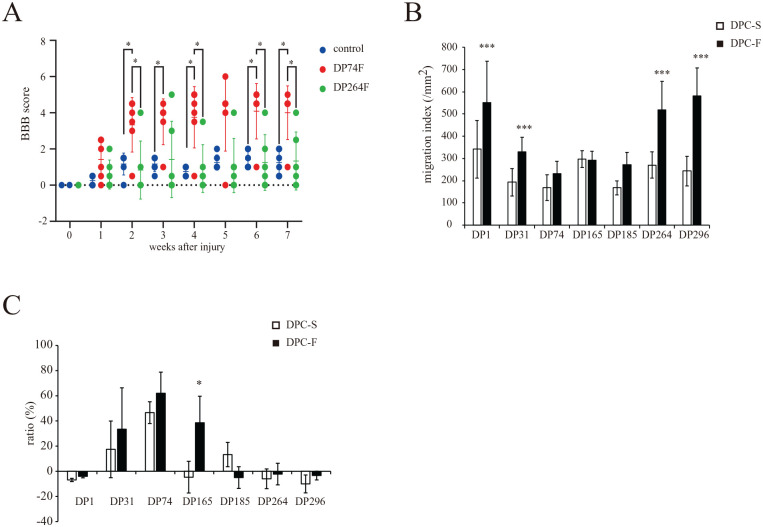
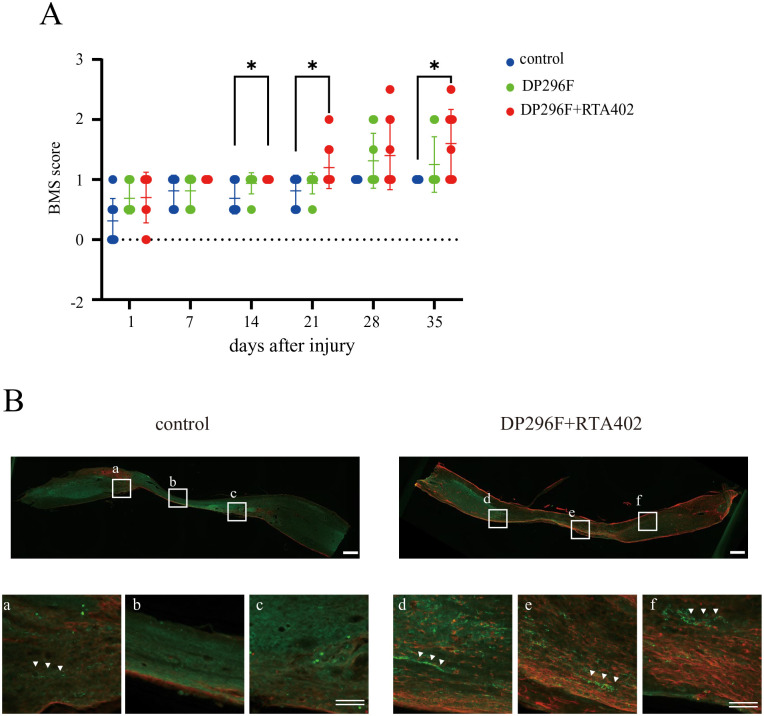
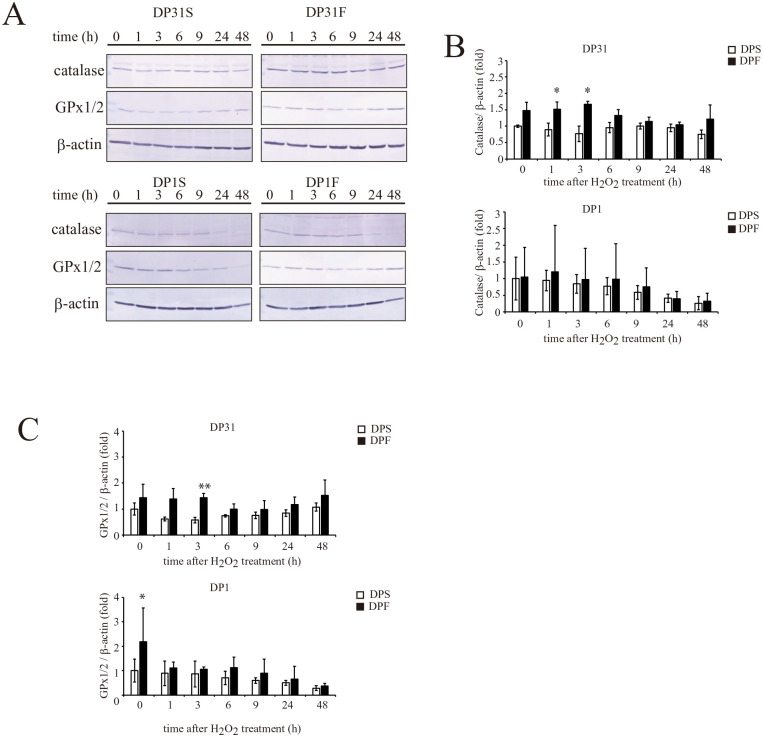
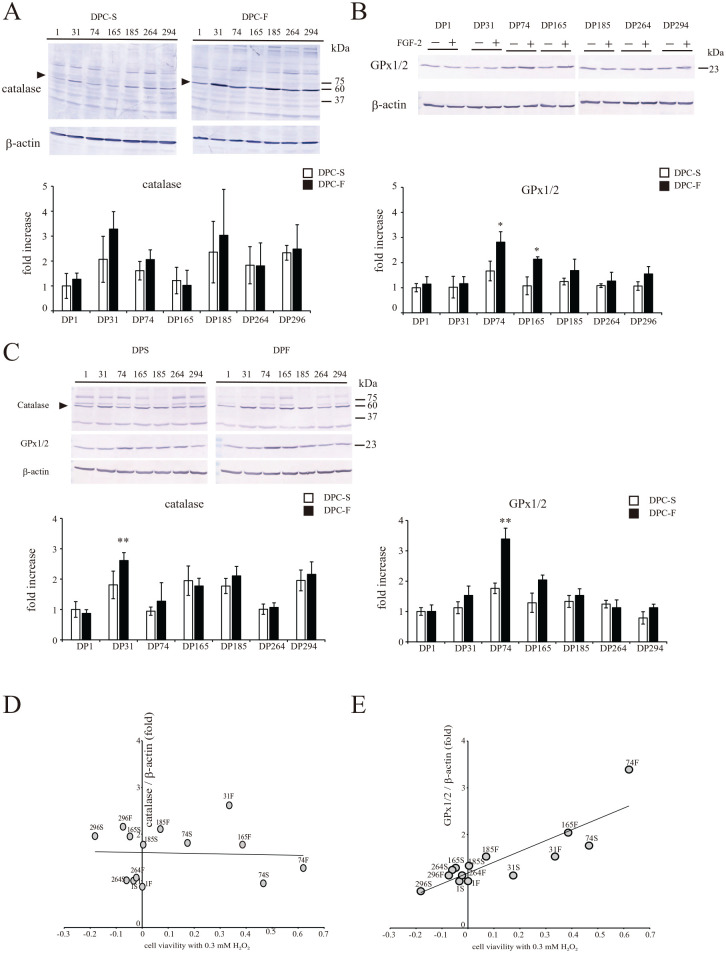
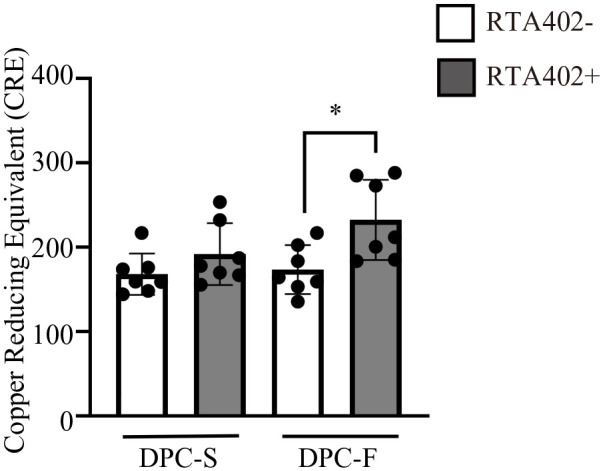
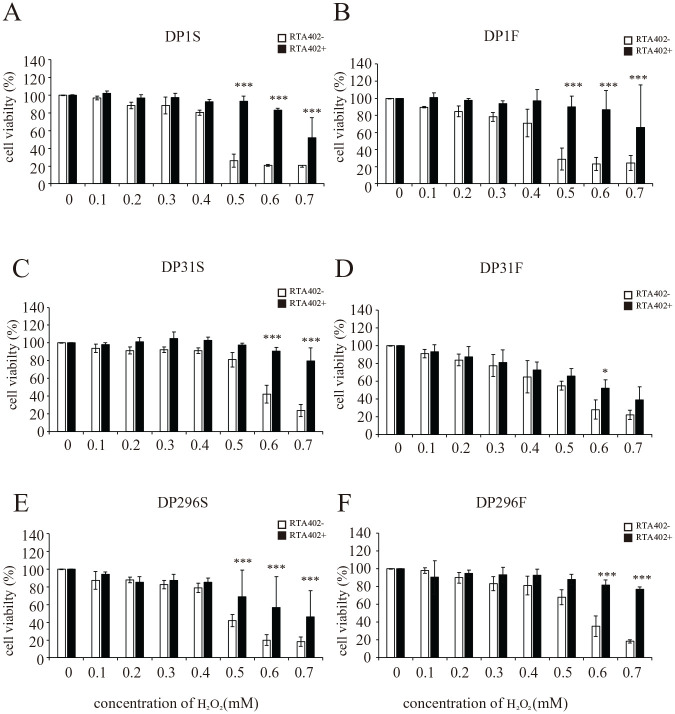
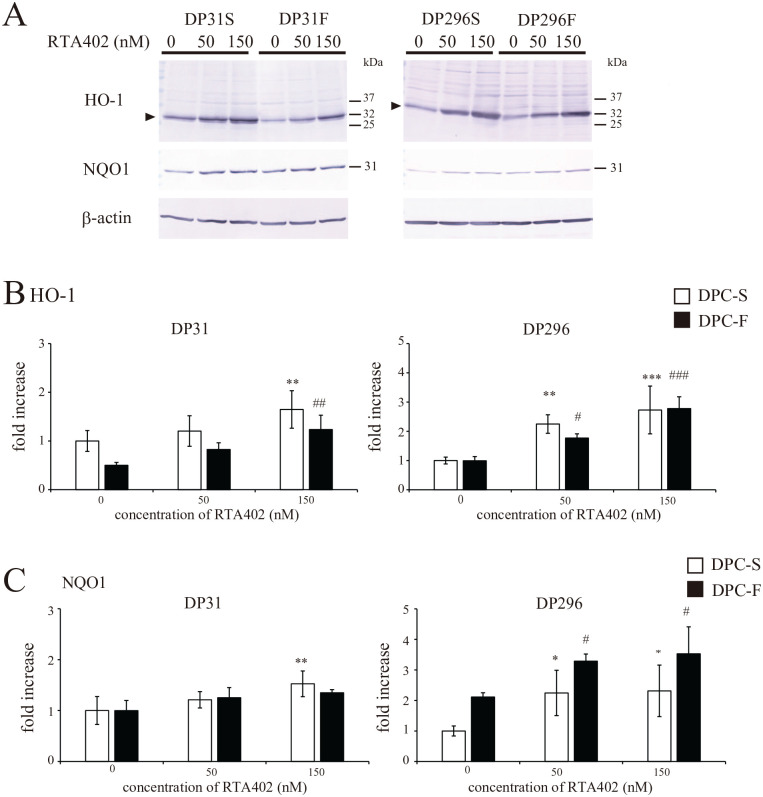
In recent years, the interest in cell transplantation therapy using human dental pulp cells (DPCs) has been increasing. However, significant differences exist in the individual cellular characteristics of human DPC clones and in their therapeutic efficacy in rodent models of spinal cord injury (SCI); moreover, the cellular properties associated with their therapeutic efficacy for SCI remain unclear. Here, using DPC clones from seven different donors, we found that most of the clones were highly resistant to HO cytotoxicity if, after transplantation, they significantly improved the locomotor function of rats with complete SCI. Therefore, we examined the effects of the basic fibroblast growth factor 2 (FGF2) and bardoxolone methyl (RTA402), which is a nuclear factor erythroid 2-related factor 2 (Nrf2) chemical activator, on the total antioxidant capacity (TAC) and the resistance to HO cytotoxicity. FGF2 treatment enhanced the resistance of a subset of clones to HO cytotoxicity. Regardless of FGF2 priming, RTA402 markedly enhanced the resistance of many DPC clones to HO cytotoxicity, concomitant with the upregulation of heme oxygenase-1 (HO-1) and NAD(P)H-quinone dehydrogenase 1 (NQO1). With the exception of a subset of clones, the TAC was not increased by either FGF2 priming or RTA402 treatment alone, whereas it was significantly upregulated by both treatments in each clone, or among all seven DPC clones together. Thus, the TAC and resistance to HO cytotoxicity were, to some extent, independently regulated and were strongly enhanced by both FGF2 priming and RTA402 treatment. Moreover, even a DPC clone that originally exhibited no therapeutic effect on SCI improved the locomotor function of mice with SCI after transplantation under both treatment regimens. Thus, combined with FGF2, RTA402 may increase the number of transplanted DPCs that migrate into and secrete neurotrophic factors at the lesion epicenter, where reactive oxygen species are produced at a high level.
近年来,使用人牙髓细胞(DPC)进行细胞移植治疗的兴趣日益增加。然而,人类 DPC 克隆的个体细胞特征以及它们在脊髓损伤(SCI)的啮齿动物模型中的治疗效果存在显著差异;此外,与它们治疗 SCI 的疗效相关的细胞特性仍不清楚。在这里,我们使用来自七个不同供体的 DPC 克隆,发现如果在移植后它们能显著改善完全性 SCI 大鼠的运动功能,那么大多数克隆对 HO 细胞毒性具有高度抗性。因此,我们研究了碱性成纤维细胞生长因子 2(FGF2)和 bardoxolone 甲基(RTA402)对总抗氧化能力(TAC)和对 HO 细胞毒性的抗性的影响,RTA402 是一种核因子红细胞 2 相关因子 2(Nrf2)化学激活剂。FGF2 处理增强了一组克隆对 HO 细胞毒性的抗性。无论是否进行 FGF2 预处理,RTA402 都能显著增强许多 DPC 克隆对 HO 细胞毒性的抗性,同时上调血红素加氧酶-1(HO-1)和 NAD(P)H-醌氧化还原酶 1(NQO1)。除了一组克隆外,FGF2 预处理或 RTA402 单独处理都不会增加 TAC,而两种处理都能在每个克隆或所有七个 DPC 克隆中显著上调 TAC。因此,TAC 和对 HO 细胞毒性的抗性在某种程度上是独立调节的,并且受到 FGF2 预处理和 RTA402 处理的强烈增强。此外,即使是最初对 SCI 没有治疗效果的 DPC 克隆,在两种治疗方案下移植后也能改善 SCI 小鼠的运动功能。因此,RTA402 与 FGF2 联合使用可能会增加移植到损伤中心的 DPC 数量,并且在那里产生高水平的活性氧时分泌神经营养因子。