Smith Libby J, Munin Michael C
Department of Otolaryngology, Division of Laryngology, University of Pittsburgh School of Medicine, Pittsburgh, Pennsylvania, USA.
Department of Physical Medicine and Rehabilitation, University of Pittsburgh School of Medicine, Pittsburgh, Pennsylvania, USA.
Muscle Nerve. 2025 May;71(5):833-845. doi: 10.1002/mus.28207. Epub 2024 Jul 30.
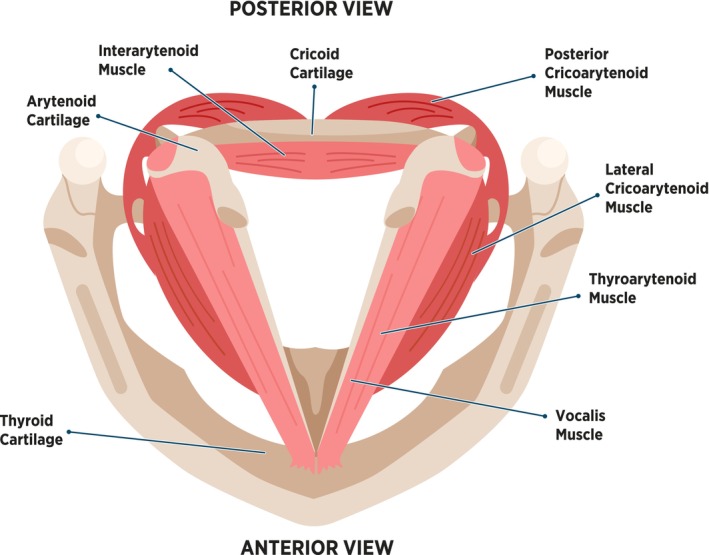
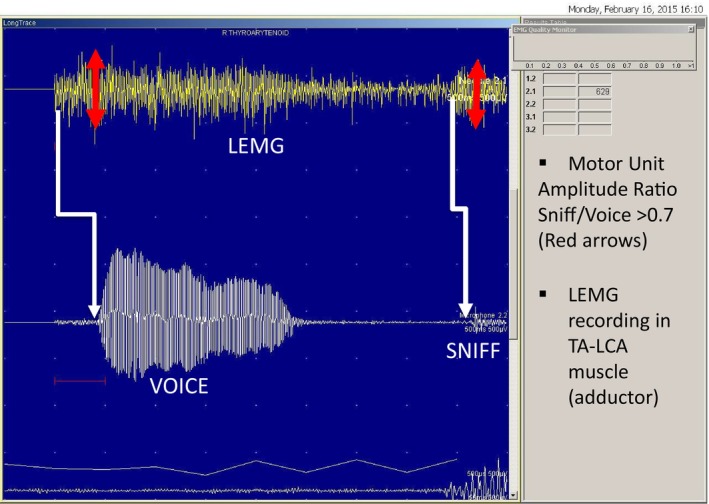
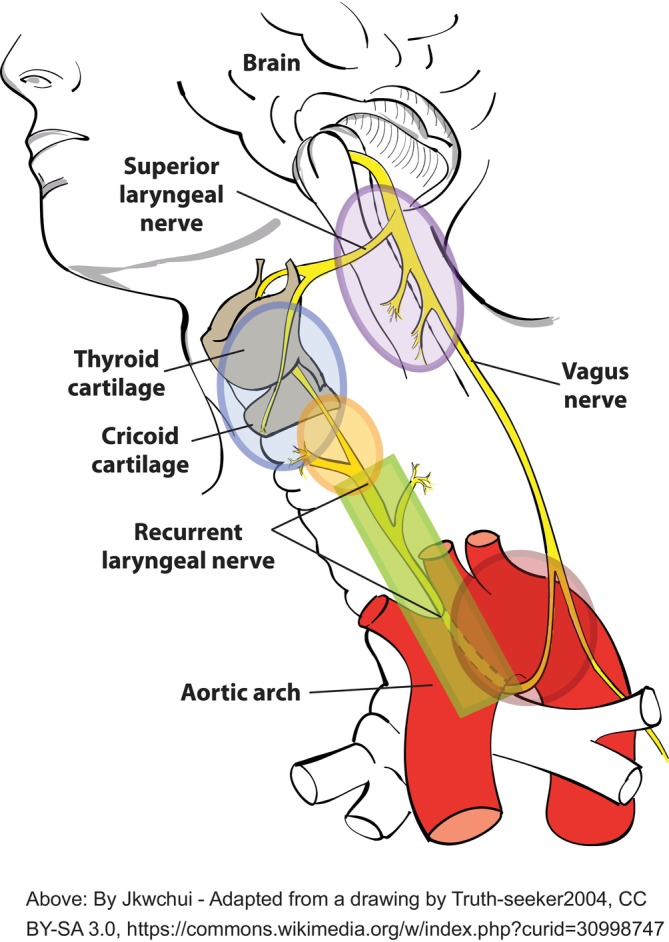
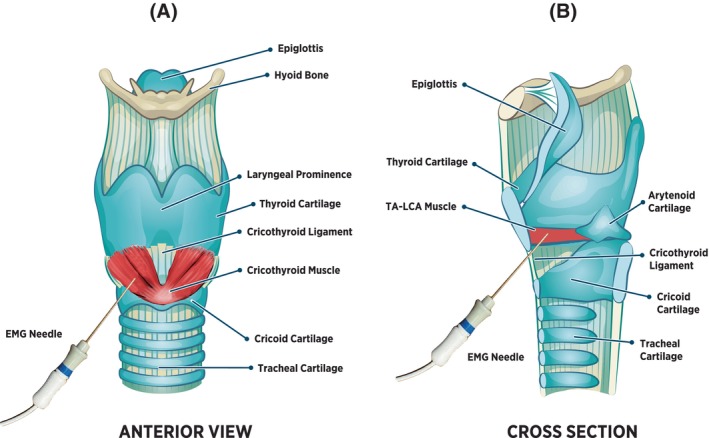
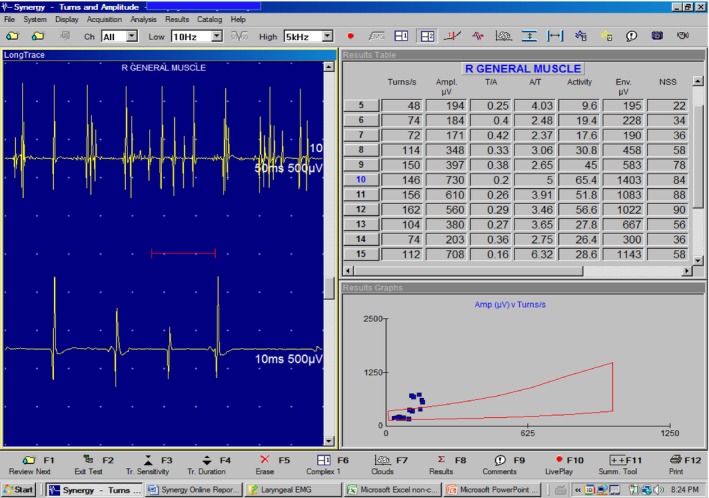
Laryngeal electromyography (LEMG) is a technique used to characterize neuropathic injuries to the recurrent laryngeal nerve (RLN) and superior laryngeal nerve (SLN). The RLN and SLN innervate the laryngeal muscles to produce vocal fold (VF) motion and elongation, respectively. VF motion deficiencies can affect voice, swallowing, and breathing, which can greatly affect a patient's quality of life. Neuropathy-related VF motion deficiencies most often result from surgical interventions to the skull base, neck, or chest likely due to the circuitous route of the RLN. LEMG is ideally conducted by an electromyographer and an otolaryngologist using a team-approach. LEMG is a powerful diagnostic tool to better characterize the extent of neuropathic injury and thus clarify the prognosis for VF motion recovery. This updated review discusses current techniques to improve the positive and negative predictive values of LEMG using laryngeal synkinesis and quantitative LEMG. Synkinesis can be diagnosed by comparing motor unit potential amplitude during vocalization and sniff maneuvers when recording within adductor muscles. Quantitative turns analysis can measure motor unit recruitment to avoid subjective descriptions of reduced depolarization during vocalization, and normal values are >400 turns/s. By integrating qualitative, quantitative, and synkinetic data, a robust prognosis can help clinicians determine if VF weakness will recover. Based on LEMG interpretation, patient-centered treatment can be developed to include watchful waiting, temporary VF augmentation, or definitive medialization procedures and laryngeal reinnervation.
喉肌电图(LEMG)是一种用于表征喉返神经(RLN)和喉上神经(SLN)神经病变损伤的技术。喉返神经和喉上神经分别支配喉肌以产生声带(VF)运动和延长。声带运动缺陷会影响语音、吞咽和呼吸,这会极大地影响患者的生活质量。与神经病变相关的声带运动缺陷最常由对头颅底、颈部或胸部的手术干预引起,这可能是由于喉返神经的迂回路径所致。理想情况下,喉肌电图应由肌电图专家和耳鼻喉科医生采用团队协作的方式进行。喉肌电图是一种强大的诊断工具,可更好地表征神经病变损伤的程度,从而明确声带运动恢复的预后。这篇更新的综述讨论了利用喉联合运动和定量喉肌电图来提高喉肌电图阳性和阴性预测价值的当前技术。当在内收肌内进行记录时,联合运动可通过比较发声和吸气动作期间运动单位电位幅度来诊断。定量匝数分析可测量运动单位募集情况,以避免对发声期间去极化减少进行主观描述,正常值>400匝/秒。通过整合定性、定量和联合运动数据,可靠的预后可帮助临床医生确定声带无力是否会恢复。基于喉肌电图解释,可制定以患者为中心的治疗方案,包括密切观察、临时声带增强或确定性内移手术以及喉再支配。