Matsumoto Hiromi, Fukushima Taichi, Kobayashi Nobuaki, Higashino Yuuki, Muraoka Suguru, Ohtsu Yukiko, Hirata Momo, Somekawa Kohei, Kaneko Ayami, Nagasawa Ryo, Kubo Sousuke, Tanaka Katsushi, Murohashi Kota, Fujii Hiroaki, Watanabe Keisuke, Horita Nobuyuki, Hara Yu, Kaneko Takeshi
Department of Pulmonology, Yokohama City University Graduate School of Medicine, Yokohama, Japan.
Yokohama City University School of Medicine, Yokohama, Japan.
PLoS One. 2024 Aug 1;19(8):e0299760. doi: 10.1371/journal.pone.0299760. eCollection 2024.
Immune checkpoint inhibitors (ICIs) have improved outcomes in cancer treatment but are also associated with adverse events and financial burdens. Identifying accurate biomarkers is crucial for determining which patients are likely to benefit from ICIs. Current markers, such as PD-L1 expression and tumor mutation burden, exhibit limited predictive accuracy. This study utilizes a Clinical Data Warehouse (CDW) to explore the prognostic significance of novel blood-based factors, such as the neutrophil-to-lymphocyte ratio and red cell distribution width (RDW), to enhance the prediction of ICI therapy benefit.
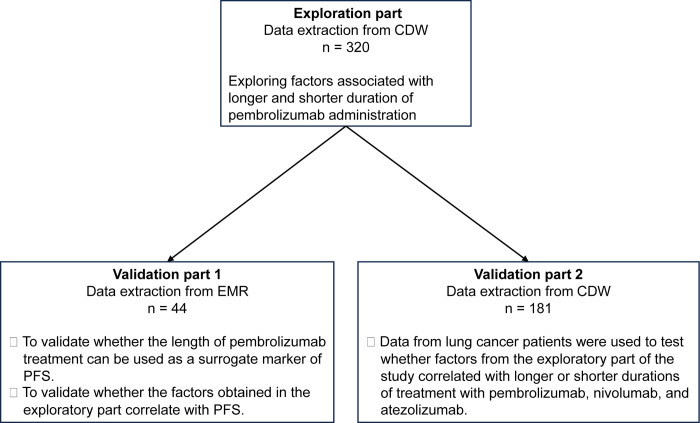
This retrospective study utilized an exploratory cohort from the CDW that included a variety of cancers to explore factors associated with pembrolizumab treatment duration, validated in a non-small cell lung cancer (NSCLC) patient cohort from electronic medical records (EMR) and CDW. The CDW contained anonymized data on demographics, diagnoses, medications, and tests for cancer patients treated with ICIs between 2017-2022. Logistic regression identified factors predicting ≤2 or ≥5 pembrolizumab doses as proxies for progression-free survival (PFS), and Receiver Operating Characteristic analysis was used to examine their predictive ability. These factors were validated by correlating doses with PFS in the EMR cohort and re-testing their significance in the CDW cohort with other ICIs. This dual approach utilized the CDW for discovery and EMR/CDW cohorts for validating prognostic biomarkers before ICI treatment.
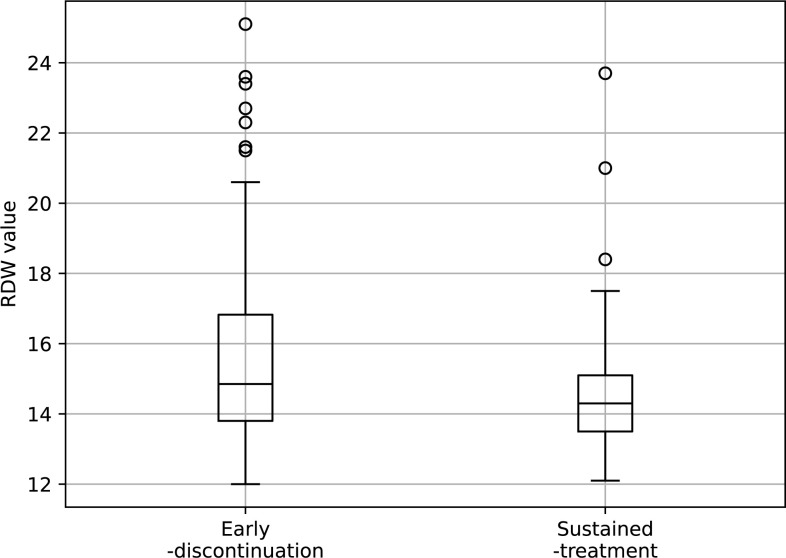
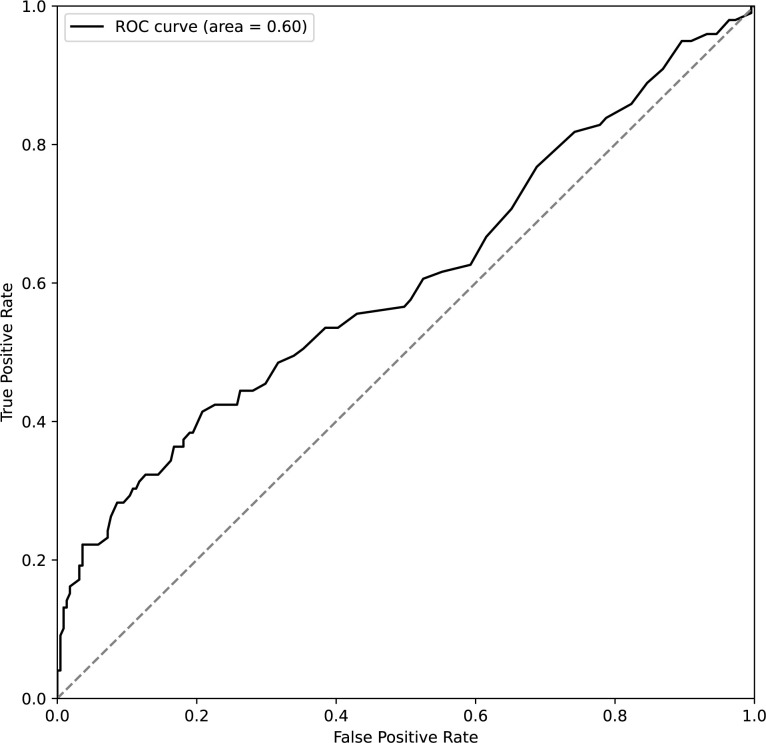
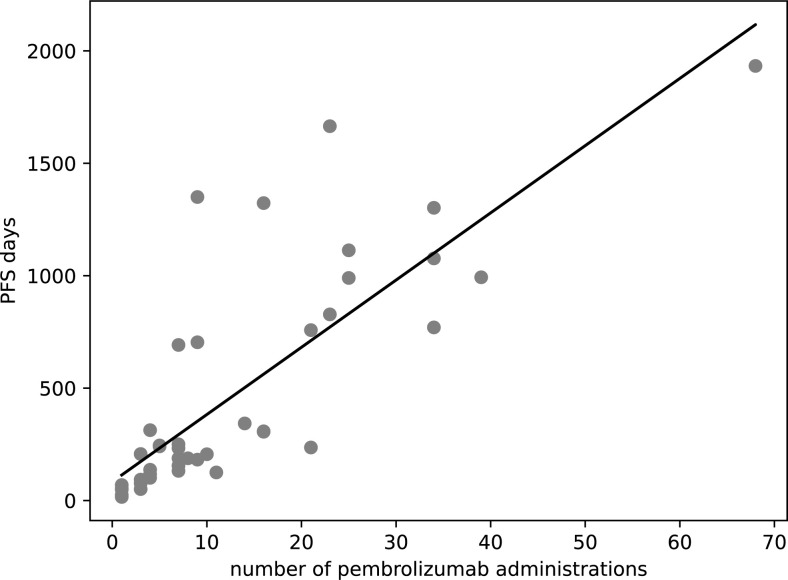
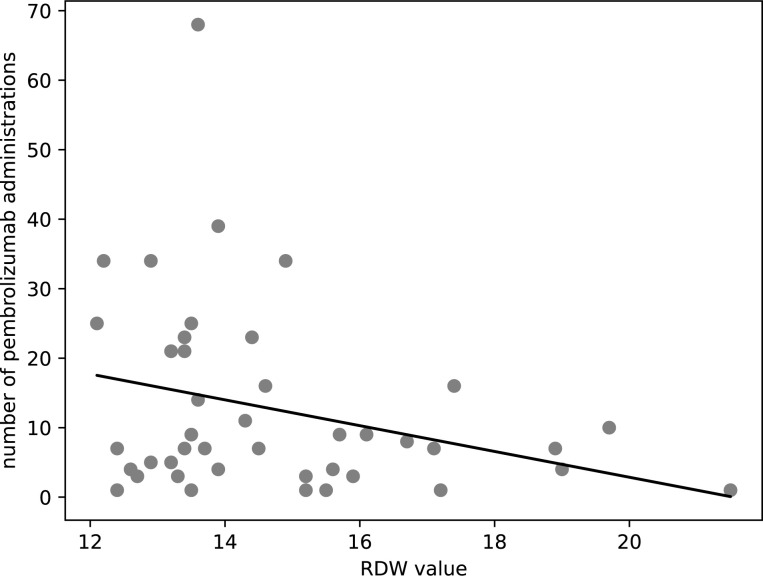
A total of 609 cases (428 in the exploratory cohort and 181 in the validation cohort) from CDW and 44 cases from EMR were selected for study. CDW analysis revealed that elevated red cell distribution width (RDW) correlated with receiving ≤2 pembrolizumab doses (p = 0.0008), with an AUC of 0.60 for predicting treatment duration. RDW's correlation with PFS (r = 0.80, p<0.0001) and its weak association with RDW (r = -0.30, p = 0.049) were confirmed in the EMR cohort. RDW also remained significant in predicting short treatment duration across various ICIs (p = 0.0081). This dual methodology verified pretreatment RDW elevation as a prognostic biomarker for shortened ICI therapy.
This study suggests the utility of CDWs in identifying prognostic biomarkers for ICI therapy in cancer treatment. Elevated RDW before treatment initiation emerged as a potential biomarker of shorter therapy duration.
免疫检查点抑制剂(ICIs)改善了癌症治疗的效果,但也与不良事件和经济负担相关。识别准确的生物标志物对于确定哪些患者可能从ICIs中获益至关重要。目前的标志物,如PD-L1表达和肿瘤突变负荷,预测准确性有限。本研究利用临床数据仓库(CDW)来探索新型血液学因素的预后意义,如中性粒细胞与淋巴细胞比值和红细胞分布宽度(RDW),以提高对ICI治疗获益的预测。
这项回顾性研究利用了CDW中的一个探索性队列,该队列包括多种癌症类型,以探索与帕博利珠单抗治疗持续时间相关的因素,并在来自电子病历(EMR)和CDW的非小细胞肺癌(NSCLC)患者队列中进行验证。CDW包含了2017年至2022年间接受ICIs治疗的癌症患者的人口统计学、诊断、用药和检查的匿名数据。逻辑回归确定了预测帕博利珠单抗剂量≤2或≥5的因素,作为无进展生存期(PFS)的替代指标,并使用受试者工作特征分析来检验其预测能力。通过将剂量与EMR队列中的PFS进行关联,并在CDW队列中使用其他ICIs重新检验其显著性,对这些因素进行验证。这种双重方法利用CDW进行发现,并利用EMR/CDW队列在ICI治疗前验证预后生物标志物。
总共从CDW中选取了609例病例(探索性队列中的428例和验证队列中的181例)以及从EMR中选取了44例病例进行研究。CDW分析显示,红细胞分布宽度(RDW)升高与接受≤2剂帕博利珠单抗相关(p = 0.0008),预测治疗持续时间的AUC为0.60。在EMR队列中证实了RDW与PFS的相关性(r = 0.80,p<0.0001)及其与RDW的弱相关性(r = -0.30,p = 0.049)。RDW在预测各种ICIs的短治疗持续时间方面也仍然具有显著性(p = 0.0081)。这种双重方法验证了治疗前RDW升高作为ICI治疗缩短的预后生物标志物。
本研究表明CDW在识别癌症治疗中ICI治疗的预后生物标志物方面具有实用性。治疗开始前RDW升高成为治疗持续时间较短的潜在生物标志物。