Shenzhen Key Laboratory of Biomolecular Assembling and Regulation, Shenzhen, Guangdong, 518055, China.
Brain Research Center, Southern University of Science and Technology, Shenzhen, Guangdong, 518055, China.
Nat Commun. 2024 Aug 2;15(1):6509. doi: 10.1038/s41467-024-50863-3.
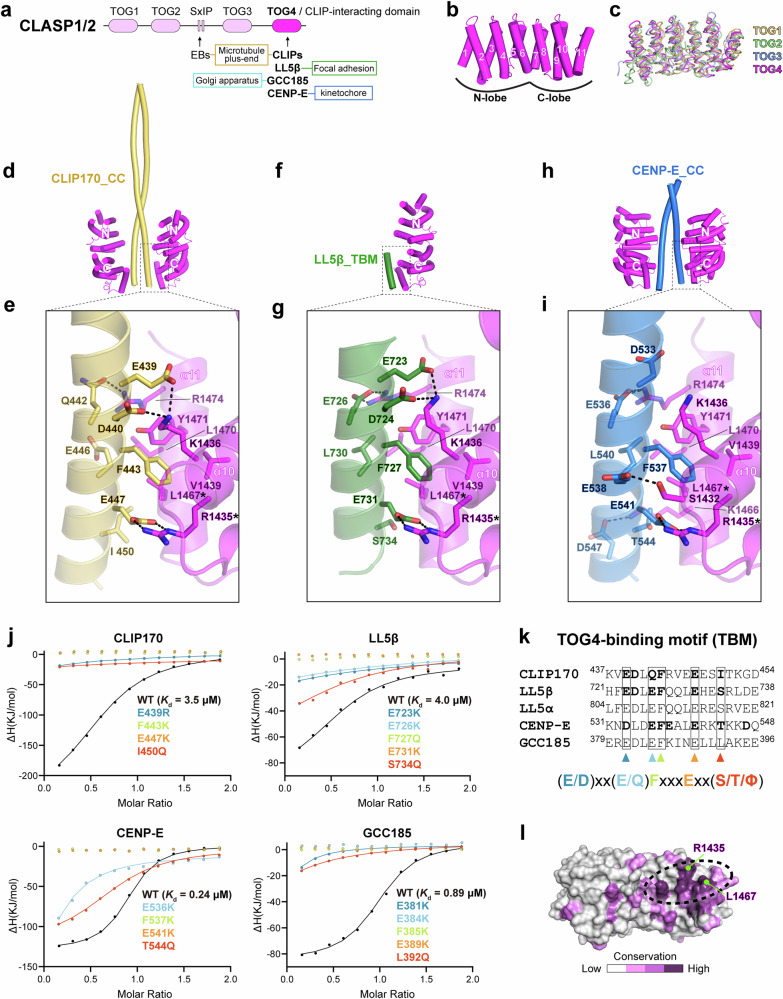
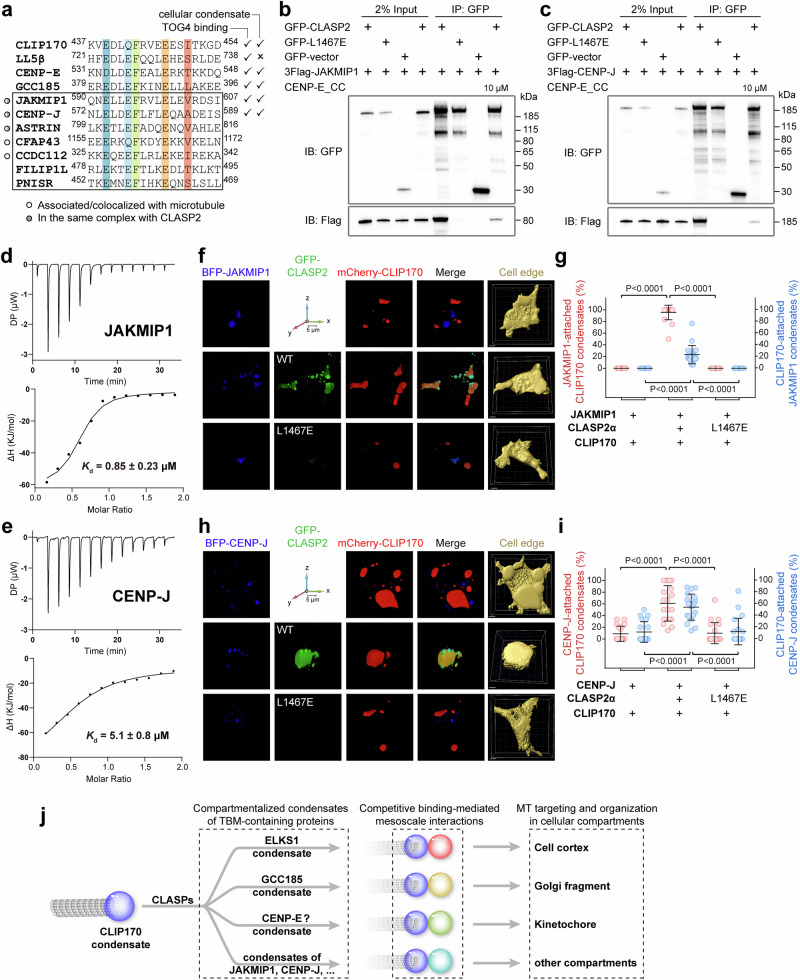
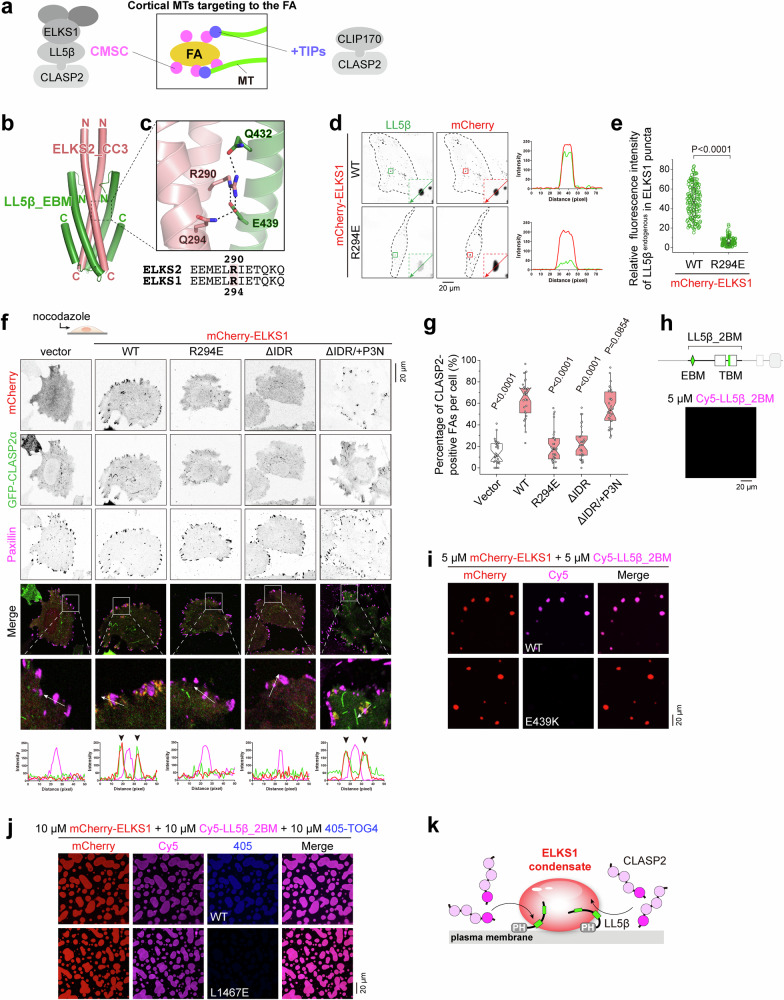
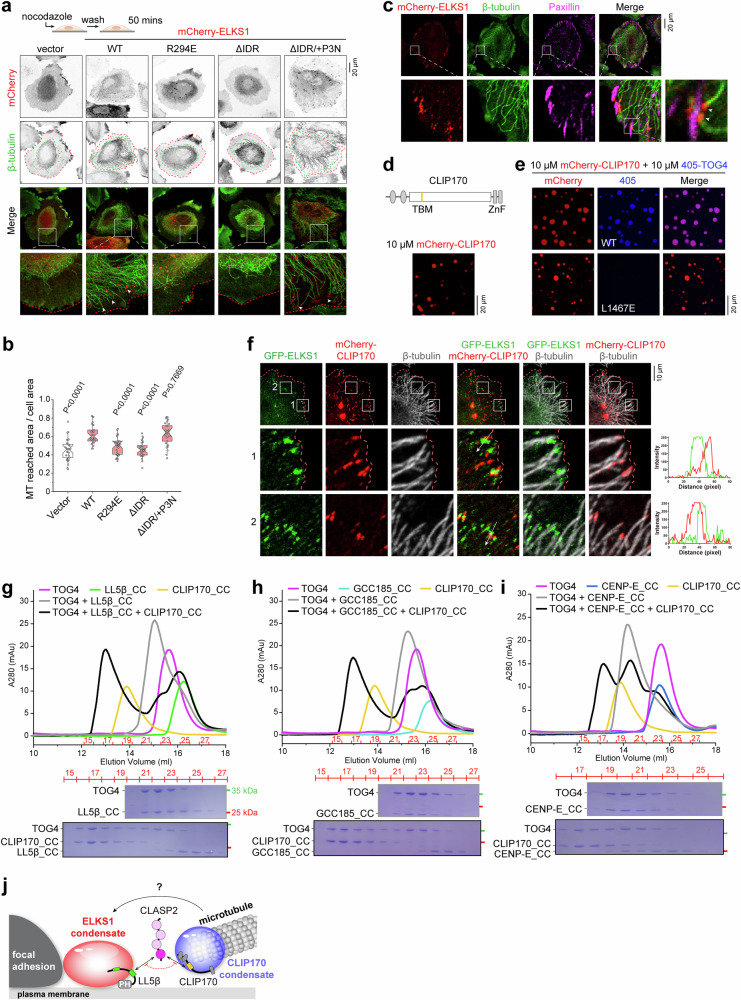
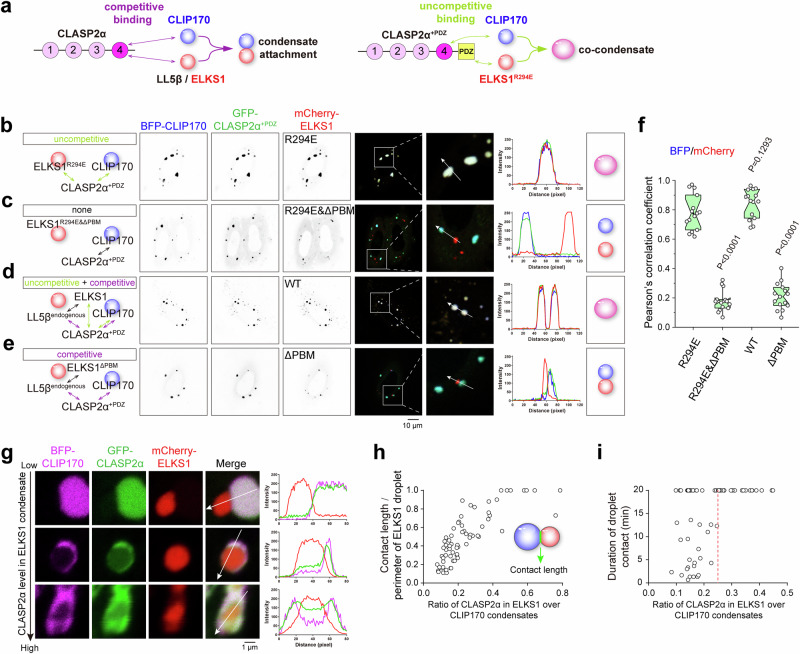
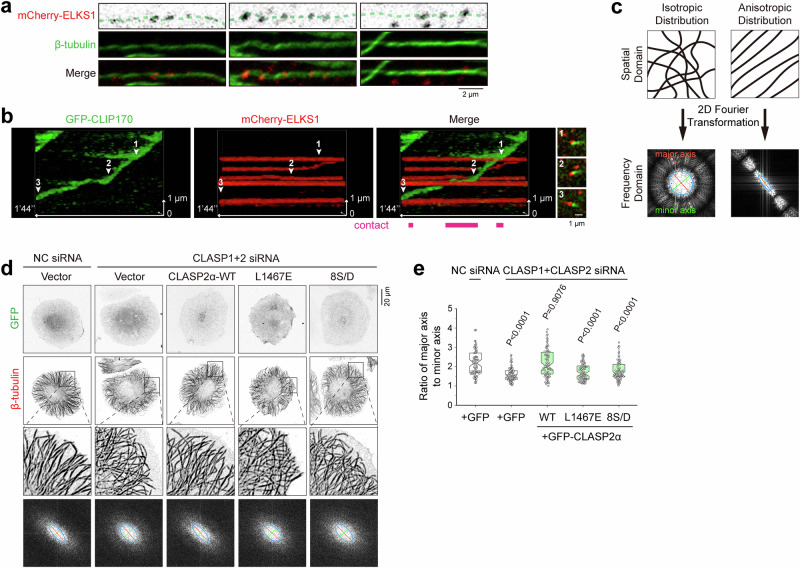
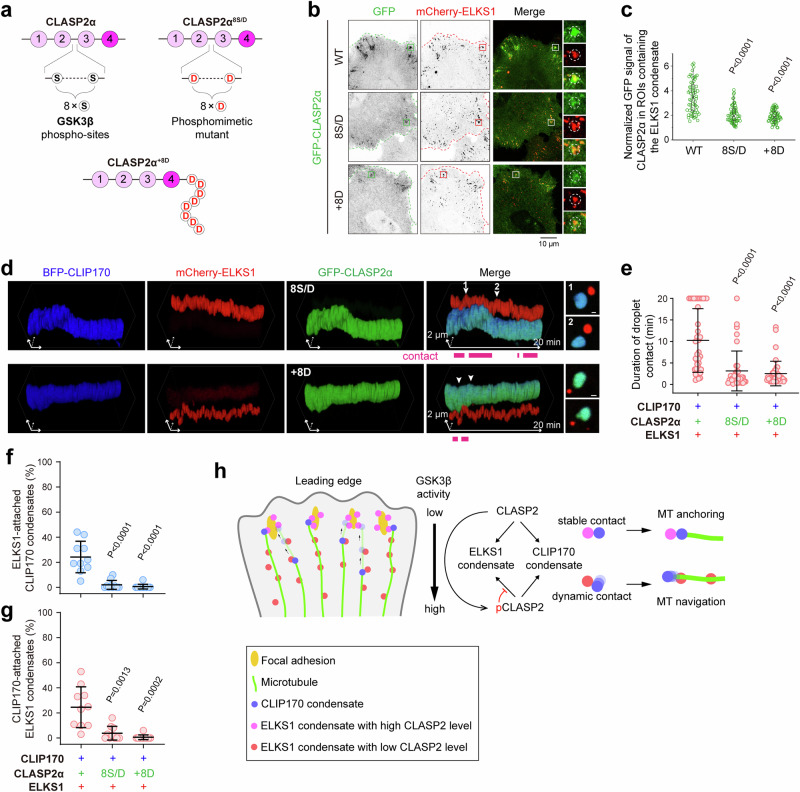
Microtubule organization in cells relies on targeting mechanisms. Cytoplasmic linker proteins (CLIPs) and CLIP-associated proteins (CLASPs) are key regulators of microtubule organization, yet the underlying mechanisms remain elusive. Here, we reveal that the C-terminal domain of CLASP2 interacts with a common motif found in several CLASP-binding proteins. This interaction drives the dynamic localization of CLASP2 to distinct cellular compartments, where CLASP2 accumulates in protein condensates at the cell cortex or the microtubule plus end. These condensates physically contact each other via CLASP2-mediated competitive binding, determining cortical microtubule targeting. The phosphorylation of CLASP2 modulates the dynamics of the condensate-condensate interaction and spatiotemporally navigates microtubule growth. Moreover, we identify additional CLASP-interacting proteins that are involved in condensate contacts in a CLASP2-dependent manner, uncovering a general mechanism governing microtubule targeting. Our findings not only unveil a tunable multiphase system regulating microtubule organization, but also offer general mechanistic insights into intricate protein-protein interactions at the mesoscale level.
细胞中的微管组织依赖于靶向机制。细胞质连接蛋白 (CLIPs) 和 CLIP 相关蛋白 (CLASPs) 是微管组织的关键调节剂,但潜在的机制仍不清楚。在这里,我们揭示了 CLASP2 的 C 端结构域与几种 CLASP 结合蛋白中发现的一个共同基序相互作用。这种相互作用驱动 CLASP2 动态定位到不同的细胞区室,在那里 CLASP2 在细胞皮层或微管正极端积累到蛋白质凝聚物中。这些凝聚物通过 CLASP2 介导的竞争性结合彼此物理接触,从而确定皮质微管的靶向性。CLASP2 的磷酸化调节凝聚物-凝聚物相互作用的动力学,并在时空上引导微管的生长。此外,我们还鉴定了其他依赖 CLASP2 的参与凝聚物接触的 CLASP 相互作用蛋白,揭示了一种普遍的机制来控制微管的靶向性。我们的发现不仅揭示了一个可调的多相系统来调节微管组织,而且还为复杂的蛋白质-蛋白质相互作用在介观尺度上提供了一般的机制见解。