Department of Cardiology, Xinhua Hospital, Shanghai Jiao Tong University School of Medicine, Shanghai, 200092, China.
The Department of Radiology, Shanghai General Hospital, Shanghai Jiaotong University School of Medicine, Shanghai, China.
EBioMedicine. 2024 Aug;106:105268. doi: 10.1016/j.ebiom.2024.105268. Epub 2024 Aug 3.
Atrial cardiomyopathy (ACM) is responsible for atrial fibrillation (AF) and thromboembolic events. Diabetes mellitus (DM) is an important risk factor for ACM. However, the potential mechanism between ACM and DM remains elusive.
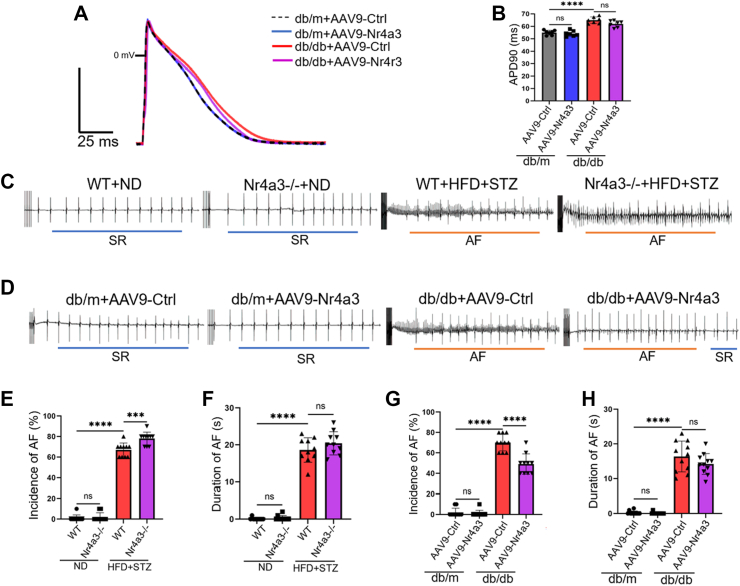
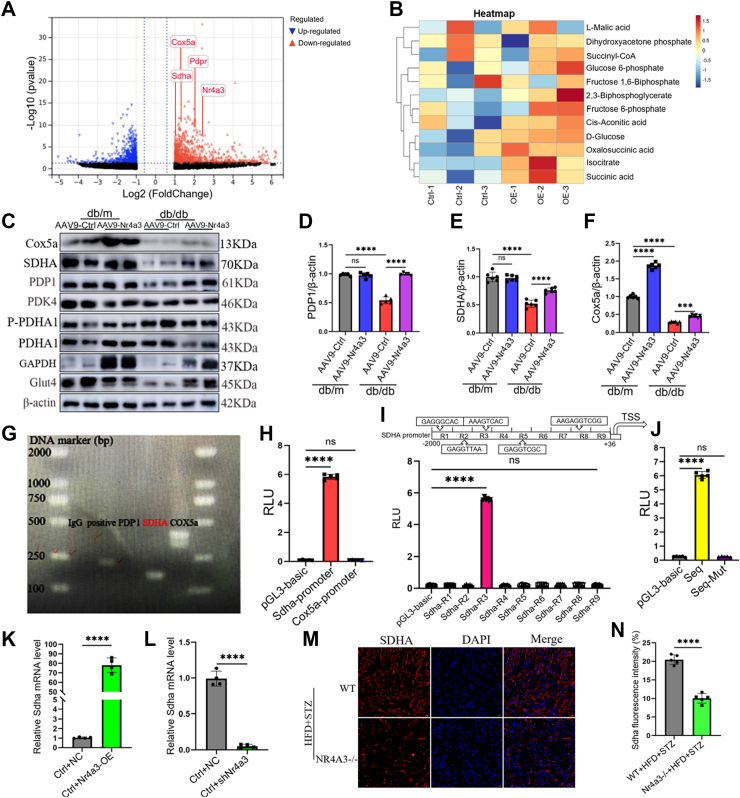
Atrial tissue samples were obtained from patients diagnosed with AF or sinus rhythm (SR) to assess alterations in NR4A3 expression, and then two distinct animal models were generated by subjecting Nr4a3-/- mice and WT mice to a high-fat diet (HFD) and Streptozotocin (STZ), while db/db mice were administered AAV9-Nr4a3 or AAV9-ctrl. Subsequently, in vivo and in vitro experiments were conducted to assess the impact of NR4A3 on diabetes-induced atrial remodeling through electrophysiological, biological, and histological analyses. RNA sequencing (RNA-seq) and metabolomics analysis were employed to unravel the downstream mechanisms.
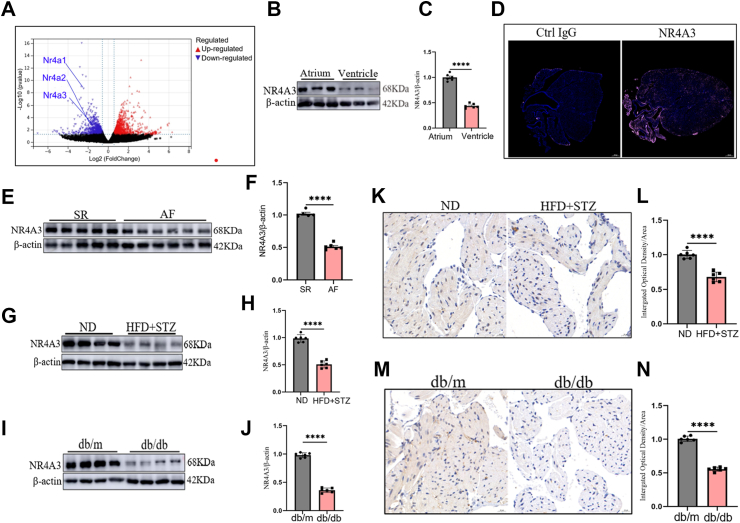
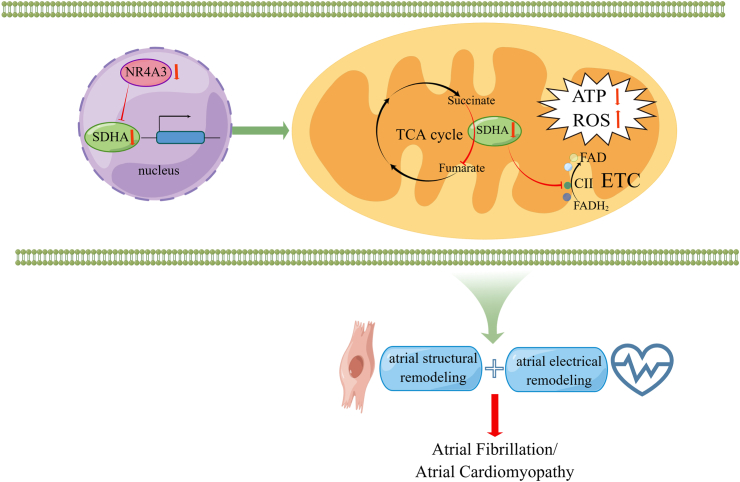
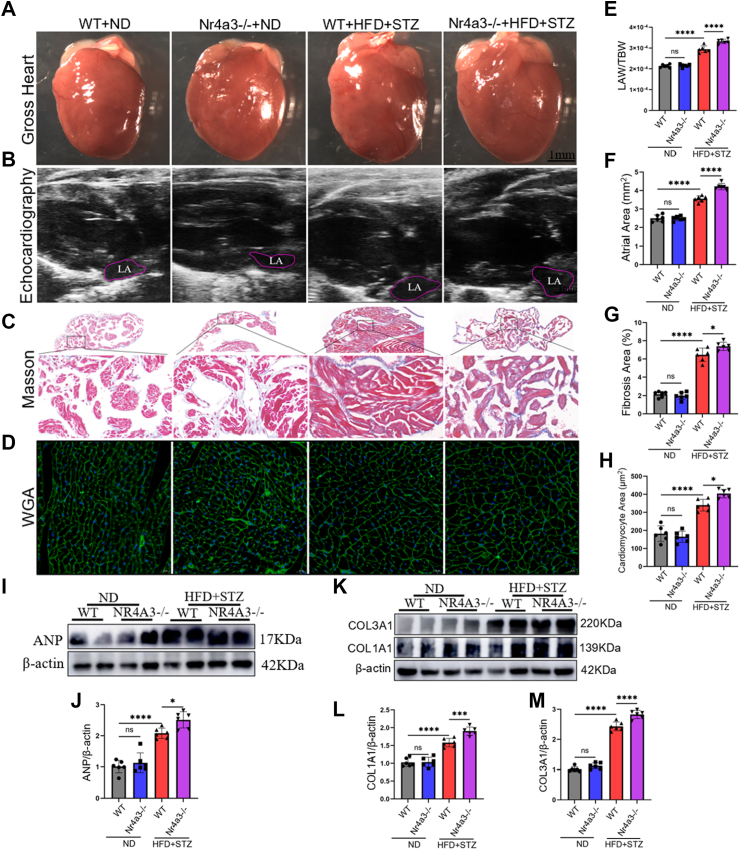
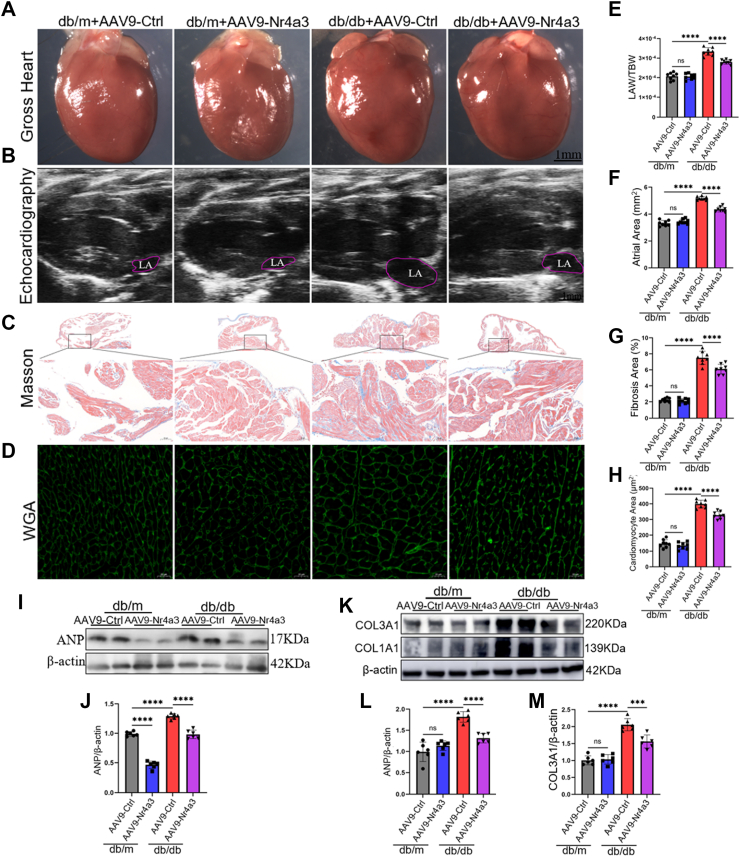
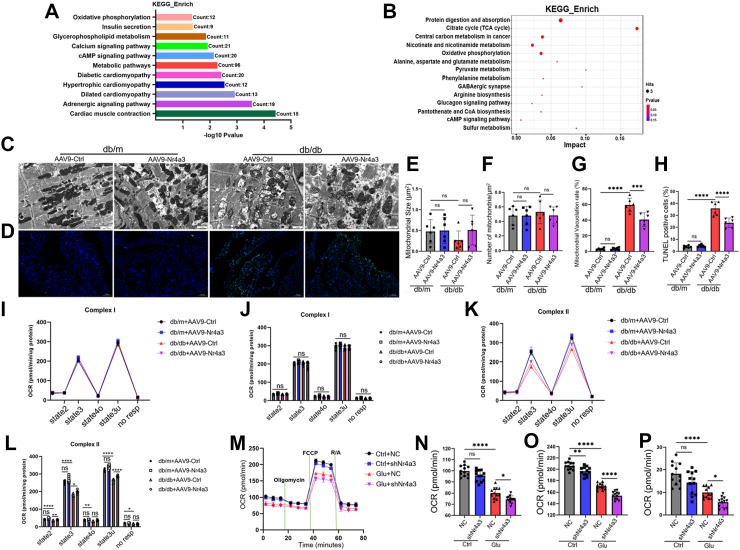
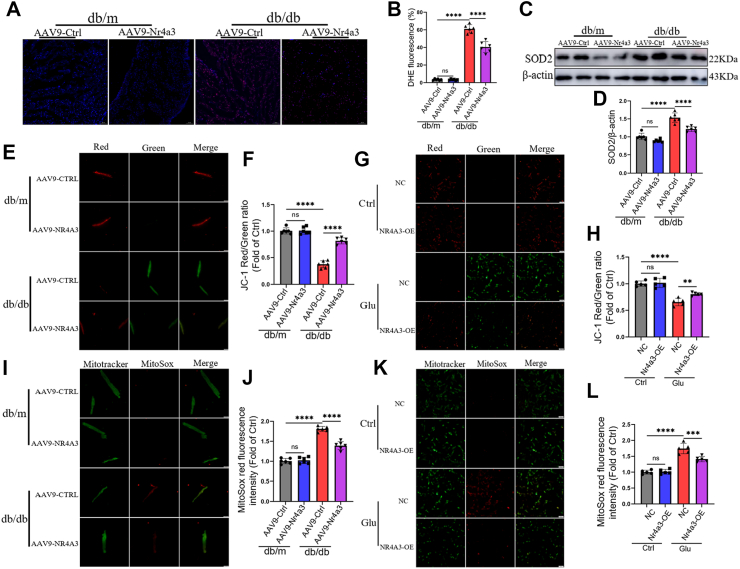
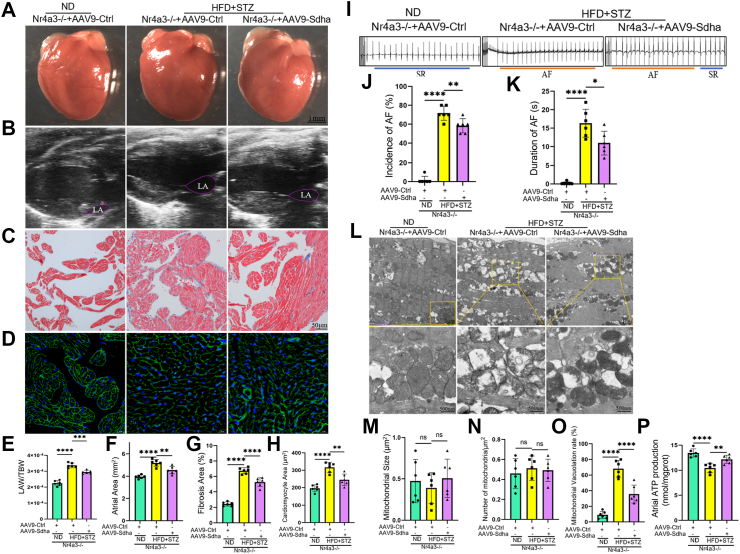
The expression of NR4A3 was significantly decreased in atrial tissues of both AF patients and diabetic mice compared to their respective control groups. NR4A3 deficiency exacerbated atrial hypertrophy and atrial fibrosis, and increased susceptibility to pacing-induced AF. Conversely, overexpression of NR4A3 alleviated atrial structural remodeling and reduced AF induction rate. Mechanistically, we confirmed that NR4A3 improves mitochondrial energy metabolism and reduces oxidative stress injury by preserving the transcriptional expression of Sdha, thereby exerting a protective influence on atrial remodeling induced by diabetes.
Our data confirm that NR4A3 plays a protective role in atrial remodeling caused by diabetes, so it may be a new target for treating ACM.
This study was supported by the major research program of National Natural Science Foundation of China (NSFC) No: 82370316 (to Q-S. W.), No. 81974041 (to Y-P. W.), and No. 82270447 (to Y-P. W.) and Fundation of Shanghai Hospital Development Center (No. SHDC2022CRD044 to Q-S. W.).
心房心肌病(ACM)是导致心房颤动(AF)和血栓栓塞事件的原因。糖尿病(DM)是 ACM 的重要危险因素。然而,ACM 和 DM 之间的潜在机制仍不清楚。
从诊断为 AF 或窦性节律(SR)的患者中获取心房组织样本,以评估 NR4A3 表达的变化,然后通过将 Nr4a3-/- 小鼠和 WT 小鼠暴露于高脂肪饮食(HFD)和链脲佐菌素(STZ),以及给 db/db 小鼠施用 AAV9-Nr4a3 或 AAV9-ctrl,分别生成两种不同的动物模型。随后,通过电生理、生物学和组织学分析,进行体内和体外实验,以评估 NR4A3 对糖尿病诱导的心房重构的影响。采用 RNA 测序(RNA-seq)和代谢组学分析来揭示下游机制。
与各自的对照组相比,AF 患者和糖尿病小鼠的心房组织中 NR4A3 的表达明显降低。NR4A3 缺乏加剧了心房肥大和心房纤维化,并增加了对起搏诱导的 AF 的易感性。相反,NR4A3 的过表达减轻了心房结构重塑,并降低了 AF 诱导率。在机制上,我们证实 NR4A3 通过保持 Sdha 的转录表达来改善线粒体能量代谢和减少氧化应激损伤,从而对糖尿病引起的心房重塑发挥保护作用。
我们的数据证实 NR4A3 在糖尿病引起的心房重构中发挥保护作用,因此它可能是治疗 ACM 的新靶点。
本研究得到国家自然科学基金重大研究计划(NSFC)No:82370316(Q-S. W.)、No:81974041(Y-P. W.)和 No:82270447(Y-P. W.)以及上海市医院发展中心基金(No:SHDC2022CRD044 至 Q-S. W.)的支持。