
一名患有LPS反应性米色样锚定基因突变的患者在造血干细胞移植后获得了高效且成功的结果。
An efficient and successful outcome after haematopoietic stem cell transplantation in a patient with an LPS-responsive beige-like anchor gene mutation.
作者信息
Shen Cen, Zhang Luying, Meng Yan, Yang Lu, He Wenli, Lei Xiaoying, Zhou Lina, An Yunfei, Dou Ying
机构信息
Department of Hematological Oncology, Children's Hospital of Chongqing Medical University, National Clinical Research Center for Child Health and Disorders, Ministry of Education Key Laboratory of Child Development and Disorders, Chongqing, China.
Chongqing Key Laboratory of Child Rare Diseases in Infection and Immunity, Chongqing, China.
出版信息
Front Pediatr. 2024 Jul 23;12:1420118. doi: 10.3389/fped.2024.1420118. eCollection 2024.
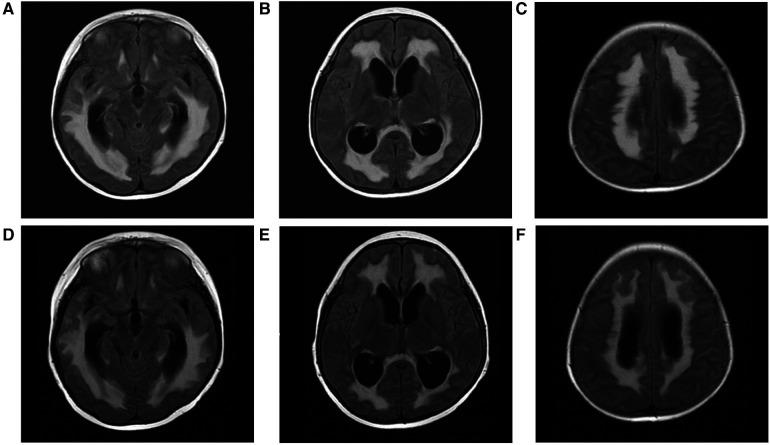
Lipopolysaccharide (LPS)-responsive beige ankyrin (LRBA) gene mutations were first reported as the cause of immunodeficiency syndromes and autoimmunity in 2012. The majority of LRBA patients have multiple organ system involvement and a complex clinical phenotype. Herein we present a comprehensive account on the disease progression and transplantation procedure in a patient with LRBA deficiency who exhibited progressive autoimmune disease symptoms along with recurrent pulmonary infections since the age of 6 years old. Despite receiving abatacept therapy and immunoglobulin replacement treatments to manage the symptoms, but the symptoms still progressed. Therefore, nine years after disease onset, patients were treated with allogeneic haematopoietic stem cell transplantation (allo-HSCT). The patient experienced acute and chronic graft-versus-host disease (GVHD) and recurrent infections after transplantation. During one and a half years of follow-up, we found that allogeneic haematopoietic stem cell transplantation can relieve the symptoms of autoimmune disease in patients with LRBA deficiency, and marked clinical improvement and recovery of immune function were observed following stem cell transplantation.
脂多糖(LPS)反应性米色锚蛋白(LRBA)基因突变于2012年首次被报道为免疫缺陷综合征和自身免疫的病因。大多数LRBA患者有多个器官系统受累及复杂的临床表型。在此,我们全面阐述了一名LRBA缺乏症患者的疾病进展和移植过程,该患者自6岁起就出现进行性自身免疫性疾病症状并伴有反复肺部感染。尽管接受了阿巴西普治疗和免疫球蛋白替代治疗以控制症状,但症状仍在进展。因此,在疾病发作9年后,患者接受了异基因造血干细胞移植(allo-HSCT)。患者在移植后经历了急性和慢性移植物抗宿主病(GVHD)及反复感染。在一年半的随访中,我们发现异基因造血干细胞移植可缓解LRBA缺乏症患者的自身免疫性疾病症状,干细胞移植后观察到明显的临床改善和免疫功能恢复。




 Zotero 插件