Yadav Sahil, El Hamra Rayan, Alturki Norah A, Ariana Ardeshir, Bhan Avni, Hurley Kate, Gaestel Matthias, Blackshear Perry J, Blais Alexandre, Sad Subash
Department of Biochemistry, Microbiology, and Immunology, Faculty of Medicine, University of Ottawa, Ottawa, ON, Canada.
Clinical Laboratory Science Department, College of Applied Medical Sciences, King Saud University, Riyadh, Saudi Arabia.
Cell Death Dis. 2024 Aug 8;15(8):574. doi: 10.1038/s41419-024-06964-4.
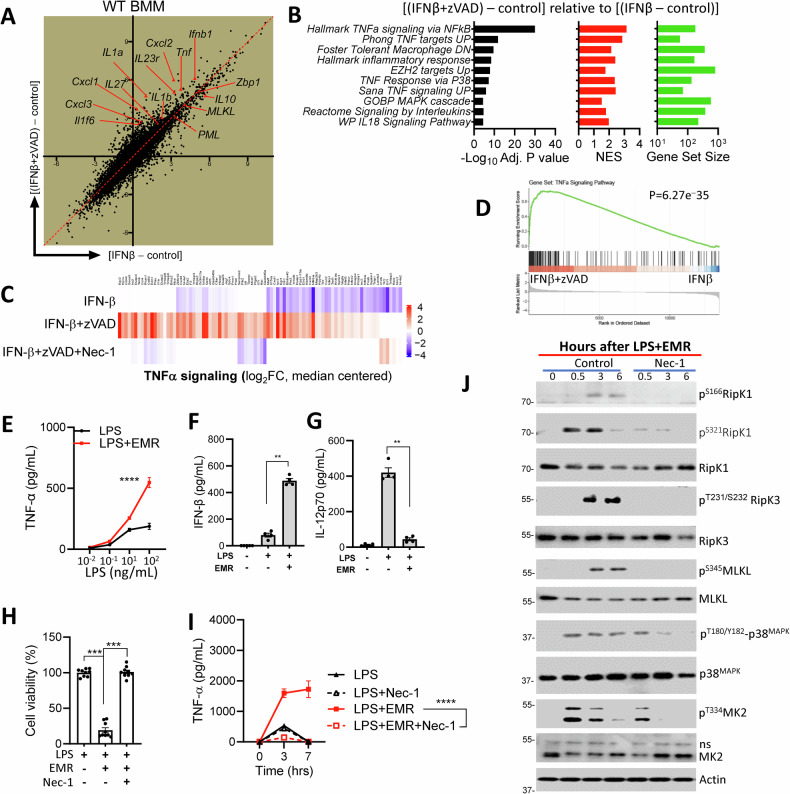
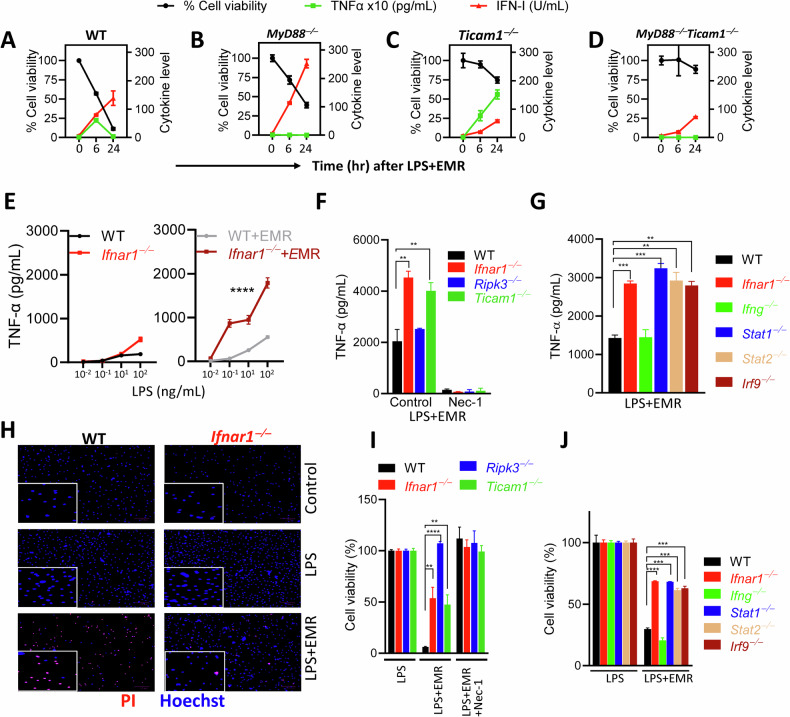
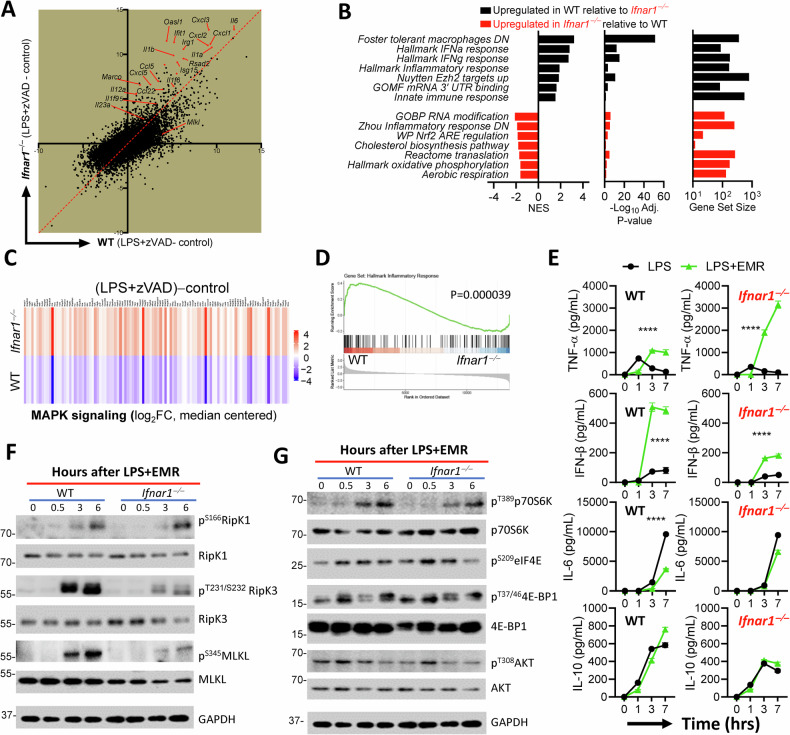
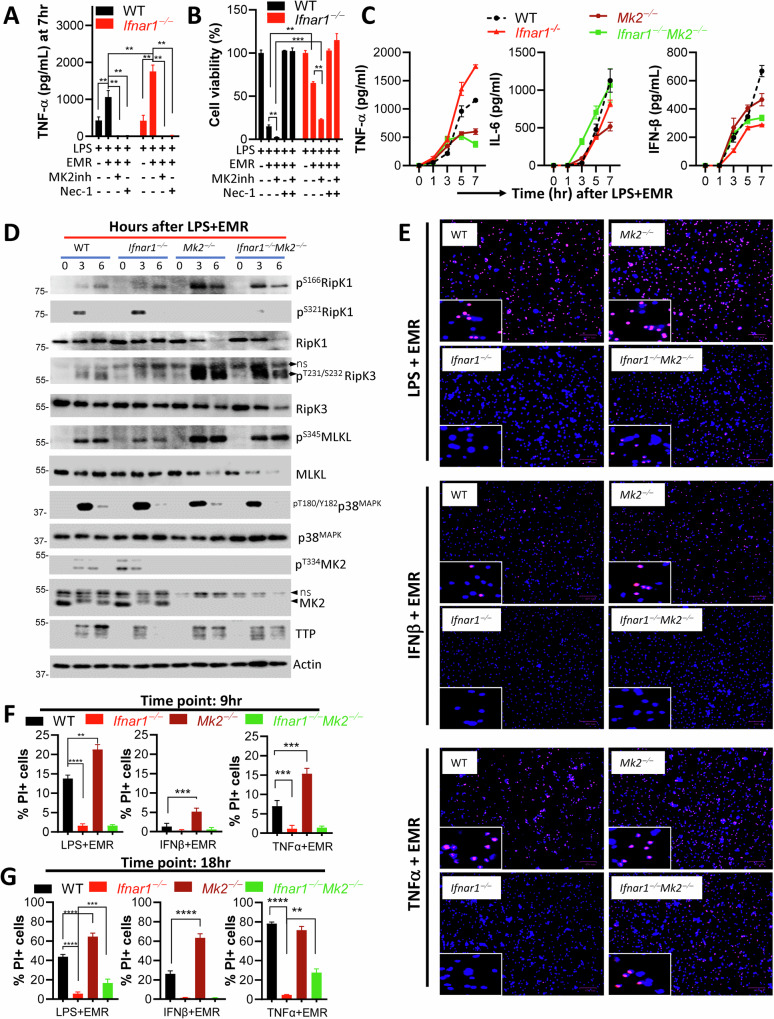
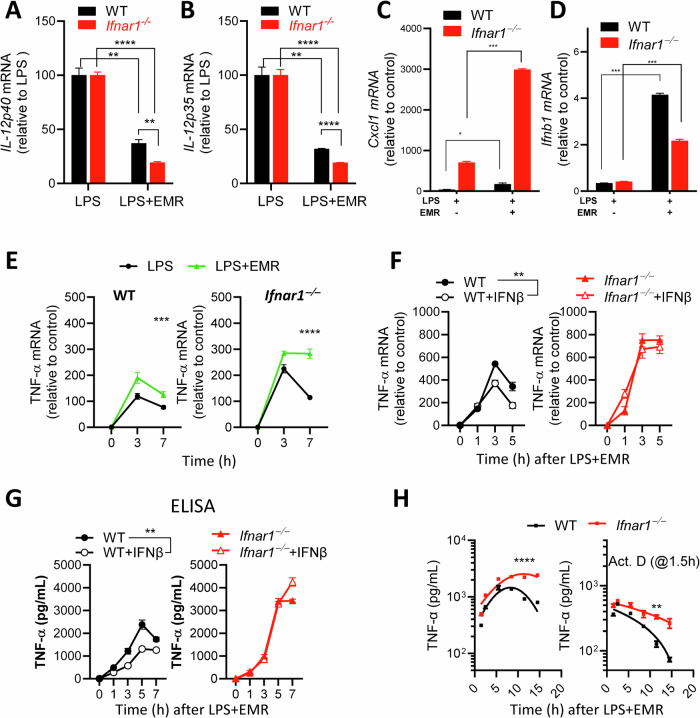
Necrosome activation following TLR- or cytokine receptor-signaling results in cell death by necroptosis which is characterized by the rupture of cell membranes and the consequent release of intracellular contents to the extracellular milieu. While necroptosis exacerbates various inflammatory diseases, the mechanisms through which the inflammatory responses are regulated are not clear. We show that the necrosome activation of macrophages results in an upregulation of various pathways, including the mitogen-activated protein kinase (MAPK) cascade, which results in an elevation of the inflammatory response and consequent expression of several cytokines and chemokines. Programming for this upregulation of inflammatory response occurs during the early phase of necrosome activation and proceeds independently of cell death but depends on the activation of the receptor-interacting protein kinase-1 (RipK1). Interestingly, necrosome activation also results in an upregulation of IFNβ, which in turn exerts an inhibitory effect on the maintenance of inflammatory response through the repression of MAPK-signaling and an upregulation of Zfp36. Activation of the interferon-induced gene factor-3 (ISGF3) results in the expression of ZFP36 (TTP), which induces the post-transcriptional degradation of mRNAs of various inflammatory cytokines and chemokines through the recognition of AU-rich elements in their 3'UTR. Furthermore, ZFP-36 inhibits IFNβ-, but not TNFα- induced necroptosis. Overall, these results reveal the molecular mechanism through which IFNβ, a pro-inflammatory cytokine, induces the expression of ZFP-36, which in turn inhibits necroptosis and halts the maintenance of the inflammatory response.
Toll样受体(TLR)或细胞因子受体信号传导后坏死小体激活导致细胞坏死性凋亡,其特征是细胞膜破裂以及细胞内内容物随之释放到细胞外环境中。虽然坏死性凋亡会加剧各种炎症性疾病,但炎症反应的调节机制尚不清楚。我们发现巨噬细胞的坏死小体激活导致多种信号通路上调,包括丝裂原活化蛋白激酶(MAPK)级联反应,这会导致炎症反应增强以及几种细胞因子和趋化因子的表达。炎症反应上调的编程发生在坏死小体激活的早期阶段,且独立于细胞死亡过程,但依赖于受体相互作用蛋白激酶1(RipK1)的激活。有趣的是,坏死小体激活还会导致IFNβ上调,而IFNβ反过来通过抑制MAPK信号传导和上调Zfp36对炎症反应的维持发挥抑制作用。干扰素诱导基因因子3(ISGF3)的激活导致ZFP36(TTP)的表达,ZFP36通过识别各种炎症细胞因子和趋化因子3'非翻译区(3'UTR)中的富含AU元件,诱导这些因子mRNA的转录后降解。此外,ZFP - 36抑制IFNβ诱导的坏死性凋亡,但不抑制TNFα诱导的坏死性凋亡。总体而言,这些结果揭示了促炎细胞因子IFNβ诱导ZFP - 36表达的分子机制,而ZFP - 36反过来抑制坏死性凋亡并终止炎症反应的维持。