Goździejewska Anna Maria, Cymes Ireneusz, Glińska-Lewczuk Katarzyna
Department of Tourism, Recreation and Ecology, Faculty of Geoengineering, University of Warmia and Mazury in Olsztyn, Oczapowskiego 5, 10-719, Olsztyn, Poland.
Department of Water Management and Climatology, Faculty of Agriculture and Forestry, University of Warmia and Mazury in Olsztyn, Plac Lodzki 2, 10-719, Olsztyn, Poland.
Sci Rep. 2024 Aug 8;14(1):18456. doi: 10.1038/s41598-024-69577-z.
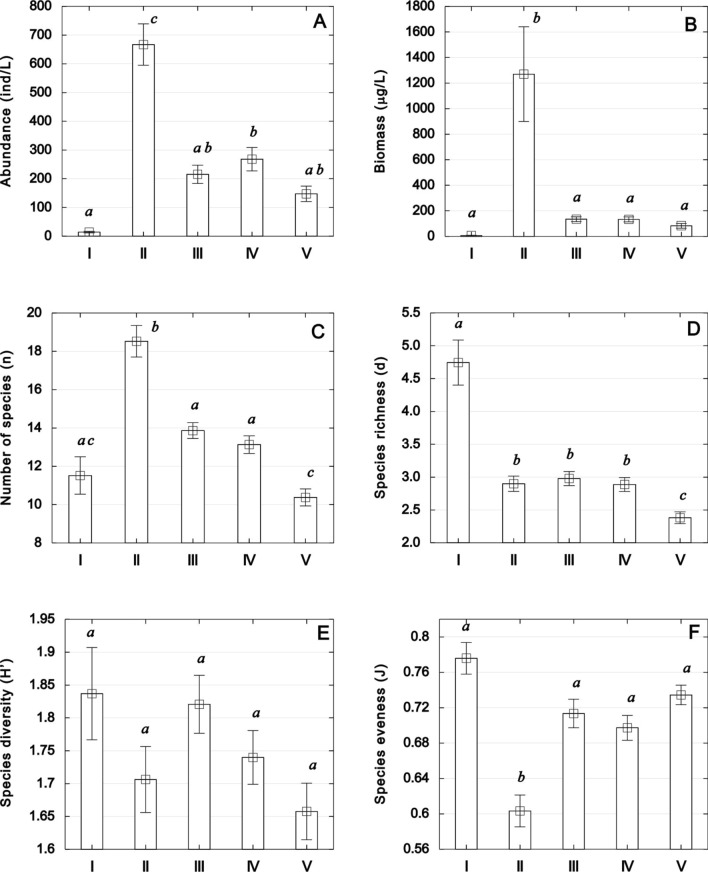
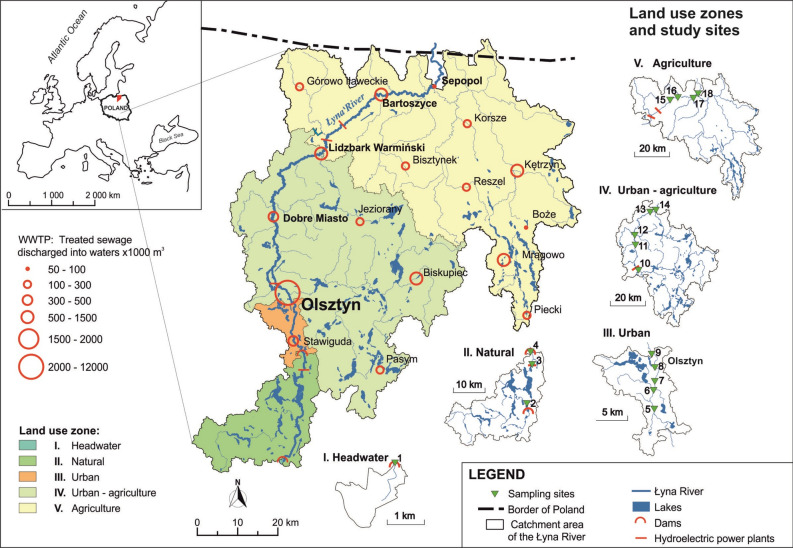
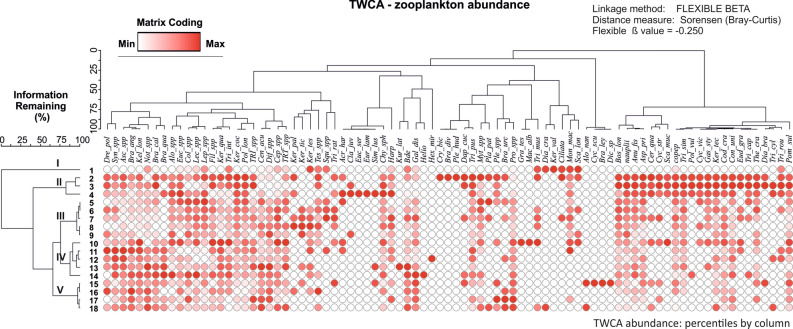
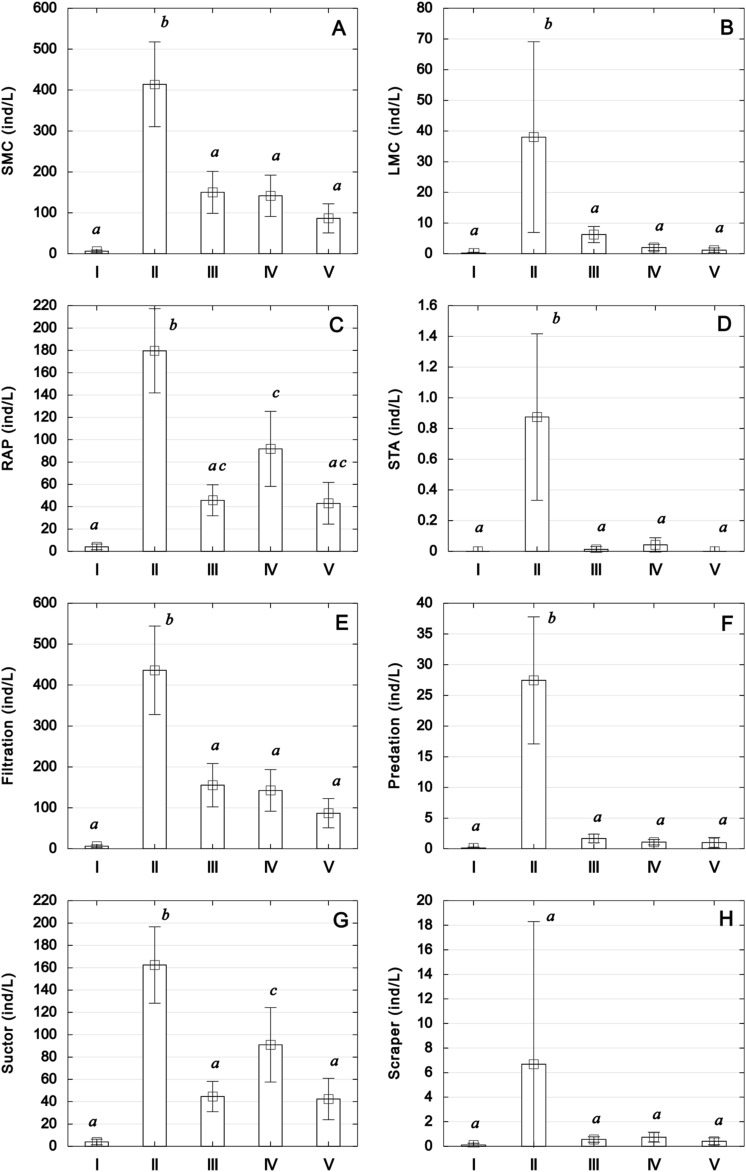
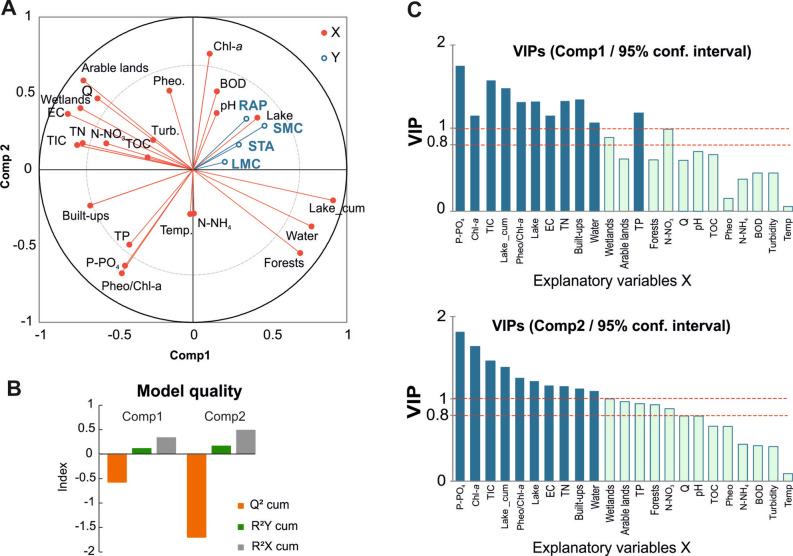
Zooplankton are critical indicators of pressures impacting freshwater ecosystems. We analyzed the response of zooplankton communities across different sub-catchment types-headwaters, natural, urban, urban-agricultural, and agricultural-within the Łyna river-lake system in Northern Poland. Using taxonomic groups and functional traits (body size, feeding strategies), we applied Partial Least Squares Regression (PLS-R) to elucidate the relationships between environmental conditions, land use, and zooplankton metacommunity structure. Two-Way Cluster Analysis (TWCA) identified local subsets with characteristic patterns, while Indicator Species Analysis (ISA) determined area-specific taxa. The natural river zone exhibited significant habitat heterogeneity and feeding niches, whereas urban areas created functional homogenization of zooplankton, dominated by small, broad-diet microphages. Agricultural areas promoted diversity among large filter feeders (Crustacea), active suctors (Rotifera), and amoebae (Protozoa). However, intensified agricultural activities, substantially diminished the zooplankton population, biomass, taxonomic richness, and overall ecosystem functionality. The impact of land cover change is more pronounced at small-scale sub-catchments than at the catchment level as a whole. Therefore, assessing these impacts requires detailed spatial and temporal analysis at the sub-catchment level to identify the most affected areas. This study introduces a new sub-catchment-based perspective on ecosystem health assessment and underscores the zooplankton's role as robust indicators of ecological change.
浮游动物是影响淡水生态系统压力的关键指标。我们分析了波兰北部利纳河 - 湖泊系统中不同子流域类型(源头、自然、城市、城市 - 农业和农业)的浮游动物群落的响应。利用分类类群和功能性状(体型、摄食策略),我们应用偏最小二乘回归(PLS - R)来阐明环境条件、土地利用与浮游动物集合群落结构之间的关系。双向聚类分析(TWCA)确定了具有特征模式的局域子集,而指示物种分析(ISA)确定了特定区域的分类单元。天然河域表现出显著的栖息地异质性和摄食生态位,而城市区域使浮游动物功能同质化,以小型、广食性的微型吞噬者为主。农业区域促进了大型滤食者(甲壳纲)、活跃的吸管虫(轮虫纲)和变形虫(原生动物)之间的多样性。然而,强化的农业活动大幅减少了浮游动物的数量、生物量、分类丰富度和整体生态系统功能。土地覆盖变化的影响在小尺度子流域比在整个流域层面更为明显。因此,评估这些影响需要在子流域层面进行详细的时空分析,以确定受影响最严重的区域。本研究引入了一种基于子流域的生态系统健康评估新视角,并强调了浮游动物作为生态变化有力指标的作用。