Jadav Radhika Kiritsinh, Yee Kwang Choon, Turner Murray, Mortazavi Reza
Faculty of Health, University of Canberra, Canberra, ACT 2617, Australia.
Healthcare (Basel). 2024 Aug 4;12(15):1542. doi: 10.3390/healthcare12151542.
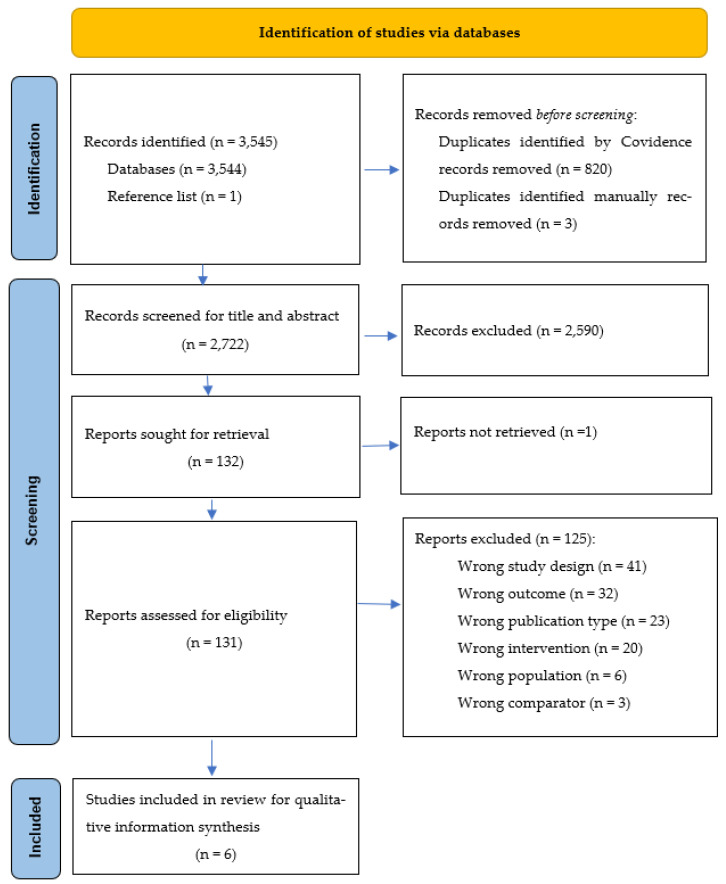
(1) Background: Chronic hyperglycaemia is a cause of vascular damage and other adverse clinical outcomes in type 2 diabetes mellitus (T2DM). Emerging evidence suggests a significant and independent role for glycaemic variability (GV) in contributing to those outcomes. Continuous glucose monitoring (CGM) provides valuable insights into GV. Unlike in type 1 diabetes mellitus, the use of CGM-derived GV indices has not been widely adopted in the management of T2DM due to the limited evidence of their effectiveness in predicting clinical outcomes. This study aimed to explore the associations between GV metrics and short- or long-term vascular and clinical complications in T2DM. (2) Methods: A rapid literature review was conducted using the Cochrane Library, MEDLINE, and Scopus databases to seek high-level evidence. Lower-quality studies such as cross-sectional studies were excluded, but their content was reviewed. (3) Results: Six studies (five prospective cohort studies and one clinical trial) reported associations between GV indices (coefficient of variation (CV), standard deviation (SD), Mean Amplitude of Glycaemic Excursions (MAGE), Time in Range (TIR), Time Above Range (TAR), and Time Below Range (TBR)), and clinical complications. However, since most evidence came from moderate to low-quality studies, the results should be interpreted with caution. (4) Conclusions: Limited but significant evidence suggests that GV indices may predict clinical compilations in T2DM both in the short term and long term. There is a need for longitudinal studies in larger and more diverse populations, longer follow-ups, and the use of numerous CGM-derived GV indices while collecting information about all microvascular and macrovascular complications.
(1)背景:慢性高血糖是2型糖尿病(T2DM)血管损伤及其他不良临床结局的一个原因。新出现的证据表明血糖变异性(GV)在导致这些结局方面发挥着重要且独立的作用。连续血糖监测(CGM)能提供有关GV的宝贵见解。与1型糖尿病不同,由于基于CGM得出的GV指标在预测临床结局方面有效性的证据有限,其在T2DM管理中的应用尚未得到广泛采用。本研究旨在探讨T2DM中GV指标与短期或长期血管及临床并发症之间的关联。(2)方法:使用Cochrane图书馆、MEDLINE和Scopus数据库进行快速文献综述以寻找高级别证据。排除了诸如横断面研究等质量较低的研究,但对其内容进行了审查。(3)结果:六项研究(五项前瞻性队列研究和一项临床试验)报告了GV指标(变异系数(CV)、标准差(SD)、血糖波动幅度均值(MAGE)、血糖在目标范围内时间(TIR)、高于目标范围时间(TAR)和低于目标范围时间(TBR))与临床并发症之间的关联。然而,由于大多数证据来自中等质量或低质量研究,结果应谨慎解读。(4)结论:有限但显著的证据表明,GV指标可能在短期和长期内预测T2DM的临床并发症。需要在更大且更多样化的人群中进行纵向研究,进行更长时间的随访,并在收集所有微血管和大血管并发症信息的同时使用多种基于CGM得出的GV指标。