Ghazanfar Shahina A
Royal Botanic Gardens Kew, Richmond TW9 3AE, UK.
Plants (Basel). 2024 Jul 28;13(15):2091. doi: 10.3390/plants13152091.
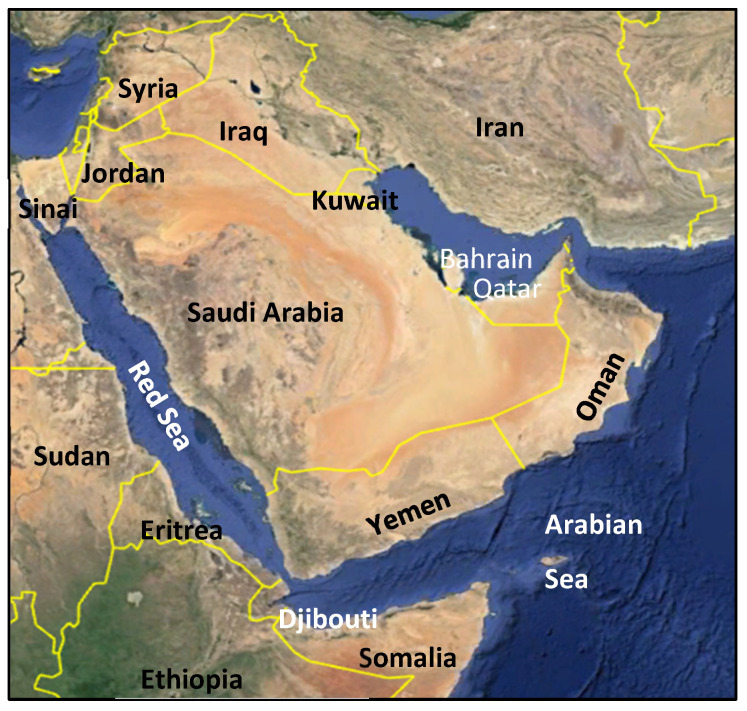
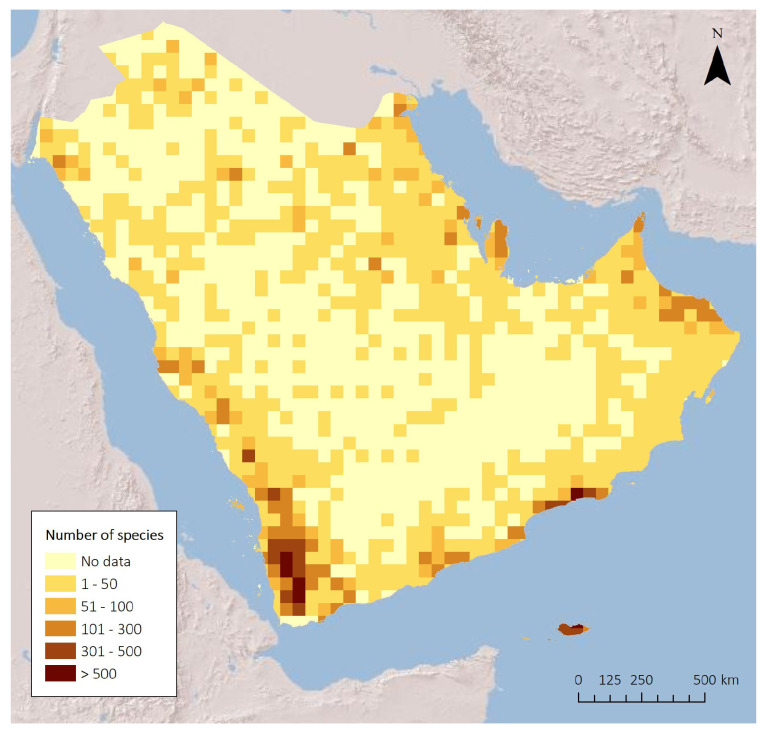
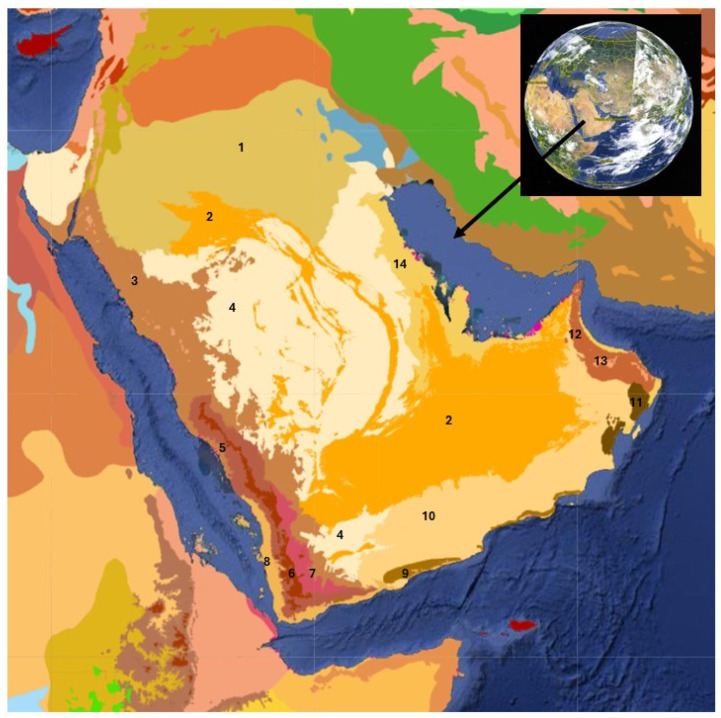
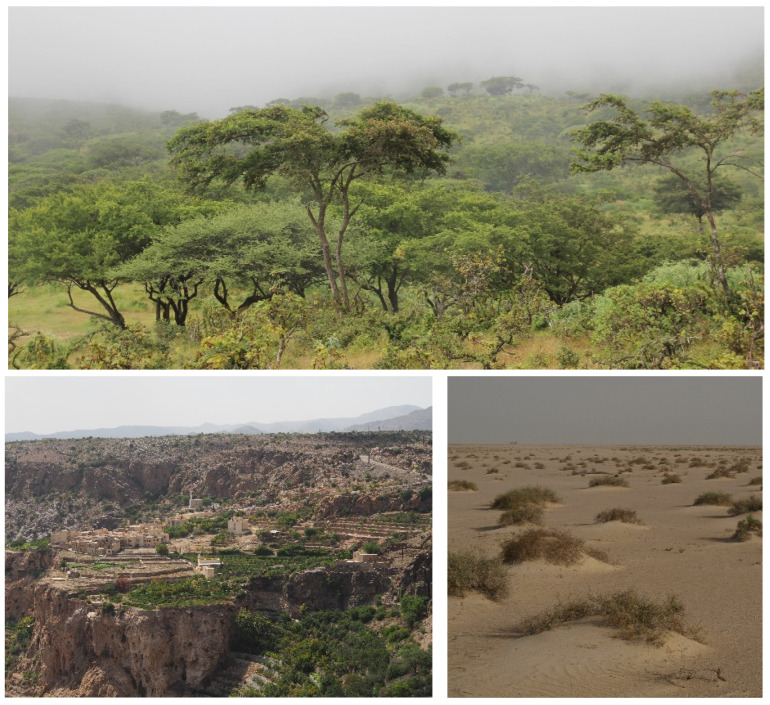
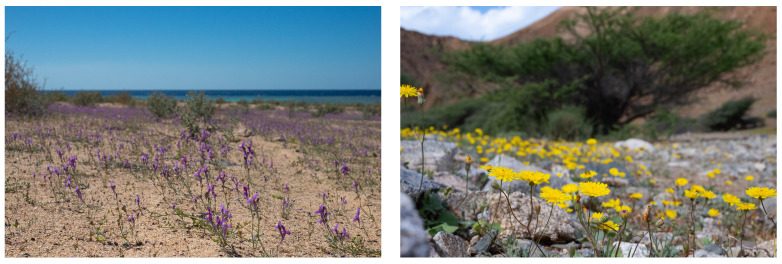
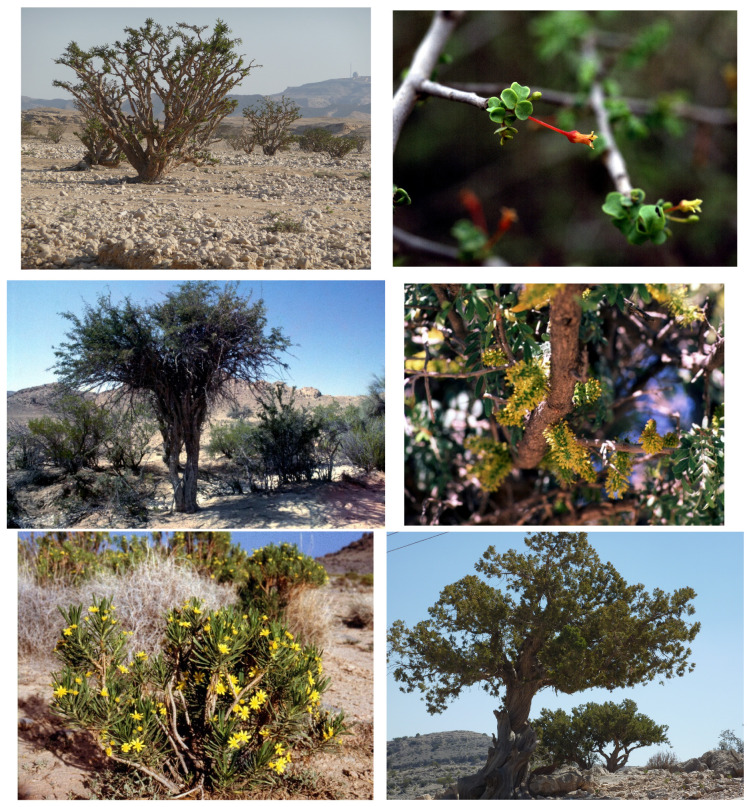
The Arabian Peninsula, with its rugged mountains, wadis, alluvial plains, sand dune deserts, and diverse coastlines, spans over 3 million km. The Peninsula is situated at the crossroads of Africa and Asia and is a meeting point for diverse biogeographic realms, including the Palearctic, Afrotropical, and Indomalayan regions. This convergence of biogeographic zones has resulted in a remarkably diverse flora and fauna, which is adapted to the harsh and varied climates found throughout the Peninsula. Each of the countries of the Arabian Peninsula are biologically diverse and unique in their own right, but Yemen, Saudi Arabia, and Oman are the most diverse in terms of their landforms and biological diversity. The mountainous regions support a cooler and more moderate climate compared to the surrounding lowlands, thus forming unique ecosystems that function as refugia for plant and animal species, and have a high endemism of plant species. The desert ecosystems support a variety of lifeforms that are specially adapted to an extreme arid climate. Due to its long history of human habitation and subsistence agriculture, particularly in the mountainous areas, the Arabian Peninsula possesses unique crop varieties adapted to extreme arid climates, making them important genetic resources for the future in the face of climate change. The Arabian Peninsula, though rich and diverse in its biological diversity, has been greatly affected by human activities, especially in the last 50 years, including urbanization, habitat destruction, overgrazing, and climate change, which pose significant threats to the biodiversity of the region. This review presents the biogeography and background of conservation efforts made in the countries in the Arabian Peninsula and gives the progress made in botanical research and conservation practices throughout the Peninsula.
阿拉伯半岛拥有崎岖的山脉、干涸河谷、冲积平原、沙丘沙漠和多样的海岸线,面积超过300万平方公里。该半岛位于非洲和亚洲的十字路口,是包括古北界、热带界和东洋界在内的多种生物地理区域的交汇点。生物地理区域的这种交汇导致了极为多样的动植物群,它们适应了半岛各地恶劣多变的气候。阿拉伯半岛的每个国家在生物方面都各具特色且独一无二,但也门、沙特阿拉伯和阿曼在地形和生物多样性方面最为多样。与周边低地相比,山区气候更凉爽、更温和,从而形成了独特的生态系统,这些生态系统成为动植物物种的避难所,且植物物种的特有性很高。沙漠生态系统支持着各种特别适应极端干旱气候的生命形式。由于其悠久的人类居住和自给农业历史,特别是在山区,阿拉伯半岛拥有适应极端干旱气候的独特作物品种,使其成为面对气候变化时未来重要的遗传资源。阿拉伯半岛虽然生物多样性丰富多样,但受到人类活动的极大影响,尤其是在过去50年里,包括城市化、栖息地破坏、过度放牧和气候变化,这些对该地区的生物多样性构成了重大威胁。本综述介绍了阿拉伯半岛各国的生物地理学和保护工作背景,并阐述了整个半岛在植物研究和保护实践方面取得的进展。