Division of Hematology and Oncology, Department of Medicine, School of Medicine, Loma Linda University, Loma Linda, CA 92354, USA.
Division Regenerative Medicine, Department of Medicine, School of Medicine, Loma Linda University, Loma Linda, CA 92354, USA.
Int J Mol Sci. 2024 Aug 5;25(15):8532. doi: 10.3390/ijms25158532.
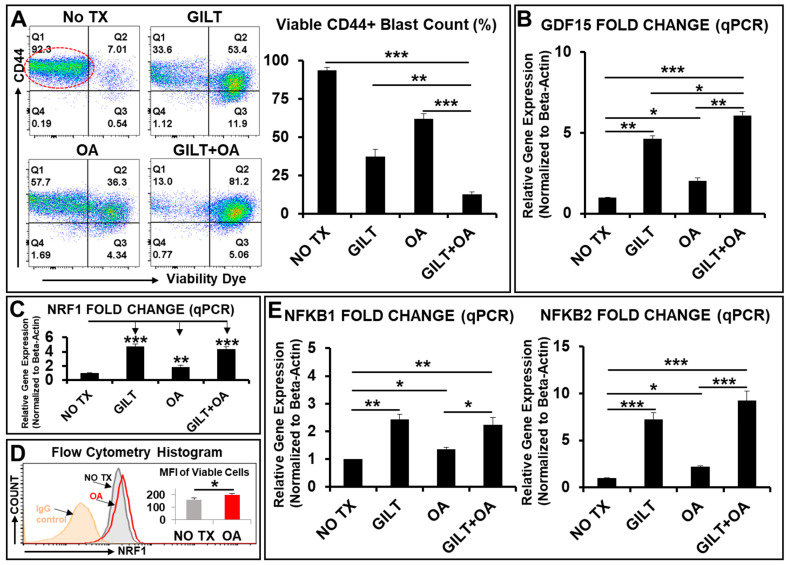
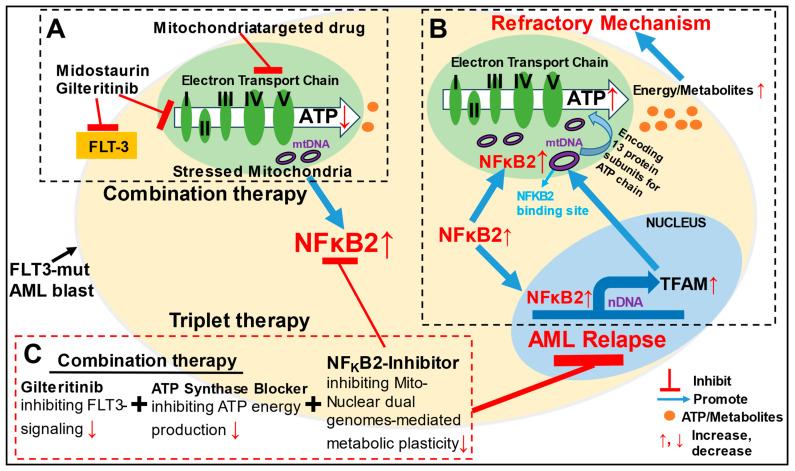
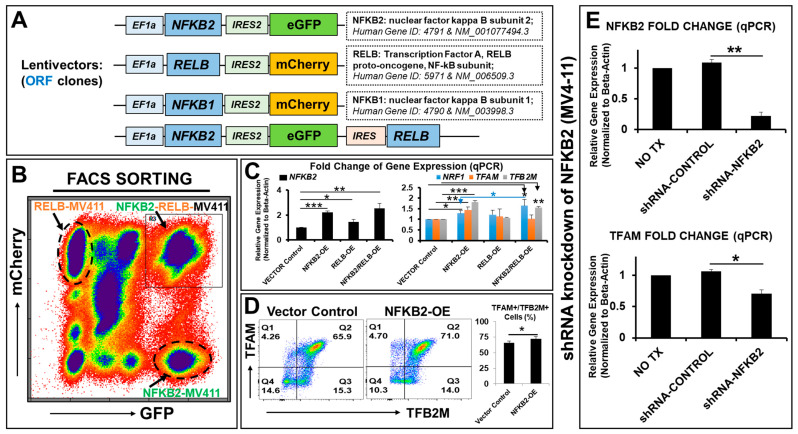
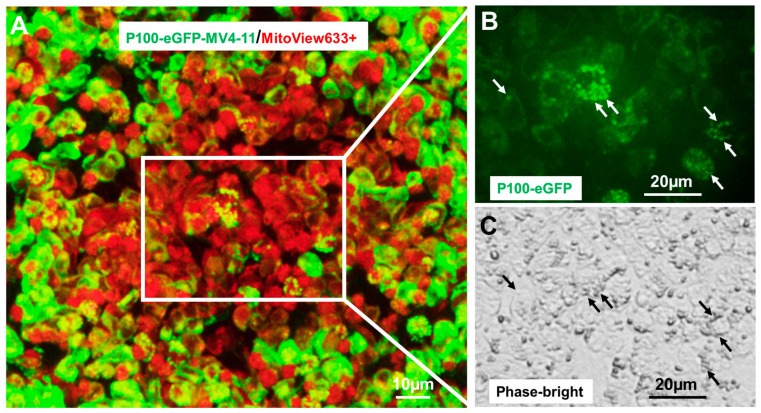
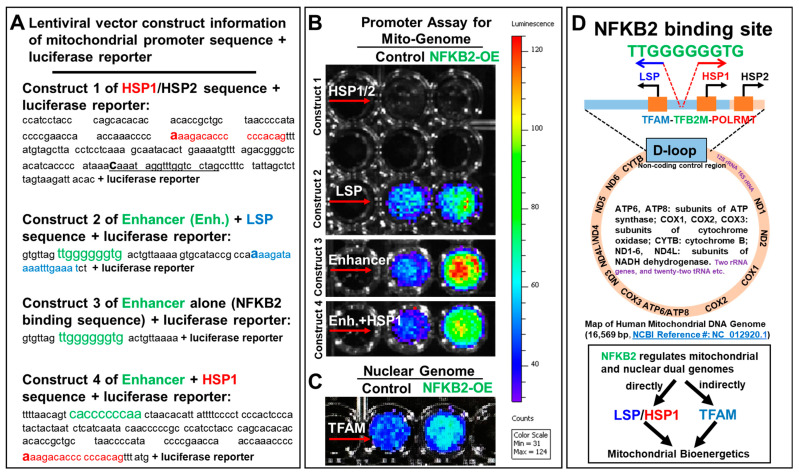
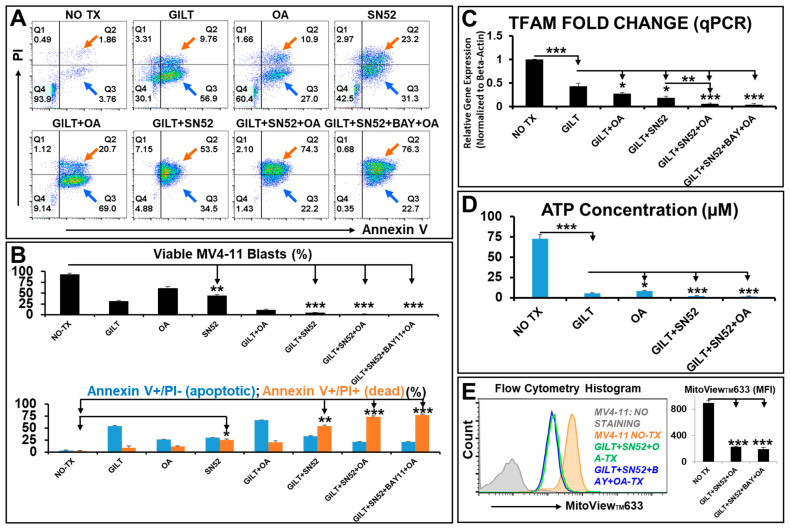
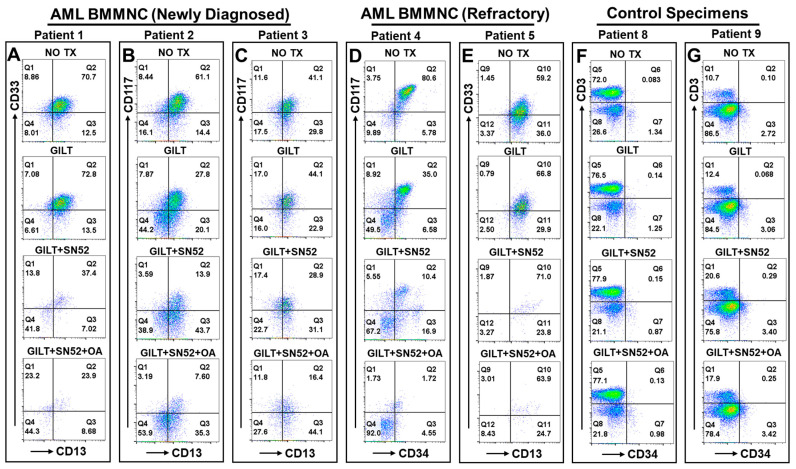
Acute myeloid leukemia (AML) has a poor survival rate for both pediatric and adult patients due to its frequent relapse. To elucidate the bioenergetic principle underlying AML relapse, we investigated the transcriptional regulation of mitochondrial-nuclear dual genomes responsible for metabolic plasticity in treatment-resistant blasts. Both the gain and loss of function results demonstrated that NFκB2, a noncanonical transcription factor (TF) of the NFκB (nuclear factor kappa-light-chain-enhancer of activated B cells) family, can control the expression of TFAM (mitochondrial transcription factor A), which is known to be essential for metabolic biogenesis. Furthermore, genetic tracking and promoter assays revealed that NFκB2 is in the mitochondria and can bind the specific "TTGGGGGGTG" region of the regulatory D-loop domain to activate the light-strand promoter (LSP) and heavy-strand promoter 1 (HSP1), promoters of the mitochondrial genome. Based on our discovery of NFκB2's novel function of regulating mitochondrial-nuclear dual genomes, we explored a novel triplet therapy including inhibitors of NFκB2, tyrosine kinase, and mitochondrial ATP synthase that effectively eliminated primary AML blasts with mutations of the FMS-related receptor tyrosine kinase 3 () and displayed minimum toxicity to control cells ex vivo. As such, effective treatments for AML must include strong inhibitory actions on the dual genomes mediating metabolic plasticity to improve leukemia prognosis.
急性髓系白血病(AML)在儿科和成人患者中的生存率都很差,因为它经常复发。为了阐明导致 AML 复发的生物能量学原理,我们研究了负责代谢可塑性的线粒体-核双基因组的转录调控,这些基因在耐药性blasts 中表达。功能获得和功能丧失的结果都表明,NFκB(核因子 kappa-轻链增强子的激活 B 细胞)家族的非典型转录因子 NFκB2 可以控制 TFAM(线粒体转录因子 A)的表达,TFAM 对于代谢生物发生是必不可少的。此外,遗传追踪和启动子分析表明,NFκB2 位于线粒体中,可以结合调控 D 环区域的特异性“TTGGGGGGTG”区域,激活线粒体基因组的轻链启动子(LSP)和重链启动子 1(HSP1)。基于我们对 NFκB2 调节线粒体-核双基因组的新功能的发现,我们探索了一种新的三联疗法,包括 NFκB2、酪氨酸激酶和线粒体 ATP 合酶抑制剂,该疗法有效地消除了具有 FMS 相关受体酪氨酸激酶 3()突变的原发性 AML blasts,并显示出对体外对照细胞的最小毒性。因此,AML 的有效治疗必须包括对介导代谢可塑性的双基因组进行强烈抑制作用,以改善白血病预后。