Department of Nuclear Medicine, Affiliated Hospital of North Sichuan Medical College North Sichuan Medical College, Nanchong, 637000, People's Republic of China.
School of Health Management, Xihua University, Chengdu, 610039, People's Republic of China.
Drug Des Devel Ther. 2024 Aug 5;18:3499-3521. doi: 10.2147/DDDT.S470210. eCollection 2024.
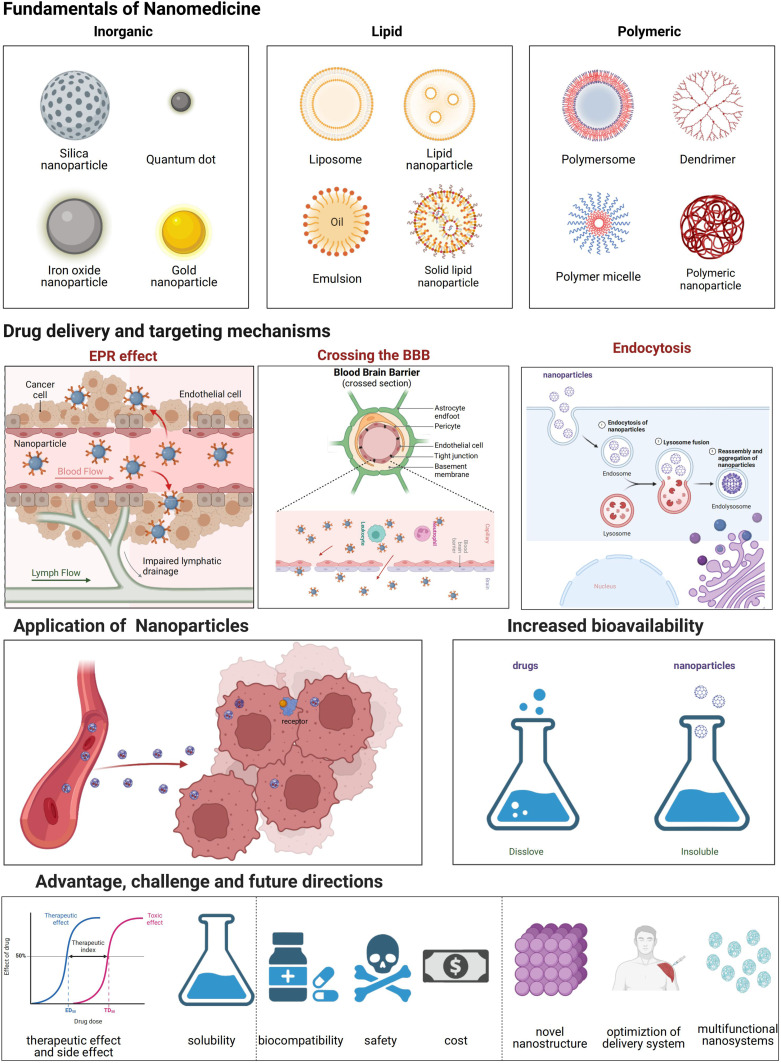
Nanomedicine represents a transformative approach in biomedical applications. This study aims to delineate the application of nanomedicine in the biomedical field through the strengths, weaknesses, opportunities, and threats (SWOT) analysis to evaluate its efficacy and potential in clinical applications.
The SWOT analysis framework was employed to systematically review and assess the internal strengths and weaknesses, along with external opportunities and threats of nanomedicine. This method provides a balanced consideration of the potential benefits and challenges.
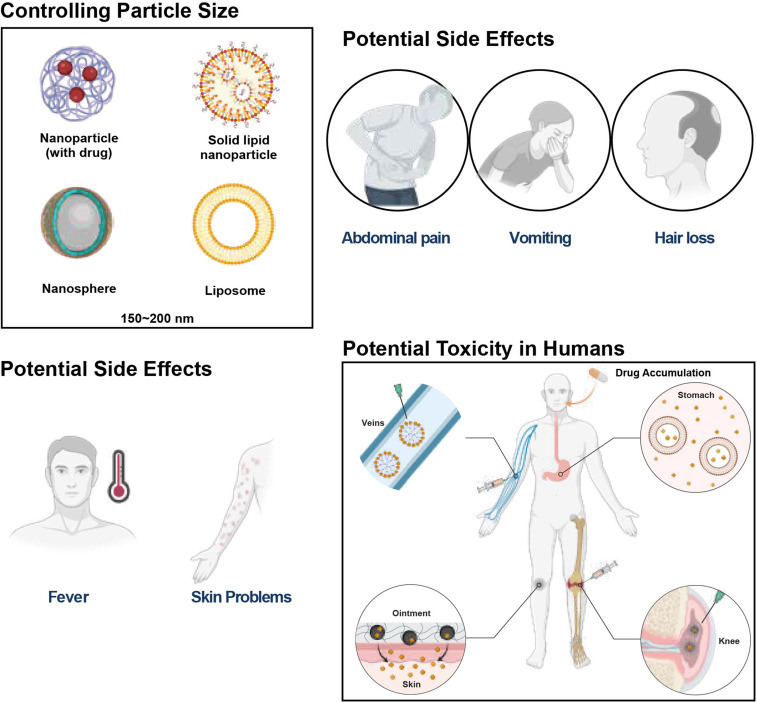
Findings from the SWOT analysis indicate that nanomedicine presents significant potential in drug delivery, diagnostic imaging, and tissue engineering. Nonetheless, it faces substantial hurdles such as safety issues, environmental concerns, and high development costs. Critical areas for development were identified, particularly concerning its therapeutic potential and the uncertainties surrounding long-term effects.
Nanomedicine holds substantial promise in driving medical innovation. However, successful clinical translation requires addressing safety, cost, and regulatory challenges. Interdisciplinary collaboration and comprehensive strategic planning are crucial for the safe and effective application of nanomedicine.
纳米医学在生物医学应用中代表了一种变革性的方法。本研究旨在通过强弱分析、机会和威胁(SWOT)分析来阐述纳米医学在生物医学领域的应用,以评估其在临床应用中的功效和潜力。
采用 SWOT 分析框架系统地回顾和评估了纳米医学的内部优势和劣势,以及外部机遇和威胁。这种方法提供了对潜在收益和挑战的平衡考虑。
SWOT 分析的结果表明,纳米医学在药物输送、诊断成像和组织工程方面具有巨大的潜力。然而,它面临着安全性问题、环境问题和高开发成本等重大障碍。确定了需要发展的关键领域,特别是关于其治疗潜力和长期影响的不确定性。
纳米医学在推动医学创新方面具有巨大的潜力。然而,成功的临床转化需要解决安全性、成本和监管方面的挑战。跨学科合作和全面的战略规划对于纳米医学的安全有效应用至关重要。