O'Brien Nicole F, Tshimanga Taty
Nationwide Children's Hospital, The Ohio State University, Columbus, Ohio.
Hopital Pediatrique de Kalembe Lembe, Universite de Kinshasa, Kinshasa, Democratic Republic of the Congo.
Am J Trop Med Hyg. 2024 Aug 13;111(4):780-784. doi: 10.4269/ajtmh.24-0332. Print 2024 Oct 2.
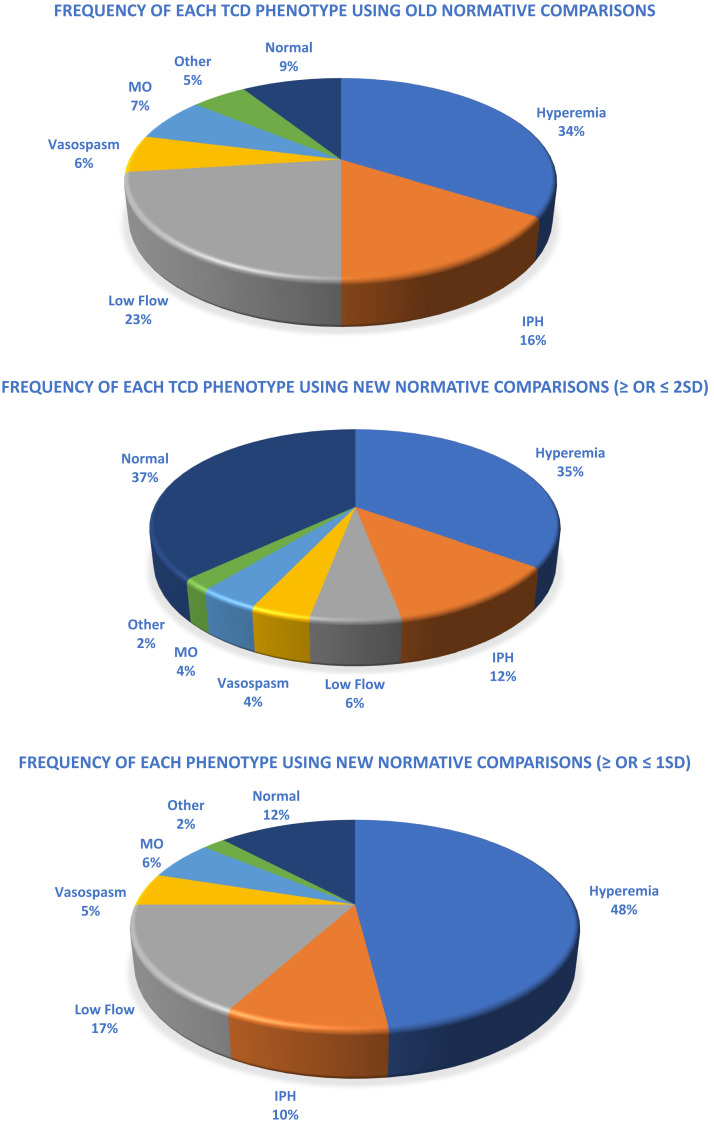
Cerebral malaria (CM) is a devastating disease globally. Transcranial Doppler ultrasound (TCD) has identified five different phenotypes of deranged cerebrovascular hemodynamics in children with CM, each associated with different outcomes. For TCD to be used as a point of care neurodiagnostic and neuromonitoring tool in CM patients, proper interpretation of examinations is paramount. Comparison of measured cerebral blood flow velocities (CBFVs) to age-matched normative values is needed to interpret any pediatric TCD study. Until recently, normative values in African children did not exist, so previous work reported the frequency of CM phenotypes by classifying studies compared with normative values of European children. Now that normative TCD values in healthy African children have been established, we performed this retrospective analysis of prospectively collected data to determine phenotype frequency and associated outcomes in children with CM by comparing CBFV values to these contemporary controls.
脑型疟疾(CM)在全球范围内都是一种毁灭性疾病。经颅多普勒超声(TCD)已识别出CM患儿脑血管血流动力学紊乱的五种不同表型,每种表型都与不同的预后相关。为了将TCD用作CM患者的床旁神经诊断和神经监测工具,对检查结果进行正确解读至关重要。解读任何儿科TCD研究都需要将测得的脑血流速度(CBFV)与年龄匹配的正常值进行比较。直到最近,非洲儿童还没有正常值,因此之前的研究通过将研究与欧洲儿童的正常值进行比较来报告CM表型的频率。既然已经确定了健康非洲儿童的TCD正常值,我们对前瞻性收集的数据进行了这项回顾性分析,通过将CBFV值与这些当代对照进行比较,以确定CM患儿的表型频率和相关预后。