Loardi Claudia Maria, Zanobini Marco, Vermes Emmanuelle, Mancini Maria Elisabetta, Bernard Anne, Tribouilloy Christophe
Department of Cardiac Surgery, Tours University Hospital, 37044 Tours, France.
Department of Cardiovascular Surgery, Centro Cardiologico Monzino IRCCS, 20138 Milan, Italy.
Rev Cardiovasc Med. 2024 Jul 5;25(7):248. doi: 10.31083/j.rcm2507248. eCollection 2024 Jul.
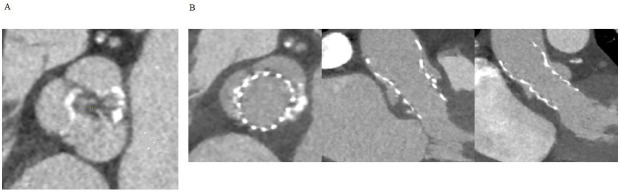
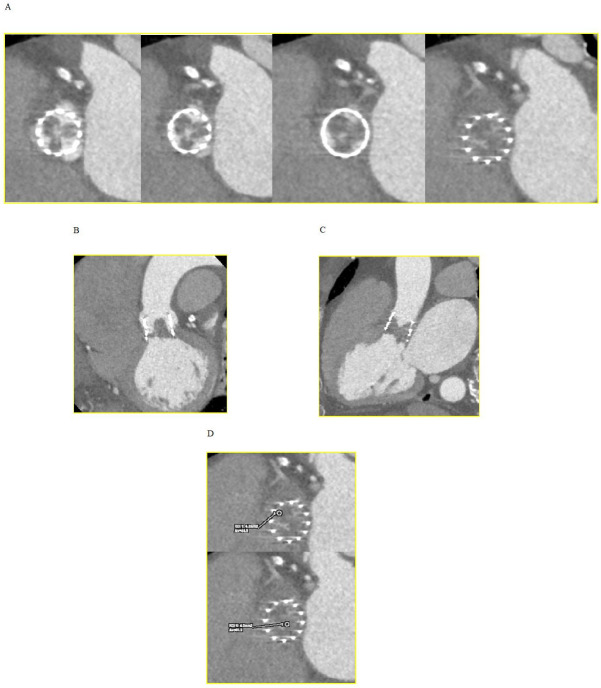
The proliferation of transcatheter aortic valve implantation has alerted clinicians to a specific type of prosthetic degeneration represented by thrombosis. The pathogenesis of this clinical or subclinical phenomenon, which can occur in up to 15% of both surgical and percutaneous procedures, is poorly understood, as is its potential impact on patient prognosis and long-term bioprosthesis durability. Based on this lack of knowledge about the real meaning and importance of bioprosthetic valve thrombosis, the aim of the present review is to draw the clinicians' attention to its existence, starting from the description of predisposing factors that may require a closer follow-up in such categories of patients, to an in-depth overview of all available imaging modalities with their respective pros and cons. Finally, a glimpse into the future of technology and biomarker development is presented. The hope is to increase the rate of bioprosthetic diagnosis, especially of the subclinical one, in order to understand (thanks to a strict and prolonged follow-up) if it can only be considered as an incidental tomographic entity without significant clinical consequences, or, on the contrary, if it is associated with neurological events or accelerated bioprosthetic degeneration. Nevertheless, despite the technical advances of echocardiography and cardiac tomography in terms of accurate bioprosthesis thrombosis detection, several diagnostic and therapeutic issues remain unresolved, including possible prevention strategies, tailored treatment protocols, and follow-up modalities.
经导管主动脉瓣植入术的普及使临床医生开始关注一种以血栓形成表现的特定类型的人工瓣膜退变。这种临床或亚临床现象在外科手术和经皮手术中发生率高达15%,但其发病机制仍知之甚少,其对患者预后和生物人工瓣膜长期耐久性的潜在影响也不清楚。鉴于对生物人工瓣膜血栓形成的真正意义和重要性缺乏了解,本综述的目的是引起临床医生对其存在的关注,首先描述可能需要对此类患者进行密切随访的易感因素,然后深入概述所有可用的成像方式及其各自的优缺点。最后,展望了技术和生物标志物开发的未来。希望提高生物人工瓣膜的诊断率,尤其是亚临床诊断率,以便(通过严格和长期的随访)了解它是否仅可被视为一种无重大临床后果的偶然断层实体,或者相反,它是否与神经系统事件或生物人工瓣膜加速退变有关。然而,尽管超声心动图和心脏断层扫描在准确检测生物人工瓣膜血栓方面取得了技术进步,但仍有几个诊断和治疗问题尚未解决,包括可能的预防策略、定制的治疗方案和随访方式。