The Institute of Cancer Research Chester Beatty Laboratories, 237 Fulham Road, London, SW3 6JB, UK.
EMBO J. 2024 Oct;43(19):4324-4355. doi: 10.1038/s44318-024-00194-2. Epub 2024 Aug 14.
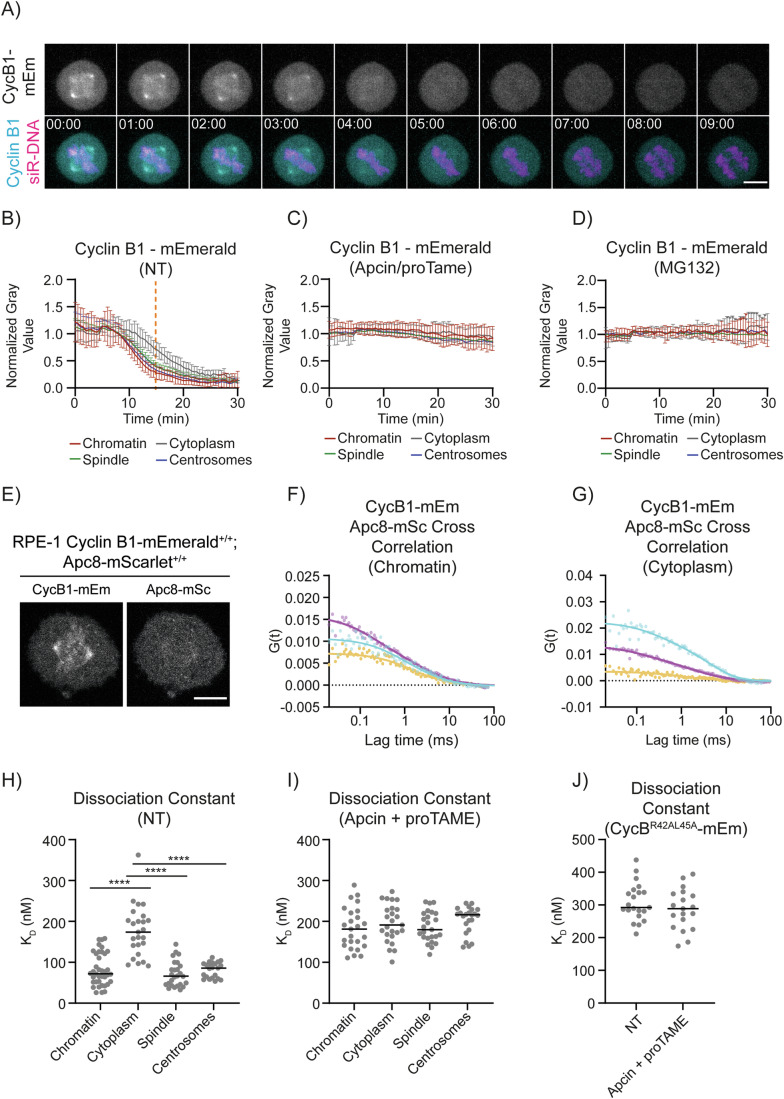
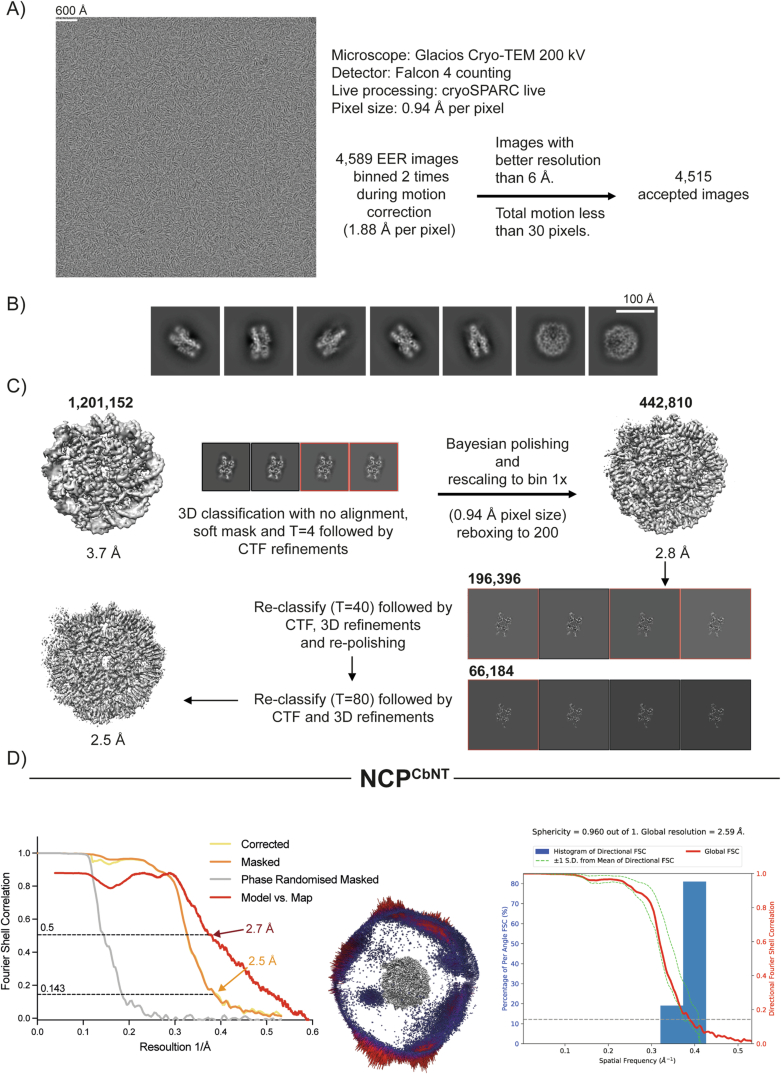
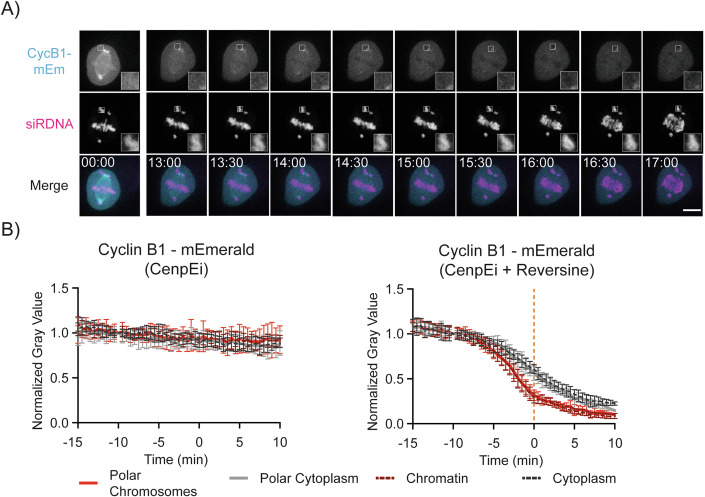
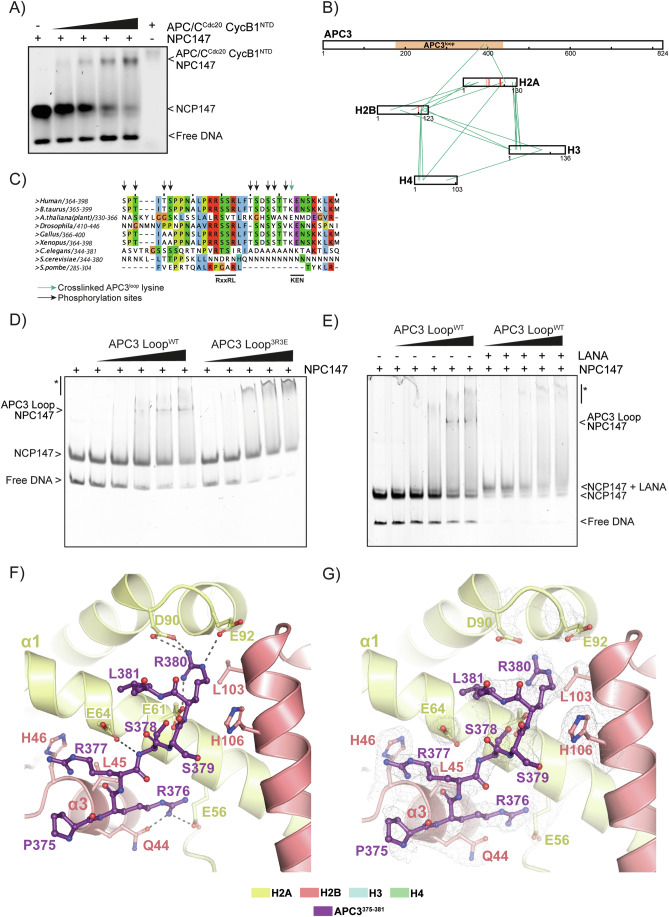
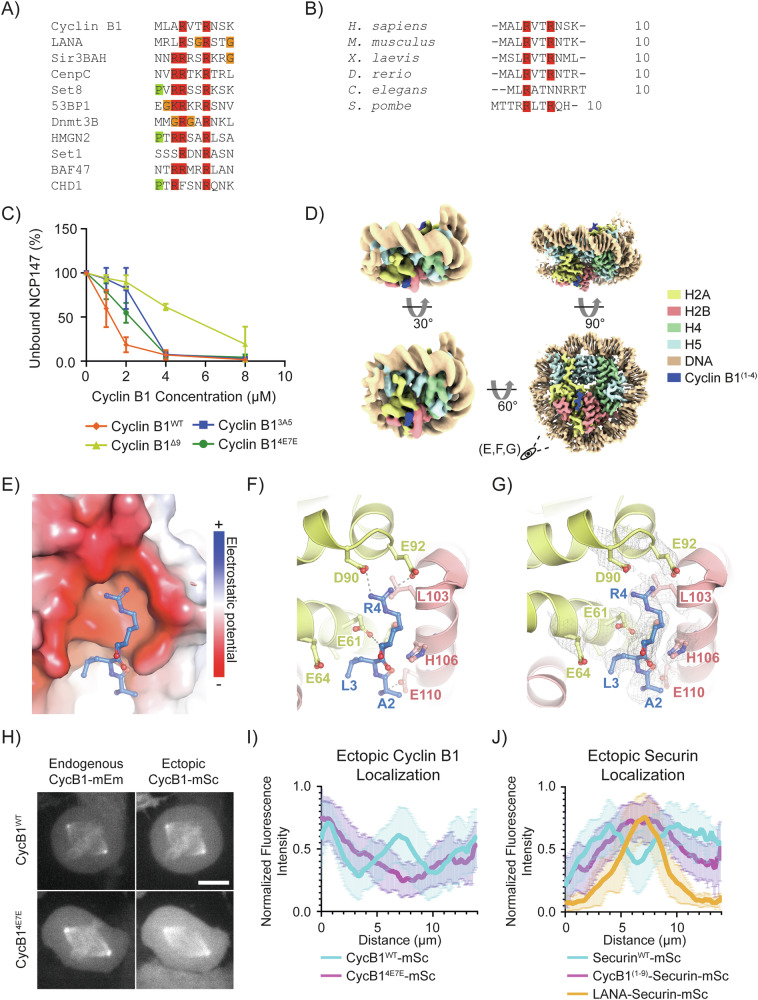
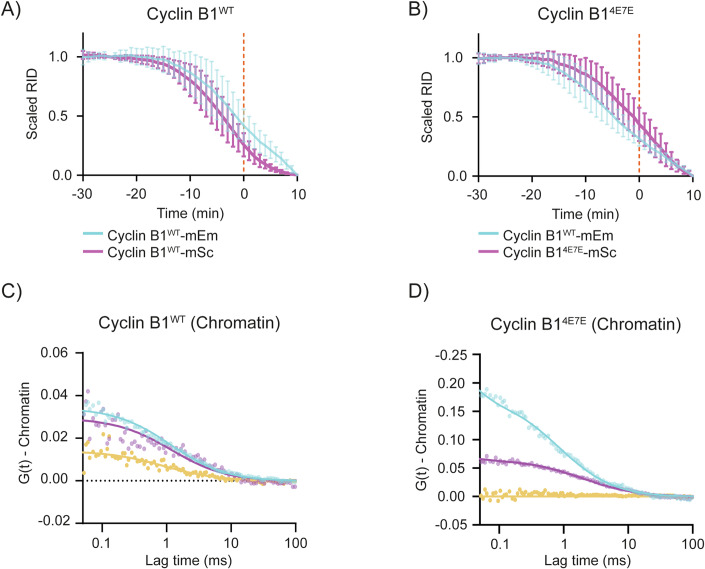
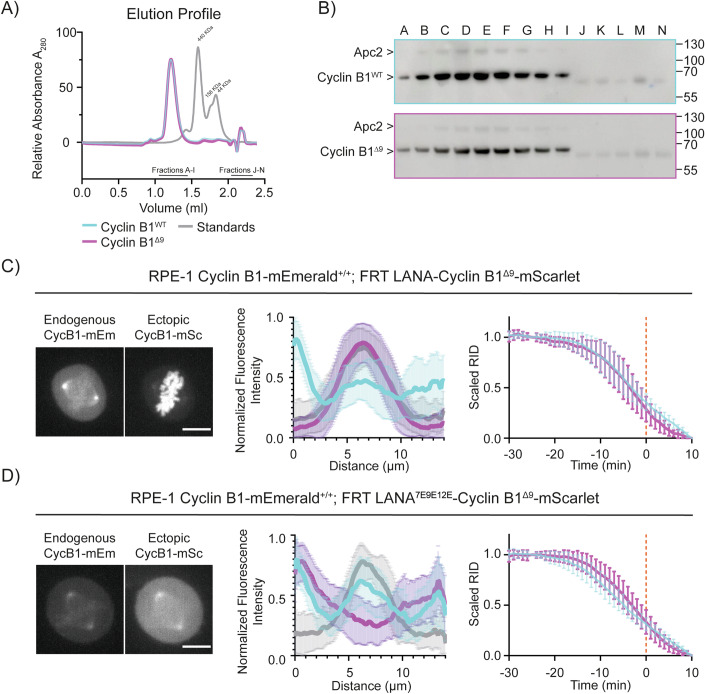
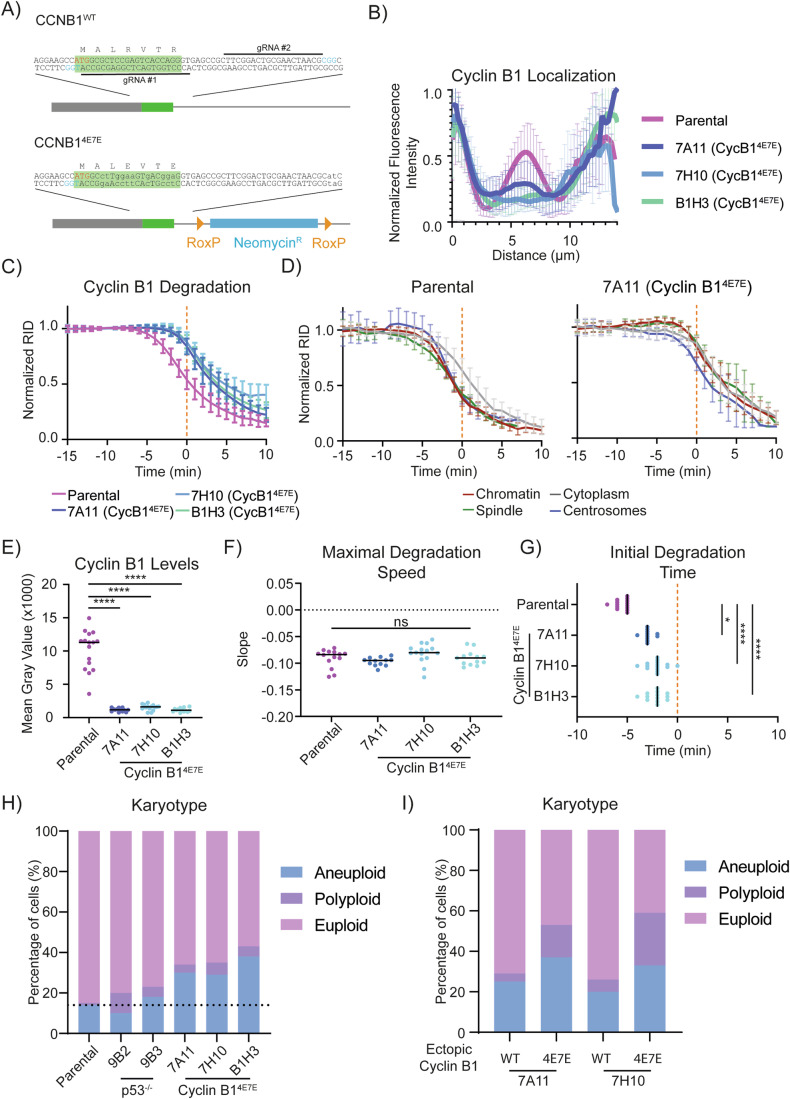
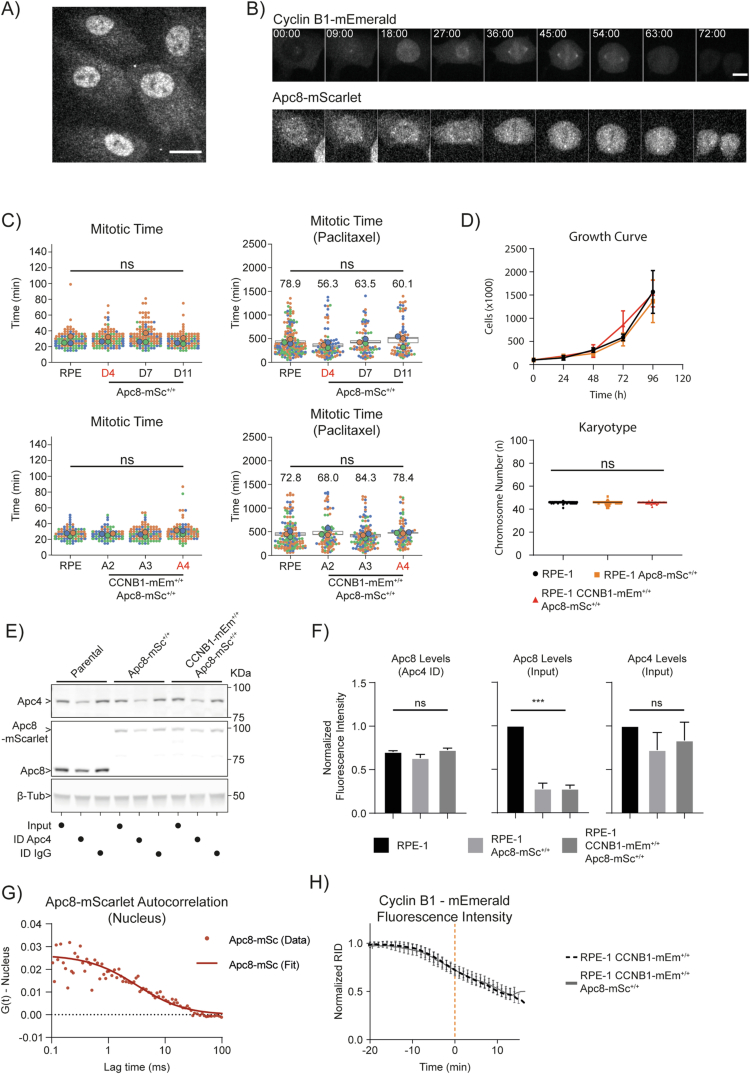
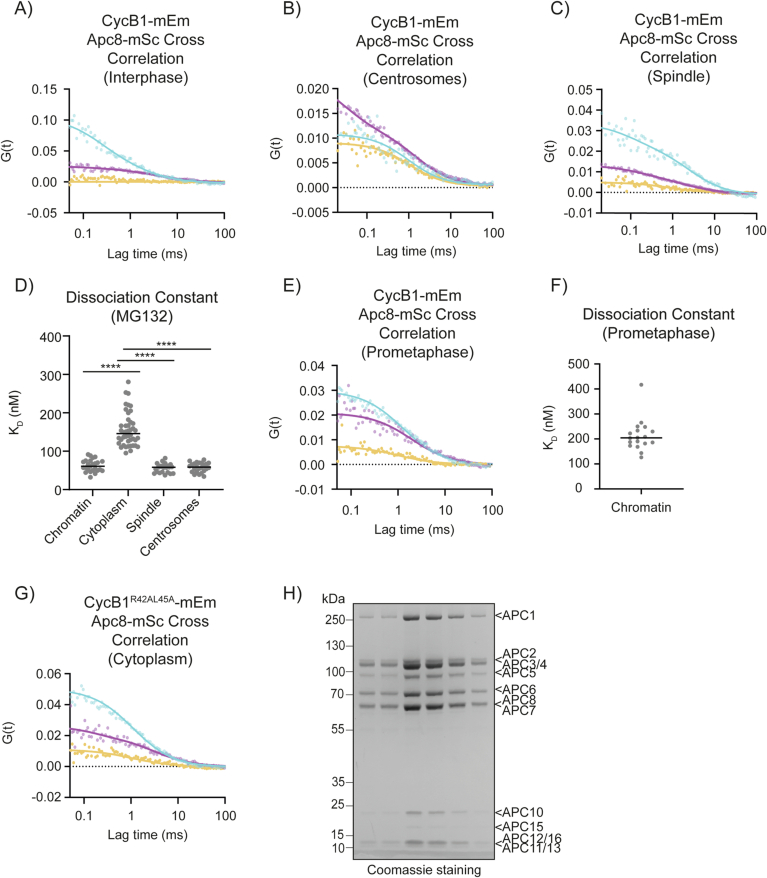
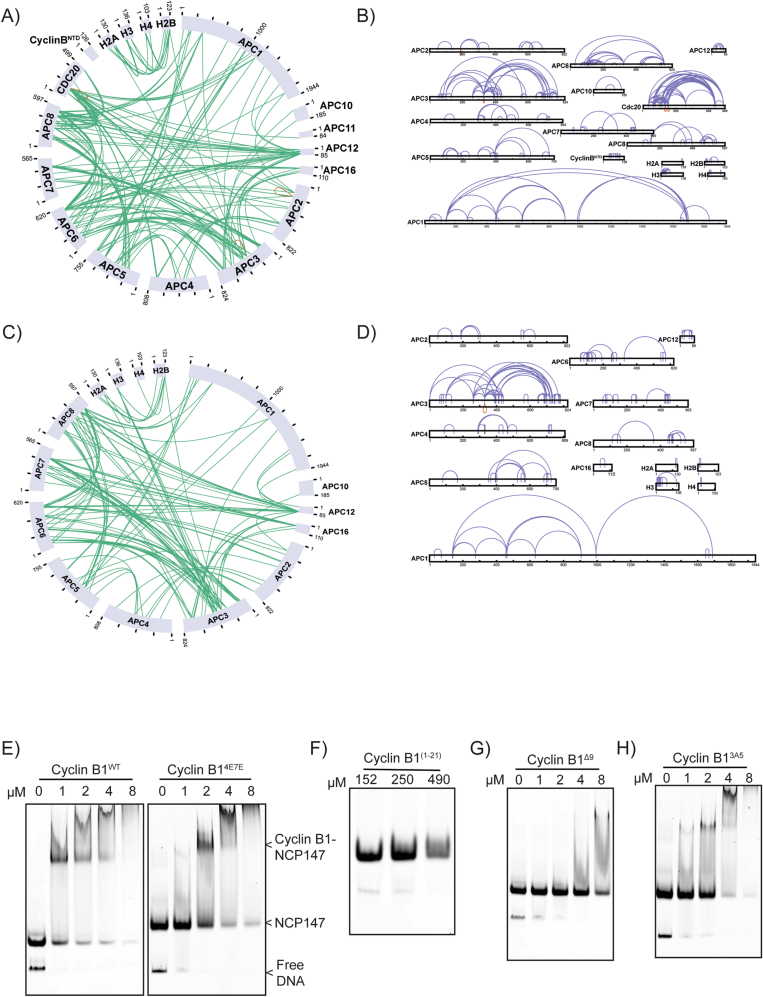
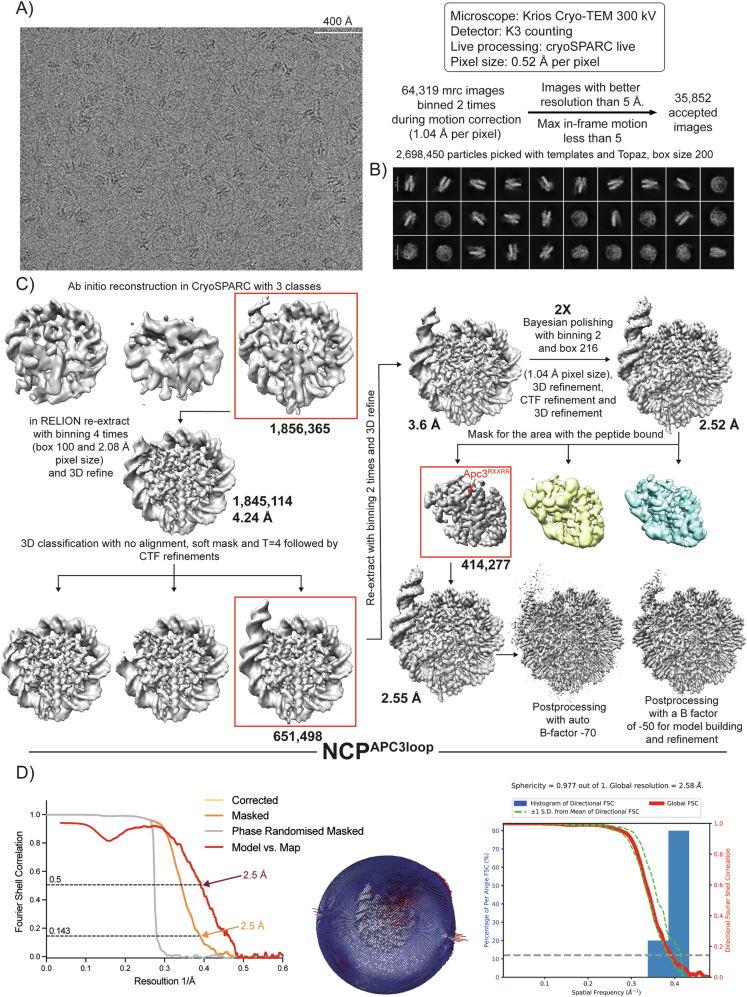
The proper control of mitosis depends on the ubiquitin-mediated degradation of the right mitotic regulator at the right time. This is effected by the Anaphase Promoting Complex/Cyclosome (APC/C) ubiquitin ligase that is regulated by the Spindle Assembly Checkpoint (SAC). The SAC prevents the APC/C from recognising Cyclin B1, the essential anaphase and cytokinesis inhibitor, until all chromosomes are attached to the spindle. Once chromosomes are attached, Cyclin B1 is rapidly degraded to enable chromosome segregation and cytokinesis. We have a good understanding of how the SAC inhibits the APC/C, but relatively little is known about how the APC/C recognises Cyclin B1 as soon as the SAC is turned off. Here, by combining live-cell imaging, in vitro reconstitution biochemistry, and structural analysis by cryo-electron microscopy, we provide evidence that the rapid recognition of Cyclin B1 in metaphase requires spatial regulation of the APC/C. Using fluorescence cross-correlation spectroscopy, we find that Cyclin B1 and the APC/C primarily interact at the mitotic apparatus. We show that this is because Cyclin B1, like the APC/C, binds to nucleosomes, and identify an 'arginine-anchor' in the N-terminus as necessary and sufficient for binding to the nucleosome. Mutating the arginine anchor on Cyclin B1 reduces its interaction with the APC/C and delays its degradation: cells with the mutant, non-nucleosome-binding Cyclin B1 become aneuploid, demonstrating the physiological relevance of our findings. Together, our data demonstrate that mitotic chromosomes promote the efficient interaction between Cyclin B1 and the APC/C to ensure the timely degradation of Cyclin B1 and genomic stability.
正确的有丝分裂控制依赖于泛素介导的正确有丝分裂调节剂在正确时间的降解。这是通过纺锤体组装检查点 (SAC) 调节的后期促进复合物/环体 (APC/C) 泛素连接酶来实现的。SAC 防止 APC/C 识别细胞周期蛋白 B1,这是有丝分裂和胞质分裂所必需的抑制剂,直到所有染色体都附着在纺锤体上。一旦染色体附着,细胞周期蛋白 B1 就会迅速降解,以实现染色体分离和胞质分裂。我们对 SAC 如何抑制 APC/C 有了很好的理解,但相对而言,我们对 SAC 关闭后 APC/C 如何迅速识别细胞周期蛋白 B1 知之甚少。在这里,我们通过结合活细胞成像、体外重组生物化学和冷冻电子显微镜结构分析,提供了证据表明 APC/C 的快速识别细胞周期蛋白 B1 在中期需要空间调节。通过荧光相关光谱学,我们发现细胞周期蛋白 B1 和 APC/C 主要在有丝分裂装置上相互作用。我们表明,这是因为细胞周期蛋白 B1 像 APC/C 一样,与核小体结合,并确定 N 端的“精氨酸锚”对于与核小体结合是必要和充分的。在细胞周期蛋白 B1 上突变精氨酸锚减少了其与 APC/C 的相互作用并延迟了其降解:具有突变的、不与核小体结合的细胞周期蛋白 B1 的细胞变得非整倍体,证明了我们发现的生理相关性。总之,我们的数据表明有丝分裂染色体促进细胞周期蛋白 B1 与 APC/C 之间的有效相互作用,以确保细胞周期蛋白 B1 的及时降解和基因组稳定性。