Yong Jing, Wang Dongdong, Yu Huiming
Department of Pharmacy, Nanjing Hospital of Chinese Medicine Affiliated to Nanjing University of Chinese Medicine, Nanjing, China.
Department of Oncology, Yancheng First Hospital, Affiliated Hospital of Nanjing University Medical School, The First People's Hospital of Yancheng, Yancheng, China.
Transl Cancer Res. 2024 Jul 31;13(7):3217-3241. doi: 10.21037/tcr-23-2332. Epub 2024 Jul 17.
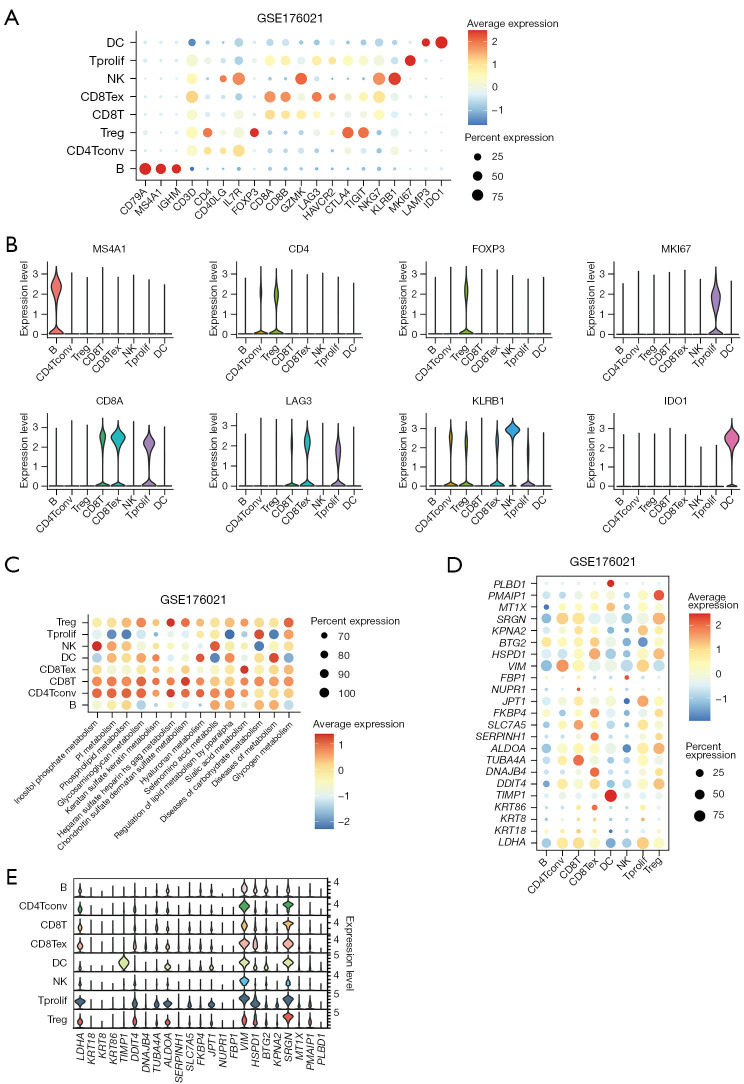
Lung adenocarcinoma (LUAD) stands as the most prevalent histological subtype of lung cancer, exhibiting heterogeneity in outcomes and diverse responses to therapy. CD8 T cells are consistently present throughout all stages of tumor development and play a pivotal role within the tumor microenvironment (TME). Our objective was to investigate the expression profiles of CD8 T cell marker genes, establish a prognostic risk model based on these genes in LUAD, and explore its relationship with immunotherapy response.
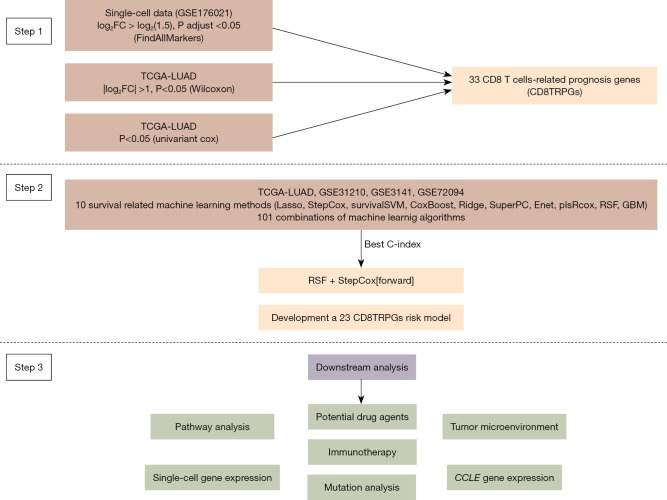
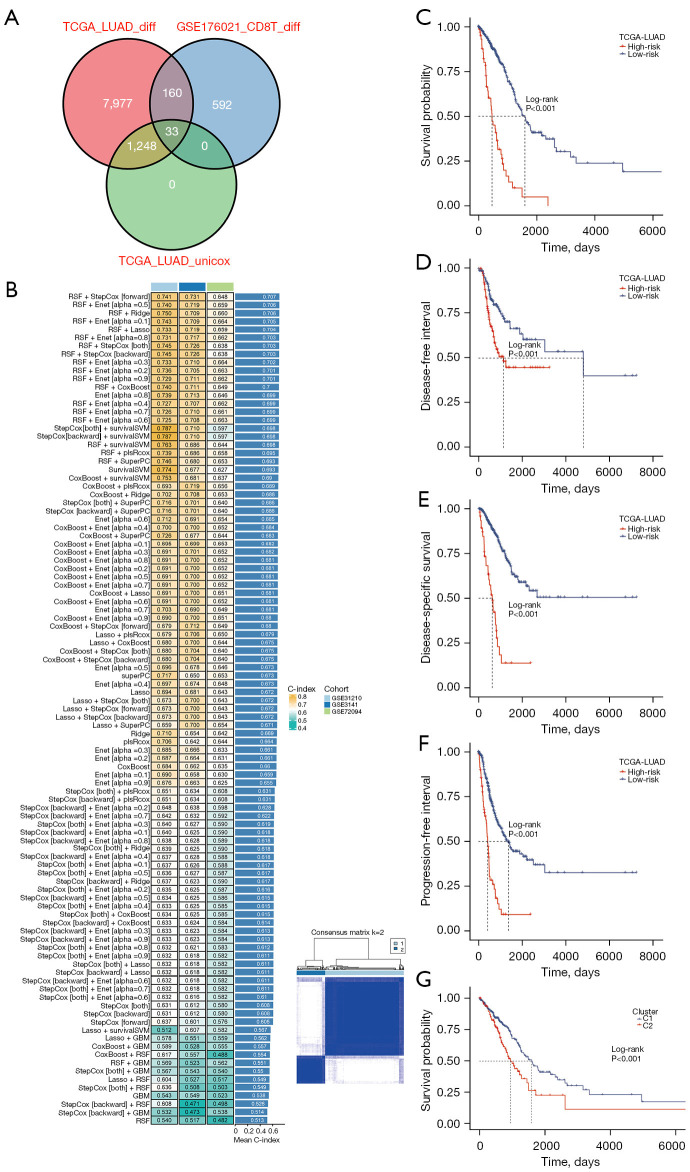
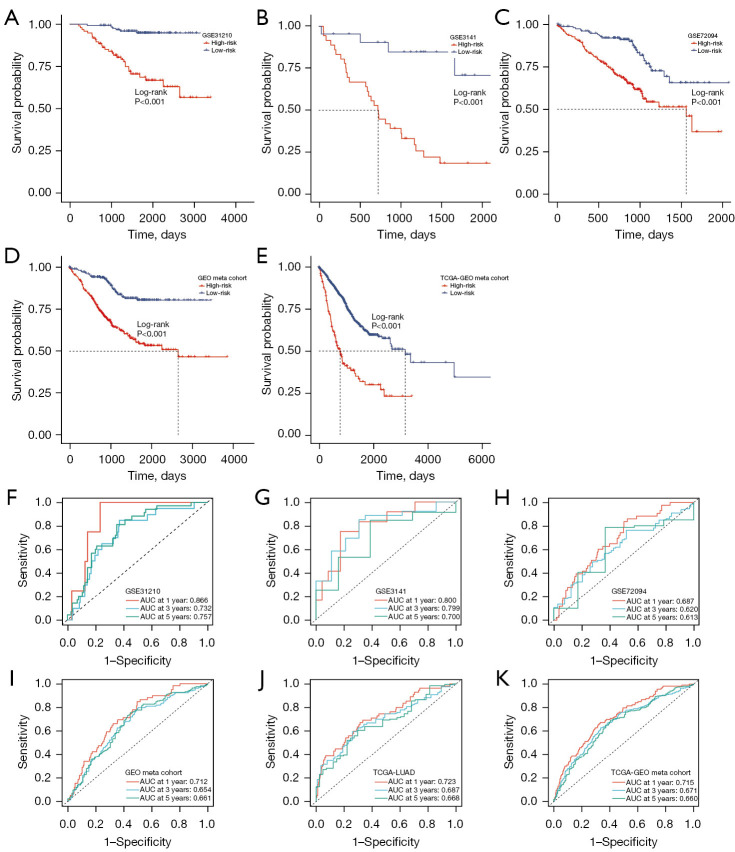
By leveraging the expression data and clinical records from The Cancer Genome Atlas (TCGA) and Gene Expression Omnibus (GEO) cohorts, we identified 23 consensus prognostic genes. Employing ten machine-learning algorithms, we generated 101 combinations, ultimately selecting the optimal algorithm to construct an artificial intelligence-derived prognostic signature named riskScore. This selection was based on the average concordance index (C-index) across three testing cohorts.
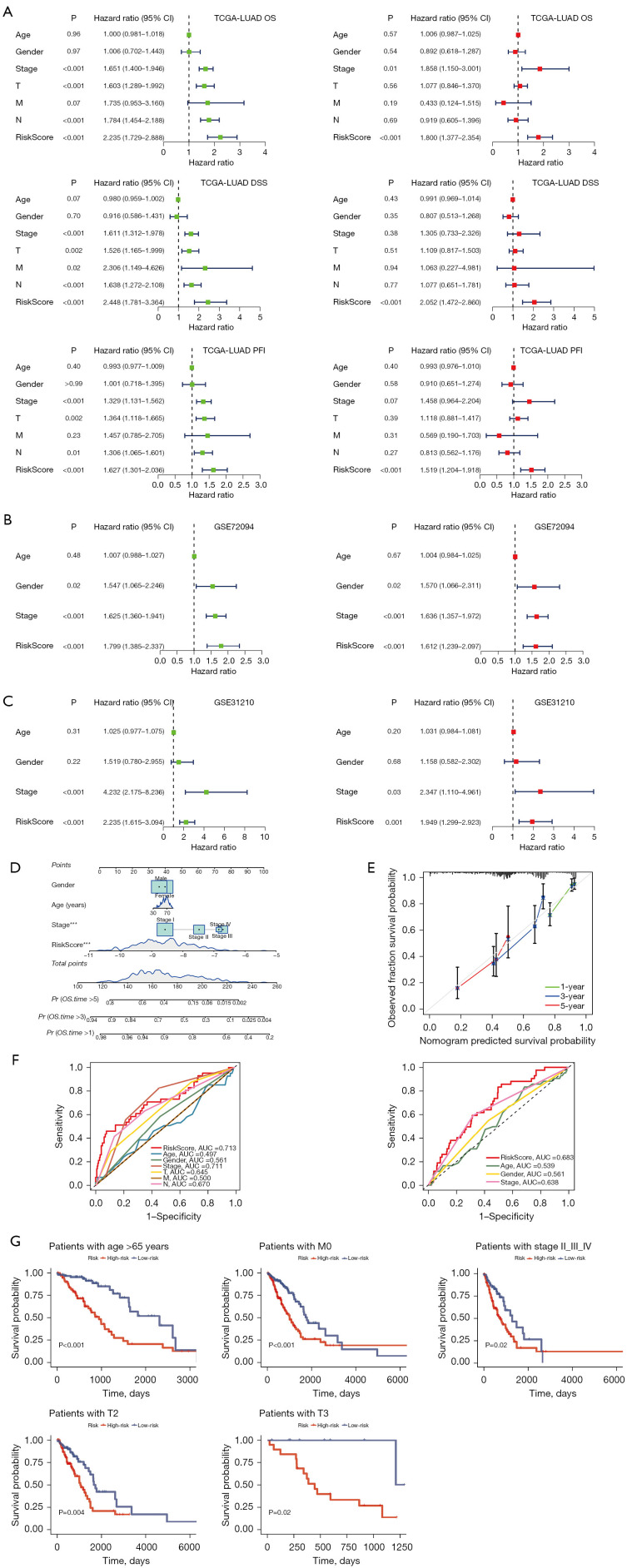
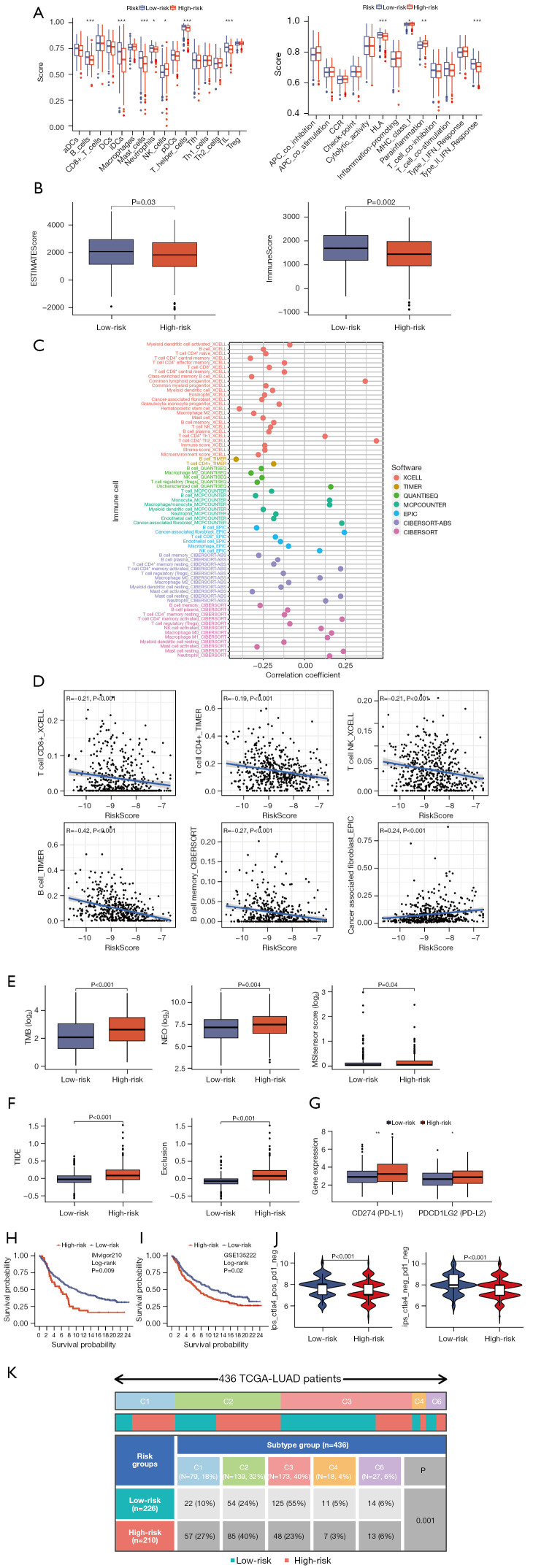
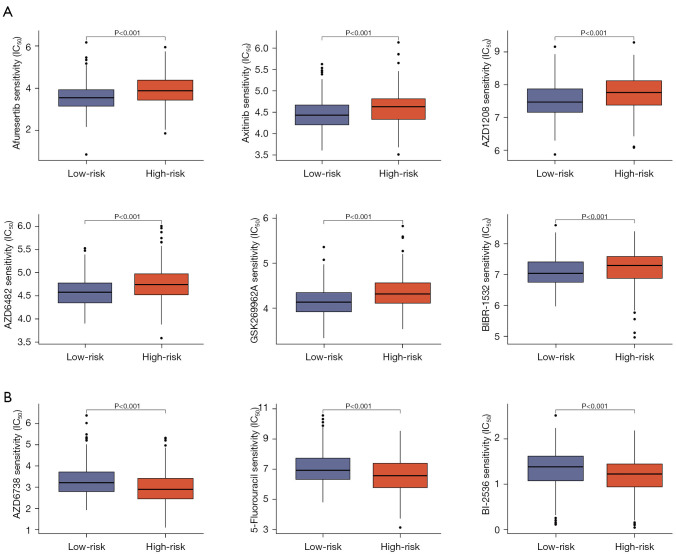
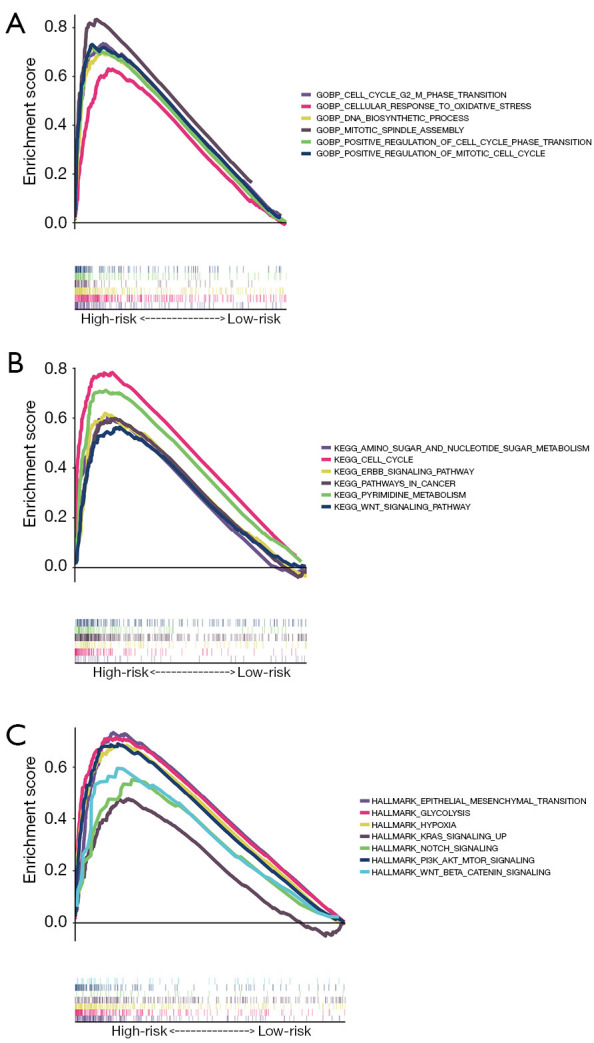
RiskScore emerged as an independent risk factor for overall survival (OS), progression-free interval (PFI), disease-free interval (DFI), and disease-specific survival (DSS) in LUAD. Notably, riskScore exhibited notably superior predictive accuracy compared to traditional clinical variables. Furthermore, we observed a positive correlation between the high-risk riskScore group and tumor-promoting biological functions, lower tumor mutational burden (TMB), lower neoantigen (NEO) load, and lower microsatellite instability (MSI) scores, as well as reduced immune cell infiltration and an increased probability of immune evasion within the TME. Of significance, the immunophenoscore (IPS) score displayed significant differences among risk subgroups, and riskScore effectively stratified patients in the IMvigor210 and GSE135222 immunotherapy cohort based on their survival outcomes. Additionally, we identified potential drugs that could target specific risk subgroups.
In summary, riskScore demonstrates its potential as a robust and promising tool for guiding clinical management and tailoring individualized treatments for LUAD patients.
肺腺癌(LUAD)是肺癌最常见的组织学亚型,其预后存在异质性,对治疗的反应也多种多样。CD8 T细胞在肿瘤发展的所有阶段均持续存在,并在肿瘤微环境(TME)中发挥关键作用。我们的目的是研究CD8 T细胞标志物基因的表达谱,基于这些基因建立LUAD的预后风险模型,并探讨其与免疫治疗反应的关系。
通过利用来自癌症基因组图谱(TCGA)和基因表达综合数据库(GEO)队列的表达数据和临床记录,我们确定了23个共识预后基因。采用十种机器学习算法,我们生成了101种组合,最终选择最优算法构建了一个名为riskScore的人工智能衍生预后特征。该选择基于三个测试队列的平均一致性指数(C指数)。
RiskScore是LUAD患者总生存期(OS)、无进展生存期(PFI)、无病生存期(DFI)和疾病特异性生存期(DSS)的独立危险因素。值得注意的是,与传统临床变量相比,riskScore表现出显著更高的预测准确性。此外,我们观察到高风险riskScore组与肿瘤促进生物学功能、较低的肿瘤突变负荷(TMB)、较低的新抗原(NEO)负荷、较低的微卫星不稳定性(MSI)评分之间呈正相关,以及TME内免疫细胞浸润减少和免疫逃逸概率增加。重要的是,免疫表型评分(IPS)在风险亚组之间显示出显著差异,并且riskScore根据生存结果有效地对IMvigor210和GSE135222免疫治疗队列中的患者进行了分层。此外,我们确定了可以靶向特定风险亚组的潜在药物。
总之,riskScore证明了其作为指导LUAD患者临床管理和制定个体化治疗方案的强大且有前景的工具的潜力。