Chen Juan, Zhou Rui
Respiratory Medicine, The Second Xiangya Hospital of Central South University, Changsha, Hunan, China.
PeerJ. 2021 Jan 14;9:e10628. doi: 10.7717/peerj.10628. eCollection 2021.
Lung adenocarcinoma (LUAD) is the most common histological type of lung cancers, which is the primary cause of cancer-related mortality worldwide. Growing evidence has suggested that tumor microenvironment (TME) plays a pivotal role in tumorigenesis and progression. Hence, we investigate the correlation of TME related genes with LUAD prognosis.
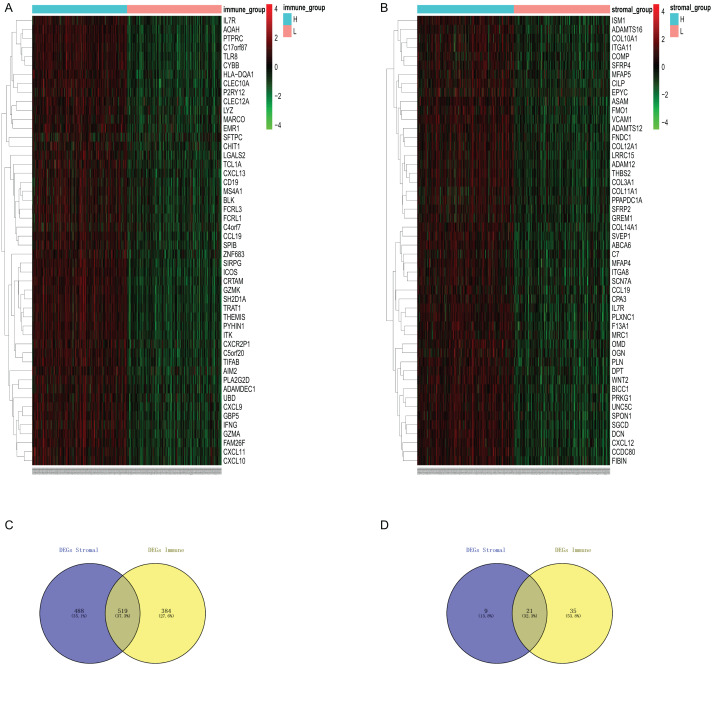
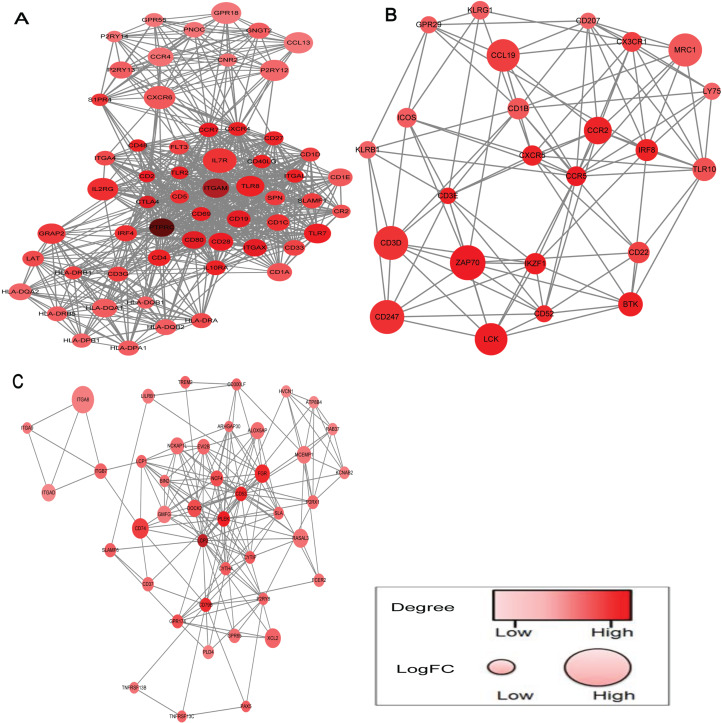
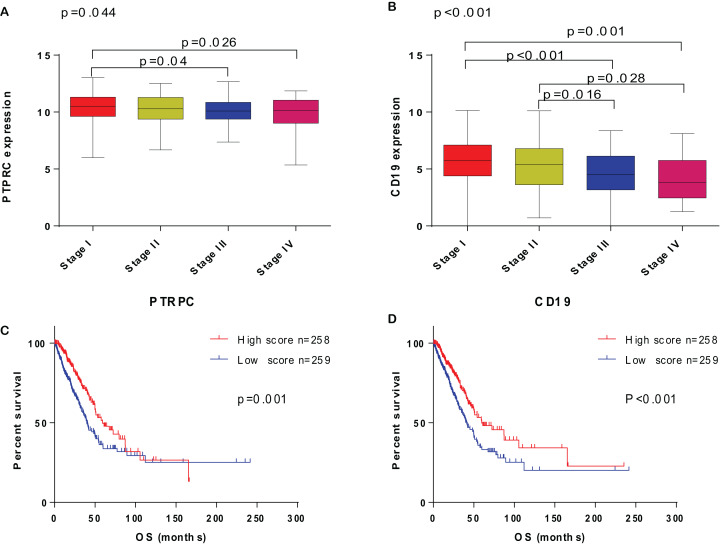
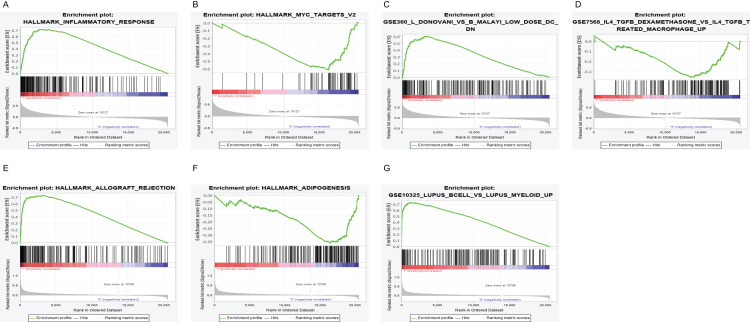
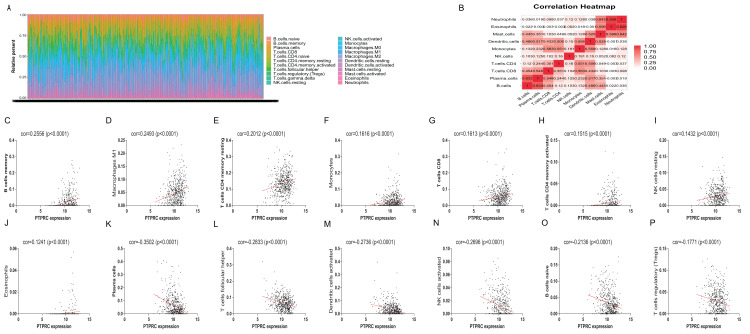
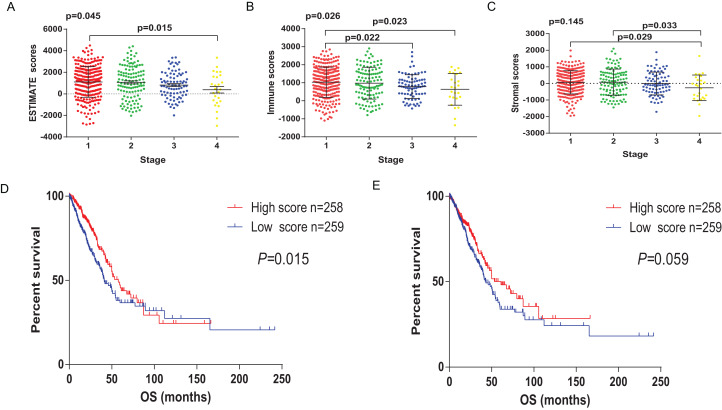
The information of LUAD gene expression data was obtained from The Cancer Genome Atlas (TCGA). According to their immune/stromal scores calculated by the ESTIMATE algorithm, differentially expressed genes (DEGs) were identified. Then, we performed univariate Cox regression analysis on DEGs to obtain genes that are apparently bound up with LUAD survival (SurGenes). Functional annotation and protein-protein interaction (PPI) was also conducted on SurGenes. By validating the SurGenes with data sets of lung cancer from the Gene Expression Omnibus (GEO), 106 TME related SurGenes were generated. Further, intersection analysis was executed between the 106 TME related SurGenes and hub genes from PPI network, PTPRC and CD19 were obtained. Gene Set Enrichment Analysis and CIBERSORT analysis were performed on PTPRC and CD19. Based on the TCGA LUAD dataset, we conducted factor analysis and Step-wise multivariate Cox regression analysis for 106 TME related SurGenes to construct the prognostic model for LUAD survival prediction. The LUAD dataset in GEO (GSE68465) was used as the testing dataset to confirm the prognostic model. Multivariate Cox regression analysis was used between risk score from the prognostic model and clinical parameters.
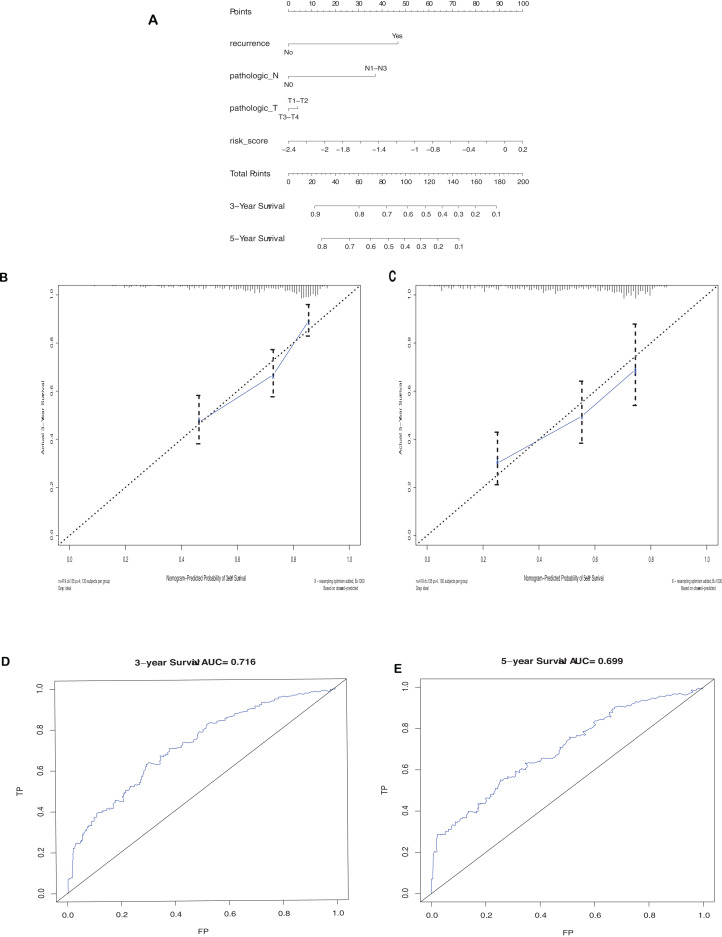
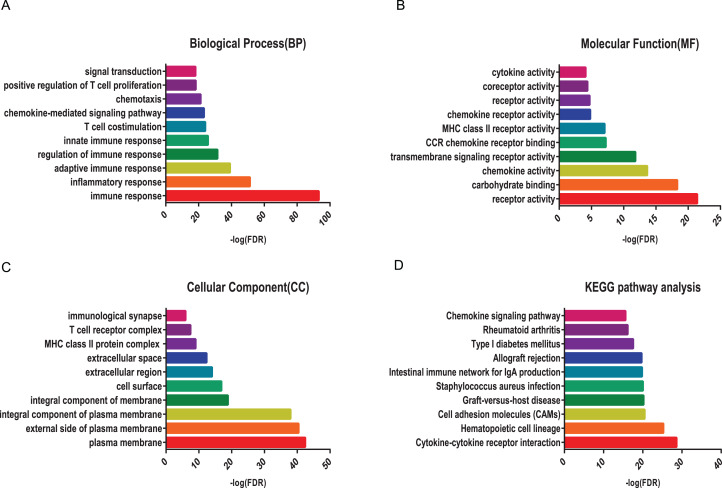
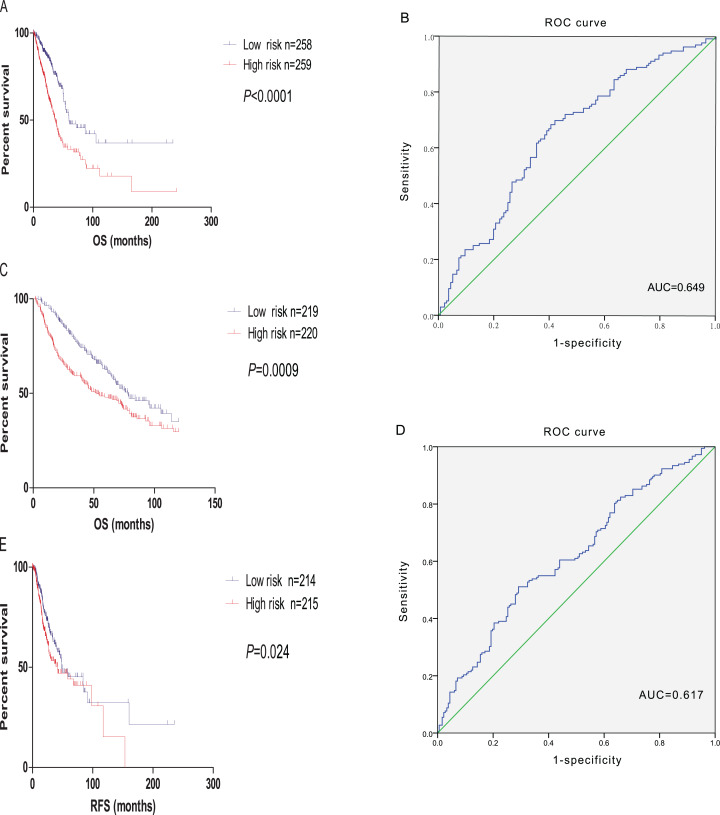
A total of 106 TME related genes were collected in our research totally, which were markedly correlated with the overall survival (OS) of LUAD patient. Bioinformatics analysis suggest them mainly concentrated on immune response, cell adhesion, and extracellular matrix. More importantly, among 106 TME related SurGenes, PTPRC and CD19 were highly interconnected nodes among PPI network and correlated with immune activity, exhibiting significant prognostic potential. The prognostic model was a weighted linear combination of the 106 genes, by which the low-OS LUAD samples could be separated from the high-OS samples with success. This model was also able to rebustly predict the situation of survival (training set: -value < 0.0001, area under the curve (AUC) = 0.649; testing set: -value = 0.0009, AUC = 0.617). By combining with clinical parameters, the prognostic model was optimized. The AUC achieved 0.716 for 3 year and 0.699 for 5 year.
A series of TME-related prognostic genes were acquired in this research, which could reflect immune disorders within TME, and PTPRC and CD19 show the potential to be an indicator for LUAD prognosis and tumor microenvironment modulation. The prognostic model constructed base on those prognostic genes presented a high predictive ability, and may have clinical implications in the overall survival prediction of LUAD.
肺腺癌(LUAD)是肺癌最常见的组织学类型,是全球癌症相关死亡的主要原因。越来越多的证据表明,肿瘤微环境(TME)在肿瘤发生和进展中起关键作用。因此,我们研究TME相关基因与LUAD预后的相关性。
从癌症基因组图谱(TCGA)获取LUAD基因表达数据信息。根据通过ESTIMATE算法计算的免疫/基质评分,鉴定差异表达基因(DEG)。然后,我们对DEG进行单变量Cox回归分析,以获得与LUAD生存明显相关的基因(SurGenes)。还对SurGenes进行了功能注释和蛋白质-蛋白质相互作用(PPI)分析。通过用基因表达综合数据库(GEO)中的肺癌数据集验证SurGenes,生成了106个TME相关SurGenes。此外,在106个TME相关SurGenes与PPI网络中的枢纽基因之间进行了交集分析,获得了PTPRC和CD19。对PTPRC和CD19进行基因集富集分析和CIBERSORT分析。基于TCGA LUAD数据集,我们对106个TME相关SurGenes进行因子分析和逐步多变量Cox回归分析,以构建用于LUAD生存预测的预后模型。GEO(GSE68465)中的LUAD数据集用作测试数据集以确认预后模型。在预后模型的风险评分与临床参数之间进行多变量Cox回归分析。
本研究共收集到106个TME相关基因,它们与LUAD患者的总生存期(OS)显著相关。生物信息学分析表明它们主要集中在免疫反应、细胞粘附和细胞外基质上。更重要的是,在106个TME相关SurGenes中,PTPRC和CD19是PPI网络中高度互联的节点,与免疫活性相关,具有显著的预后潜力。预后模型是这106个基因的加权线性组合,通过它可以成功地将低OS的LUAD样本与高OS样本区分开来。该模型还能够稳健地预测生存情况(训练集:P值<0.0001,曲线下面积(AUC)=0.649;测试集:P值=0.0009,AUC =0.617)。通过结合临床参数,优化了预后模型。3年时AUC达到0.716,5年时达到0.699。
本研究获得了一系列与TME相关的预后基因,它们可以反映TME内的免疫紊乱,PTPRC和CD19显示出作为LUAD预后和肿瘤微环境调节指标的潜力。基于这些预后基因构建的预后模型具有较高的预测能力,可能对LUAD的总生存预测具有临床意义。