Kolitsida Panagiota, Saha Akash, Caliri Andrew, Assali Essam, Riera Alejandro Martorell, Itskanov Samuel, Magana Catalina S, Stork Björn, Shirihai Orian, Sekler Israel, Koehler Carla M, van der Bliek Alexander M
Department of Biological Chemistry, David Geffen School of Medicine at UCLA.
Department of Physiology and Cell Biology, Ben Gurion University, Israel.
bioRxiv. 2024 Aug 13:2024.08.05.606704. doi: 10.1101/2024.08.05.606704.
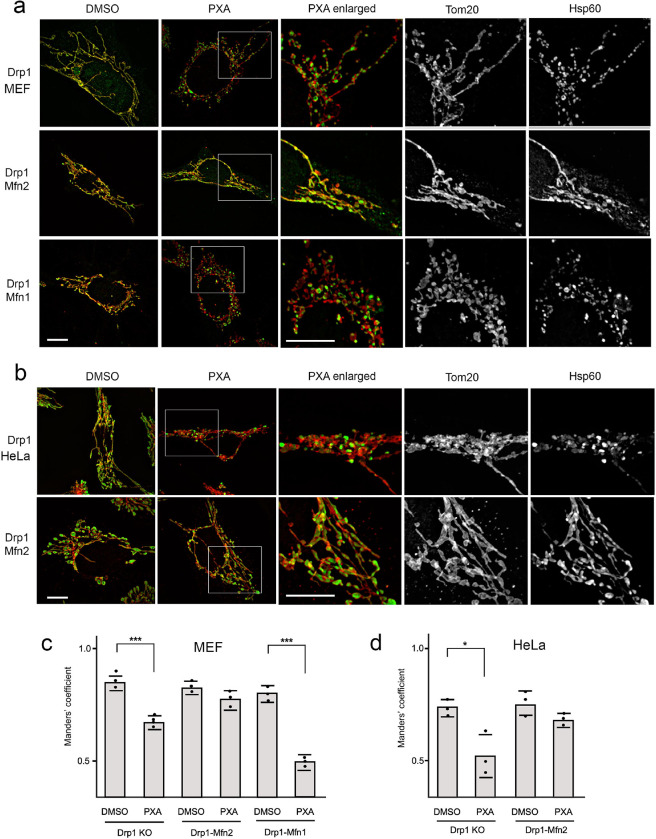
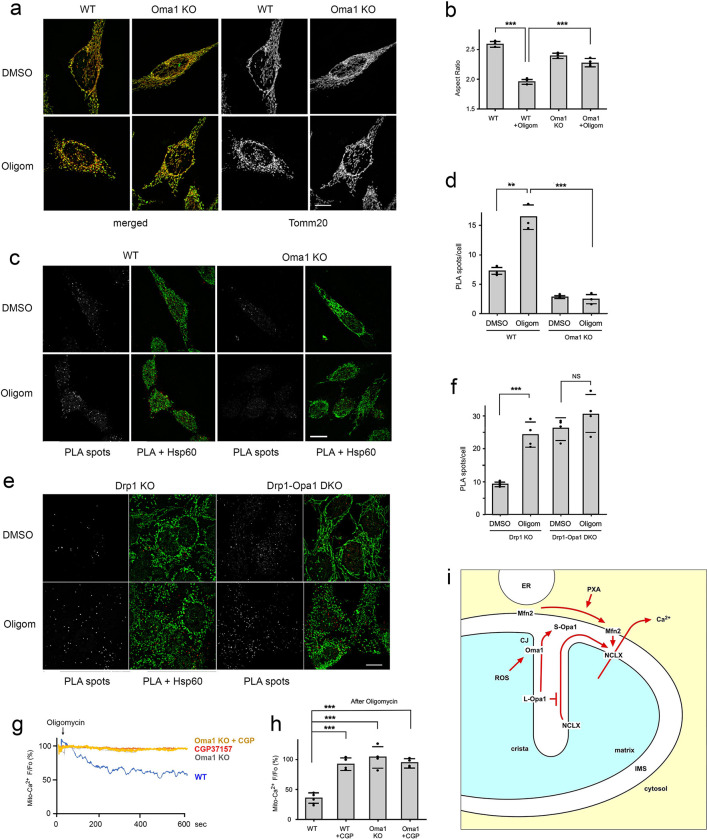
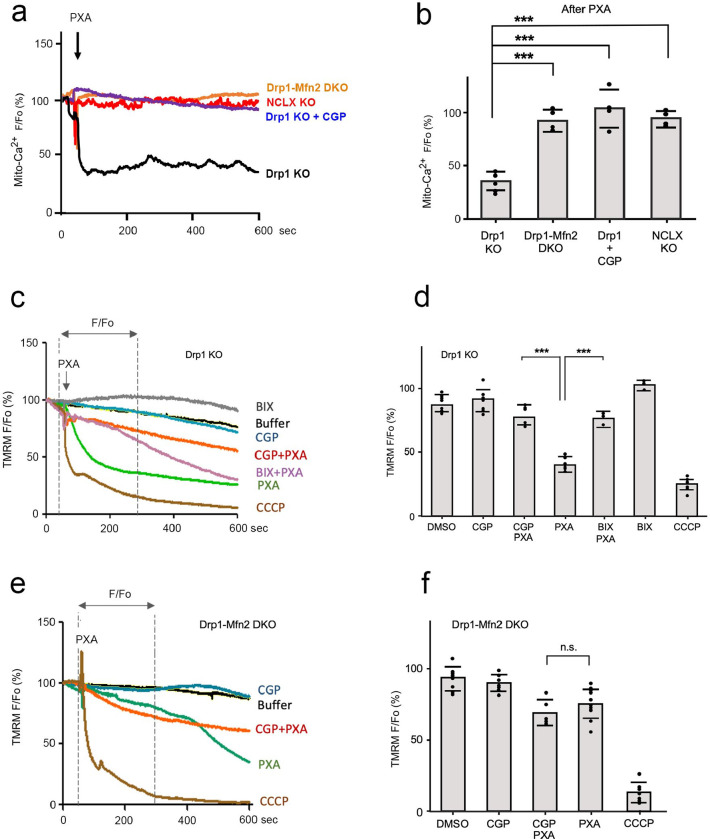
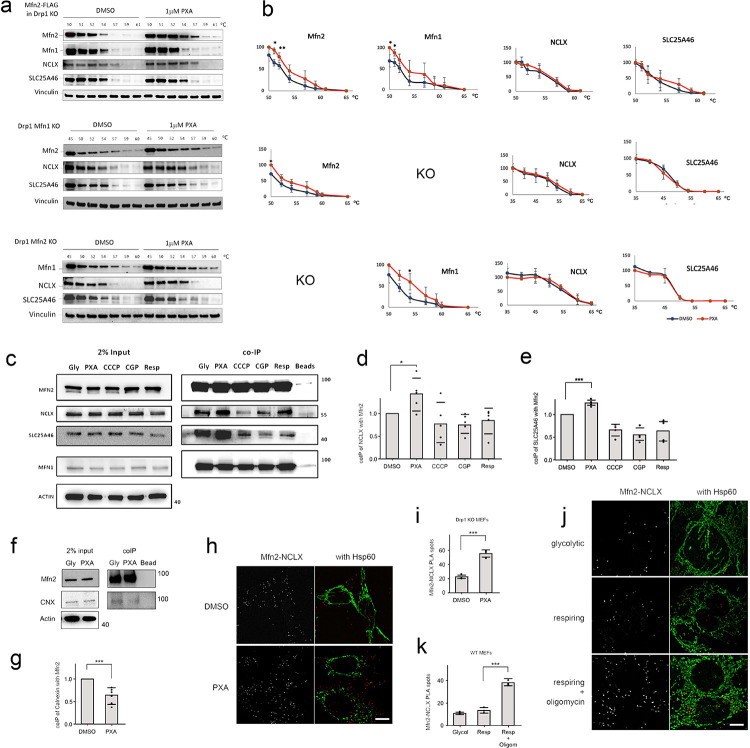
Mfn2 is a mitochondrial outer membrane fusion protein with the additional role of tethering mitochondria to the ER. Here, we describe a novel connection between Mfn2 and calcium release from mitochondria. We show that Mfn2 controls the mitochondrial inner membrane sodium-calcium exchange protein NCLX, which is a major source for calcium release from mitochondria. This discovery was made with the fungal toxin Phomoxanthone (PXA), which induces calcium release from mitochondria. PXA-induced calcium release is blocked by a chemical inhibitor of NCLX, while NCLX and Mfn2 deletions both also prevent PXA-induced calcium release. CETSA experiments show that PXA directly targets Mfn2, which likely controls NCLX through physical interactions since co-immunoprecipitation and proximity ligation assays show increased association between Mfn2 and NCLX upon treatment with PXA. Interactions between Mfn2 and NCLX also increase when cells are treated with mitochondrial ROS-inducing conditions, such as oligomycin treatment of respiring cells, while the interactions do not increase in Oma1 -/- cells. It seems likely that opening of cristae by Oma1-mediated cleavage of Opa1 promotes translocation of NCLX from cristae to the rim where it can come into contact with Mfn2 thus promoting PXA-induced calcium release from mitochondria. These results therefore delineate a pathway that connects ROS produced inside mitochondria with calcium release and signaling in the cytosol.
Mfn2是一种线粒体外膜融合蛋白,还具有将线粒体与内质网拴系在一起的作用。在此,我们描述了Mfn2与线粒体钙释放之间的一种新联系。我们发现Mfn2控制线粒体内膜钠钙交换蛋白NCLX,而NCLX是线粒体钙释放的主要来源。这一发现是通过真菌毒素氧杂蒽酮(PXA)实现的,它能诱导线粒体钙释放。NCLX的化学抑制剂可阻断PXA诱导的钙释放,而敲除NCLX和Mfn2也均可阻止PXA诱导的钙释放。细胞热稳定性分析实验表明PXA直接作用于Mfn2,由于免疫共沉淀和邻近连接分析显示用PXA处理后Mfn2与NCLX之间的结合增加,所以Mfn2可能通过物理相互作用控制NCLX。当用诱导线粒体活性氧的条件处理细胞时,如用寡霉素处理进行呼吸作用的细胞,Mfn2与NCLX之间的相互作用也会增加,而在Oma1基因敲除细胞中这种相互作用不会增加。似乎很可能是Oma1介导的Opa1裂解导致嵴开放,从而促进NCLX从嵴转运到边缘,在那里它可以与Mfn2接触,进而促进PXA诱导的线粒体钙释放。因此,这些结果描绘了一条将线粒体内产生的活性氧与细胞质中的钙释放及信号传导联系起来的途径。