School of Nursing, University of Mississippi Medical Center, 2500 N State St, Jackson, MS, 39216, USA.
School of Nursing, Mississippi State University, Meridian, MS, USA.
Cancer Causes Control. 2024 Nov;35(11):1487-1496. doi: 10.1007/s10552-024-01905-0. Epub 2024 Aug 17.
Cervical screening is used to detect and treat precancers to prevent invasive cancers. However, successful prevention also requires adequate follow-up and treatment of individuals with abnormal screening results. The aim was to investigate demographics, clinical characteristics, and follow-up status for individuals needing colposcopy after an abnormal screening result.
The STRIDES (Studying Risk to Improve DisparitiES) cohort comprises individuals undergoing cervical cancer screening and management at a Mississippi Health Department or University of Mississippi clinic. Follow-up status, demographics, and clinical data were assessed from electronic health records and, if necessary, patient navigation on individuals identified as needing a colposcopy after an abnormal screening.
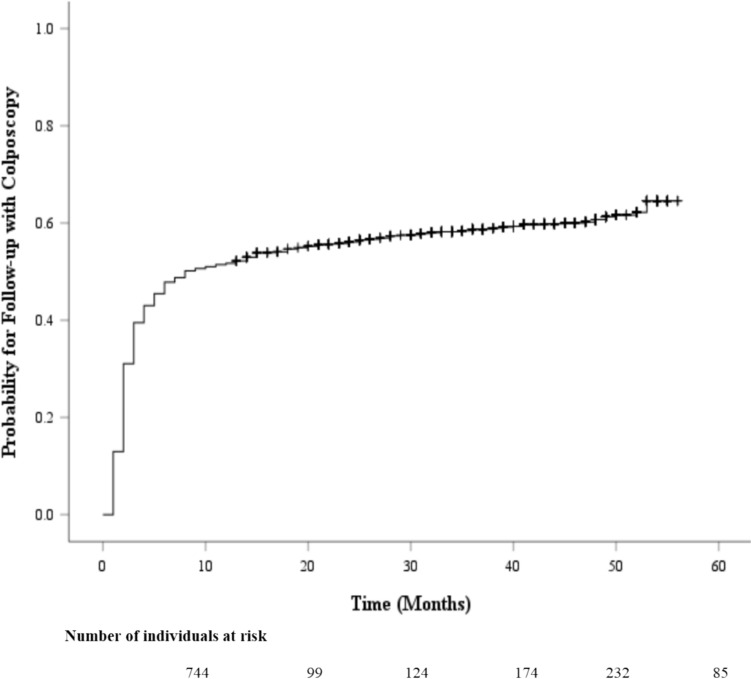
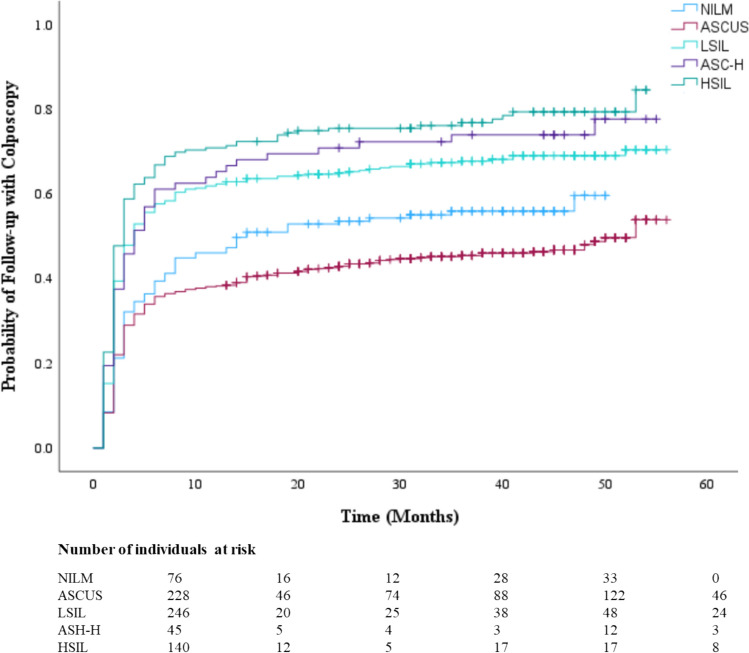
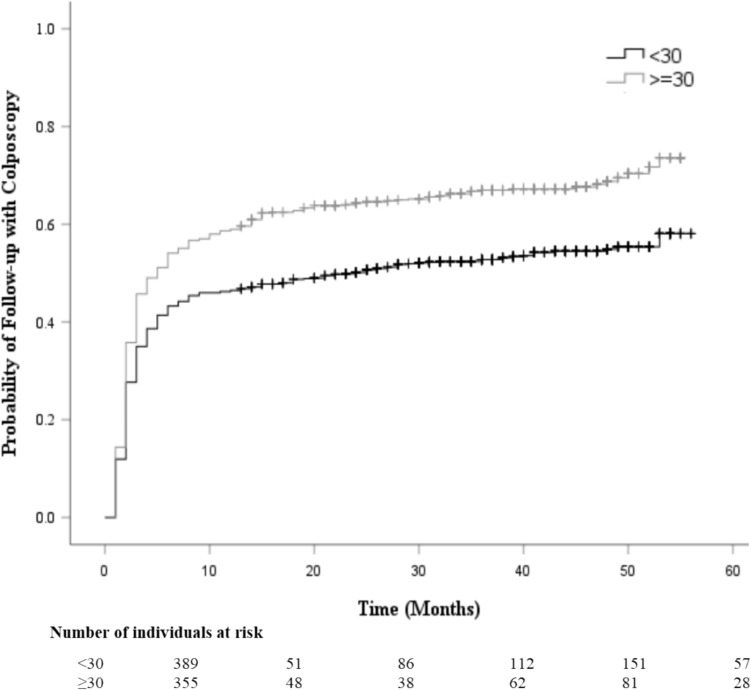
Of the 1,458 individuals requiring colposcopy, 43.0% had the procedure within 4 months, 16.4% had a delayed procedure, and 39.5% had no documented colposcopy follow-up, with significant predictors of follow-up identified as age and cytology diagnosis. Individuals 30 + were more likely to have follow up with a colposcopy compared to individuals < 30 years (49% and 38.7%, respectively; p < .001). Individuals with cytology diagnoses of LSIL (52.9%), ASC-H (51.4%), and HSIL (62.3%) had higher percentages of adherence to follow-up guidelines (p < .001). In total, we found that 78% of individuals had some type of follow-up, including a repeat screening visit.
Despite high cervical cancer screening rates among Mississippians, a substantial proportion did not have adequate next-step intervention. However, it is encouraging that highest risk individuals were more likely to have a colposcopy. Regardless, continuing to understand the underlying causes for incomplete follow-up is crucial for timely secondary targeted interventions to reduce cervical cancer burden, promote awareness, and improve health outcomes.
宫颈筛查用于检测和治疗癌前病变,以预防浸润性癌症。然而,成功预防还需要对异常筛查结果的个体进行充分的随访和治疗。本研究旨在调查需要行阴道镜检查的个体的人口统计学、临床特征和随访情况。
STRIDES(研究风险以改善差异)队列包括在密西西比州卫生部或密西西比大学诊所接受宫颈癌筛查和管理的个体。从电子健康记录中评估了随访情况、人口统计学和临床数据,如果有必要,还通过患者导航对经异常筛查后确定需要行阴道镜检查的个体进行评估。
在 1458 名需要行阴道镜检查的个体中,43.0%在 4 个月内进行了该检查,16.4%延迟了该检查,39.5%没有记录阴道镜检查的随访情况,年龄和细胞学诊断是随访的显著预测因素。30 岁及以上的个体比 30 岁以下的个体更有可能接受阴道镜检查随访(分别为 49%和 38.7%;p<0.001)。细胞学诊断为 LSIL(52.9%)、ASC-H(51.4%)和 HSIL(62.3%)的个体遵循随访指南的比例更高(p<0.001)。总的来说,我们发现 78%的个体进行了某种类型的随访,包括重复筛查就诊。
尽管密西西比州的宫颈癌筛查率很高,但仍有相当一部分患者未进行充分的下一步干预。然而,令人鼓舞的是,高危个体更有可能进行阴道镜检查。无论如何,继续了解不完整随访的根本原因对于及时进行二级靶向干预以降低宫颈癌负担、提高认识和改善健康结果至关重要。