Sivaraj Kishor K, Majev Paul-Georg, Dharmalingam Backialakshmi, Schröder Silke, Banjanin Bella, Stehling Martin, Zeuschner Dagmar, Nordheim Alfred, Schneider Rebekka K, Adams Ralf H
Department of Tissue Morphogenesis, Max Planck Institute for Molecular Biomedicine, Münster, Germany.
Department of Developmental Biology, Erasmus University Medical Center, Rotterdam, The Netherlands.
Nat Cardiovasc Res. 2024;3(8):951-969. doi: 10.1038/s44161-024-00508-x. Epub 2024 Jul 29.
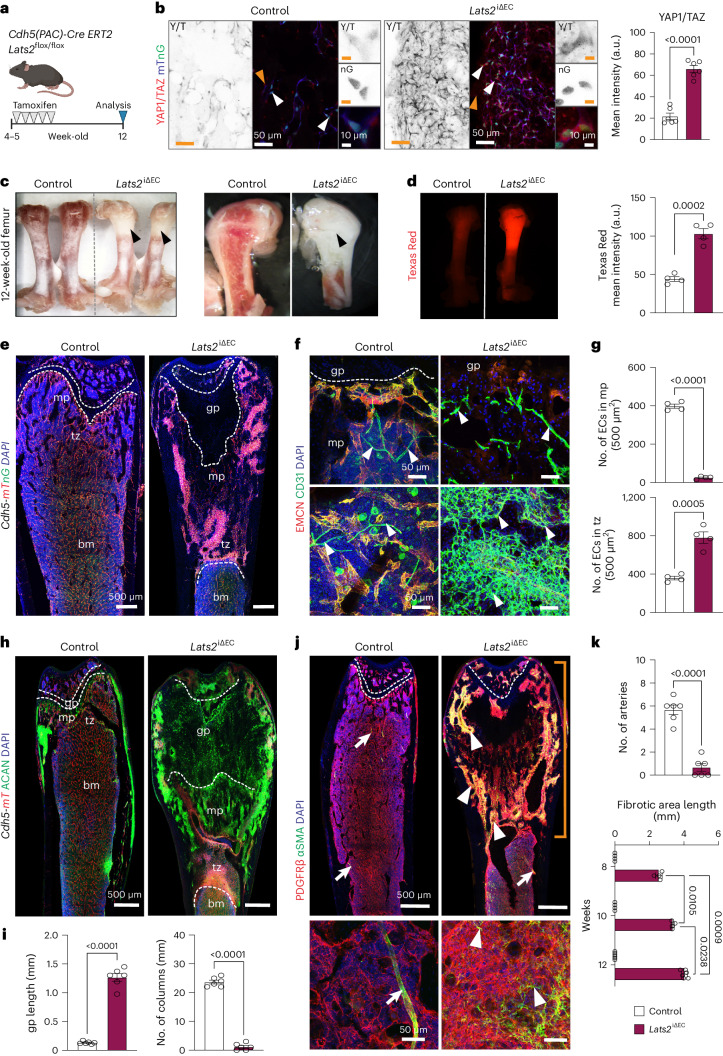
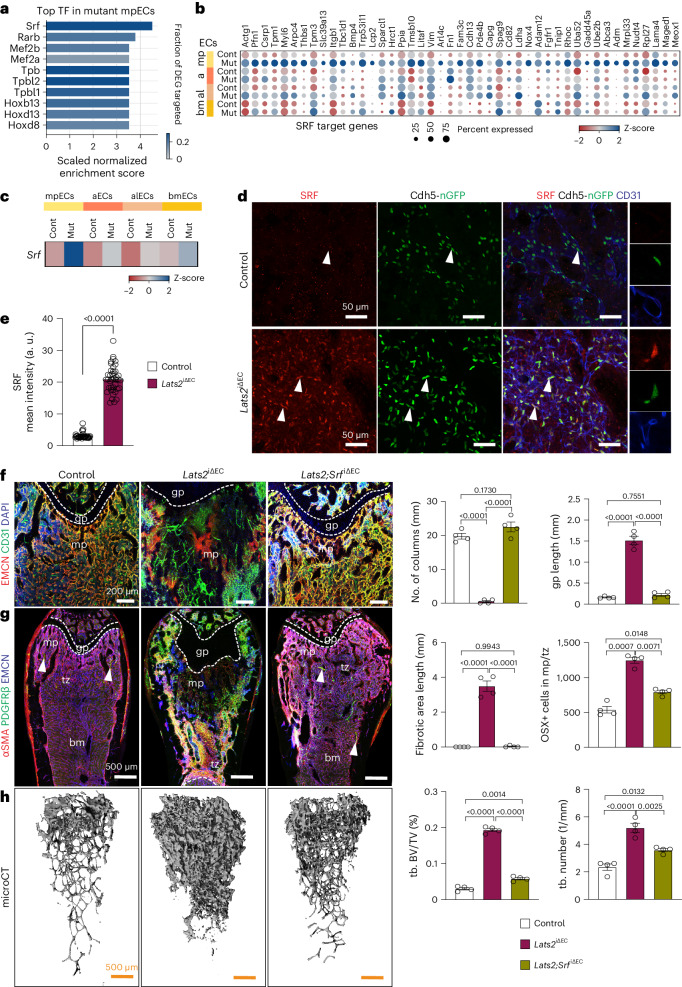
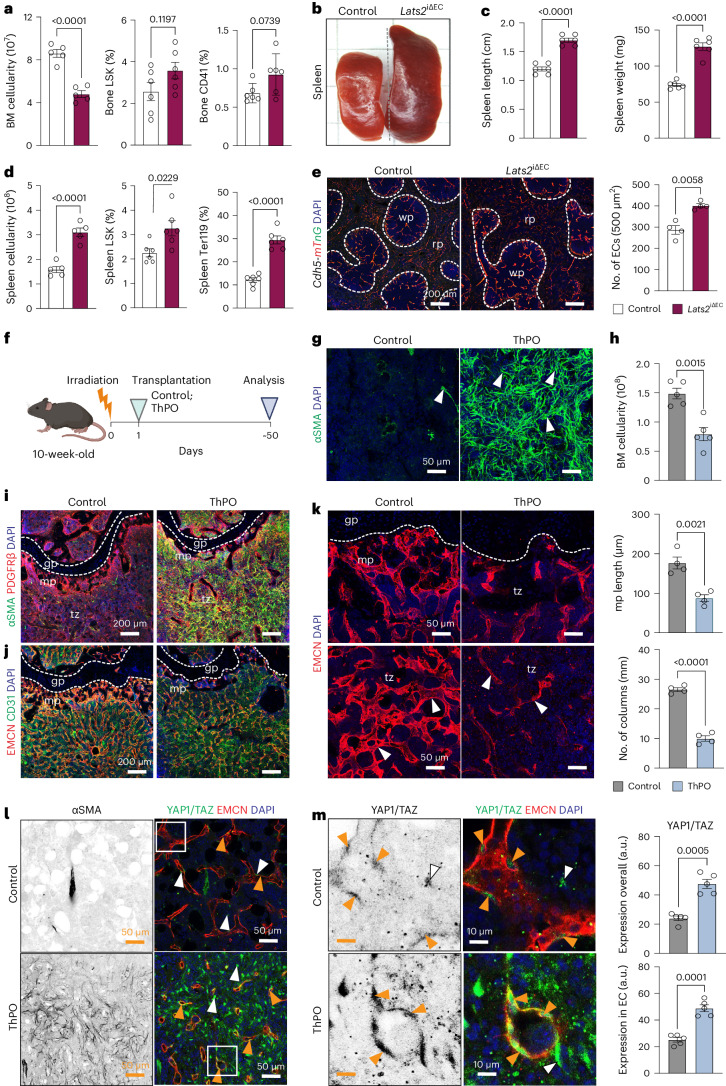
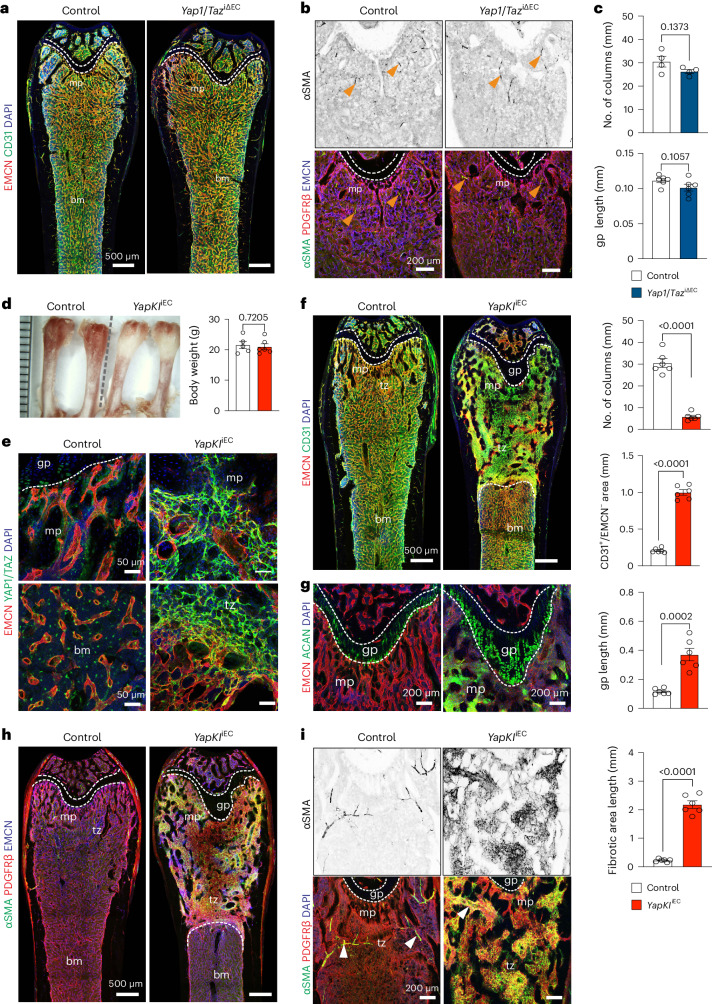
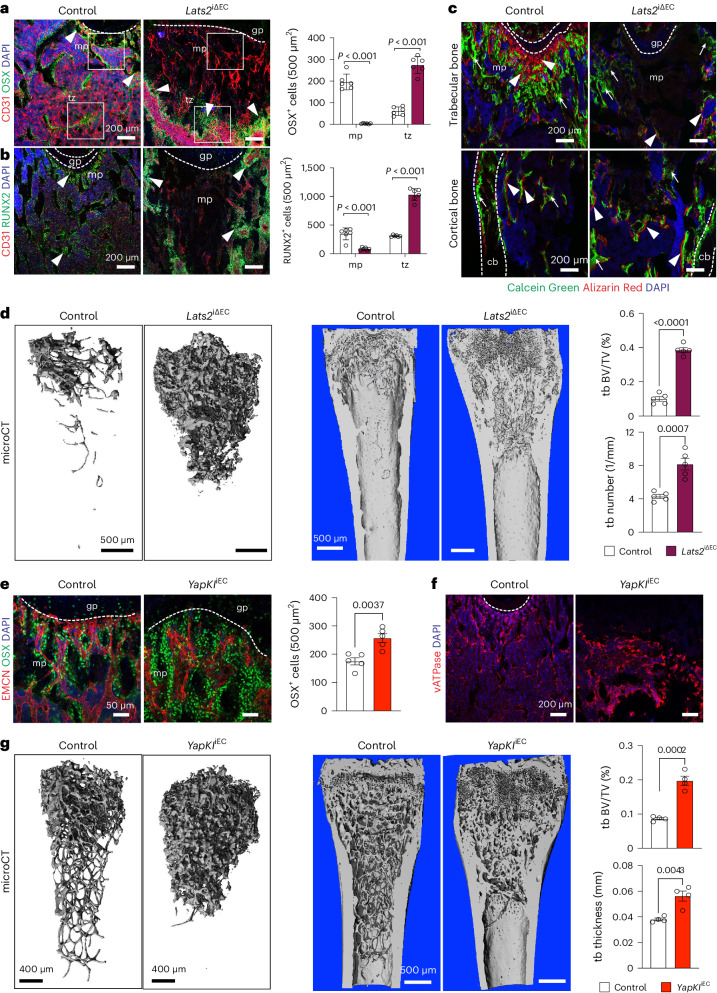
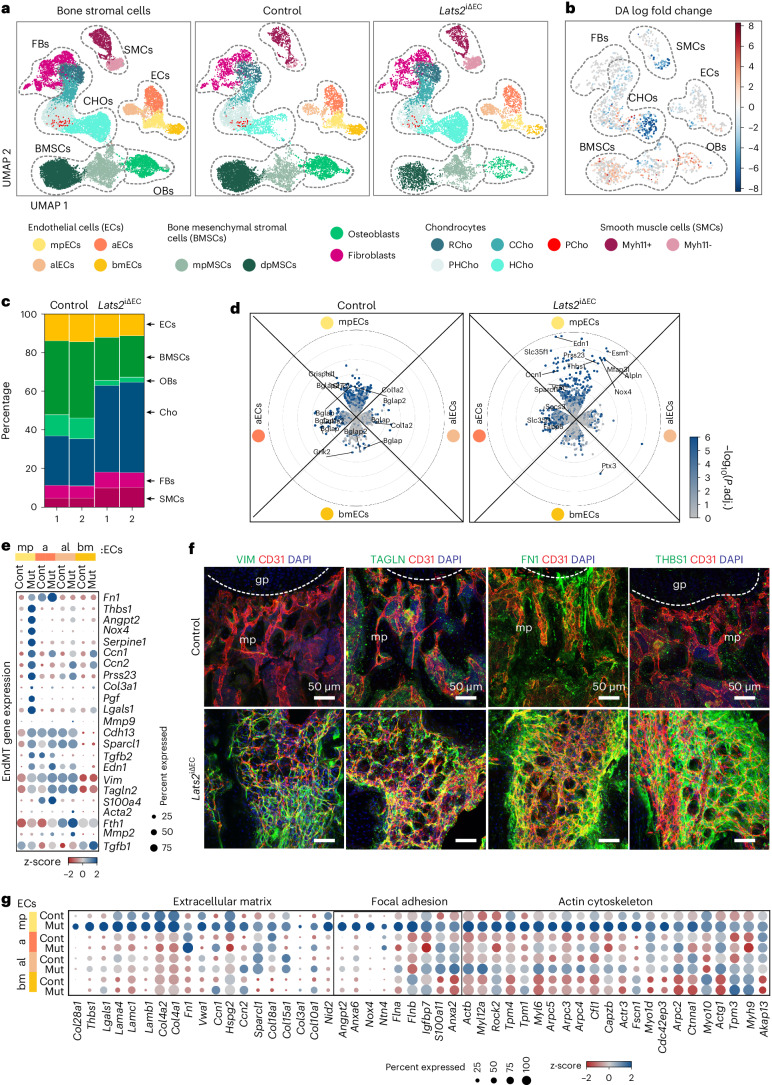
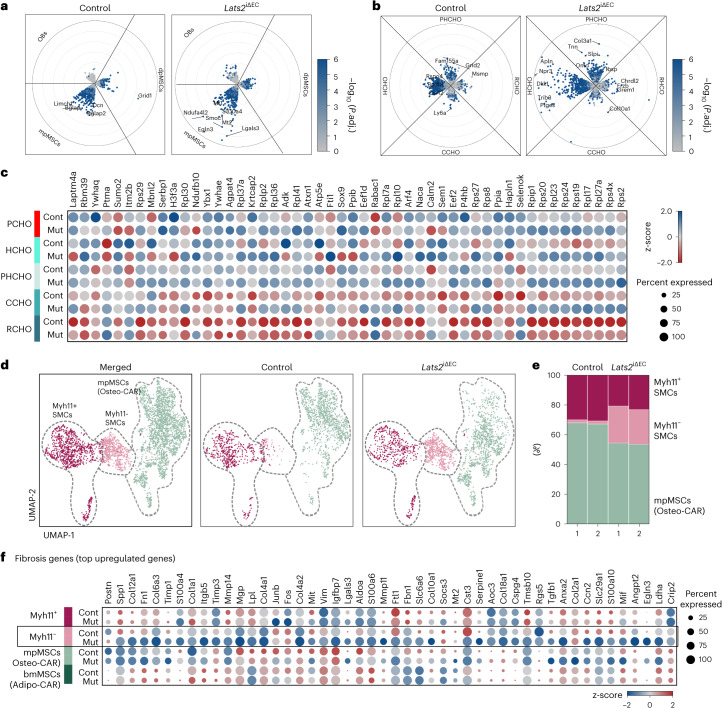
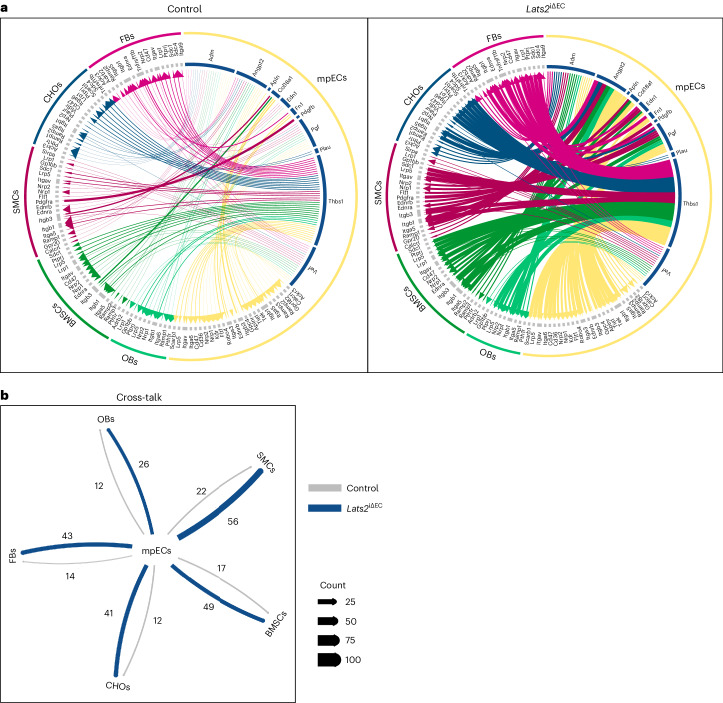
Myelofibrosis and osteosclerosis are fibrotic diseases disrupting bone marrow function that occur in various leukemias but also in response to non-malignant alterations in hematopoietic cells. Here we show that endothelial cell-specific inactivation of the gene, encoding Hippo kinase large tumor suppressor kinase 2, or overexpression of the downstream effector YAP1 induce myofibroblast formation and lead to extensive fibrosis and osteosclerosis, which impair bone marrow function and cause extramedullary hematopoiesis in the spleen. Mechanistically, loss of LATS2 induces endothelial-to-mesenchymal transition, resulting in increased expression of extracellular matrix and secreted signaling molecules. Changes in endothelial cells involve increased expression of serum response factor target genes, and, strikingly, major aspects of the LATS2 mutant phenotype are rescued by inactivation of the gene. These findings identify the endothelium as a driver of bone marrow fibrosis, which improves understanding of myelofibrotic and osteosclerotic diseases, for which drug therapies are currently lacking.
骨髓纤维化和骨硬化是破坏骨髓功能的纤维化疾病,发生于各种白血病中,但也可由造血细胞的非恶性改变引起。在此,我们表明,编码Hippo激酶大肿瘤抑制激酶2的基因在内皮细胞中的特异性失活,或下游效应因子YAP1的过表达,可诱导肌成纤维细胞形成,并导致广泛的纤维化和骨硬化,从而损害骨髓功能并引起脾脏髓外造血。从机制上讲,LATS2的缺失诱导内皮-间充质转化,导致细胞外基质和分泌的信号分子表达增加。内皮细胞的变化涉及血清反应因子靶基因表达的增加,而且,引人注目的是,通过该基因的失活可挽救LATS2突变表型的主要方面。这些发现确定内皮细胞是骨髓纤维化的驱动因素,这有助于增进对目前缺乏药物治疗的骨髓纤维化和骨硬化疾病的理解。