Chepenko Kateryna, Turabova Ulviyya, Hassan Ahmed, Kakhktsyan Tigran, Turcan Valeria
Internal Medicine, Capital Health Regional Medical Center, Trenton, USA.
Cureus. 2024 Jul 18;16(7):e64843. doi: 10.7759/cureus.64843. eCollection 2024 Jul.
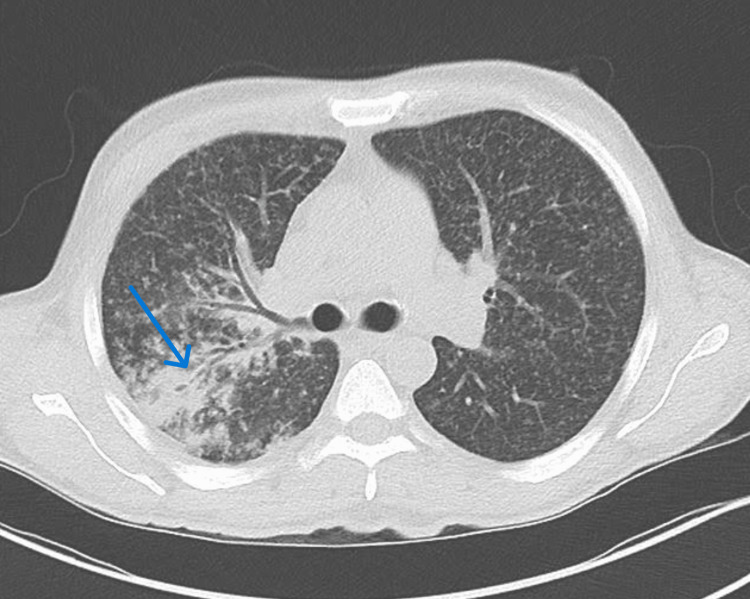
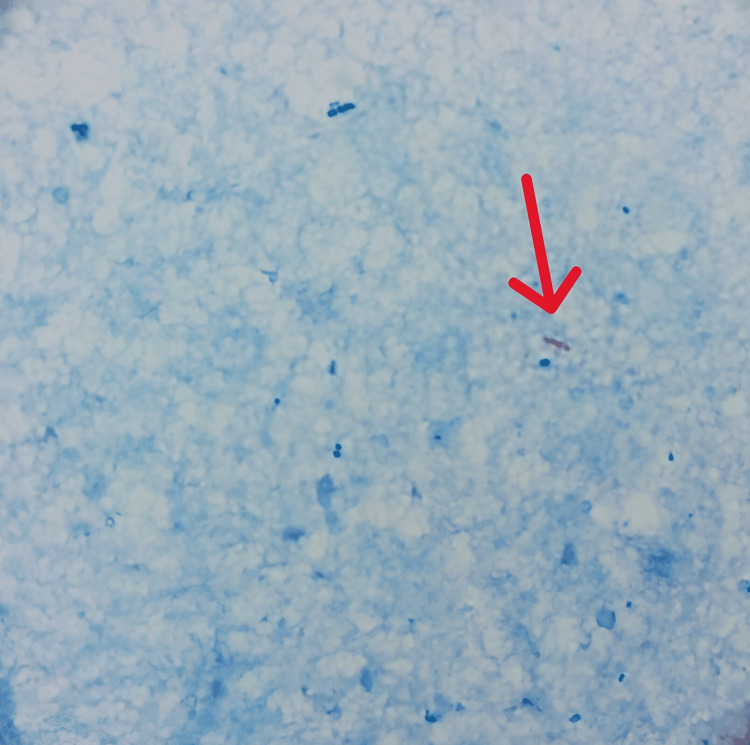
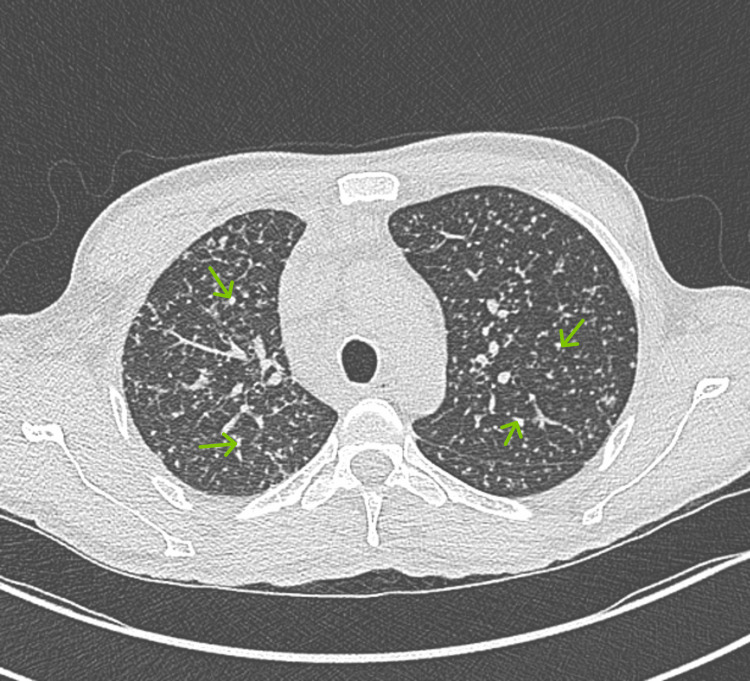
Tuberculosis (TB), caused by , remains a major global health challenge despite medical advancements. We present here a case of a 44-year-old male with a history of HIV infection and inconsistent treatment adherence. The patient exhibited weight loss and miliary lesions on a computed tomography (CT) scan, prompting suspicion of pulmonary TB. Due to his inability to expectorate sputum, stool samples were used for the acid-fast bacilli (AFB) smear and culture. His miliary TB diagnosis was confirmed through lung CT imaging and positive AFB smears from stool samples. This case underscores the utility of stool samples in diagnosing TB when sputum production is compromised, offering a minimally invasive diagnostic approach. It also underscores the importance of collaborative healthcare approaches in managing complex cases, ensuring comprehensive care tailored to individual patient needs.
尽管医学不断进步,但由[病原体未提及]引起的结核病(TB)仍然是一项重大的全球卫生挑战。我们在此介绍一例44岁男性病例,该患者有HIV感染史且治疗依从性不一致。患者在计算机断层扫描(CT)上显示体重减轻和粟粒样病变,这引发了对肺结核的怀疑。由于他无法咳出痰液,因此使用粪便样本进行抗酸杆菌(AFB)涂片和培养。通过肺部CT成像以及粪便样本AFB涂片呈阳性,确诊了他的粟粒性肺结核。该病例强调了在咳痰能力受损时粪便样本在诊断结核病中的作用,提供了一种微创诊断方法。它还强调了协作医疗方法在处理复杂病例中的重要性,确保根据个体患者需求提供全面护理。