Vinagre Pedro Almeida, Fonseca Gonçalo, Vieira Mário
Environment and Licensing, WavEC Offshore Renewables, Lisbon, Portugal.
Engineering and Operations, WavEC Offshore Renewables, Lisbon, Portugal.
Open Res Eur. 2024 Jun 19;2:108. doi: 10.12688/openreseurope.14854.2. eCollection 2022.
Marine biofouling is a threat to industries working in the marine environment, representing significant costs associated with equipment impairment and loss of performance. In the Marine Renewable Energy (MRE) and other maritime sectors which operate at sea for long periods, an important aspect of biofouling is related to the type and frequency of inspections and biofouling removal procedures.
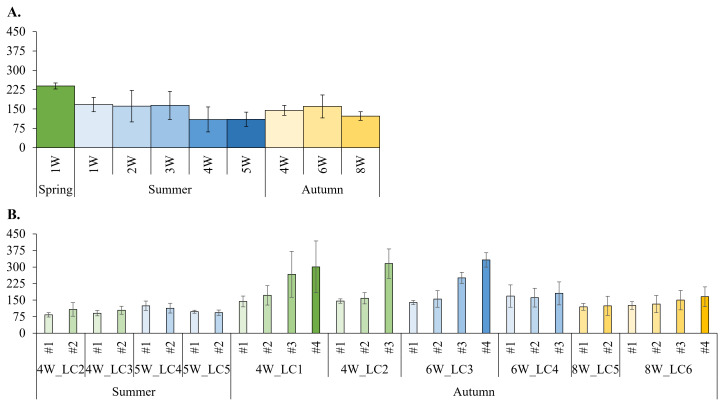
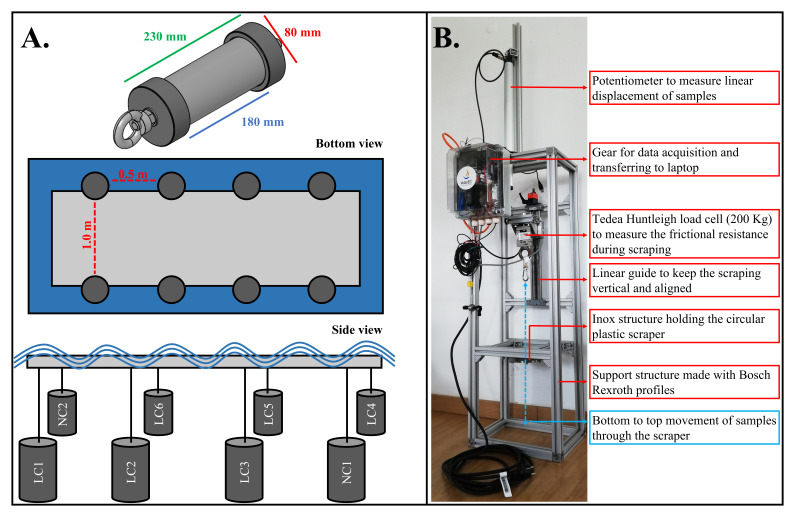
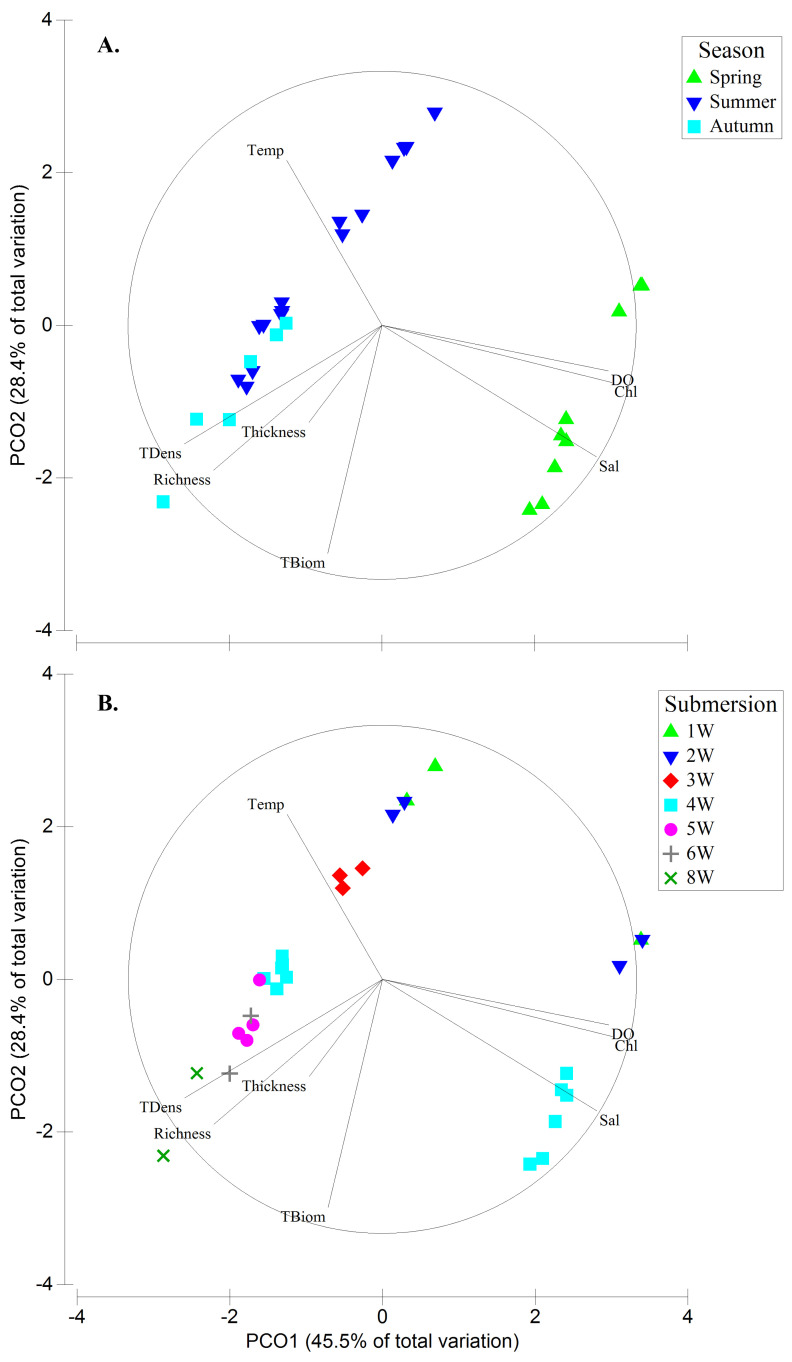
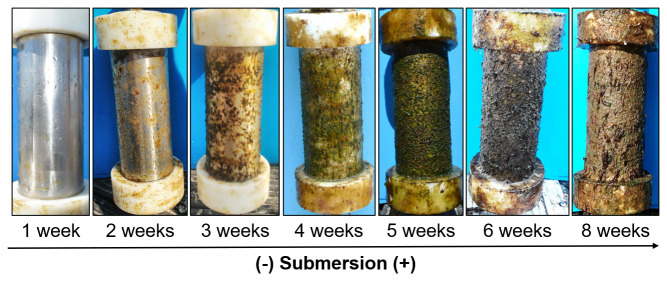
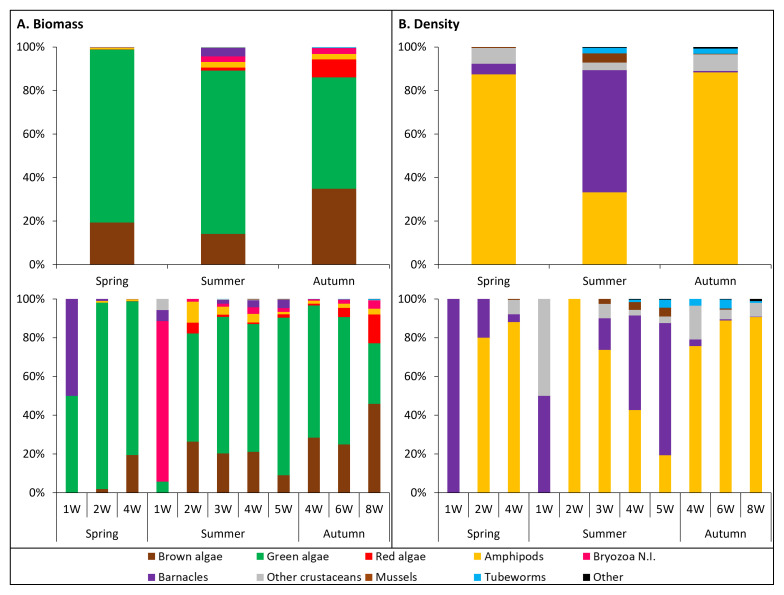
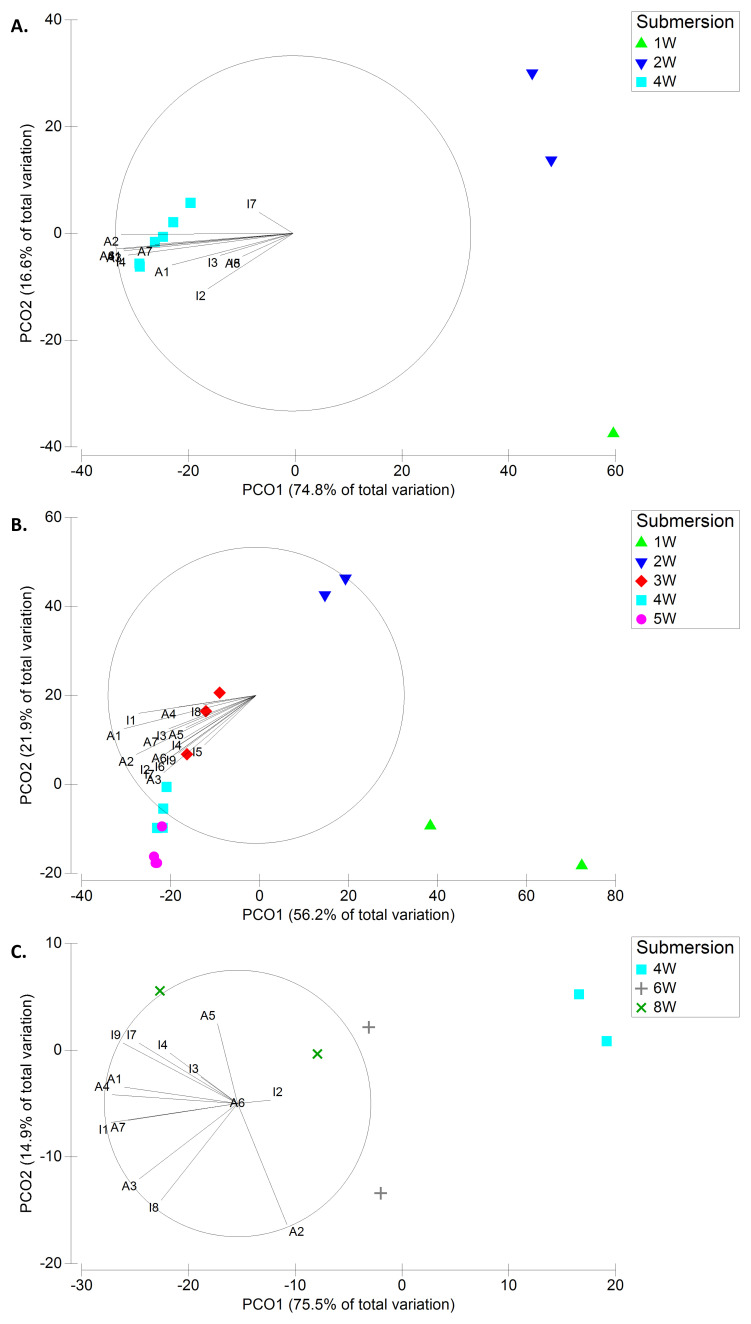
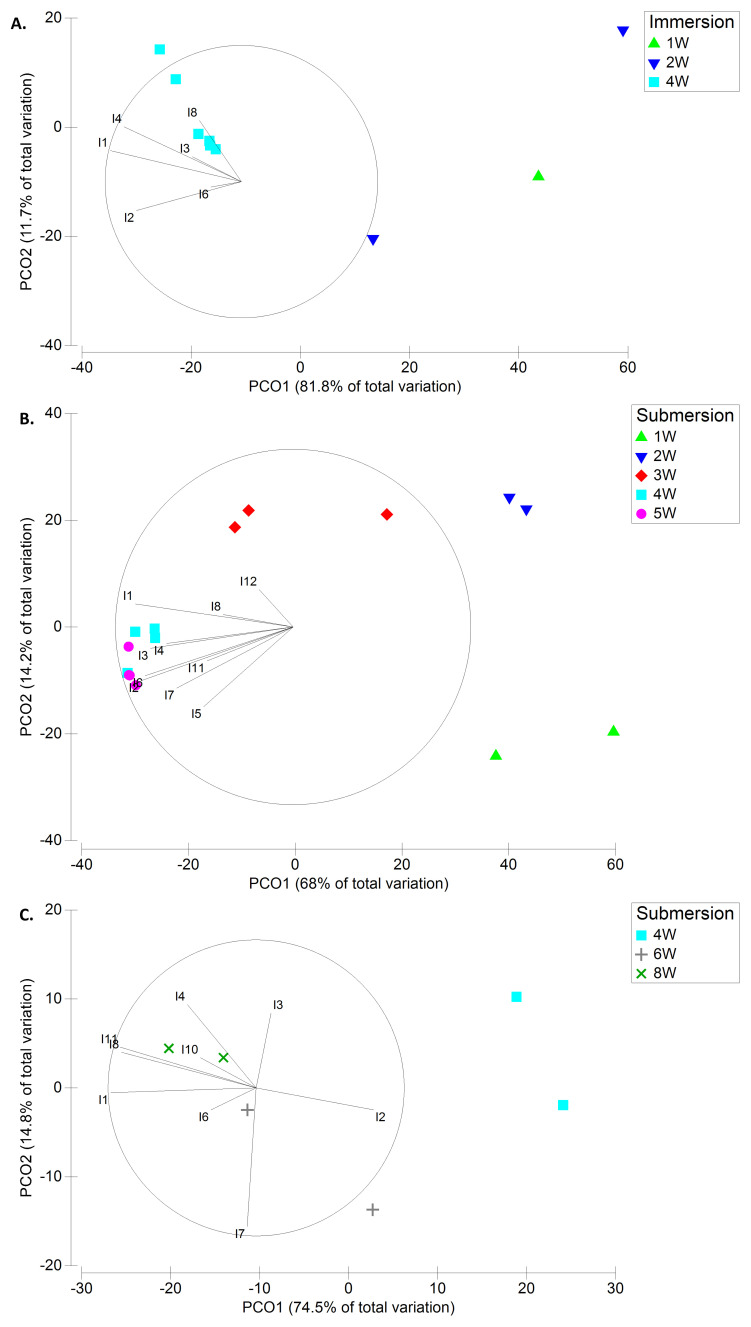
This study investigated important parameters of macrofouling ( composition, including the presence of non-indigenous species, thickness, and weight) from communities growing on samples that emulate tubular components of marine renewable devices. The trials were performed during short periods of submersion (one to eight weeks) in the seasons when the colonisation process should be most intensive (spring, summer, and autumn). Furthermore, the frictional resistance forces generated during the scraping of biofouling from those components were investigated.
Overall, results provide insights on the growth rates and removal requirements of biofouling in marine components. The results show that, while biofouling growth in early colonization stages might not present great detrimental effects to wave energy components, the consequent marine corrosion (fostered by biofouling) and the settlement of non-indigenous species (NIS) should be factors of concern.
Performing biofouling-related maintenance activities after the peak of maximum growth and reproduction (during the warmer seasons in temperate to cold environments) is suggested to reduce the number and frequency of activities. NIS can be detected at very early stages in the colonization process, highlighting the importance of biofouling monitoring and the implementation of biosecurity risk assessment plans early in the operational stage of MRE projects.
海洋生物污损对在海洋环境中作业的行业构成威胁,会带来与设备损坏和性能损失相关的巨大成本。在海洋可再生能源(MRE)及其他长期在海上作业的海事部门,生物污损的一个重要方面与检查类型、频率以及生物污损清除程序有关。
本研究调查了在模拟海洋可再生能源装置管状部件的样本上生长的群落的大型污损重要参数(组成,包括非本地物种的存在情况、厚度和重量)。试验在定植过程最密集的季节(春季、夏季和秋季)进行短期浸没(一至八周)。此外,还研究了从这些部件上刮除生物污损时产生的摩擦阻力。
总体而言,研究结果为海洋部件中生物污损的生长速率和清除要求提供了见解。结果表明,虽然早期定植阶段的生物污损生长可能不会对波浪能部件造成重大不利影响,但随之而来的海洋腐蚀(由生物污损促成)和非本地物种(NIS)的定居应引起关注。
建议在最大生长和繁殖高峰期(在温带至寒冷环境的温暖季节)之后进行与生物污损相关的维护活动,以减少活动的数量和频率。在定植过程的非常早期阶段就能检测到非本地物种,这凸显了生物污损监测以及在MRE项目运营阶段早期实施生物安全风险评估计划的重要性。