Department of Microbiology and Immunology, The University of British Columbia, Vancouver, British Columbia, Canada.
Department of Botany, The University of British Columbia, Vancouver, British Columbia, Canada.
Microbiol Spectr. 2024 Oct 3;12(10):e0003124. doi: 10.1128/spectrum.00031-24. Epub 2024 Aug 20.
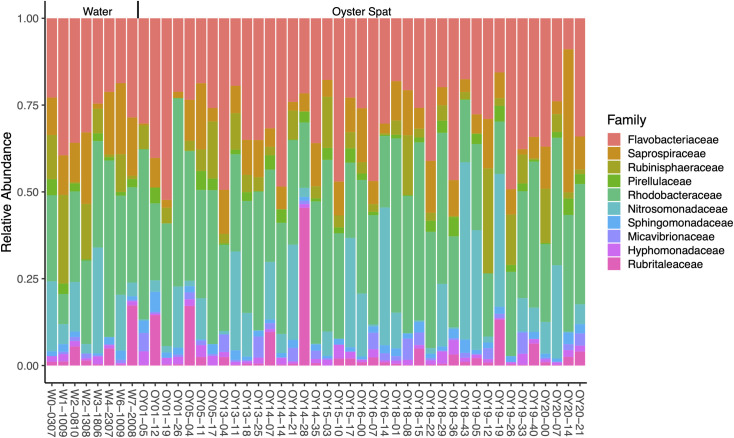
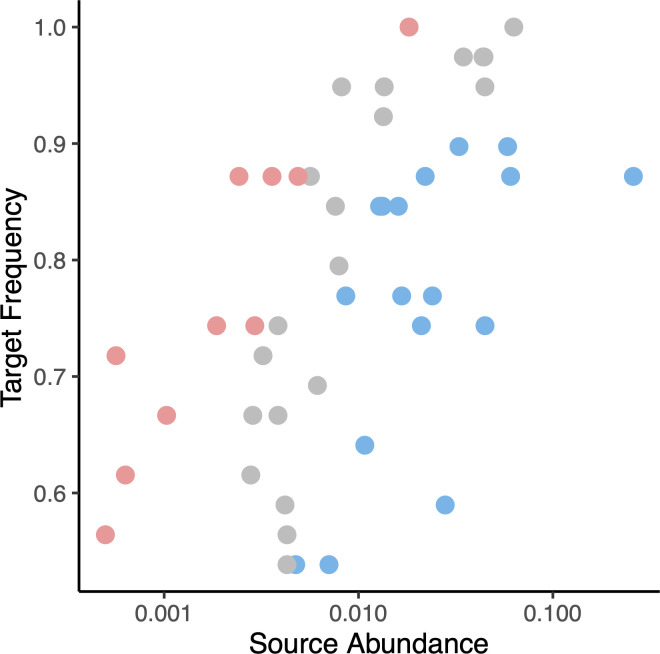
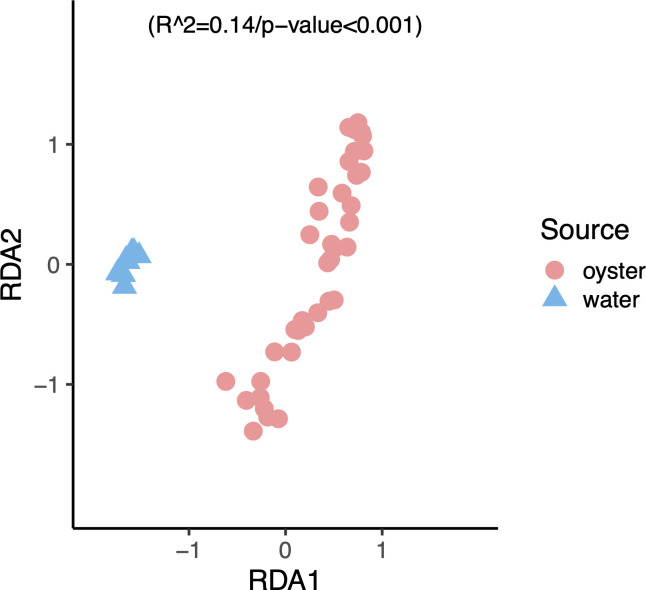
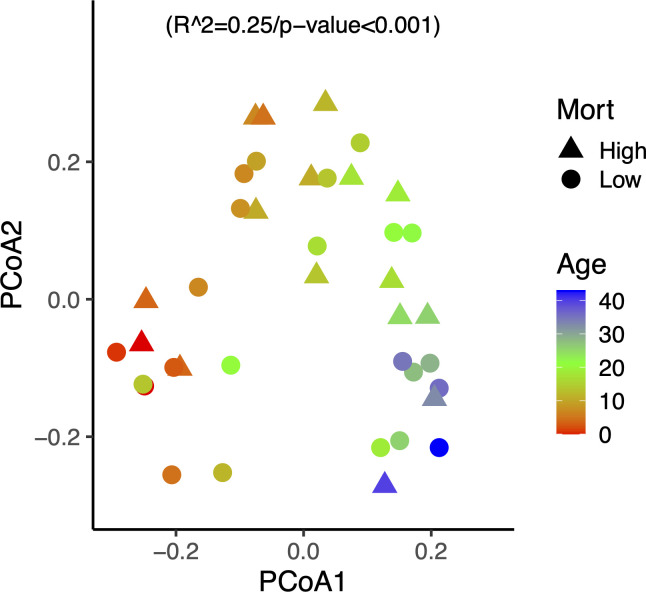
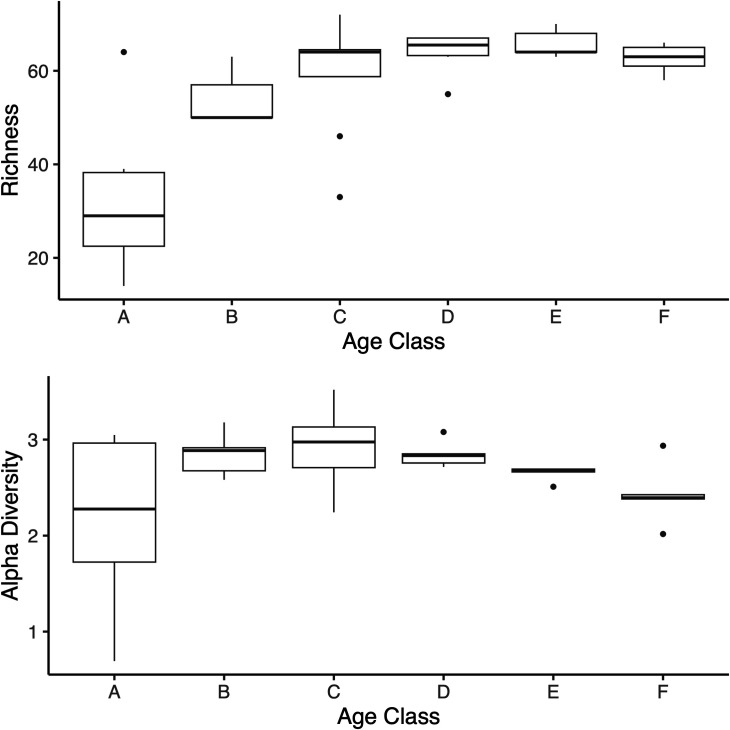
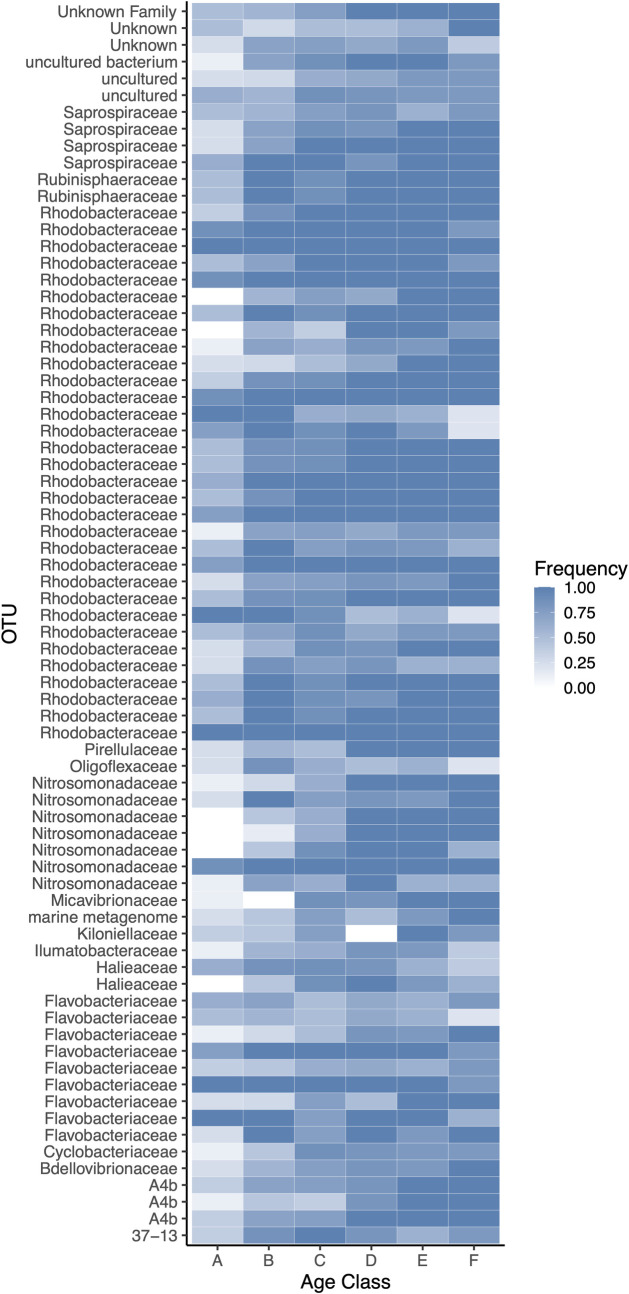
The Pacific oyster is the most widely cultured shellfish worldwide, but production has been affected by mortality events, including in hatcheries that supply the seed for growers. Several pathogens cause disease in oysters, but in many cases, mortality events cannot be attributed to a single agent and appear to be multifactorial, involving environmental variables and microbial interactions. As an organism's microbiome can provide resilience against pathogens and environmental stressors, we investigated the microbiomes in cohorts of freshly settled oyster spat, some of which experienced notable mortality. Deep sequencing of 16S rRNA gene fragments did not show a significant difference among the microbiomes of cohorts experiencing different mortality levels, but revealed a characteristic core microbiome comprising 74 taxa. Irrespective of mortality, the relative abundance of taxa in the core microbiomes changed significantly as the spat aged, yet remained distinct from the microbial community in the surrounding water. The core microbiome was dominated by bacteria in the families , , and . Within these families, 14 taxa designated as the "Hard-Core Microbiome" were indicative of changes in the core microbiome as the spat aged. The variability in diversity and richness of the core taxa decreased with age, implying niche occupation. As well, there was exchange of microbes with surrounding water during development of the core microbiome. The shift in the core microbiome demonstrates the dynamic nature of the microbiome as oyster spat age.IMPORTANCEThe Pacific oyster (, also known as ) is the most widely cultivated shellfish and is important to the economy of many coastal communities. However, high mortality of spat during the first few days following metamorphosis can affect the seed supply to oyster growers. Here, we show that the microbiome composition of recently settled oyster spat experiencing low or high mortality was not significantly different. Instead, development of the core microbiome was associated with spat aging and was partially driven by dispersal through the water. These findings imply the importance of early-stage rearing conditions for spat microbiome development in aquaculture facilities. Furthermore, shellfish growers could gain information about the developmental state of the oyster spat microbiome by assessing key taxa. Additionally, the study provides a baseline microbiome for future hypothesis testing and potential probiotic applications on developing spat.
太平洋牡蛎是全球养殖范围最广的贝类,但由于死亡率事件,包括为养殖户提供苗种的孵化场,其产量受到了影响。有几种病原体可导致牡蛎患病,但在许多情况下,死亡率事件不能归因于单一因素,而是似乎是多因素的,涉及环境变量和微生物相互作用。由于生物体的微生物组可以提供对病原体和环境胁迫的抵抗力,我们研究了刚定居的牡蛎幼体的微生物组,其中一些幼体经历了明显的死亡。对 16S rRNA 基因片段进行深度测序,并未显示经历不同死亡率水平的群体之间的微生物组有显著差异,但揭示了一个由 74 个分类群组成的特征核心微生物组。无论死亡率如何,核心微生物组中分类群的相对丰度随着幼体的老化而显著变化,但与周围水中的微生物群落仍然不同。核心微生物组主要由 、 、 和 科的细菌组成。在这些科中,有 14 个被指定为“硬核心微生物组”的分类群表明了核心微生物组随幼体老化而发生的变化。随着年龄的增长,核心分类群的多样性和丰富度的变化减少,暗示了生态位的占据。此外,在核心微生物组发育过程中,与周围水进行了微生物交换。核心微生物组的转变表明了微生物组随着牡蛎幼体年龄的增长而具有动态性质。
重要性:太平洋牡蛎(也称为牡蛎)是全球养殖范围最广的贝类,对许多沿海社区的经济都很重要。然而,变态后最初几天幼体的高死亡率会影响到养殖户的苗种供应。在这里,我们表明,经历低死亡率或高死亡率的刚定居牡蛎幼体的微生物组组成没有显著差异。相反,核心微生物组的发育与幼体老化有关,部分是由水传播驱动的。这些发现意味着在水产养殖设施中,早期养殖条件对幼体微生物组的发育很重要。此外,贝类养殖户可以通过评估关键分类群来获得有关牡蛎幼体微生物组发育的养殖状态信息。此外,该研究为未来在发育中的幼体上进行假设检验和潜在益生菌应用提供了一个基线微生物组。