Department of Ecology and Genetics/Limnology, Uppsala University, Evolutionary Biology Centre, EBC Norbyvägen 14-18, 752 36, Uppsala, Sweden.
Department of Earth Sciences, University of Gothenburg, Medicinaregatan 19, 41390, Gothenburg, Sweden.
Ambio. 2025 Jan;54(1):122-134. doi: 10.1007/s13280-024-02067-8. Epub 2024 Aug 20.
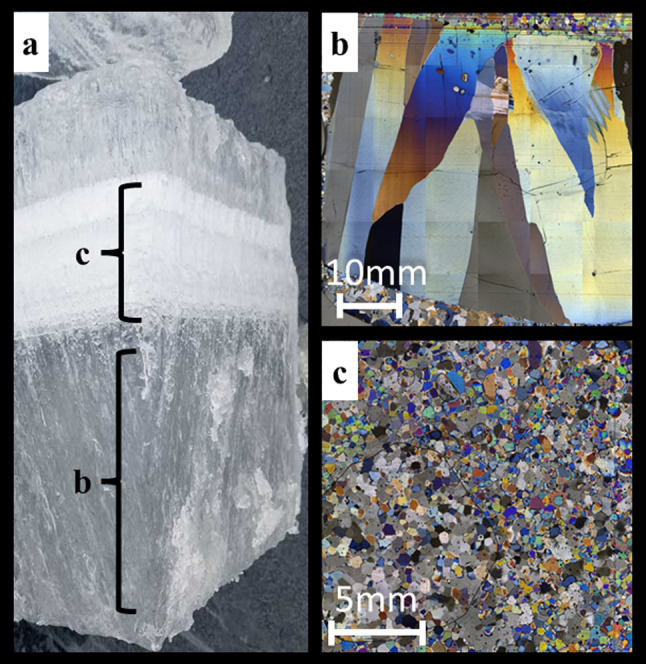
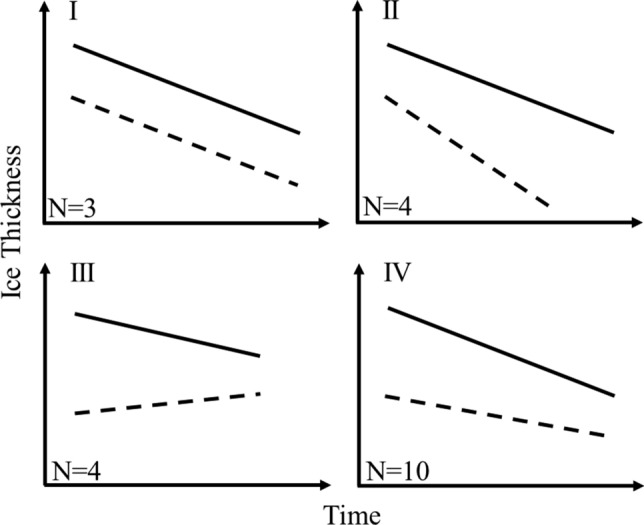
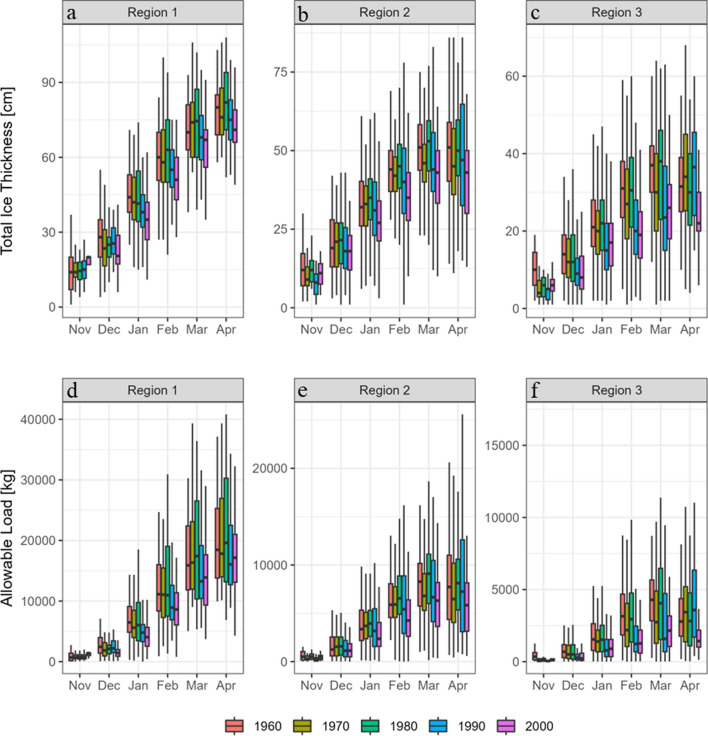
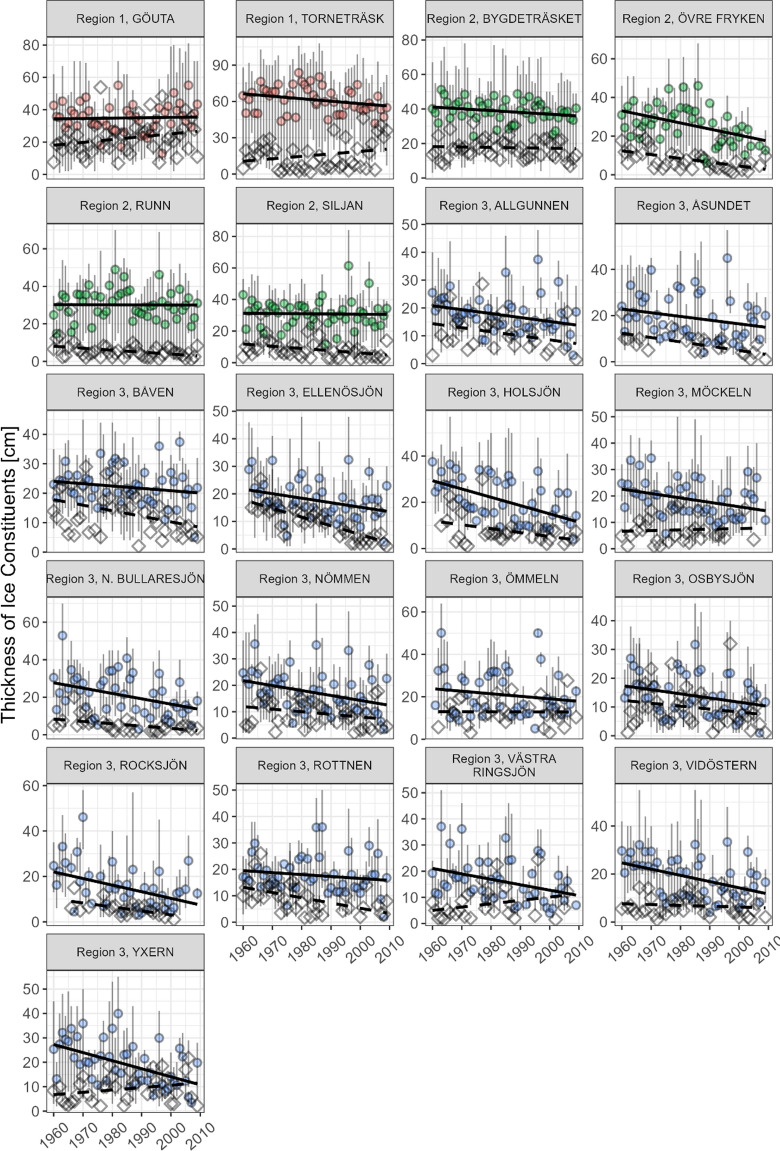
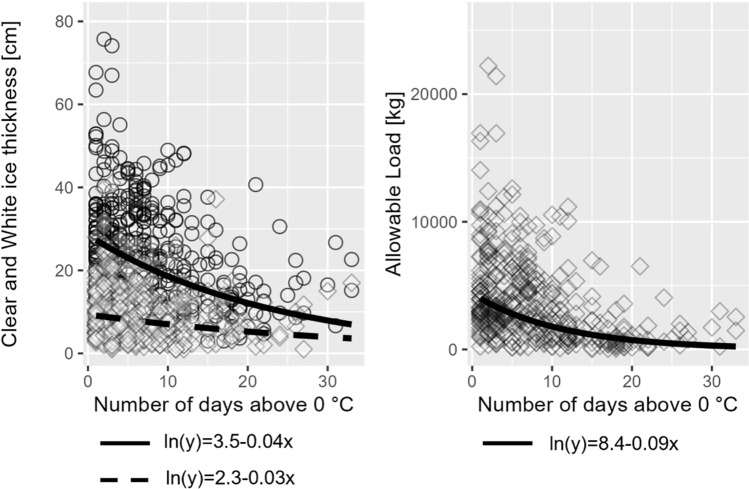
Lakes are rapidly losing ice under global warming, but little is known about ice structure changes. Ice structure is a key regulator of ice stability and thus safety, affecting activities on ice. Here, we analysed spatial and temporal variations in ice structure across 21 Swedish lakes, spanning from 55 to 69 °N, and over five decades. We found regional differences in ice structure, with fastest changes occurring in southern Sweden. The stable clear ice layer was particularly sensitive to warming, showing a rapid decline. The number of days when temperatures exceeded the freezing point during the ice cover period was identified as a strong driver for how ice was structured. Since there is a high risk for increased occurrences of unsafe ice conditions under predicted air temperature changes, we recommend re-establishing ice structure monitoring programmes, informing society on the increased risks of being on ice and including ice structure to safety guidelines.
在全球变暖的影响下,湖泊中的冰正在迅速消失,但我们对冰结构的变化知之甚少。冰结构是冰稳定性的关键调节因素,因此也会影响冰上活动的安全性。在这里,我们分析了跨越 55 至 69°N,跨越五个十年的 21 个瑞典湖泊的冰结构的时空变化。我们发现冰结构存在区域差异,南部瑞典的变化最快。稳定的明冰层对变暖特别敏感,迅速减少。在冰盖期间,温度超过冰点的天数被确定为影响冰结构的一个重要因素。由于在预测的气温变化下,不安全的冰况发生的风险很高,因此我们建议重新建立冰结构监测计划,向社会告知在冰上的风险增加,并将冰结构纳入安全指南。