Vasseghi M, Behan C, Connolly A, Cunningham D, Dempsey E, Flynn C, Galvin M, Griffin G, Moloney P, Murphy M, Owen Y, O'Malley S, O'Rourke G, O'Sullivan O, Doherty C P
Academic Unit of Neurology, School of Medicine, Trinity College Dublin (The University of Dublin), Dublin, Ireland.
FutureNeuro, SFI Research Centre, Dublin, Ireland.
J Rare Dis (Berlin). 2024;3(1):24. doi: 10.1007/s44162-024-00049-8. Epub 2024 Aug 19.
Tuberous sclerosis complex (TSC) is a rare approximate 1:6000 birth incidence, a genetic disease with a wide variability of physical and neuropsychiatric symptoms. Patients require lifelong care from multiple healthcare specialities, for which International and United Kingdom (UK) TSC consensus recommendations exist. Personalised care delivered by a centralised coordinated team of TSC experts is recommended. There is no such service for the estimated 600 TSC patients in the Republic of Ireland (ROI) and there is a paucity of information regarding the healthcare of this group.
Evaluate the baseline care of patients with TSC attending epilepsy services in the Republic of Ireland (ROI) against UK TSC consensus recommendations.
Patients with a diagnosis of TSC attending 12 adult and paediatric epilepsy centres in the ROI were identified. Clinical audits measured the baseline care of a subset of these patients against UK, TSC clinical recommendations. Data was anonymised and analysed at Trinity College Dublin.
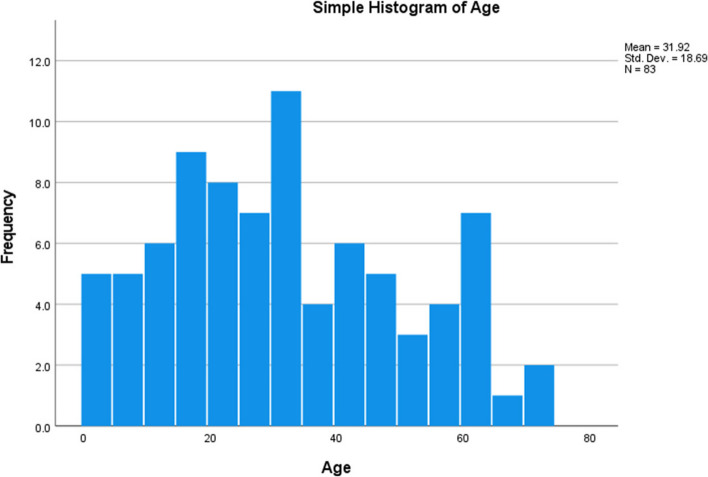
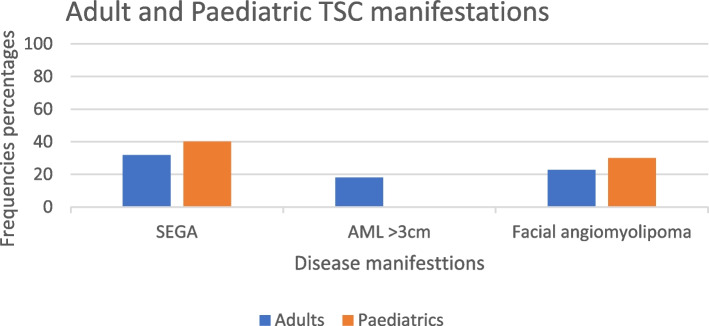
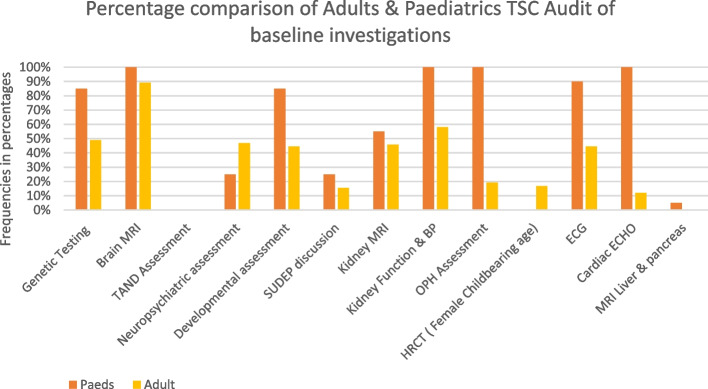
One hundred thirty-five TSC patients attending twelve epilepsy centres were identified. Adults ( = 67) paediatric ( = 68). The care of 83 patients was audited ( = 63 ≥ 18 years) and ( = 20 < 18 years). Many baseline tests were completed, however, they required intra or interhospital referral. Care appears fragmented and there was no evidence of formal disease surveillance plans.
The number of TSC patients attending epilepsy services is lower than expected ( = 135). Specialist services and treatments for TSC are available through informal referral pathways. Although UK, TSC consensus baseline recommendations are roughly adhered to, care is fragmented. Increased coordination of care could benefit disease management.
The online version contains supplementary material available at 10.1007/s44162-024-00049-8.
结节性硬化症(TSC)是一种罕见的疾病,出生发病率约为1:6000,是一种具有广泛身体和神经精神症状变异性的遗传疾病。患者需要多个医疗专科提供终身护理,对此国际和英国(UK)有TSC共识建议。建议由TSC专家集中协调团队提供个性化护理。爱尔兰共和国(ROI)估计有600名TSC患者,但没有这样的服务,并且关于该群体医疗保健的信息匮乏。
对照英国TSC共识建议评估爱尔兰共和国(ROI)癫痫服务中TSC患者的基线护理情况。
确定在ROI的12个成人和儿科癫痫中心就诊的TSC诊断患者。临床审计对照英国TSC临床建议对这些患者的一个子集的基线护理进行评估。数据在都柏林三一学院进行匿名化处理和分析。
确定了135名在12个癫痫中心就诊的TSC患者。成人(n = 67),儿科(n = 68)。对83名患者的护理进行了审计(n = 63≥18岁)和(n = 20<18岁)。许多基线检查已完成,但需要院内或院间转诊。护理似乎分散,且没有正式疾病监测计划的证据。
就诊于癫痫服务的TSC患者数量低于预期(n = 135)。TSC的专科服务和治疗可通过非正式转诊途径获得。尽管大致遵循了英国TSC共识基线建议,但护理是分散的。加强护理协调可能有益于疾病管理。
在线版本包含可在10.1007/s44162-024-00049-8获取的补充材料。