Hou Xiaorong, Bai Zhaofang, Chen Yuanyuan, Shi Wei, Yang Huijie, Li Ruisheng, Zhan Xiaoyan, Liu Youping, Zhao Xu, Xiao Xiaohe
School of Pharmacy/School of Modern Chinese Medicine Industry, Chengdu University of Traditional Chinese Medicine, Chengdu, 611137, China.
Department of Hepatology, Fifth Medical Center of Chinese PLA General Hospital, Beijing, 100039, China.
Chin Med. 2024 Aug 21;19(1):112. doi: 10.1186/s13020-024-00979-x.
Squama Manis is a valuable traditional Chinese medicine with a long history of medicinal use in the treatment of breast-related diseases. However, owing to the excessive exploitation and utilization of the resources, Squama Manis has been included in the list of rare and endangered wild animals. The conservation of the resources of Squama Manis and continuing its clinical application has become an urgent problem, and the search for small-molecule substitutes for Squama Manis is an effective way to achieve this goal. Previous studies have identified PA3264 as a possible active ingredient in Squama Manis. In this study, we systematically investigated the pharmacological effects and mechanisms of PA3264 in the treatment of triple-negative breast cancer (TNBC), a representative breast-related disease.
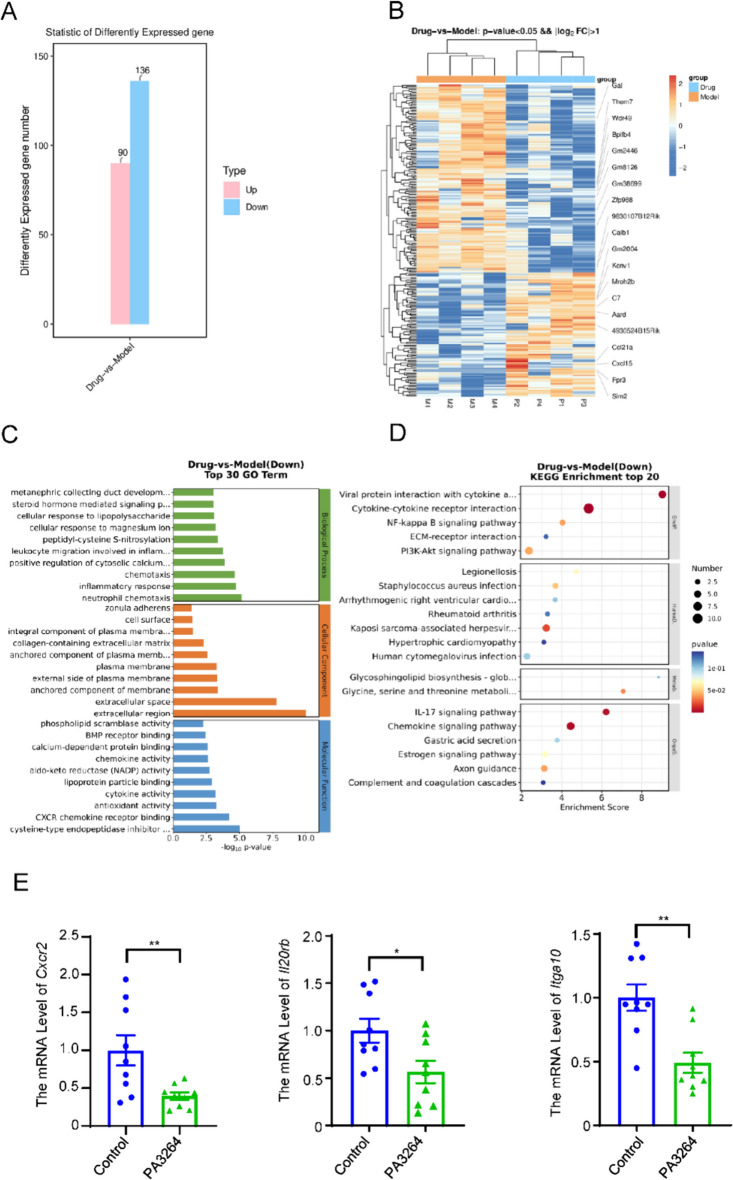
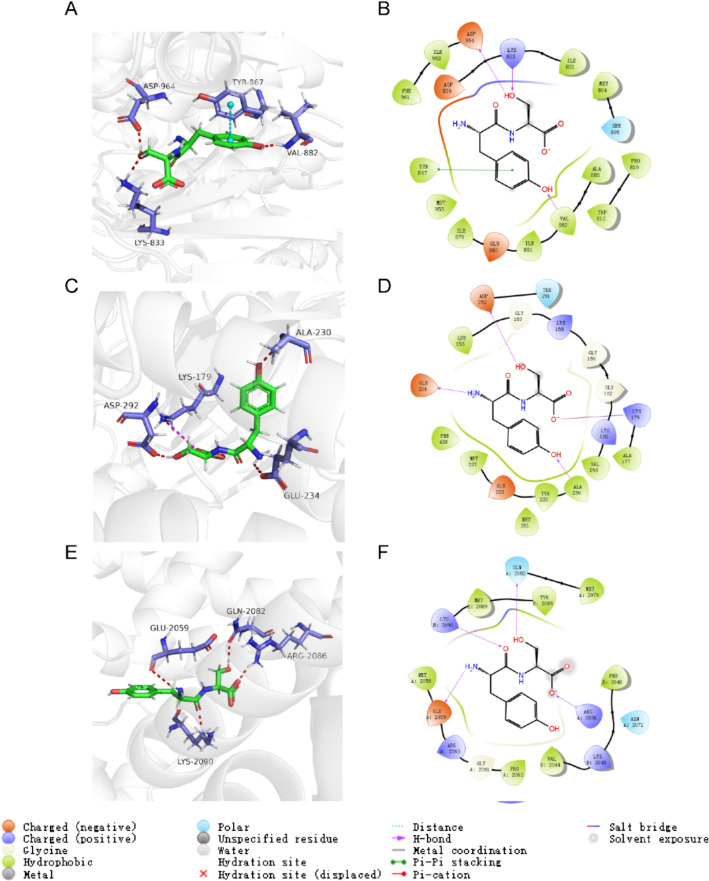
Cell viability and colony formation assays were performed after treatment with the target dipeptide PA3264 in vitro. Next, 4T1 orthotopic tumors and humanized PBMC-CDX mouse models were generated to examine the antitumor effect of PA3264 in vivo. Transcriptome sequencing and molecular docking experiments were performed to predict pathways to function. Western blotting and quantitative real-time PCR were used to validate the molecular mechanisms underlying the anticancer effects of PA3264.
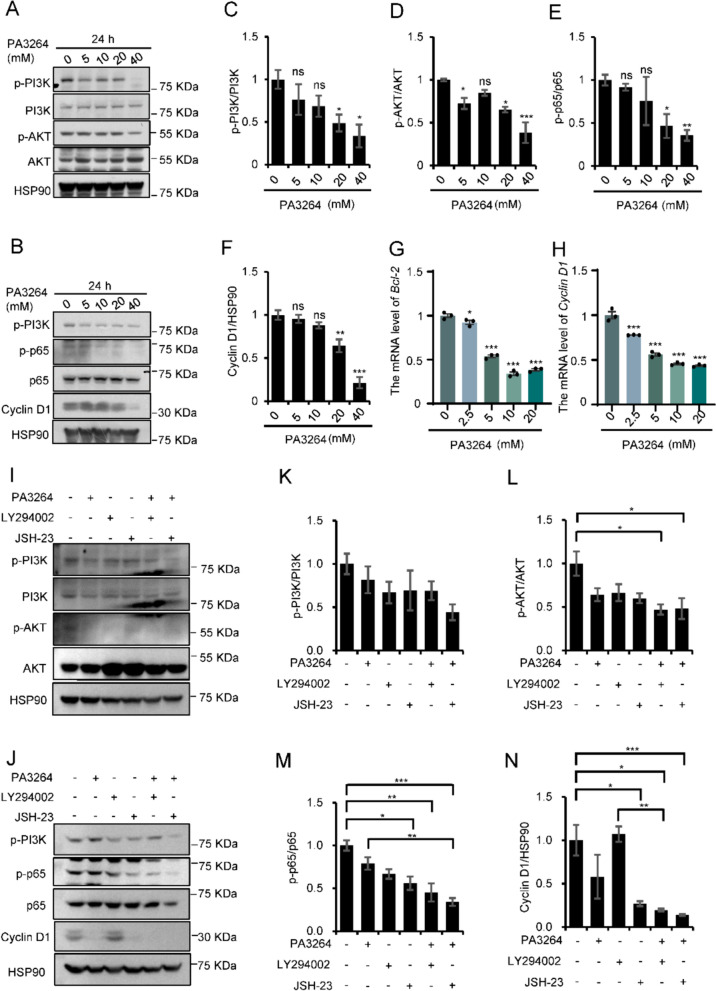
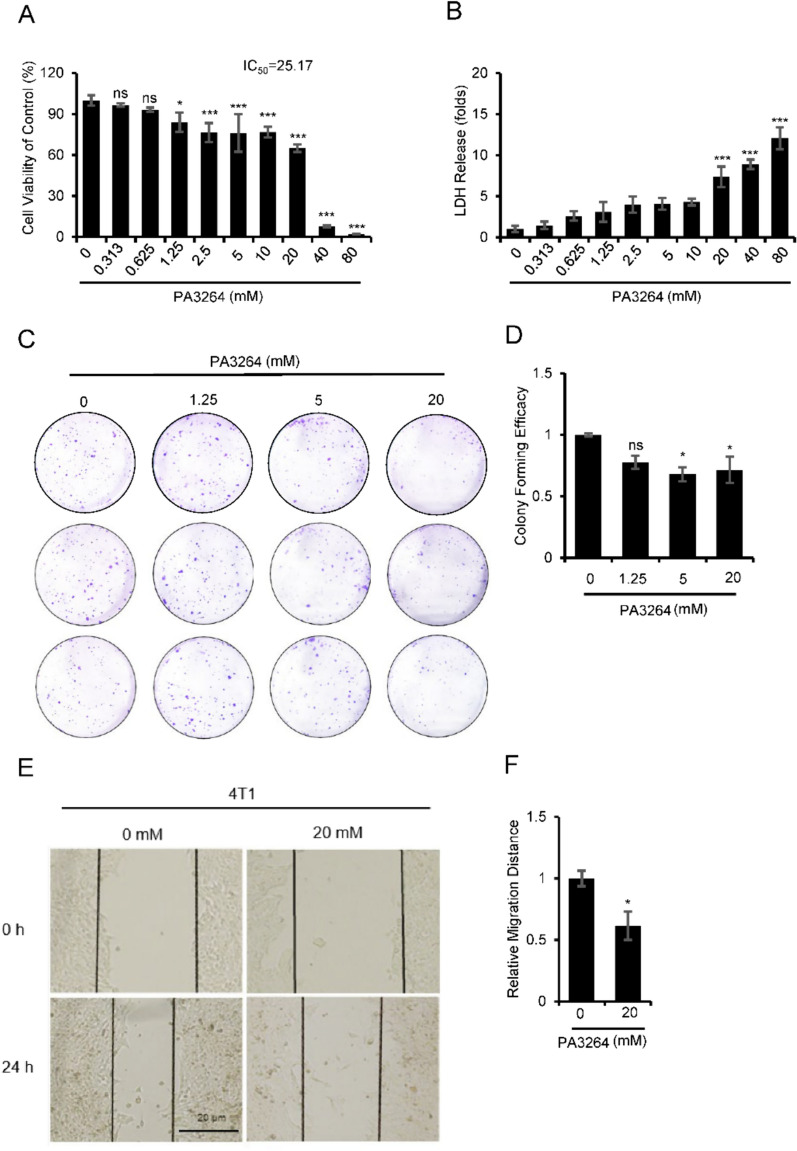
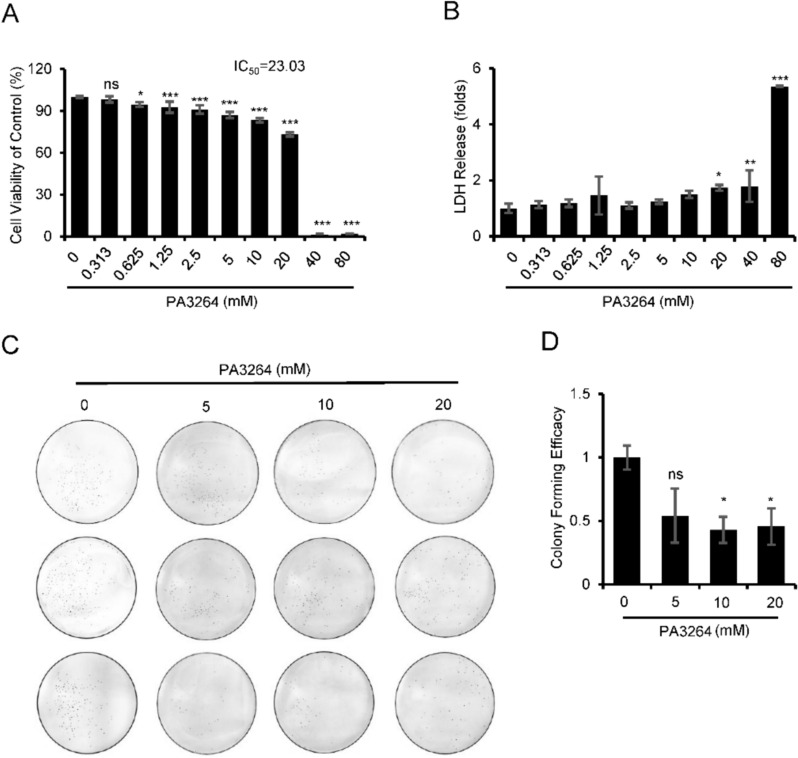
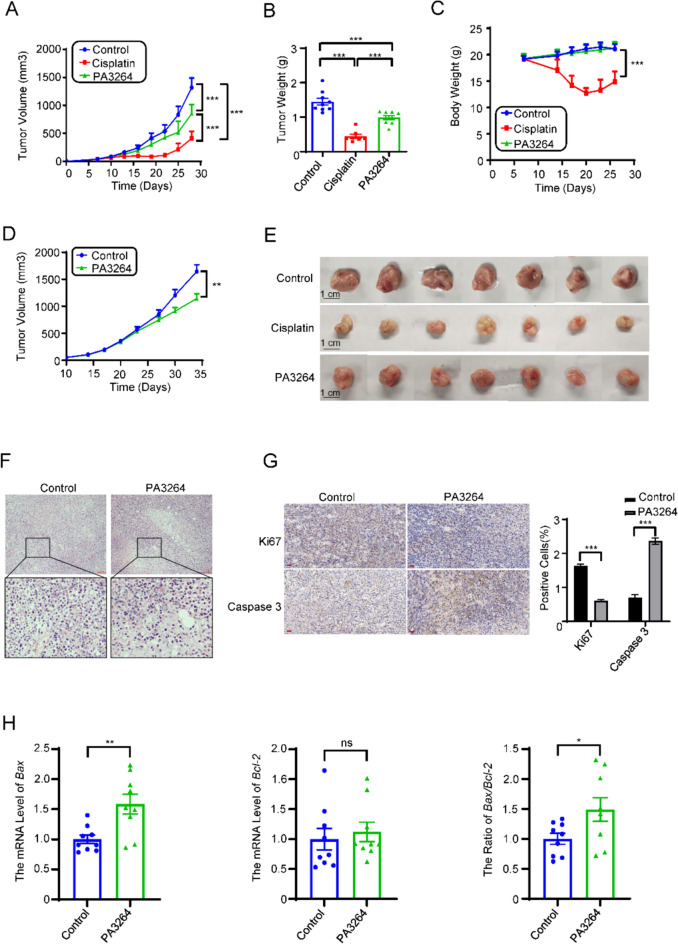
PA3264 significantly inhibited cell viability and migration of breast cancer cells in vitro. Furthermore, PA3264 suppressed the tumor size and reduced the tumor weight in vivo. Finally, it was verified that PA3264 prevented the progression of breast cancer by inhibiting the PI3K/AKT/NF-κB pathway, causing cell cycle arrest, and promoting apoptosis.
This study elucidated that PA3264 derived from rare and endangered Squama Manis was a novel bioactive peptide for treating triple-negative breast cancer from a scientific research perspective.
穿山甲是一种珍贵的传统中药,在治疗乳腺相关疾病方面有着悠久的药用历史。然而,由于资源的过度开发利用,穿山甲已被列入珍稀濒危野生动物名录。穿山甲资源的保护及其临床应用的延续已成为一个紧迫问题,寻找穿山甲的小分子替代物是实现这一目标的有效途径。以往研究已确定PA3264为穿山甲可能的活性成分。在本研究中,我们系统地研究了PA3264治疗三阴性乳腺癌(TNBC)(一种典型的乳腺相关疾病)的药理作用及机制。
体外给予目标二肽PA3264处理后进行细胞活力和集落形成实验。接下来,构建4T1原位肿瘤和人源化PBMC-CDX小鼠模型,以检测PA3264的体内抗肿瘤作用。进行转录组测序和分子对接实验以预测作用途径。采用蛋白质免疫印迹法和定量实时PCR法验证PA3264抗癌作用的分子机制。
PA3264在体外显著抑制乳腺癌细胞的活力和迁移。此外,PA3264在体内抑制肿瘤大小并减轻肿瘤重量。最后,证实PA3264通过抑制PI3K/AKT/NF-κB途径、导致细胞周期停滞和促进凋亡来阻止乳腺癌进展。
本研究从科研角度阐明,源自珍稀濒危穿山甲的PA3264是一种治疗三阴性乳腺癌的新型生物活性肽。