Liu Yuan, He Xu, Di Zhibiao, Du Xia
Institute of Traditional Chinese Medicine, Shaanxi Academy of Traditional Chinese Medicine, Xi'an, Shaanxi 710003, China.
Department of Integrated Traditional Chinese and Western Medicine, Shaanxi University of Chinese Medicine, Xianyang 711301, China.
ACS Omega. 2022 Jan 28;7(5):3925-3939. doi: 10.1021/acsomega.1c04491. eCollection 2022 Feb 8.
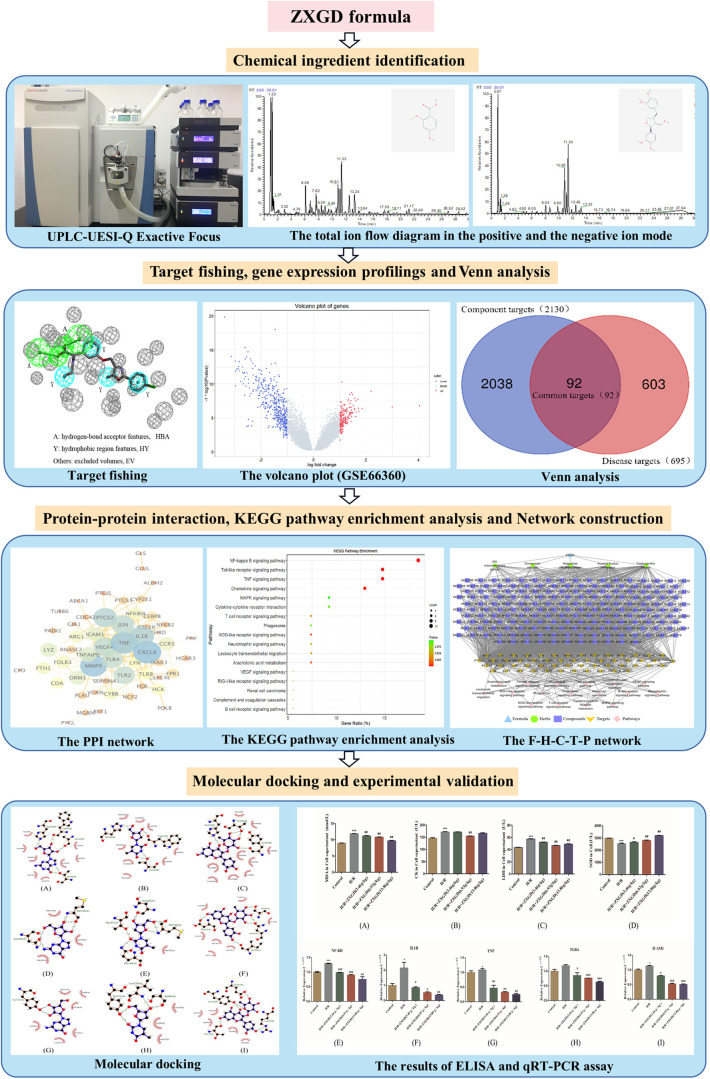
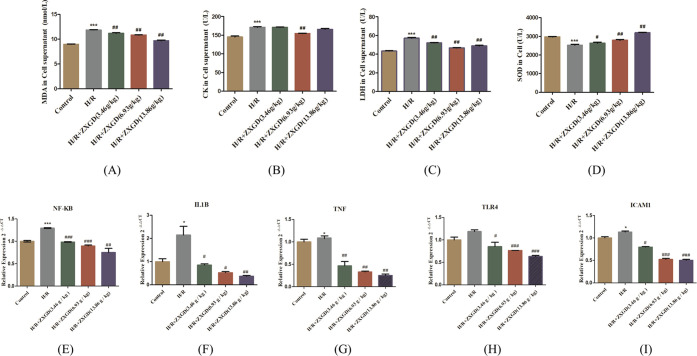
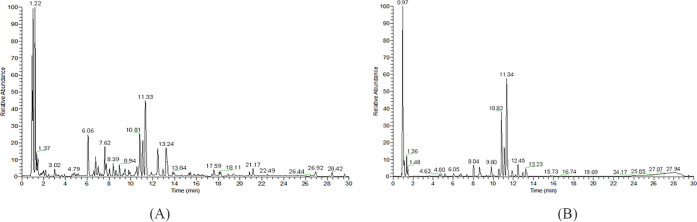
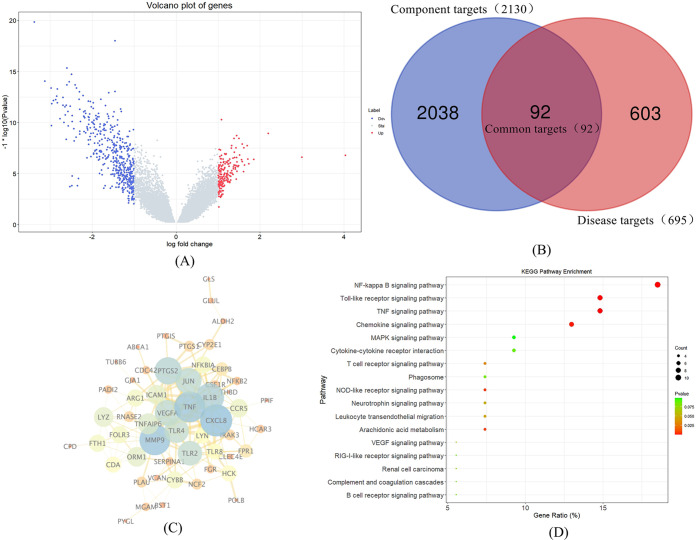
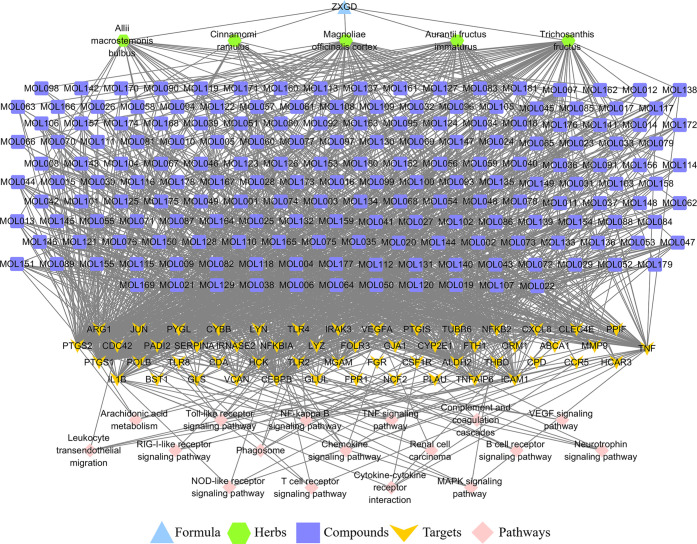
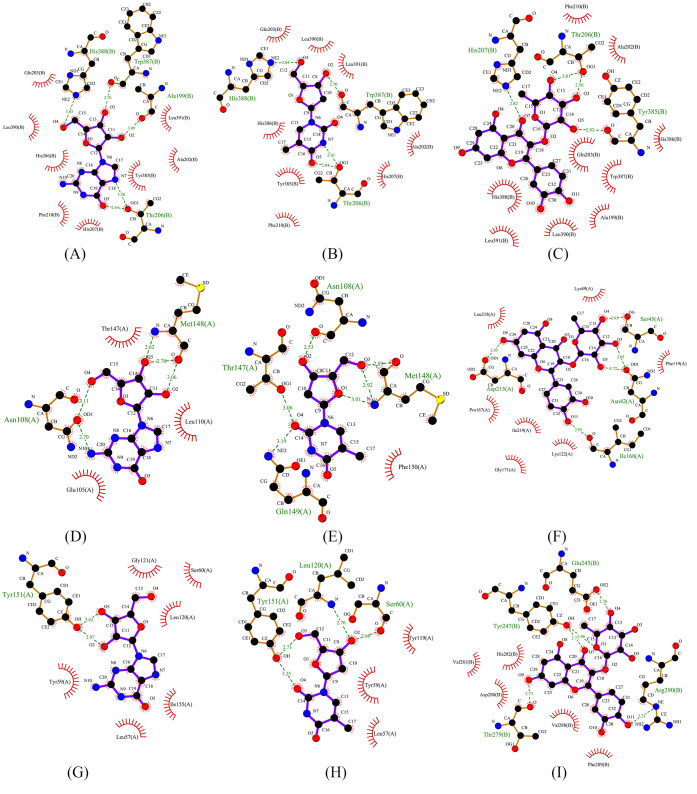
As one of the most common clinical cardiovascular diseases (CVDs), coronary heart disease (CHD) is the most common cause of death in the world. It has been confirmed that Zhishi Xiebai Guizhi decoction (ZXGD), a classical prescription of the traditional Chinese medicine (TCM), has achieved certain effects in the treatment of CHD; however, the mechanism still remains controversial. In this paper, an integrated approach, including UPLC-UESI-Q Exactive Focus, gene expression profiling, network pharmacology, and experimental validation, was introduced to systematically investigate the mechanism of ZXGD in the treatment of CHD. First, UPLC-UESI-Q Exactive Focus was applied to identify the chemical compounds of ZXGD. Then, the targets of the components for ZXGD were predicted by MedChem Studio software embed in the integrative pharmacology-based research platform of TCM, and the differentially expressed genes (DEGs) of CHD were obtained by gene expression profiling in gene expression omnibus database. The common genes of the above two genes were obtained by Venn analysis as the targets of GXGD in treatment with CHD. Third, the core targets were screened out by protein-protein interaction network analysis, and the kyoto encyclopedia of genes and genomes pathway enrichment analysis was performed by the database for annotation, visualization, and integrated discovery bioinformatics resources. After that, the formula-herb-compound-target-pathway network was constructed to explore the mechanism of ZXGD in the treatment of CHD. Finally, molecular docking and the vitro experiment were carried out to validate some key targets. As a result, a total of 39 compounds, 12 core targets, and 4 pathways contributed to ZXGD for the treatment of CHD. This study preliminarily provided a foundation for the study on the mechanism against CHD for ZXGD and may be a reference for the compatibility mechanism and the extended application of TCM compound prescription.
作为最常见的临床心血管疾病(CVDs)之一,冠心病(CHD)是全球最常见的死亡原因。已经证实,中药经典方剂枳实薤白桂枝汤(ZXGD)在冠心病治疗中取得了一定疗效;然而,其作用机制仍存在争议。本文引入了一种综合方法,包括超高效液相色谱-超高效电喷雾电离-四级杆飞行时间质谱联用(UPLC-UESI-Q Exactive Focus)、基因表达谱分析、网络药理学和实验验证,以系统地研究ZXGD治疗冠心病的机制。首先,应用UPLC-UESI-Q Exactive Focus鉴定ZXGD的化学成分。然后,通过嵌入中医综合药理学研究平台的MedChem Studio软件预测ZXGD各成分的靶点,并通过基因表达综合数据库中的基因表达谱分析获得冠心病的差异表达基因(DEGs)。通过韦恩分析获得上述两个基因的共同基因,作为ZXGD治疗冠心病的靶点。第三,通过蛋白质-蛋白质相互作用网络分析筛选出核心靶点,并通过注释、可视化和综合发现生物信息学资源数据库进行京都基因与基因组百科全书通路富集分析。之后,构建方剂-草药-化合物-靶点-通路网络,以探索ZXGD治疗冠心病的机制。最后,进行分子对接和体外实验以验证一些关键靶点。结果显示,共有39种化合物、12个核心靶点和4条通路参与了ZXGD对冠心病的治疗作用。本研究初步为ZXGD抗冠心病机制的研究提供了基础,可能为中药复方的配伍机制及拓展应用提供参考。