
基于迷走神经电图检测急性海藻酸诱导的癫痫发作。
Vagus nerve electroneurogram-based detection of acute kainic acid induced seizures.
作者信息
Acedo Reina Elena, Germany Morrison Enrique, Dereli Ayse S, Collard Elise, Raffoul Romain, Nonclercq Antoine, El Tahry Riëm
机构信息
Clinical Neuroscience, Institute of Neuroscience (IoNS), Université Catholique de Louvain, Brussels, Belgium.
Walloon Excellence in Life Sciences and Biotechnology (WELBIO) Department, WEL Research Institute, Wavre, Belgium.
出版信息
Front Neurosci. 2024 Aug 7;18:1427308. doi: 10.3389/fnins.2024.1427308. eCollection 2024.
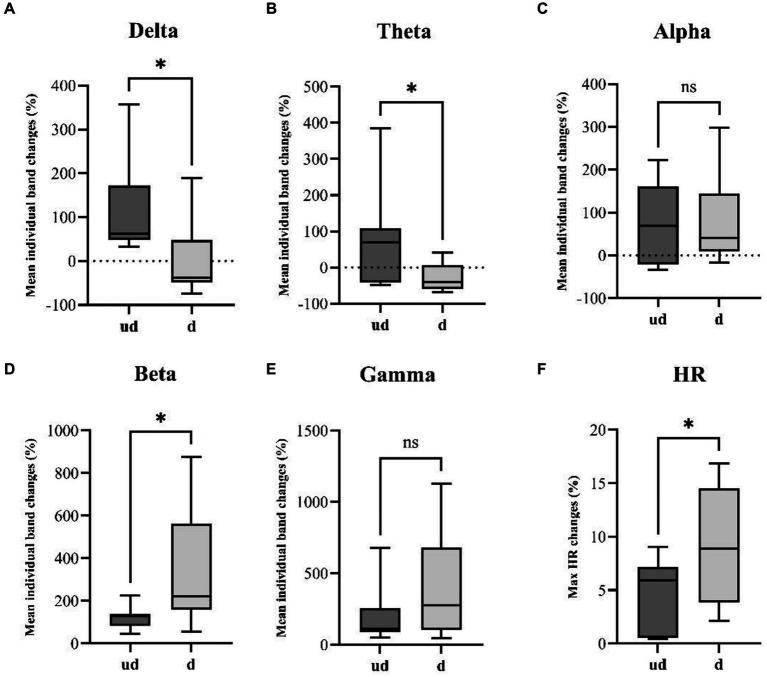
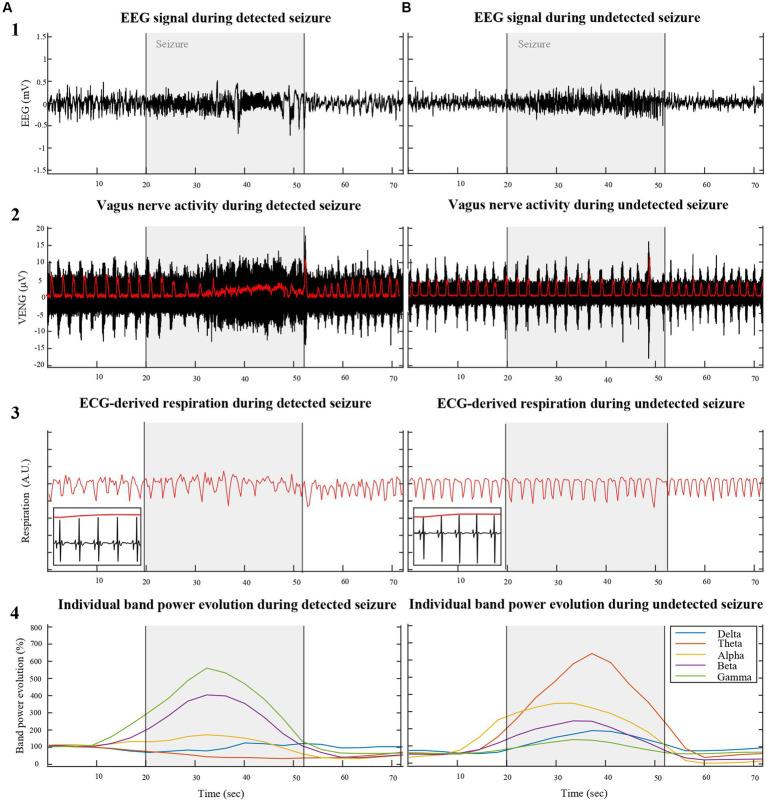
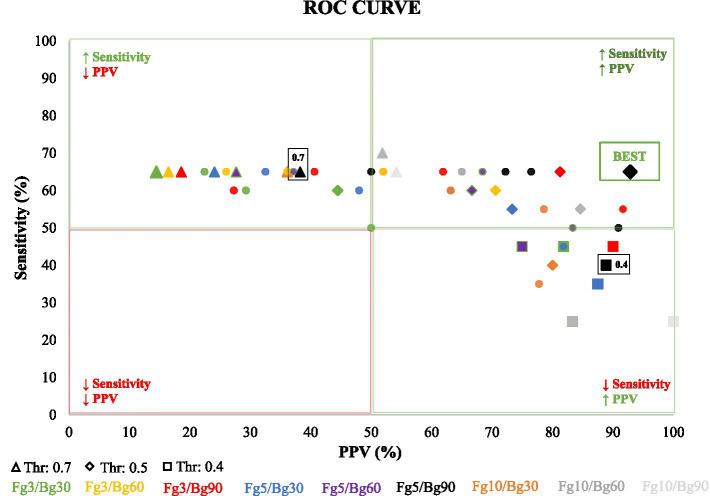
Seizures produce autonomic symptoms, mainly sympathetic but also parasympathetic in origin. Within this context, the vagus nerve is a key player as it carries information from the different organs to the brain and vice versa. Hence, exploiting vagal neural traffic for seizure detection might be a promising tool to improve the efficacy of closed-loop Vagus Nerve Stimulation. This study developed a VENG detection algorithm that effectively detects seizures by emphasizing the loss of spontaneous rhythmicity associated with respiration in acute intrahippocampal Kainic Acid rat model. Among 20 induced seizures in six anesthetized rats, 13 were detected (sensitivity: 65%, accuracy: 92.86%), with a mean VENG-detection delay of 25.3 ± 13.5 s after EEG-based seizure onset. Despite variations in detection parameters, 7 out of 20 seizures exhibited no ictal VENG modifications and remained undetected. Statistical analysis highlighted a significant difference in Delta, Theta and Beta band evolution between detected and undetected seizures, in addition to variations in the magnitude of HR changes. Binomial logistic regression analysis confirmed that an increase in delta and theta band activity was associated with a decreased likelihood of seizure detection. This results suggest the possibility of distinct seizure spreading patterns between the two groups which may results in differential activation of the autonomic central network. Despite notable progress, limitations, particularly the absence of respiration recording, underscore areas for future exploration and refinement in closed-loop stimulation strategies for epilepsy management. This study constitutes the initial phase of a longitudinal investigation, which will subsequently involve reproducing these experiments in awake conditions with spontaneous recurrent seizures.
癫痫发作会产生自主神经症状,主要源于交感神经,但也有副交感神经的作用。在此背景下,迷走神经起着关键作用,因为它能将不同器官的信息传递至大脑,反之亦然。因此,利用迷走神经神经活动进行癫痫检测可能是提高闭环迷走神经刺激疗效的一种有前景的工具。本研究开发了一种VENG检测算法,该算法通过强调急性海马内注射 kainic 酸大鼠模型中与呼吸相关的自发节律性丧失来有效检测癫痫发作。在六只麻醉大鼠诱发的20次癫痫发作中,检测到13次(灵敏度:65%,准确率:92.86%),基于脑电图的癫痫发作开始后,VENG检测的平均延迟为25.3±13.5秒。尽管检测参数存在差异,但20次癫痫发作中有7次未表现出发作期VENG改变,仍未被检测到。统计分析突出了检测到和未检测到的癫痫发作之间在δ、θ和β波段演变方面的显著差异,以及心率变化幅度的差异。二项式逻辑回归分析证实,δ和θ波段活动的增加与癫痫发作检测可能性的降低有关。这些结果表明两组之间可能存在不同的癫痫传播模式,这可能导致自主神经中枢网络的不同激活。尽管取得了显著进展,但局限性,尤其是缺乏呼吸记录,凸显了癫痫管理闭环刺激策略未来探索和改进的领域。本研究构成了纵向研究的初始阶段,后续将在清醒状态下进行自发复发性癫痫发作的实验重复。
 Zotero 插件