Jyothi B, Varma P Srinivasa, Ravikumar C V, Dhanamjayulu C, Kim Tai-Hoon, Rao K P Prasad, Rajesh A, Ahmad Shafiq
Department of EEE, Koneru Lakshmaiah Education Foundation, Guntur, Andhra Pradesh, India.
School of Electronics Engineering, Vellore Institute of Technology, Vellore, Tamil Nadu, India.
Sci Rep. 2024 Aug 22;14(1):19486. doi: 10.1038/s41598-024-68713-z.
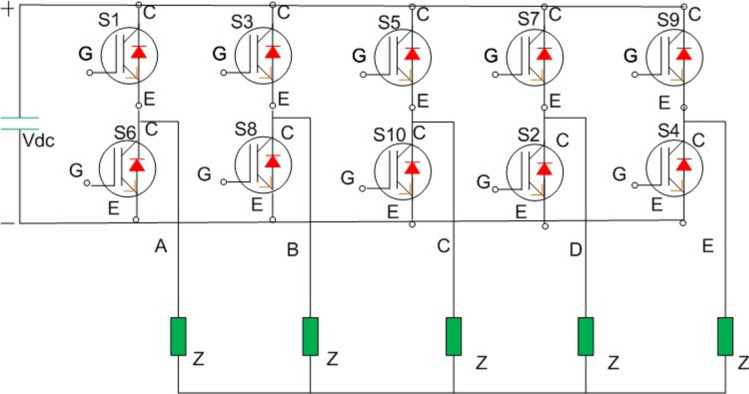
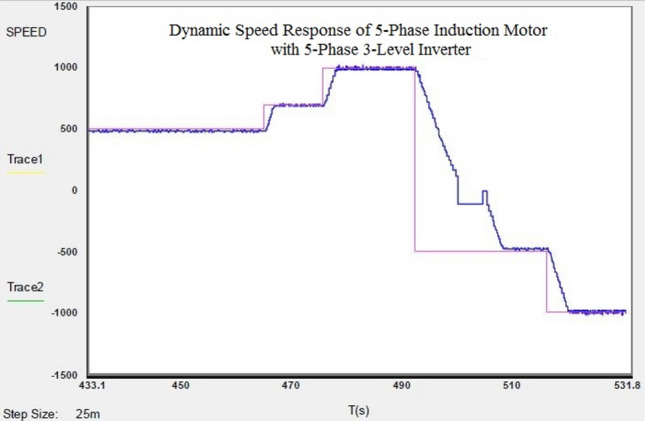
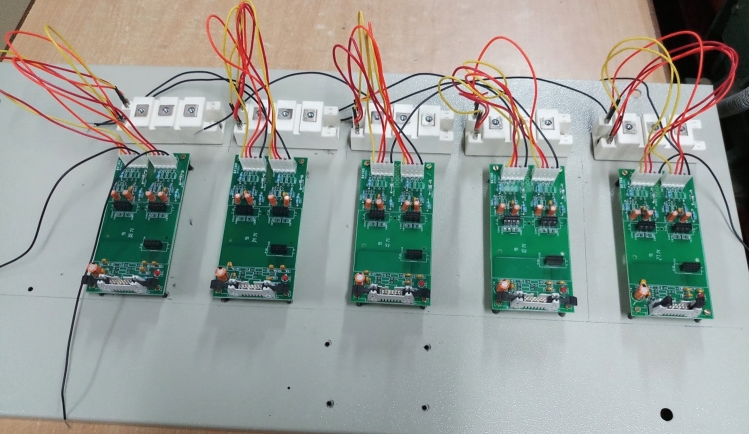
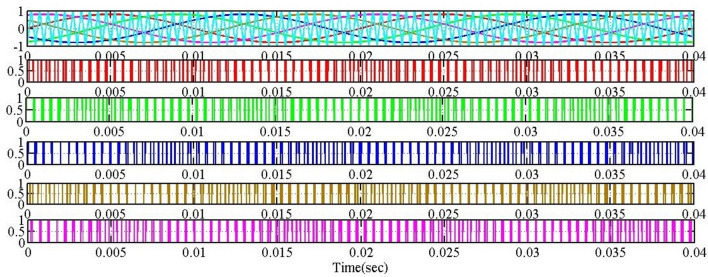
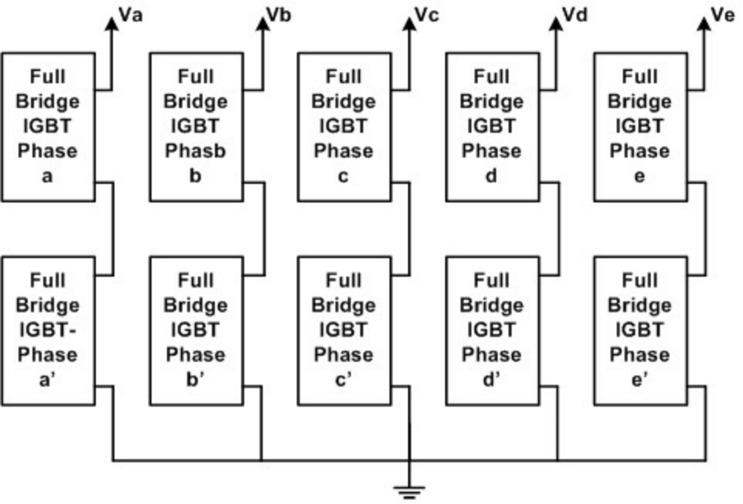
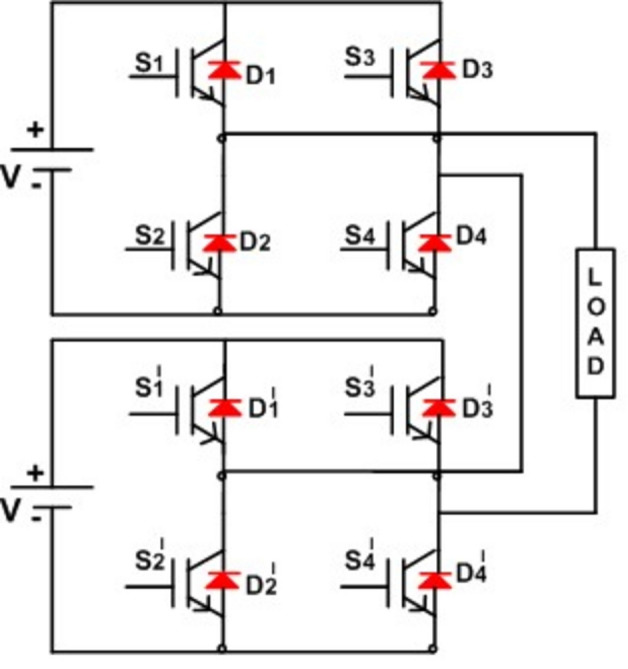
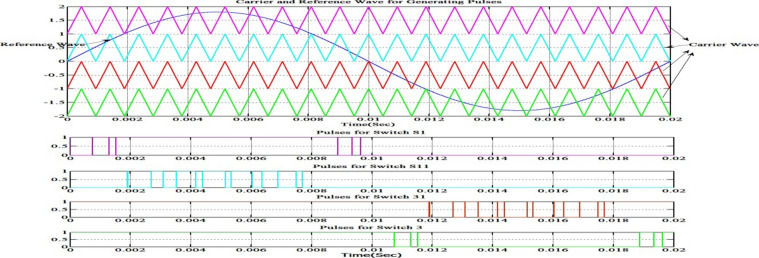
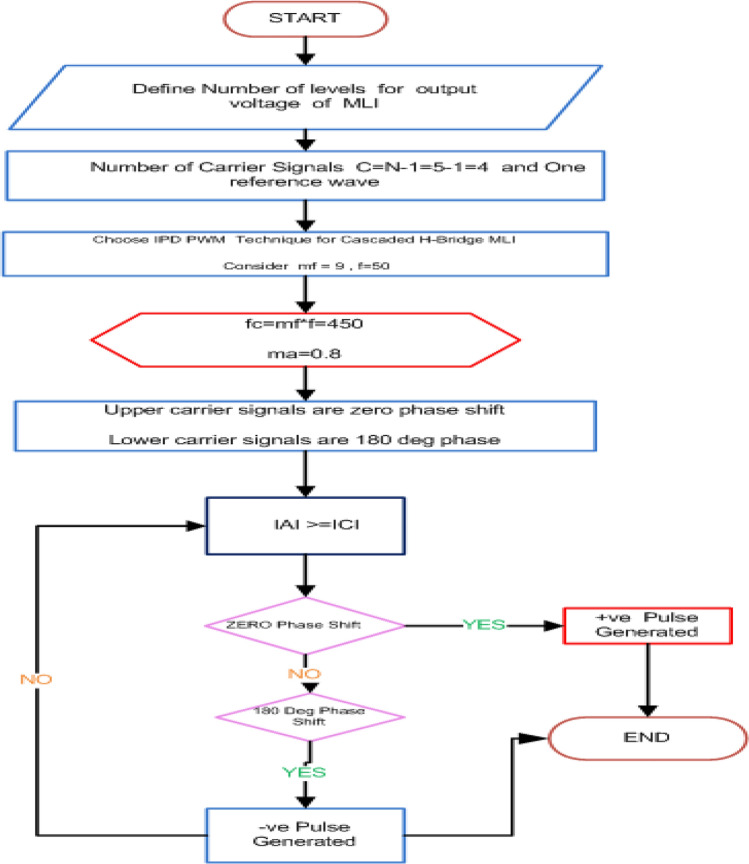
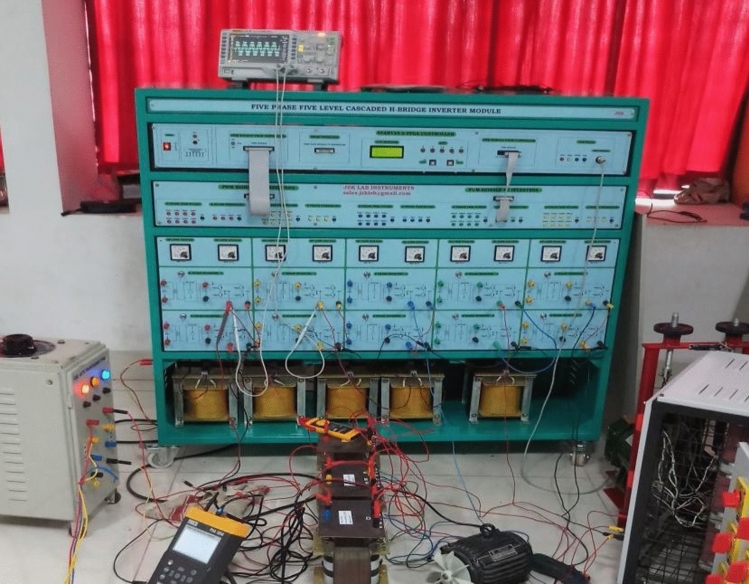
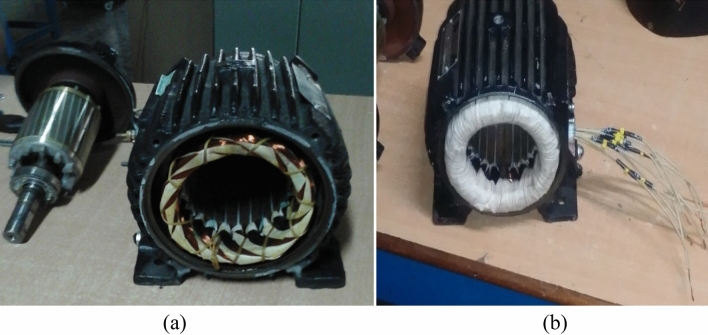
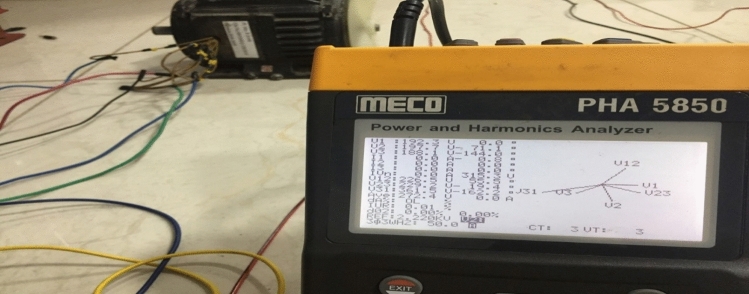
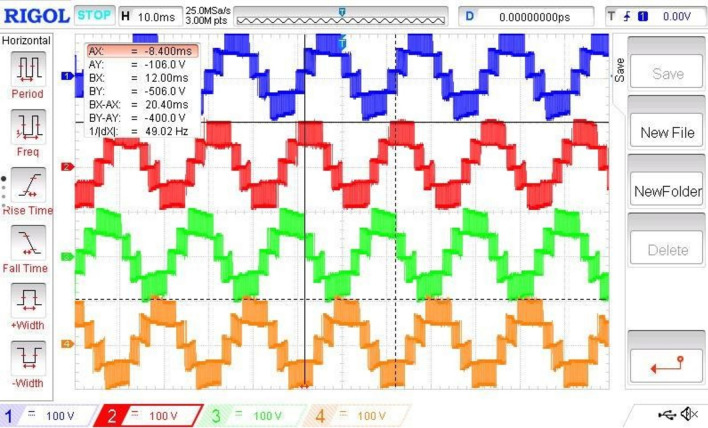
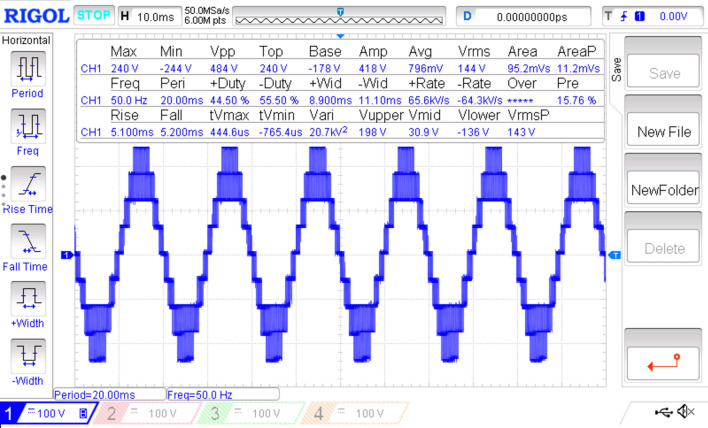
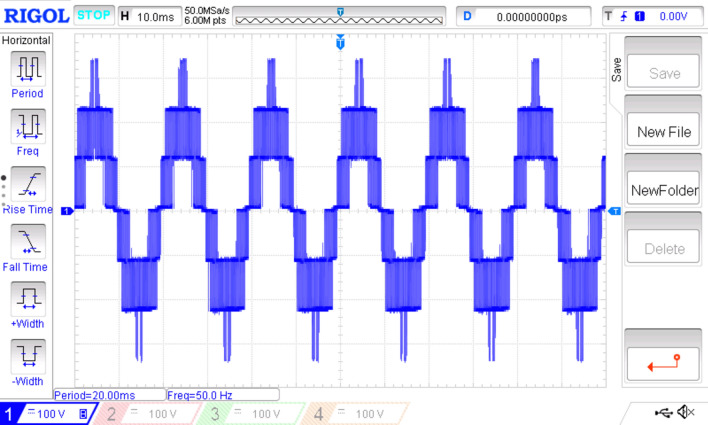
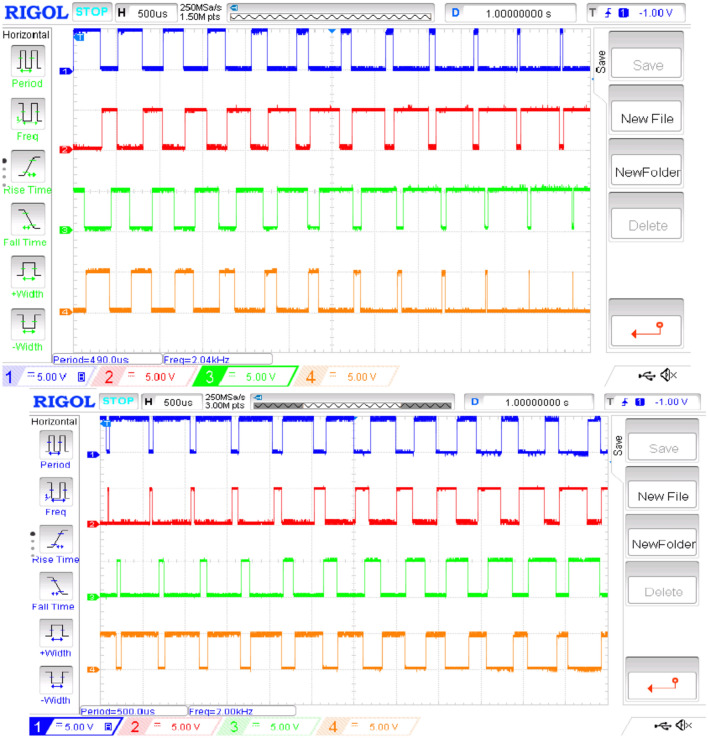
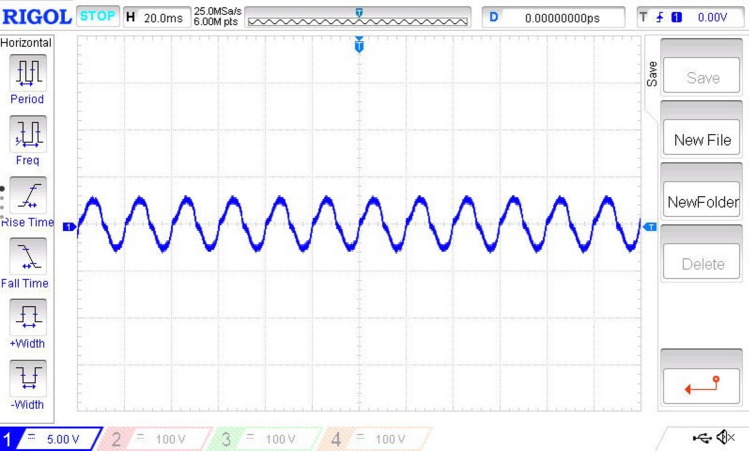
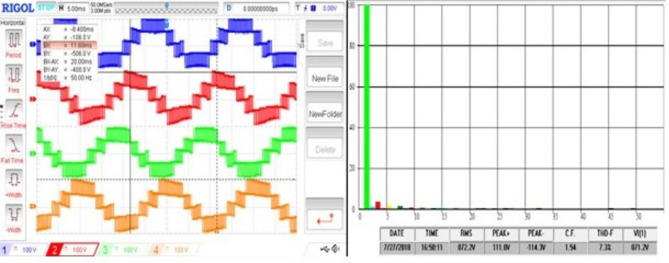
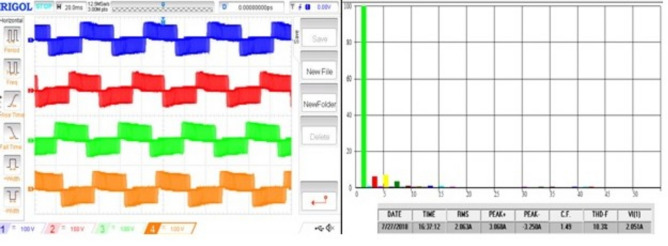
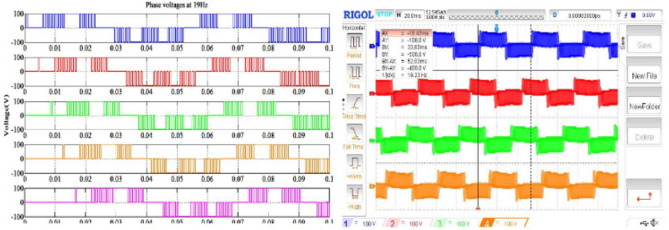
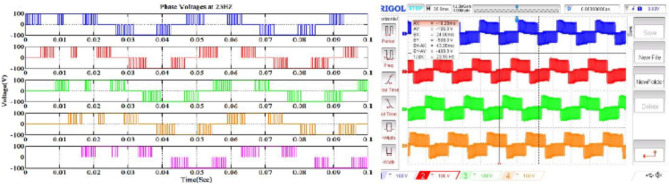
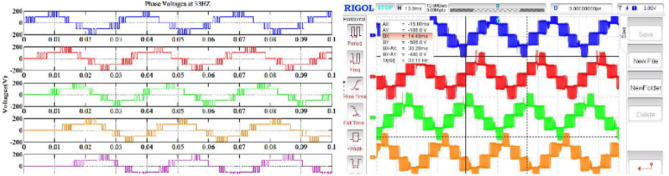
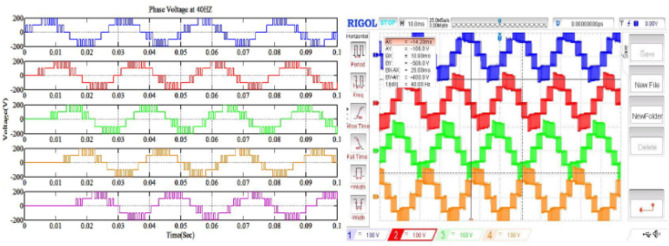
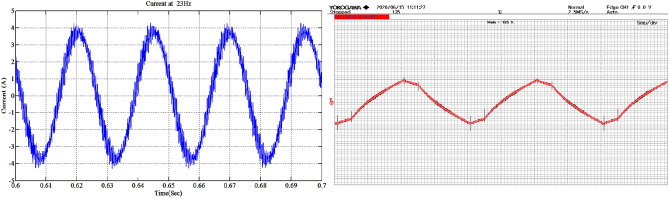
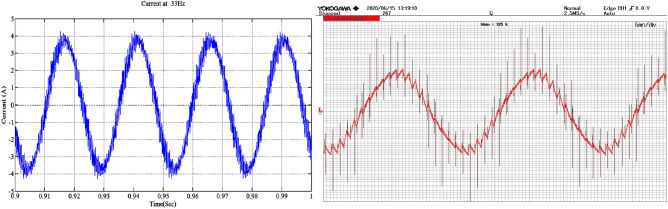
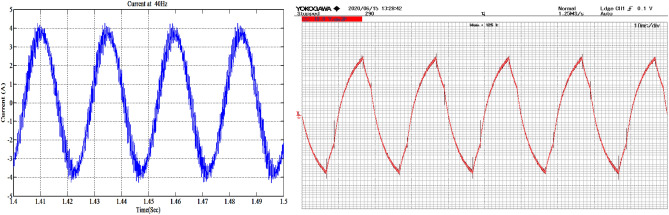
Multi-phase systems are becoming more popular for applications requiring high power and precise motor control, even if single-phase AC power is still frequently utilized in households and some enterprises. While both systems have benefits over single-phase, there are trade-offs associated with each. Because of its balanced operation and effective power transfer, the three-phase (3-Φ) system is the most widely used multi-phase system. Nevertheless, different phase values can be investigated for particular applications where reducing torque ripple and harmonic content is essential. Using odd numbers of phases (such as 5-Φ) that are not multiples of three is one method. This design has the ability to reduce torque ripple by producing a more balanced magnetic field as compared with even-numbered phases. But adding more phases also makes the system design and control circuitry more complex. Systems with five phases (5-Φ) provide a compromise between performance and complexity. Applications such as electric ship propulsion, rocket satellites, and traction systems may benefit from their use. Nevertheless, choosing a multi-phase system necessitates carefully weighing the requirements unique to each application, taking into account elements like cost, power transmission, control complexity, and efficiency. The increasing popularity of electric vehicles and renewable energy technologies has led to the need for inverters in current electric applications. Conventional inverters provide square wave outputs, which cause the drive system to become noisy and cause harmonics. Multi-phase multilevel inverters can be used to enhance inverter functioning and produce an improved sinusoidal output. This study focuses on an induction motor drive powered by a five-phase multilevel cascaded H-Bridge inverter. With less torque and current ripples in the motor rotor, the power conversion harmonics are reduced and the switching components of the inverter are under less stress. However, in comparison to traditional inverters, it does require a greater number of legs. Because the switches needed for the cascaded H-Bridge inverter are less expensive in five-phase systems, they are favoured over higher phase orders. Furthermore, the suggested inverter removes 5th order harmonics, something that is not possible with traditional inverters. A five-phase induction motor appropriate for variable speed driving applications is also suggested by this research. Lastly, utilizing pulse width modulation (PWM) converters and an FPGA controller, an experimental study is carried out to assess the dynamic performance of the suggested induction motor drive. Particular attention is paid to the In-Phase Opposition Disposition (IPD) PWM technique.
多相系统在需要高功率和精确电机控制的应用中越来越受欢迎,即便单相交流电仍在家庭和一些企业中频繁使用。虽然这两种系统都比单相系统有优势,但它们各自也存在权衡之处。由于其平衡运行和有效的功率传输,三相(3-Φ)系统是使用最广泛的多相系统。然而,对于降低转矩脉动和谐波含量至关重要的特定应用,可以研究不同的相数。使用非三的倍数的奇数相(如5-Φ)是一种方法。与偶数相相比,这种设计能够通过产生更平衡的磁场来降低转矩脉动。但增加相数也会使系统设计和控制电路更加复杂。五相(5-Φ)系统在性能和复杂性之间提供了一种折衷方案。诸如电动船舶推进、火箭卫星和牵引系统等应用可能会受益于其使用。然而,选择多相系统需要仔细权衡每个应用的独特要求,同时考虑成本、功率传输、控制复杂性和效率等因素。电动汽车和可再生能源技术的日益普及导致当前电气应用中对逆变器的需求增加。传统逆变器提供方波输出,这会使驱动系统产生噪声并导致谐波。多相多电平逆变器可用于增强逆变器功能并产生改进的正弦输出。本研究聚焦于由五相多电平级联H桥逆变器供电的感应电机驱动。电机转子中的转矩和电流脉动较小,功率转换谐波减少,逆变器的开关元件承受的应力也较小。然而,与传统逆变器相比,它确实需要更多的桥臂。由于级联H桥逆变器所需的开关在五相系统中成本较低,因此比更高相数的系统更受青睐。此外,所建议的逆变器能够消除5次谐波,这是传统逆变器无法做到的。本研究还提出了一种适用于变速驱动应用的五相感应电机。最后,利用脉宽调制(PWM)转换器和FPGA控制器,进行了一项实验研究,以评估所建议的感应电机驱动的动态性能。特别关注同相反向配置(IPD)PWM技术。