Faculty of Science and Marine Environment, Universiti Malaysia Terengganu, Kuala Nerus, Terengganu, Malaysia.
School of Medical Sciences, Universiti Sains Malaysia, Kota Bharu, Malaysia.
J Glob Health. 2024 Aug 23;14:04179. doi: 10.7189/jogh.14.04179.
Research on microplastics has largely focused on the environment and marine organisms until recently. A growing body of evidence has detected microplastics in human organs and tissues, with their exact entry routes being unclear and their potential health effects remain unknown. This scoping review aimed to characterise microplastics in human tissues and organs, examine their entry routes and addressing gaps in research analytical techniques.
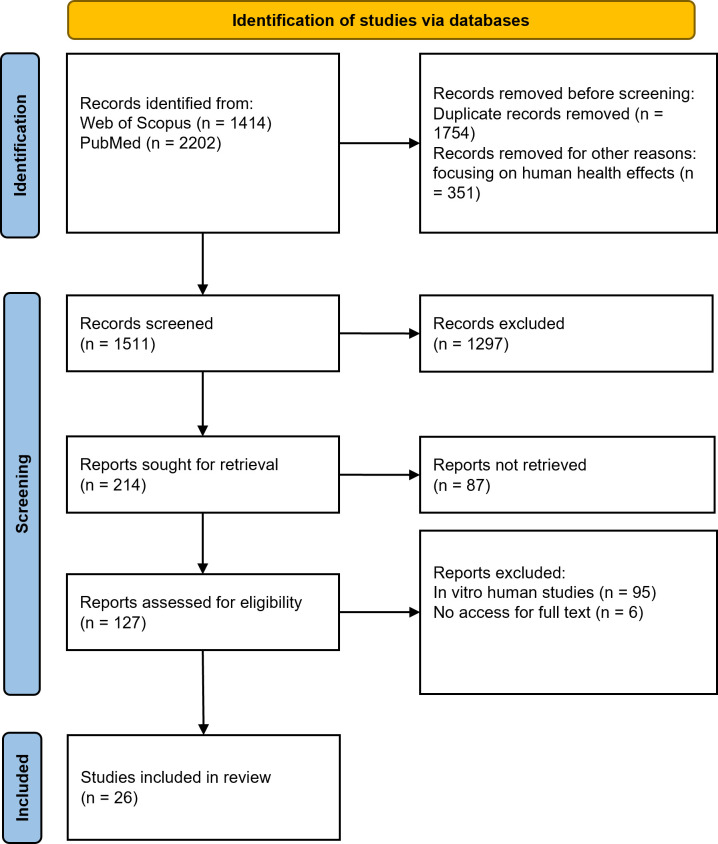
Eligibility criteria included English language full text articles, in-vivo human studies only, and searching the databases using pre-defined terms. We based our analysis and reporting on the PRISMA guideline and examined the quality of evidence using the risk of bias assessment tool.
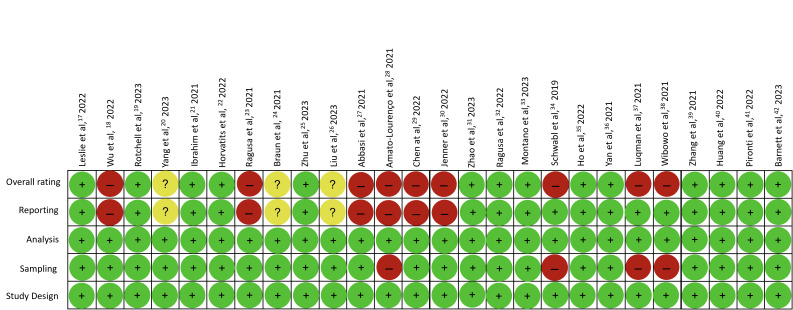
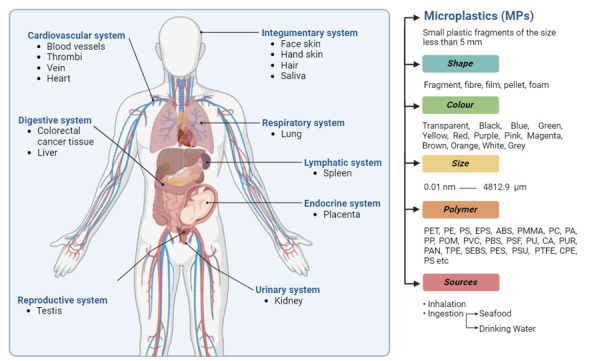
Of 3616 articles screened, 223 evaluated and 26 were eventually included in this review. Nine were high risk for bias, three were unclear risk and the rest low risk for bias. Microplastics were detected in 8/12 human organ systems including cardiovascular, digestive, endocrine, integumentary, lymphatic, respiratory, reproductive and urinary. Microplastics were also observed in other human biological samples such as breastmilk, meconium, semen, stool, sputum and urine. Microplastics can be characterised based on shape, colours, and polymer type. Potential entry routes into human included atmospheric inhalation and ingestion through food and water. The extraction techniques for analysis of microplastics in human tissues vary significantly, each offering distinct advantages and limitations.
Microplastics are commonly detected in human tissues and organs, with distinct characteristics and entry routes, and variable analytical techniques exist.
直到最近,研究才开始关注环境和海洋生物中的微塑料。越来越多的证据表明,微塑料已经进入了人体器官和组织中,但其确切的进入途径尚不清楚,其潜在的健康影响也尚不清楚。本范围综述旨在描述人体组织和器官中的微塑料,检查其进入途径,并解决研究分析技术中的空白。
入选标准包括全文为英文的、仅为体内人体研究的文章,并使用预定义术语在数据库中进行搜索。我们基于 PRISMA 指南进行分析和报告,并使用偏倚风险评估工具检查证据质量。
在筛选出的 3616 篇文章中,有 223 篇进行了评估,最终有 26 篇被纳入本综述。其中 9 篇存在高偏倚风险,3 篇存在不确定偏倚风险,其余为低偏倚风险。在包括心血管、消化、内分泌、皮肤、淋巴、呼吸、生殖和泌尿系统在内的 12 个人体器官系统中发现了微塑料。微塑料也存在于其他人体生物样本中,如母乳、胎粪、精液、粪便、痰液和尿液。微塑料可以根据形状、颜色和聚合物类型进行描述。进入人体的潜在途径包括大气吸入和通过食物和水摄入。分析人体组织中微塑料的提取技术差异很大,每种技术都有其独特的优缺点。
微塑料在人体组织和器官中普遍存在,具有不同的特征和进入途径,并且存在多种不同的分析技术。