Laboratory Pharmacology of Synaptic Plasticity, European Brain Research Institute, Rome, Italy.
Department of Physiology and Pharmacology "V. Erspamer", Sapienza University of Rome, Rome, Italy.
Transl Psychiatry. 2024 Aug 23;14(1):338. doi: 10.1038/s41398-024-03019-2.
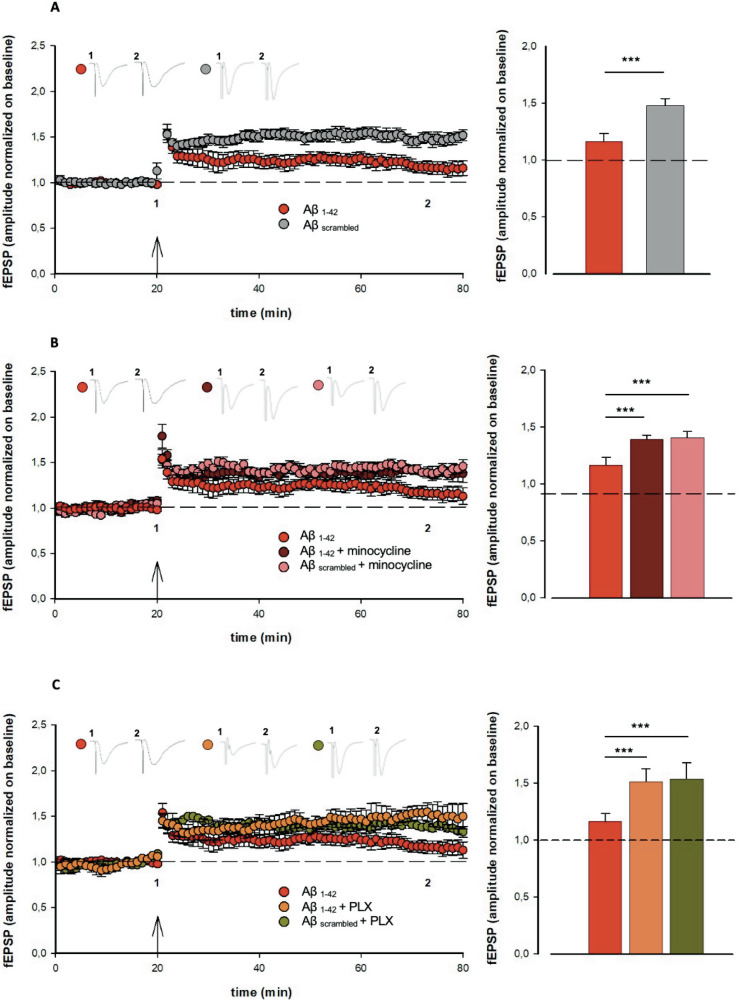
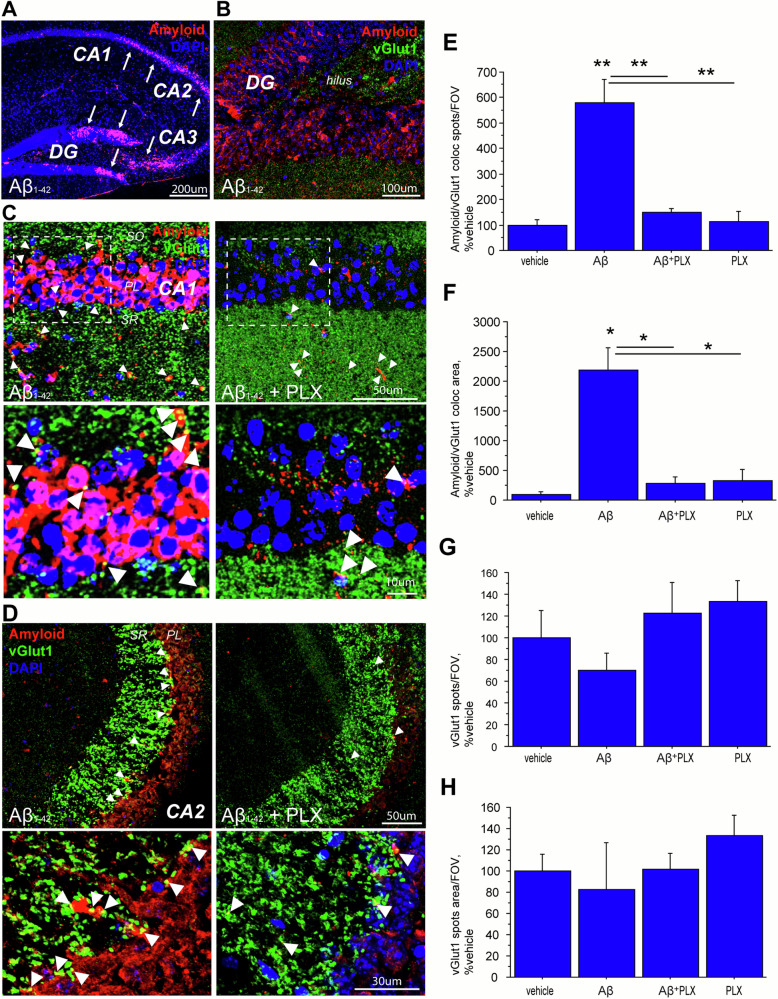
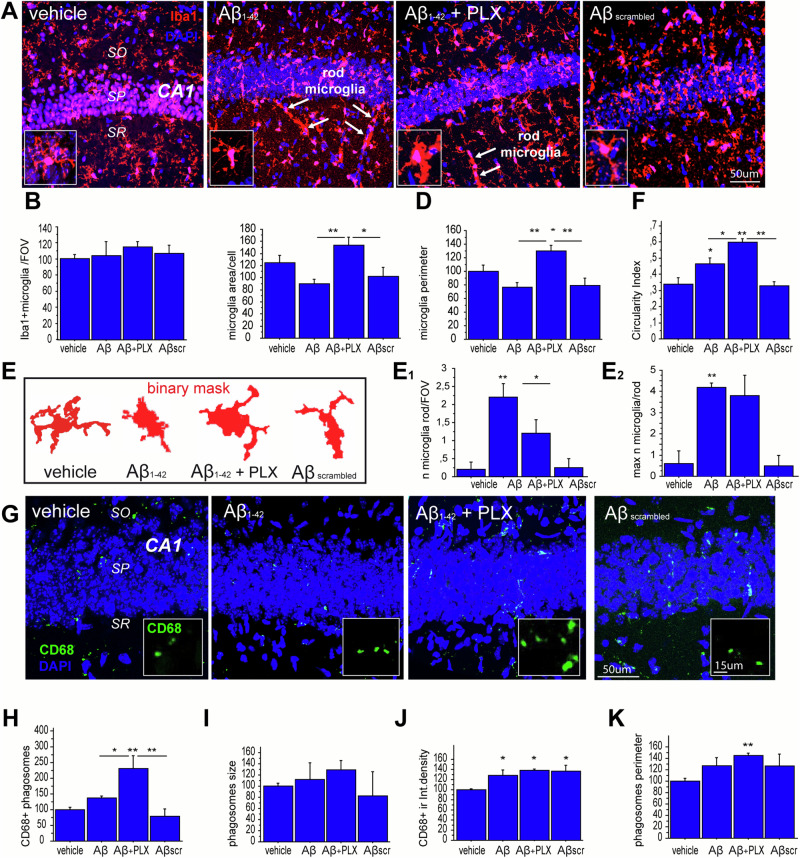
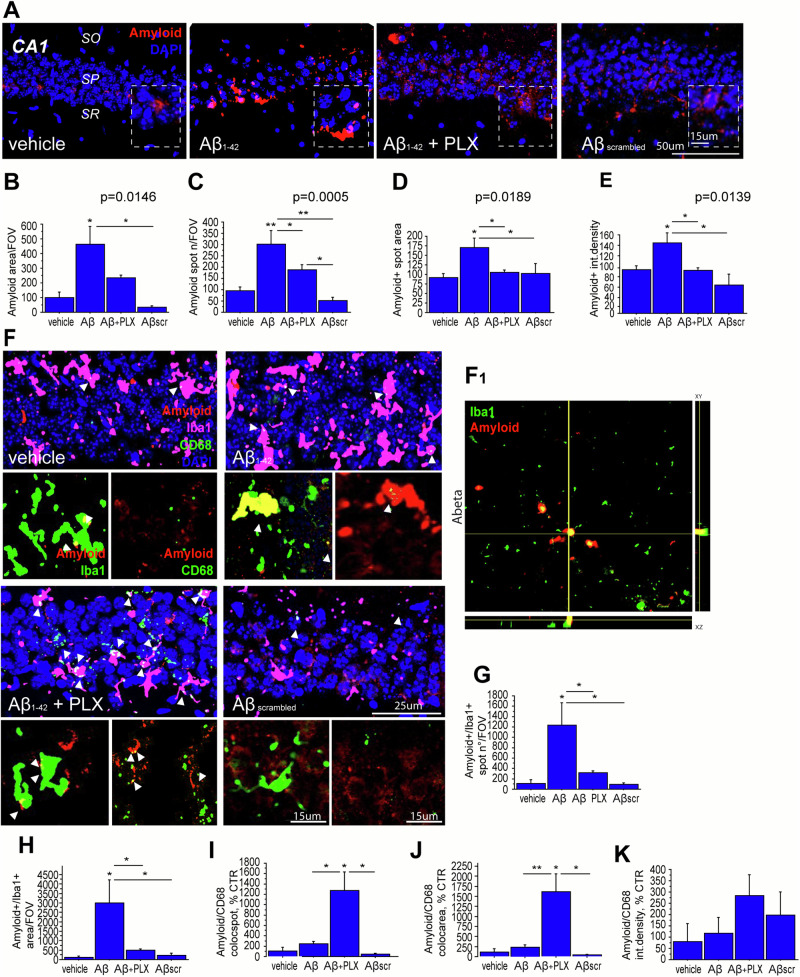
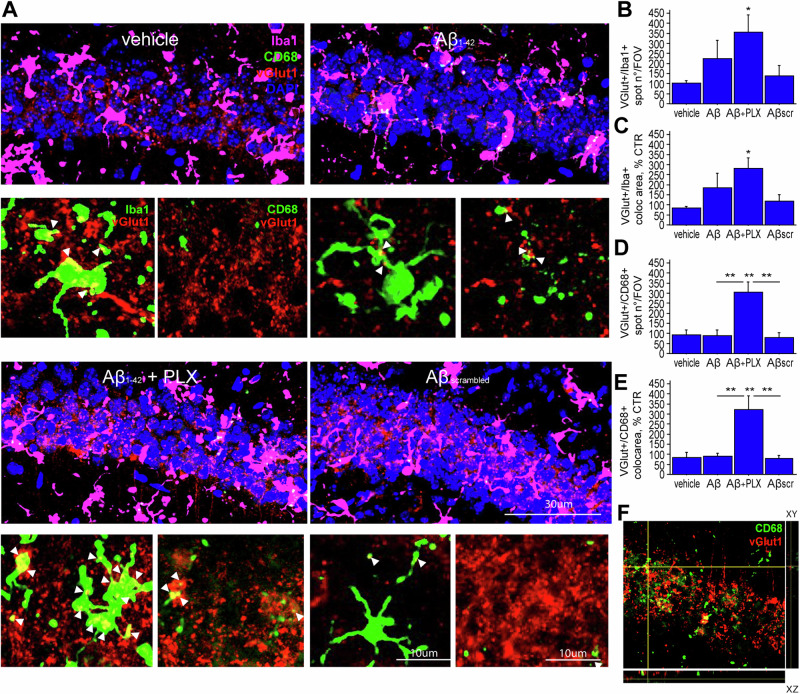
Microglia, traditionally regarded as innate immune cells in the brain, drive neuroinflammation and synaptic dysfunctions in the early phases of Alzheimer disease (AD), acting upstream to Aβ accumulation. Colony stimulating factor 1-receptor (CSF-1R) is predominantly expressed on microglia and its levels are significantly increased in neurodegenerative diseases, possibly contributing to the chronic inflammatory microglial response. On the other hand, CSF-1R inhibitors confer neuroprotection in preclinical models of neurodegenerative diseases. Here, we determined the effects of the CSF-1R inhibitor PLX3397 on the Aβ-mediated synaptic alterations in ex vivo hippocampal slices. Electrophysiological findings show that PLX3397 rescues LTP impairment and neurotransmission changes induced by Aβ. In addition, using confocal imaging experiments, we demonstrate that PLX3397 stimulates a microglial transition toward a phagocytic phenotype, which in turn promotes the clearance of Aβ from glutamatergic terminals. We believe that the selective pruning of Aβ-loaded synaptic terminals might contribute to the restoration of LTP and excitatory transmission alterations observed upon acute PLX3397 treatment. This result is in accordance with the mechanism proposed for CSF1R inhibitors, that is to eliminate responsive microglia and replace it with newly generated, homeostatic microglia, capable of promoting brain repair. Overall, our findings identify a connection between the rapid microglia adjustments and the early synaptic alterations observed in AD, possibly highlighting a novel disease-modifying target.
小胶质细胞传统上被认为是大脑中的固有免疫细胞,在阿尔茨海默病(AD)的早期阶段驱动神经炎症和突触功能障碍,作用于 Aβ 积累的上游。集落刺激因子 1 受体(CSF-1R)主要在小胶质细胞上表达,其水平在神经退行性疾病中显著增加,可能有助于慢性炎症性小胶质细胞反应。另一方面,CSF-1R 抑制剂在神经退行性疾病的临床前模型中具有神经保护作用。在这里,我们确定了 CSF-1R 抑制剂 PLX3397 对离体海马切片中 Aβ 介导的突触改变的影响。电生理研究结果表明,PLX3397 可挽救 Aβ 引起的 LTP 损伤和神经传递变化。此外,通过共聚焦成像实验,我们证明 PLX3397 刺激小胶质细胞向吞噬表型转变,进而促进谷氨酸能末梢 Aβ 的清除。我们认为,对载有 Aβ 的突触末梢的选择性修剪可能有助于恢复急性 PLX3397 治疗后观察到的 LTP 和兴奋性传递改变。这一结果与 CSF1R 抑制剂的作用机制一致,即消除反应性小胶质细胞,并用新生成的、具有维持功能的小胶质细胞替代,后者能够促进大脑修复。总体而言,我们的发现确定了 AD 中快速小胶质细胞调整和早期突触改变之间的联系,可能突出了一个新的疾病修饰靶点。