Razani Sepideh, Farhadpour Mohsen, Avatefi Hemmat Manizheh, Alamdaran Fatemeh Sadat, Fakhr Taha Masoumeh, Khonakdar Hossein Ali, Mahmoudifard Matin
Department of Industrial and Environmental Biotechnology, National Institute of Genetic Engineering and Biotechnology (NIGEB), Tehran, Iran.
Department of Plant Bioproducts, National Institute of Genetic Engineering and Biotechnology (NIGEB), Tehran, Iran.
Heliyon. 2024 Jun 7;10(12):e32717. doi: 10.1016/j.heliyon.2024.e32717. eCollection 2024 Jun 30.
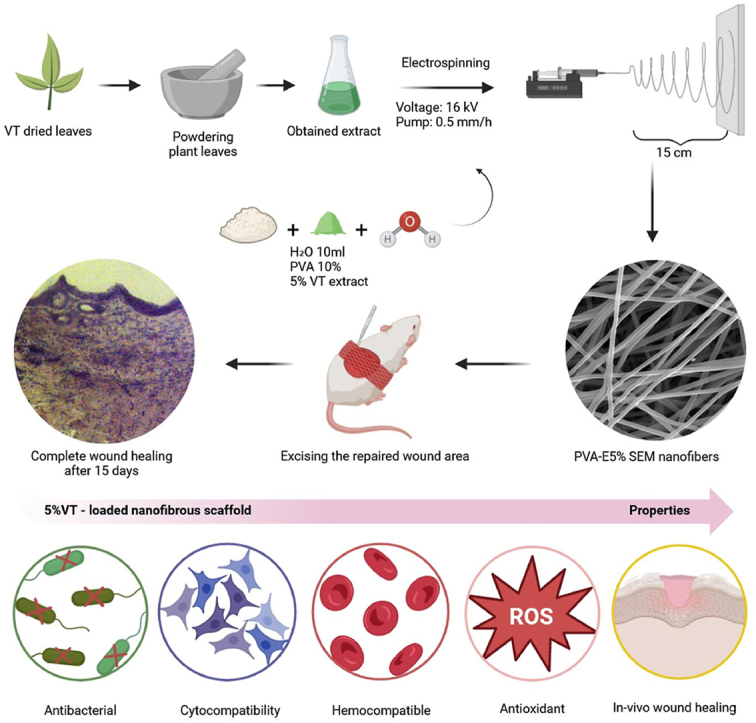
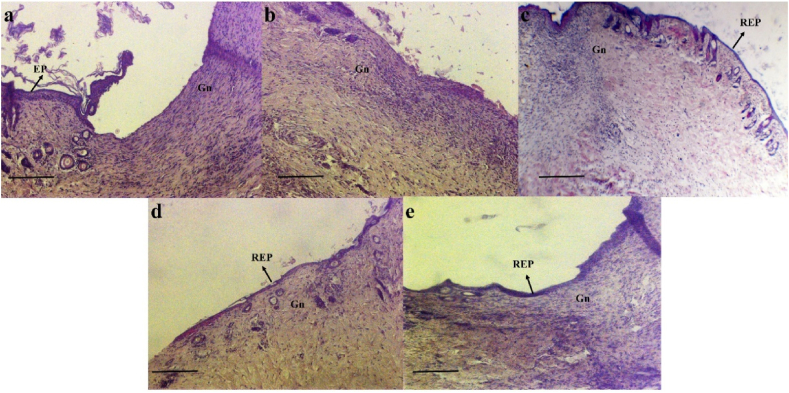
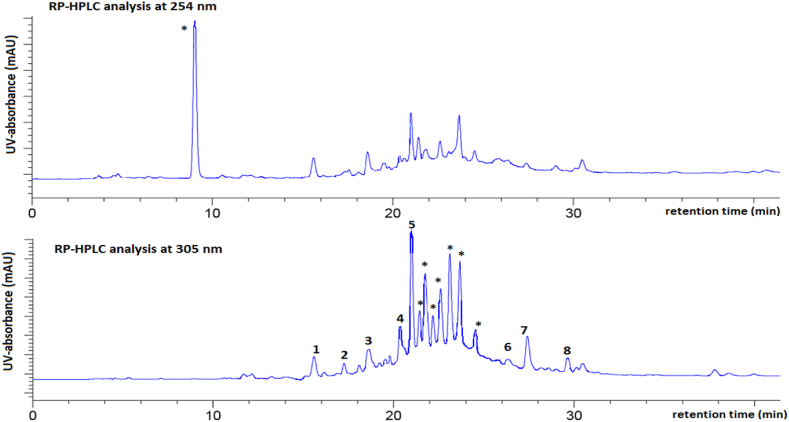
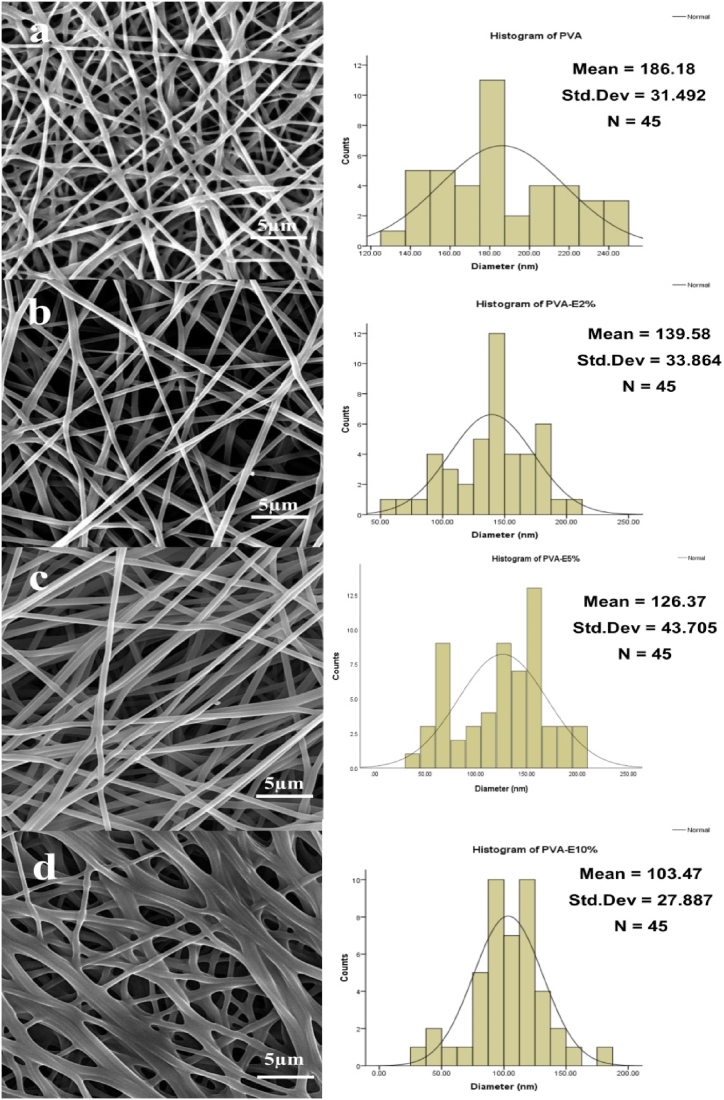
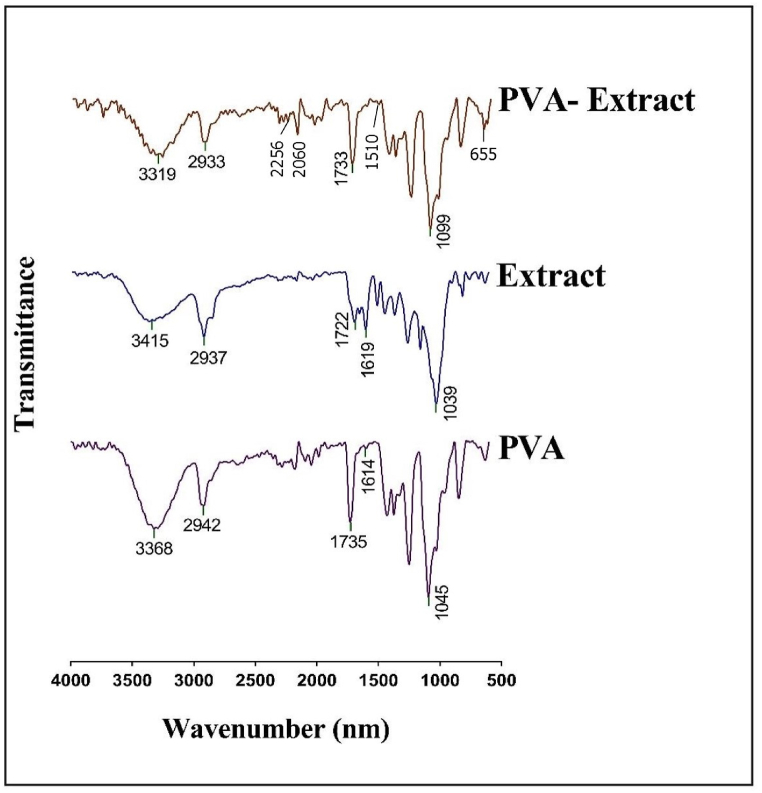
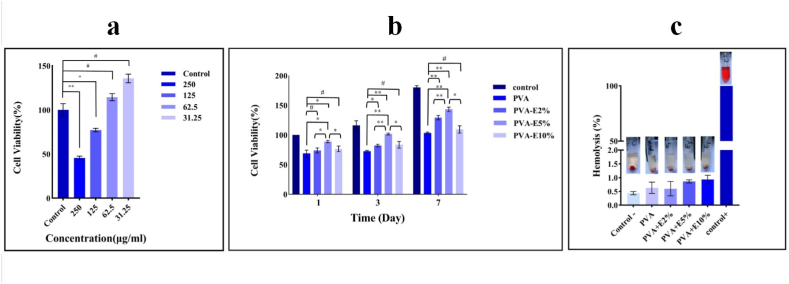
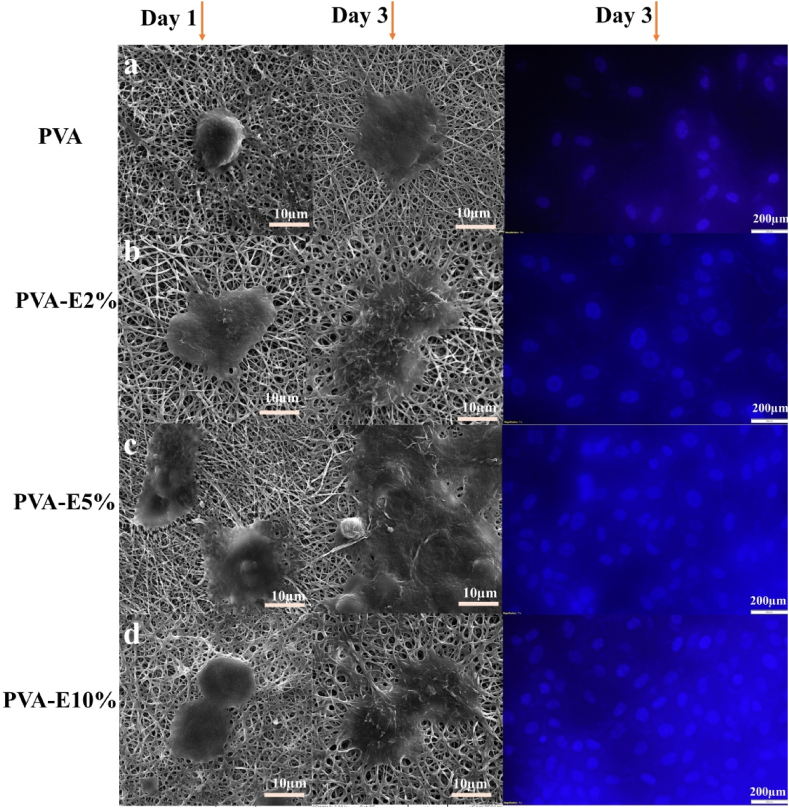
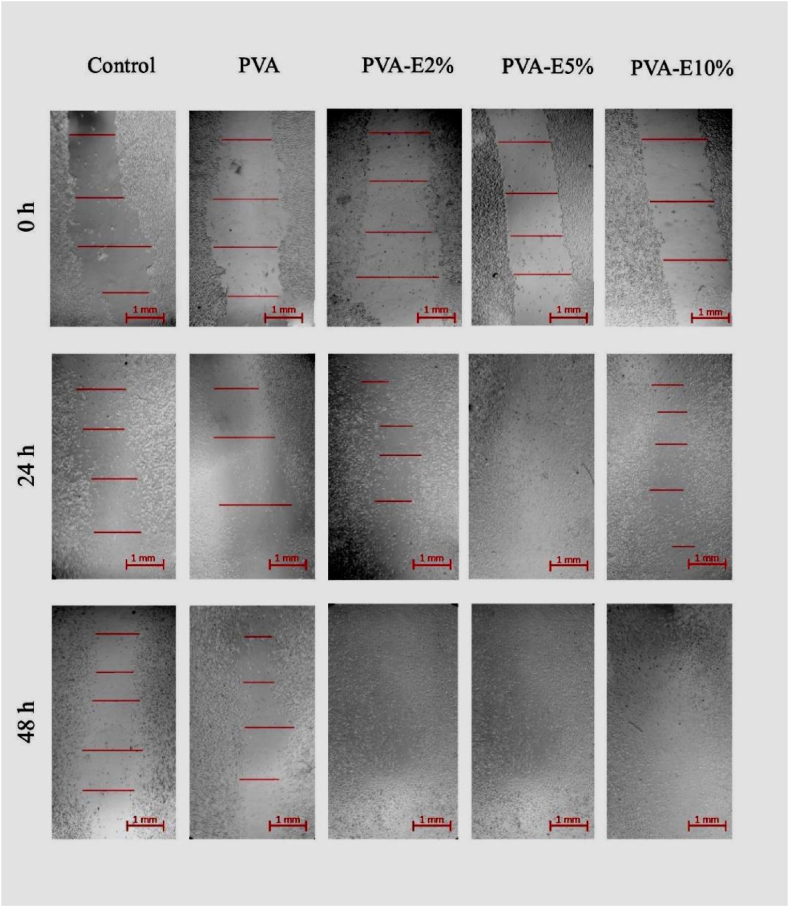
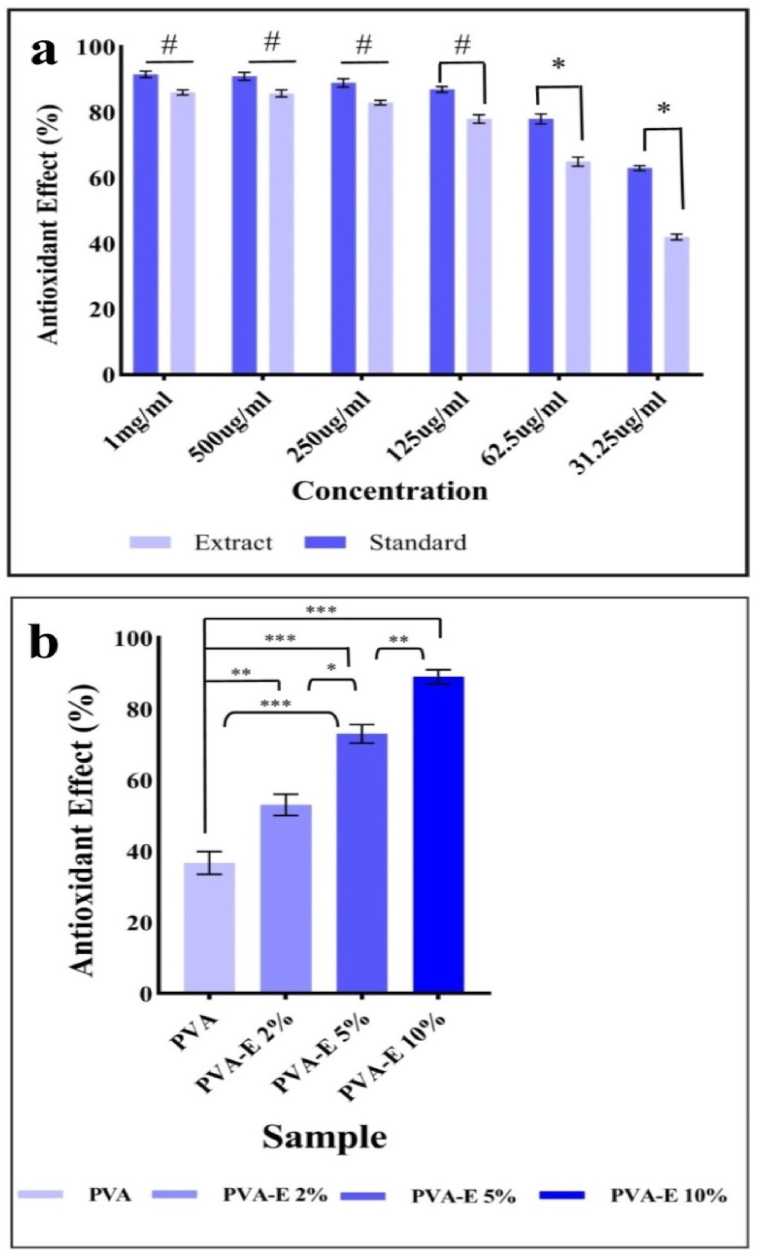
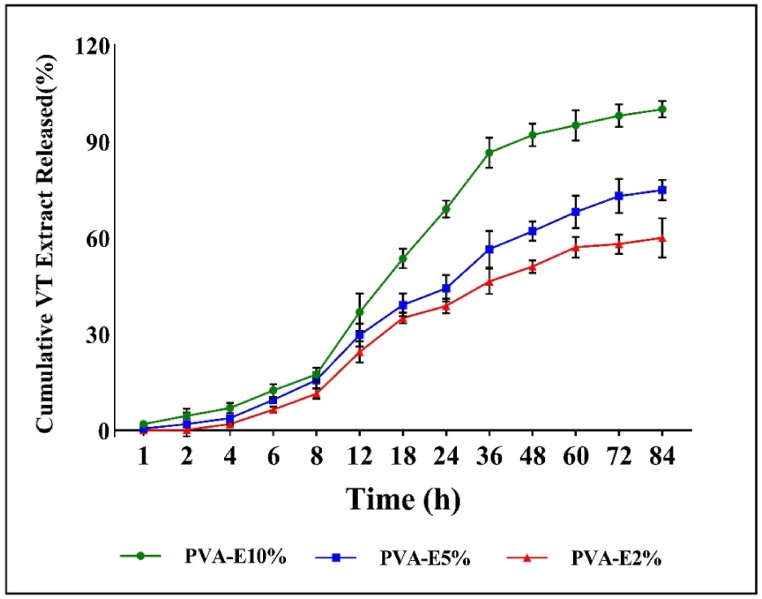
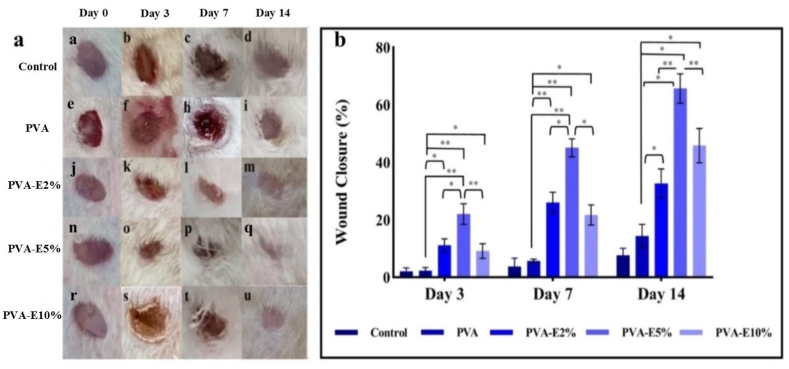
(), family Scrophulariaceae, has considerable importance in traditional medicine worldwide because of its antioxidant and anti-inflammatory activities was used in traditional medicines as a useful drug for lung disease, sore throat, wound healing, and treatment of whooping cough. The aim of this study was to extract of bioactive fraction using antibacterial assay guided fractionation methodology and develop a system based on electrospun nanofibrous membrane (NFM) that can be effective by releasing the extract of for antibacterial and wound healing applications. For this purpose, the fractionation of total extract was done using Liquid-Liquid extraction method. The selected fraction based on its anti-bacterial activity was then subjected to the silica gel column chromatography for further purification. Since electrospinning is an economical and relatively simple method to produce continuous and uniform nanofibers, and due to its high specific surface area, adjustable pore size, and flexibility, special attention has been paid to loaded the most effective fraction on PVA nanofibers for applications such as wound dressings. The obtained result showed that, the purified extract has a concentration-dependent antimicrobial activity against and . The phytochemically analyses of bioactive fraction by High-performance liquid chromatography (HPLC) proved the presence of 6 phenolic acids, 4-hydroxybenzoic acid, chlorogenic acid, caffeic acid, -coumaric acid, ferulic acid, and flavonoid, rutin, as the major compounds. Also, physicochemical characterization of PVA-selected extract loaded electrospun nanofibrous membranes (NFM) were analyzed by scanning electron microscope (SEM), Fourier transform infrared spectrometer (FT-IR). MTT and hemolysis assays were done to affirm the biocompatibility of fabricated scaffolds. Release profile of extract loaded- NFM showed continues release of extract from mat during 90h. Moreover, the capability of these NFM in wound healing application was evaluated in-vitro and in-vivo. The cell viability test (MTT), cell adhesion images, antioxidant, antibacterial, hemolysis assays and in-vitro and in-vivo wound healing assays confirmed that fabricated NFM containing 5 % butanolic extract were the most biocompatible scaffold for wound dressing applications and accelerates the rate of wound closure. The obtained outcomes confirmed that NFM can be considered as promising scaffold for potential wound dressings.
玄参科()植物在全球传统医学中具有重要意义,因其具有抗氧化和抗炎活性,在传统医学中被用作治疗肺部疾病、喉咙痛、伤口愈合和百日咳的有效药物。本研究的目的是采用抗菌测定引导分级分离方法提取生物活性成分,并开发一种基于电纺纳米纤维膜(NFM)的系统,该系统通过释放提取物在抗菌和伤口愈合应用中发挥作用。为此,采用液 - 液萃取法对总提取物进行分级分离。然后根据其抗菌活性选择的馏分进行硅胶柱色谱进一步纯化。由于静电纺丝是一种经济且相对简单的生产连续均匀纳米纤维的方法,并且由于其高比表面积、可调节的孔径和柔韧性,因此特别关注将最有效的馏分负载到聚乙烯醇(PVA)纳米纤维上用于伤口敷料等应用。所得结果表明,纯化的提取物对[具体菌种1]和[具体菌种2]具有浓度依赖性抗菌活性。通过高效液相色谱(HPLC)对生物活性馏分进行的植物化学分析证明存在6种酚酸,即4 - 羟基苯甲酸、绿原酸、咖啡酸、对香豆酸、阿魏酸,以及黄酮类化合物芦丁作为主要成分。此外,通过扫描电子显微镜(SEM)、傅里叶变换红外光谱仪(FT - IR)对负载PVA - 选定提取物的电纺纳米纤维膜(NFM)进行了物理化学表征。进行MTT和溶血试验以确认所制备支架的生物相容性。负载提取物的NFM的释放曲线表明提取物在90小时内从基质中持续释放。此外,在体外和体内评估了这些NFM在伤口愈合应用中的能力。细胞活力测试(MTT)、细胞粘附图像、抗氧化、抗菌、溶血试验以及体外和体内伤口愈合试验证实,含有5%丁醇提取物的制备的NFM是用于伤口敷料应用的最具生物相容性的支架,并加速了伤口闭合速率。所得结果证实,[植物名称]NFM可被视为潜在伤口敷料的有前景的支架。