Department of Cell Biology, Albert Einstein College of Medicine, 1300 Morris Park Ave, Bronx, NY, 10461, USA.
Department of Blood Transfusion and Transplantation Immunology, Fukushima Medical University, 1 Hikarigaoka, Fukushima, Fukushima, 960-1295, Japan.
Sci Rep. 2024 Aug 27;14(1):19899. doi: 10.1038/s41598-024-70911-8.
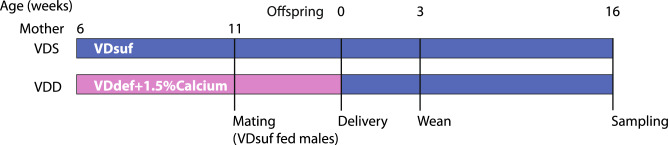
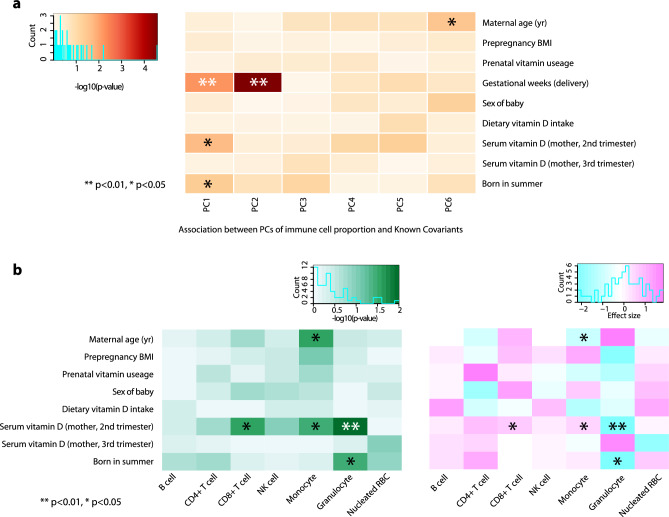
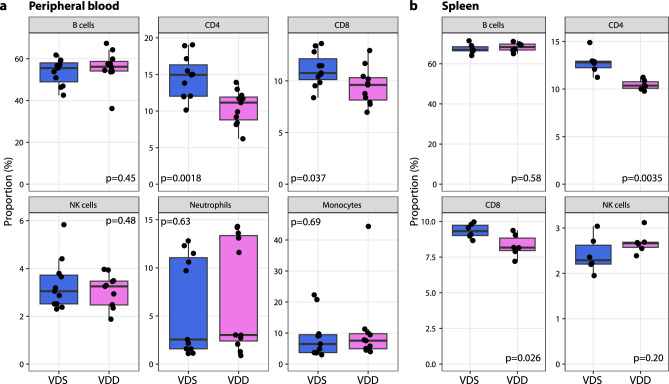
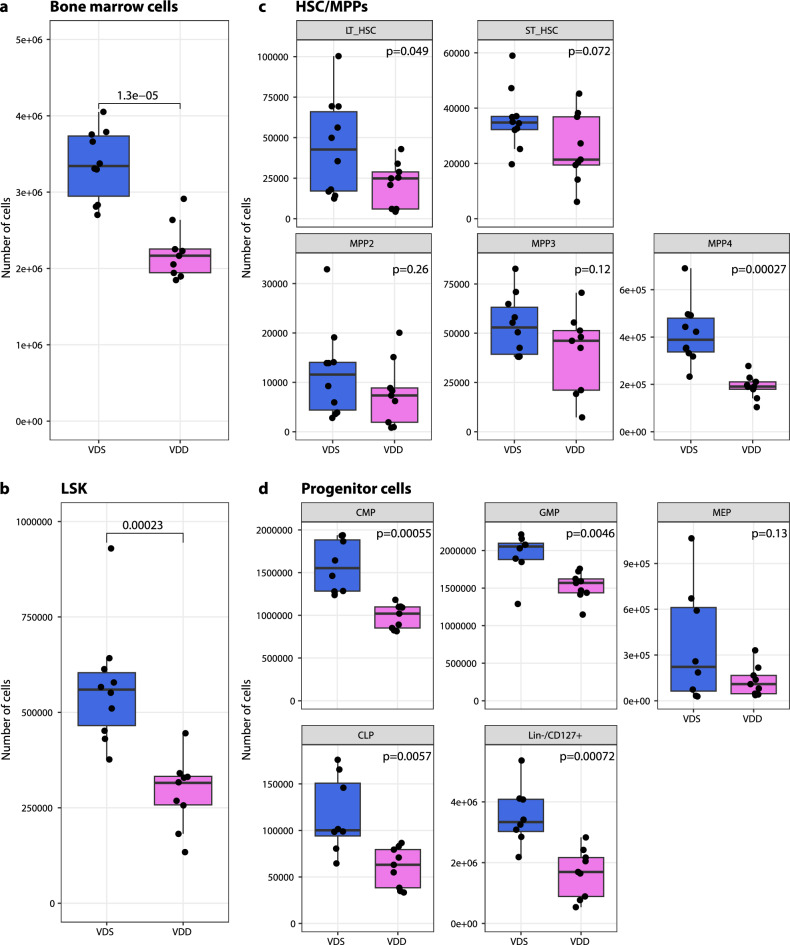
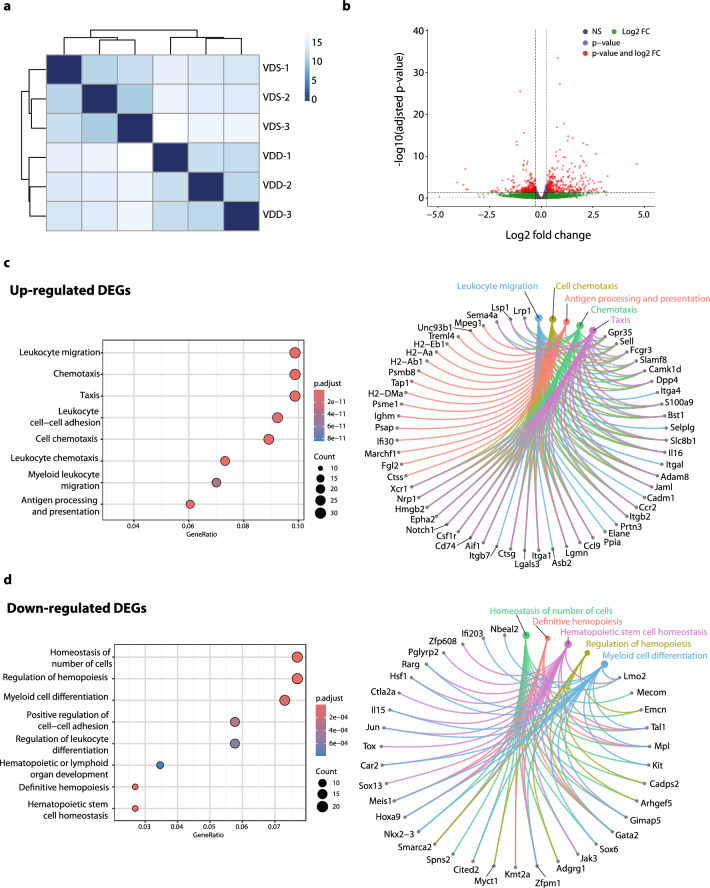
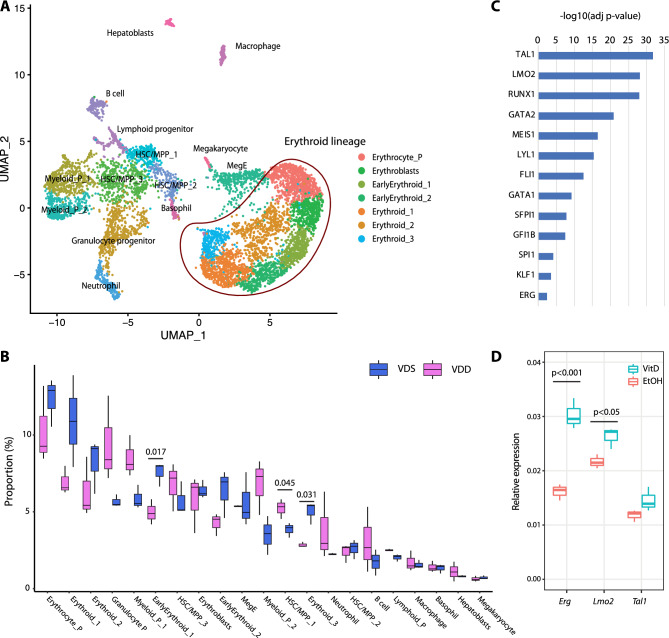
Vitamin D deficiency is a common deficiency worldwide, particularly among women of reproductive age. During pregnancy, it increases the risk of immune-related diseases in offspring later in life. However, how the body remembers exposure to an adverse environment during development is poorly understood. Herein, we explore the effects of prenatal vitamin D deficiency on immune cell proportions in offspring using vitamin D deficient mice established by dietary manipulation. We found that prenatal vitamin D deficiency alters immune cell proportions in offspring by changing the transcriptional properties of genes downstream of vitamin D receptor signaling in hematopoietic stem and progenitor cells of both the fetus and adults. Moreover, further investigations of the associations between maternal vitamin D levels and cord blood immune cell profiles from 75 healthy pregnant women and their term offspring also confirm that maternal vitamin D levels in the second trimester significantly affect immune cell proportions in the offspring. These findings imply that the differentiation properties of hematopoiesis act as long-term memories of prenatal vitamin D deficiency exposure in later life.
维生素 D 缺乏是一种全球范围内常见的缺乏症,尤其在育龄期妇女中更为常见。在怀孕期间,它会增加后代日后患与免疫相关疾病的风险。然而,人体如何记住在发育过程中暴露于不利环境,目前仍知之甚少。在此,我们通过饮食干预建立维生素 D 缺乏小鼠模型,探索了产前维生素 D 缺乏对后代免疫细胞比例的影响。我们发现,产前维生素 D 缺乏通过改变胎儿和成年造血干细胞和祖细胞中维生素 D 受体信号下游基因的转录特性,改变后代免疫细胞的比例。此外,对 75 名健康孕妇及其足月胎儿脐带血免疫细胞谱的母体内维生素 D 水平与脐带血免疫细胞谱之间关系的进一步研究也证实,妊娠中期母体内维生素 D 水平显著影响后代免疫细胞的比例。这些发现表明,造血分化特性作为产前维生素 D 缺乏暴露的长期记忆,在生命后期发挥作用。