College of Grassland Agriculture, Northwest A&F University, Yangling 712100, China.
Int J Mol Sci. 2024 Aug 16;25(16):8942. doi: 10.3390/ijms25168942.
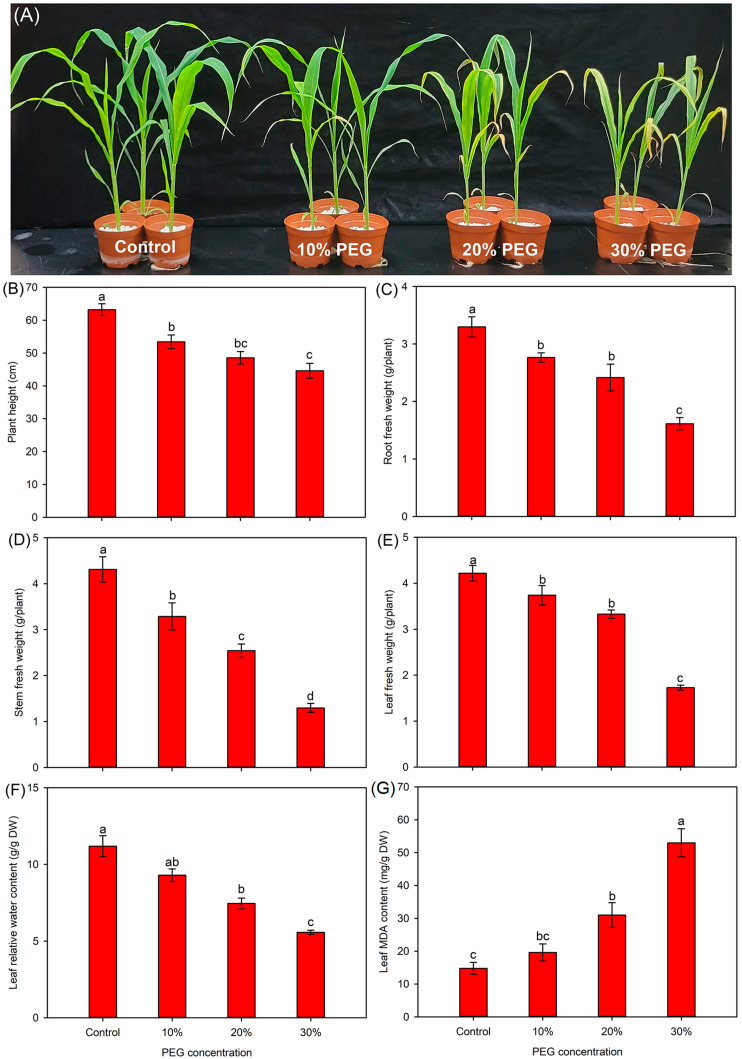
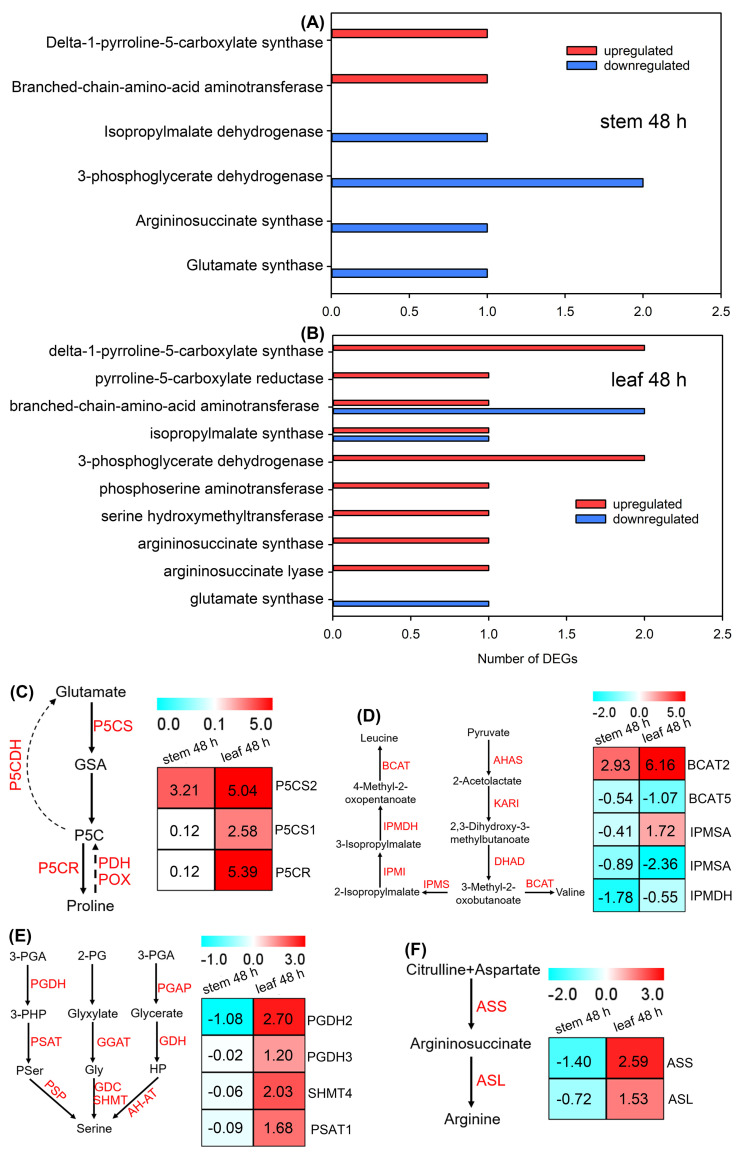
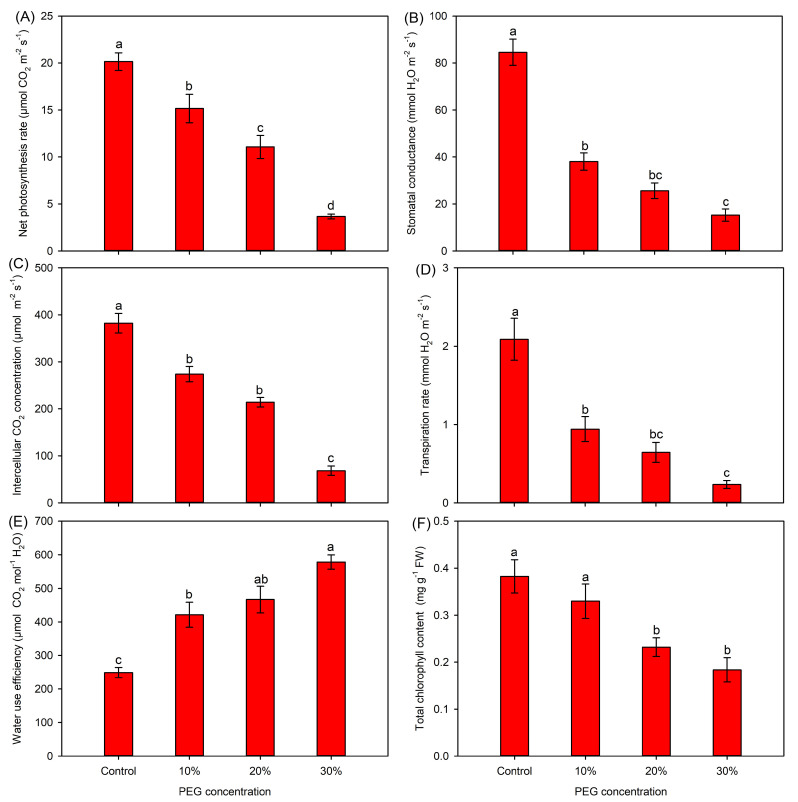
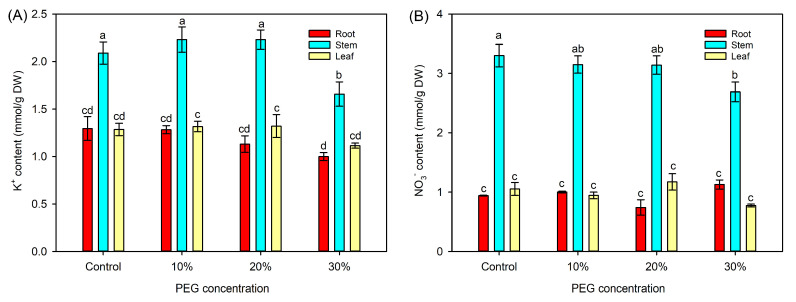
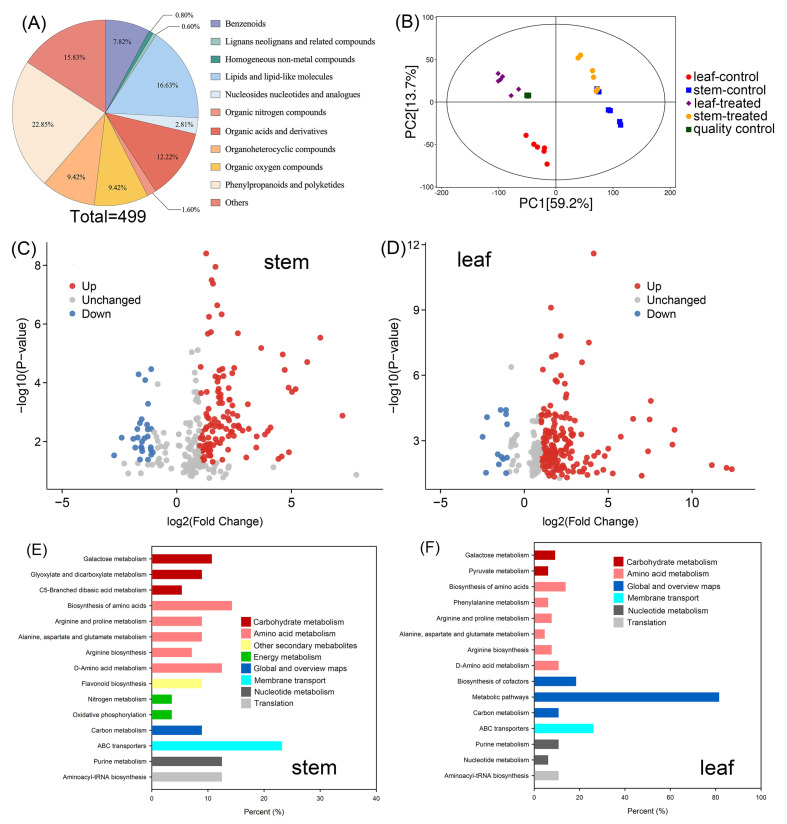
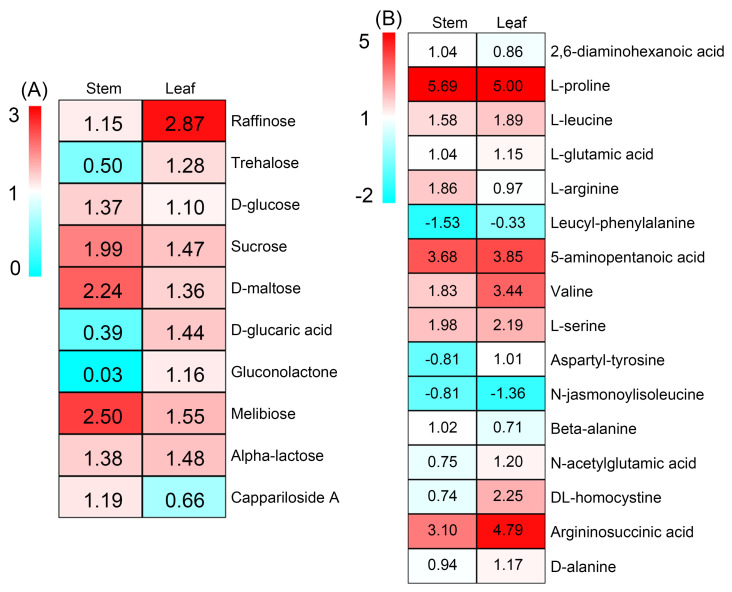
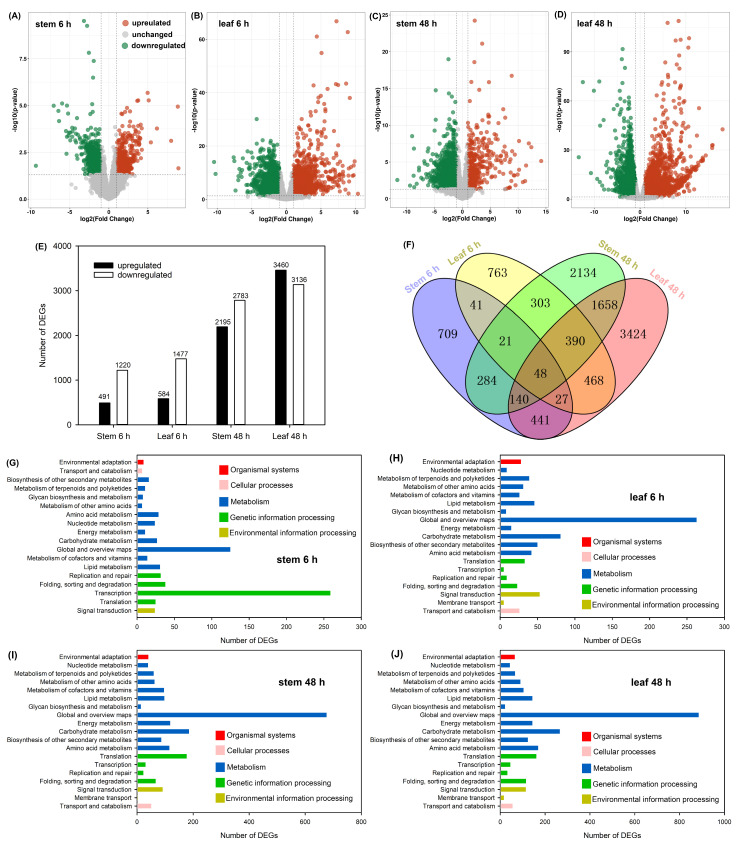
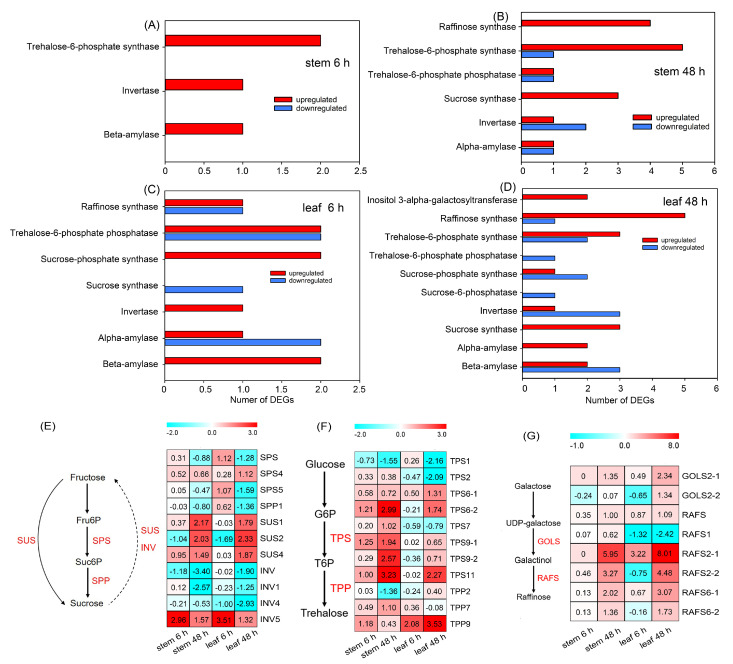
Water scarcity is a major environmental constraint on plant growth in arid regions. Soluble sugars and amino acids are essential osmolytes for plants to cope with osmotic stresses. Sweet sorghum is an important bioenergy crop and forage with strong adaptabilities to adverse environments; however, the accumulation pattern and biosynthesis basis of soluble sugars and amino acids in this species under osmotic stresses remain elusive. Here, we investigated the physiological responses of a sweet sorghum cultivar to PEG-induced osmotic stresses, analyzed differentially accumulated soluble sugars and amino acids after 20% PEG treatment using metabolome profiling, and identified key genes involved in the biosynthesis pathways of soluble sugars and amino acids using transcriptome sequencing. The results showed that the growth and photosynthesis of sweet sorghum seedlings were significantly inhibited by more than 20% PEG. After PEG treatments, the leaf osmotic adjustment ability was strengthened, while the contents of major inorganic osmolytes, including K and NO, remained stable. After 20% PEG treatment, a total of 119 and 188 differentially accumulated metabolites were identified in the stems and leaves, respectively, and the accumulations of soluble sugars such as raffinose, trehalose, glucose, sucrose, and melibiose, as well as amino acids such as proline, leucine, valine, serine, and arginine were significantly increased, suggesting that these metabolites should play key roles in osmotic adjustment of sweet sorghum. The transcriptome sequencing identified 1711 and 4978 DEGs in the stems, as well as 2061 and 6596 DEGs in the leaves after 20% PEG treatment for 6 and 48 h, respectively, among which the expressions of genes involved in biosynthesis pathways of sucrose (such as , , etc.), trehalose (including ), raffinose (such as and , etc.), proline (such as and ), leucine and valine (including ), and arginine (such as and ) were significantly upregulated. These genes should be responsible for the large accumulation of soluble sugars and amino acids under osmotic stresses. This study deepens our understanding of the important roles of individual soluble sugars and amino acids in the adaptation of sweet sorghum to water scarcity.
水资源短缺是干旱地区植物生长的主要环境限制因素。可溶性糖和氨基酸是植物应对渗透胁迫的必需渗透调节剂。甜高粱是一种重要的生物能源作物和饲料,具有很强的适应不利环境的能力;然而,这种物种在渗透胁迫下可溶性糖和氨基酸的积累模式和生物合成基础仍然难以捉摸。在这里,我们研究了甜高粱品种对 PEG 诱导的渗透胁迫的生理反应,通过代谢组学分析,分析了 20%PEG 处理后差异积累的可溶性糖和氨基酸,并用转录组测序鉴定了参与可溶性糖和氨基酸生物合成途径的关键基因。结果表明,PEG 处理超过 20%时,甜高粱幼苗的生长和光合作用受到显著抑制。PEG 处理后,叶片的渗透调节能力增强,而主要无机渗透调节剂(包括 K 和 NO)的含量保持稳定。PEG 处理 20%后,在茎和叶中分别鉴定出 119 和 188 个差异积累代谢物,以及棉子糖、海藻糖、葡萄糖、蔗糖和棉子糖等可溶性糖以及脯氨酸、亮氨酸、缬氨酸、丝氨酸和精氨酸等氨基酸的积累显著增加,表明这些代谢物应在甜高粱的渗透调节中发挥关键作用。转录组测序鉴定出 20%PEG 处理 6 和 48 h 后茎中分别有 1711 和 4978 个 DEG,叶中分别有 2061 和 6596 个 DEG,其中蔗糖(如 、 等)、海藻糖(包括 )、棉子糖(如 、 等)、脯氨酸(如 、 等)、亮氨酸和缬氨酸(包括 、 等)和精氨酸(如 、 等)生物合成途径的基因表达显著上调。这些基因应该负责在渗透胁迫下可溶性糖和氨基酸的大量积累。本研究加深了我们对个别可溶性糖和氨基酸在甜高粱适应缺水方面的重要作用的认识。