Department of Biomedical Sciences, University of Sassari, Viale San Pietro 43B, 07100 Sassari, Italy.
Department of Basic Medical Sciences, College of Medicine, QU Health, Qatar University, Doha 2713, Qatar.
Nutrients. 2024 Aug 8;16(16):2619. doi: 10.3390/nu16162619.
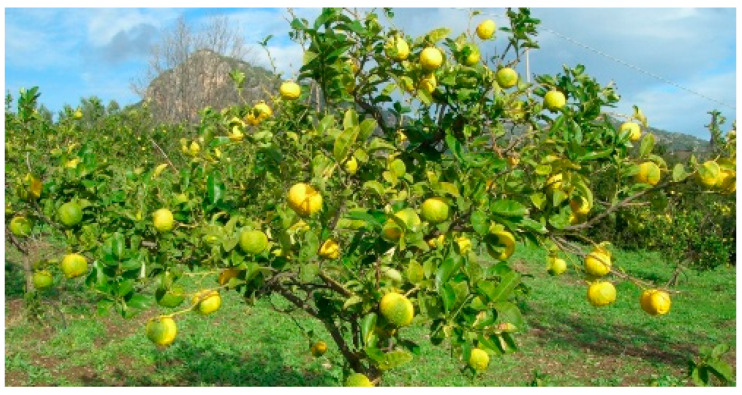
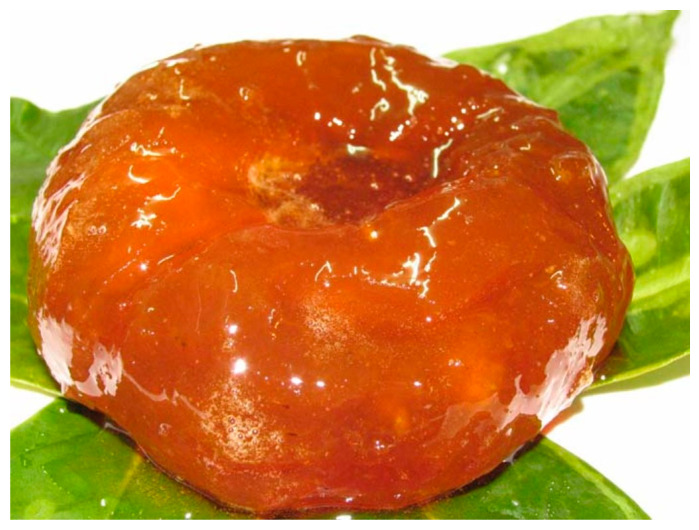
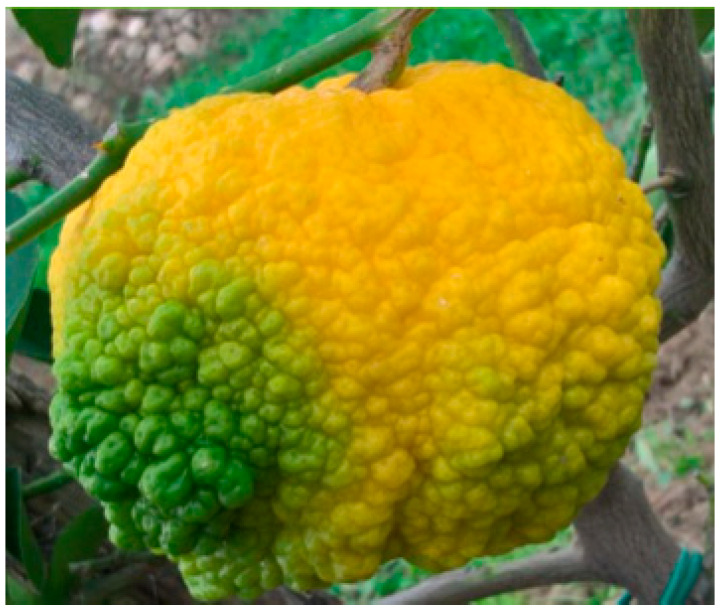
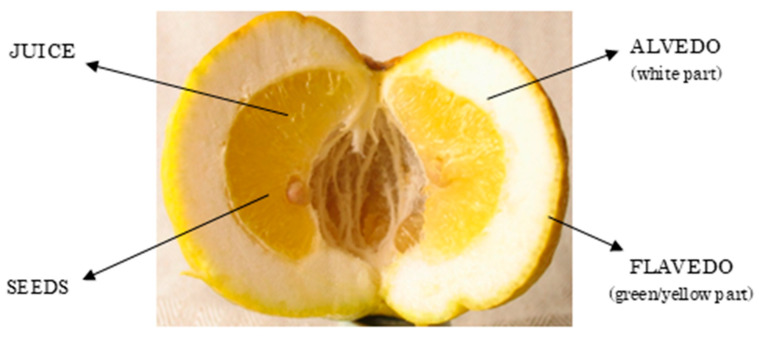
, commonly known as pompia, is a distinctive citrus ecotype native to Sardinia, notable for its unique botanical, phytochemical, and potential health benefits. It holds cultural significance as a traditional food product of Sardinia, recognized by the Italian Ministry of Agricultural Food and Forestry Policies. This comprehensive review examines pompia's traditional uses, taxonomic classification, pomological characteristics, phytochemical profile, and potential health benefits. Pompia phytochemical analyses reveal a rich composition of flavonoids and terpenoids, with notable concentrations of limonene, myrcene, and various oxygenated monoterpenes. Pompia essential oils are primarily extracted from its peel and leaves. Peel essential oils exhibit a high concentration of the monoterpene limonene (82%) and significantly lower quantities of myrcene (1.8%), geranial (1.7%), geraniol (1.5%), and neral (1.4%). In its rind extract, flavanones such as naringin (23.77 µg/mg), neoeriocitrin (46.53 µg/mg), and neohesperidin (44.57 µg/mg) have been found, along with gallic acid (128.3 µg/mg) and quinic acid (219.67 µg/mg). The main compounds detected in the essential oils from pompia leaves are oxygenated monoterpenes (53.5%), with limonene (28.64%), α-terpineol (41.18%), geranial (24.44%), (E)-β-ocimene (10.5%), linalool (0.56%), and neryl acetate (13.56%) being particularly prominent. In pompia juice, the presence of phenolic compounds has been discovered, with a composition more similar to lemon juice than orange juice. The primary flavonoid identified in pompia juice is chrysoeriol-6,8-di-C-glucoside (stellarin-2) (109.2 mg/L), which has not been found in other citrus juices. The compound rhoifolin-4-glucoside (17.5 mg/L) is unique to pompia juice, whereas its aglycone, rhoifolin, is found in lemon juice. Other flavonoids identified in pompia juice include diosmetin 6,8-C-diglucoside (54.5 mg/L) and isorhamnetin 3-O-rutinoside (79.4 mg/L). These findings support the potential of pompia in developing nutraceuticals and natural health products, further confirmed by its compounds' antioxidant, anti-inflammatory and antibacterial properties. Future research should focus on optimizing extraction methods, conducting clinical trials to evaluate efficacy and safety, and exploring sustainable cultivation practices. The potential applications of pompia extracts in food preservation, functional foods, and cosmetic formulations also warrant further investigation. Addressing these areas could significantly enhance pompia's contribution to natural medicine, food science, and biotechnology.
波比柑,通常被称为 pompia,是一种独特的柑橘生态型,原产于撒丁岛,以其独特的植物学、植物化学和潜在的健康益处而闻名。它作为撒丁岛的传统食品,具有文化意义,得到了意大利农业、食品和林业政策部的认可。本综述全面考察了波比柑的传统用途、分类学分类、园艺学特征、植物化学特征和潜在的健康益处。波比柑的植物化学分析显示出丰富的类黄酮和萜烯组成,其中柠檬烯、桧烯和各种含氧单萜的浓度较高。波比柑精油主要从其果皮和叶片中提取。果皮精油表现出高浓度的单萜柠檬烯(82%)和显著较低的桧烯(1.8%)、橙花醛(1.7%)、香叶醇(1.5%)和橙花醇(1.4%)。在其果皮提取物中,发现了柚皮苷(23.77µg/mg)、新橙皮苷(46.53µg/mg)和新橙皮苷(44.57µg/mg)等黄烷酮类化合物,以及没食子酸(128.3µg/mg)和奎宁酸(219.67µg/mg)。在波比柑叶片的精油中检测到的主要化合物是含氧单萜(53.5%),其中柠檬烯(28.64%)、α-萜品醇(41.18%)、橙花醛(24.44%)、(E)-β-罗勒烯(10.5%)、芳樟醇(0.56%)和乙酸橙花酯(13.56%)特别突出。在波比柑汁中发现了酚类化合物,其组成与柠檬汁更相似,而不是橙汁。在波比柑汁中鉴定出的主要类黄酮是芫荽黄醇-6,8-二-C-葡萄糖苷(stella-2)(109.2mg/L),这在其他柑橘汁中没有发现。其糖苷 rhoifolin-4-葡萄糖苷(17.5mg/L)是波比柑汁特有的,而其苷元 rhoifolin 则存在于柠檬汁中。波比柑汁中还鉴定出其他类黄酮,包括二氢杨梅素 6,8-C-二葡萄糖苷(54.5mg/L)和异鼠李素 3-O-芸香糖苷(79.4mg/L)。这些发现支持了波比柑在开发营养保健品和天然保健品方面的潜力,其化合物的抗氧化、抗炎和抗菌特性进一步证实了这一点。未来的研究应集中在优化提取方法、进行评估疗效和安全性的临床试验,以及探索可持续的种植实践上。波比柑提取物在食品保鲜、功能性食品和化妆品配方中的潜在应用也值得进一步研究。解决这些问题可以显著提高波比柑在天然药物、食品科学和生物技术方面的贡献。