
靶向肾上腺素分子的分子印迹聚合物的设计与优化:一种理论方法
Design and Optimization of Molecularly Imprinted Polymer Targeting Epinephrine Molecule: A Theoretical Approach.
作者信息
Adeleke Victoria T, Ebenezer Oluwakemi, Lasich Madison, Tuszynski Jack, Robertson Scott, Mugo Samuel M
机构信息
Thermodynamics-Materials-Separations Research Group, Department of Chemical Engineering, Mangosuthu University of Technology, Umlazi 4031, South Africa.
Department of Physics, University of Alberta, Edmonton, AB T6G 2R3, Canada.
出版信息
Polymers (Basel). 2024 Aug 19;16(16):2341. doi: 10.3390/polym16162341.
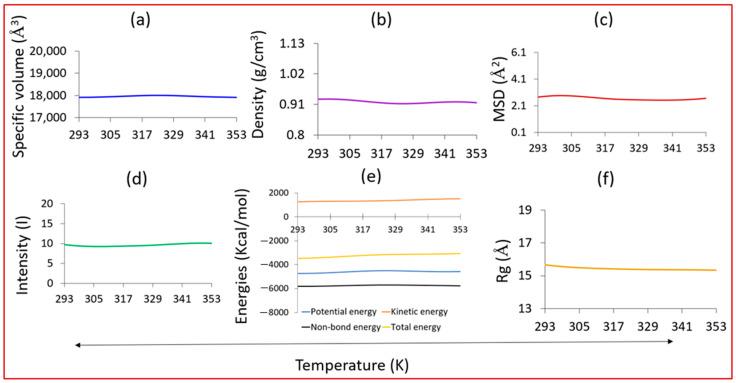
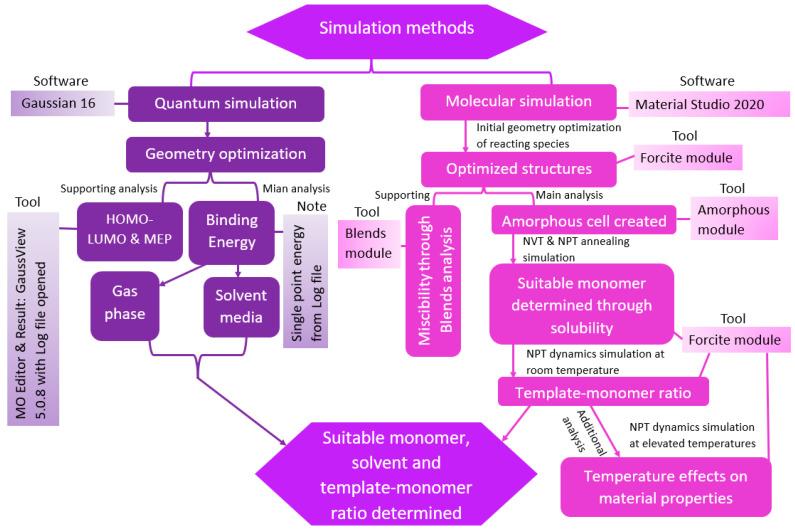
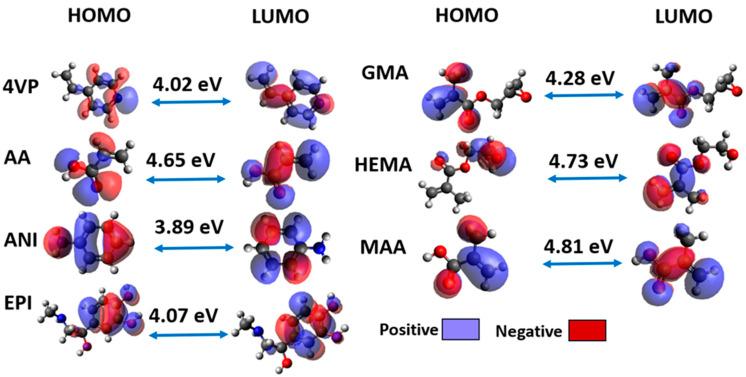
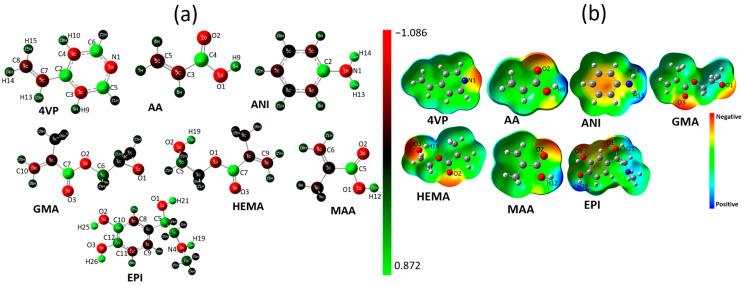
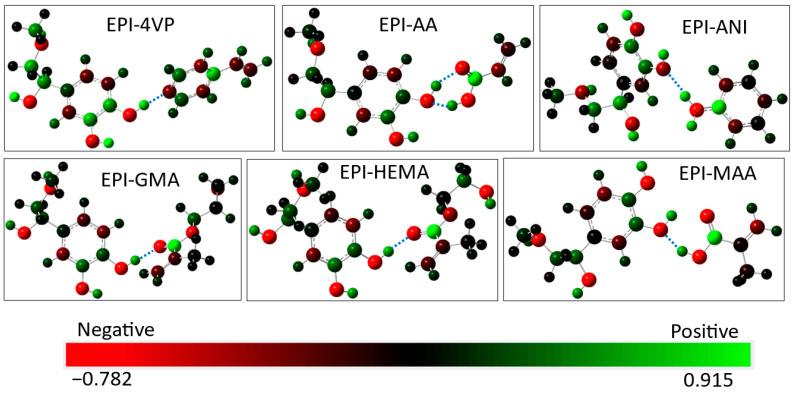
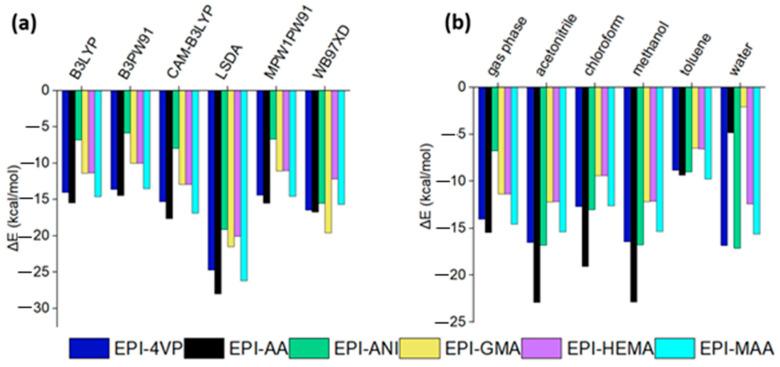
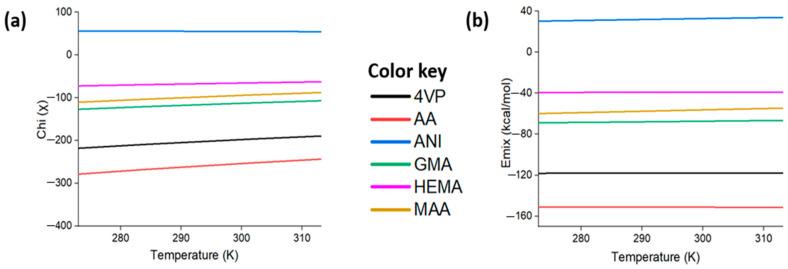
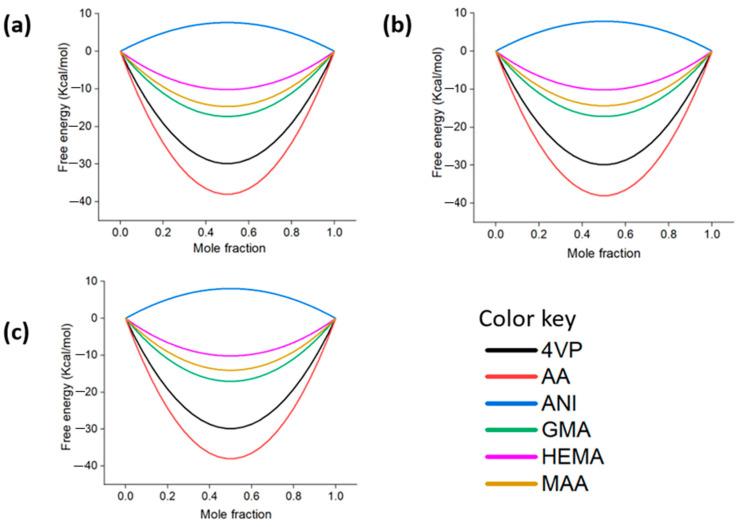
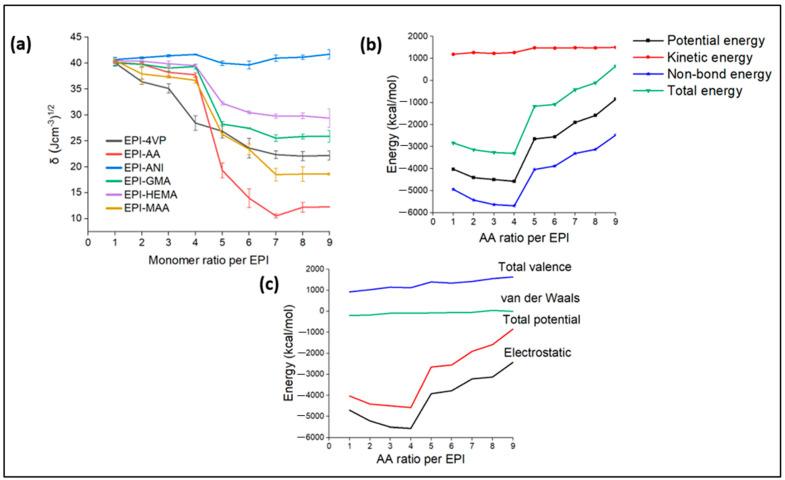
Molecularly imprinted polymers (MIPs) are a growing highlight in polymer chemistry. They are chemically and thermally stable, may be used in a variety of environments, and fulfill a wide range of applications. Computer-aided studies of MIPs often involve the use of computational techniques to design, analyze, and optimize the production of MIPs. Limited information is available on the computational study of interactions between the epinephrine (EPI) MIP and its target molecule. A rational design for EPI-MIP preparation was performed in this study. First, density functional theory (DFT) and molecular dynamic (MD) simulation were used for the screening of functional monomers suitable for the design of MIPs of EPI in the presence of a crosslinker and a solvent environment. Among the tested functional monomers, acrylic acid (AA) was the most appropriate monomer for EPI-MIP formulation. The trends observed for five out of six DFT functionals assessed confirmed AA as the suitable monomer. The theoretical optimal molar ratio was 1:4 EPI:AA in the presence of ethylene glycol dimethacrylate (EGDMA) and acetonitrile. The effect of temperature was analyzed at this ratio of EPI:AA on mean square displacement, X-ray diffraction, density distribution, specific volume, radius of gyration, and equilibrium energies. The stability observed for all these parameters is much better, ranging from 338 to 353 K. This temperature may determine the processing and operating temperature range of EPI-MIP development using AA as a functional monomer. For cost-effectiveness and to reduce time used to prepare MIPs in the laboratory, these results could serve as a useful template for designing and developing EPI-MIPs.
分子印迹聚合物(MIPs)是高分子化学领域中日益受到关注的亮点。它们具有化学和热稳定性,可用于各种环境,并具有广泛的应用。对MIPs的计算机辅助研究通常涉及使用计算技术来设计、分析和优化MIPs的生产。关于肾上腺素(EPI)MIP与其靶分子之间相互作用的计算研究信息有限。本研究对EPI-MIP的制备进行了合理设计。首先,使用密度泛函理论(DFT)和分子动力学(MD)模拟在交联剂和溶剂环境存在的情况下筛选适合设计EPI-MIP的功能单体。在所测试的功能单体中,丙烯酸(AA)是制备EPI-MIP最合适的单体。在评估的六种DFT泛函中,有五种观察到的趋势证实了AA是合适的单体。在存在乙二醇二甲基丙烯酸酯(EGDMA)和乙腈的情况下,理论最佳摩尔比为EPI:AA = 1:4。在此EPI:AA比例下分析了温度对均方位移、X射线衍射、密度分布、比容、回转半径和平衡能量的影响。在338至353 K的范围内,所有这些参数观察到的稳定性要好得多。该温度可能决定了以AA作为功能单体开发EPI-MIP的加工和操作温度范围。为了实现成本效益并减少在实验室中制备MIPs所需的时间,这些结果可为设计和开发EPI-MIPs提供有用的模板。
 Zotero 插件