Zhao Sha, Gu Zhao-Liang, Yue Ya-Nan, Zhang Xia, Dong Yuan
Neuropsychiatry Research Institute, The Affiliated Hospital of Qingdao University, Qingdao, China.
School of Basic Medicine, Qingdao University, Qingdao, China.
Front Neurosci. 2024 Aug 14;18:1425532. doi: 10.3389/fnins.2024.1425532. eCollection 2024.
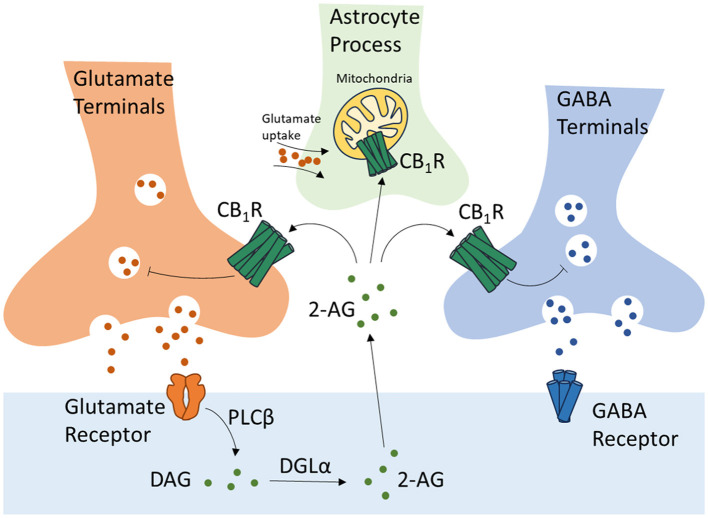
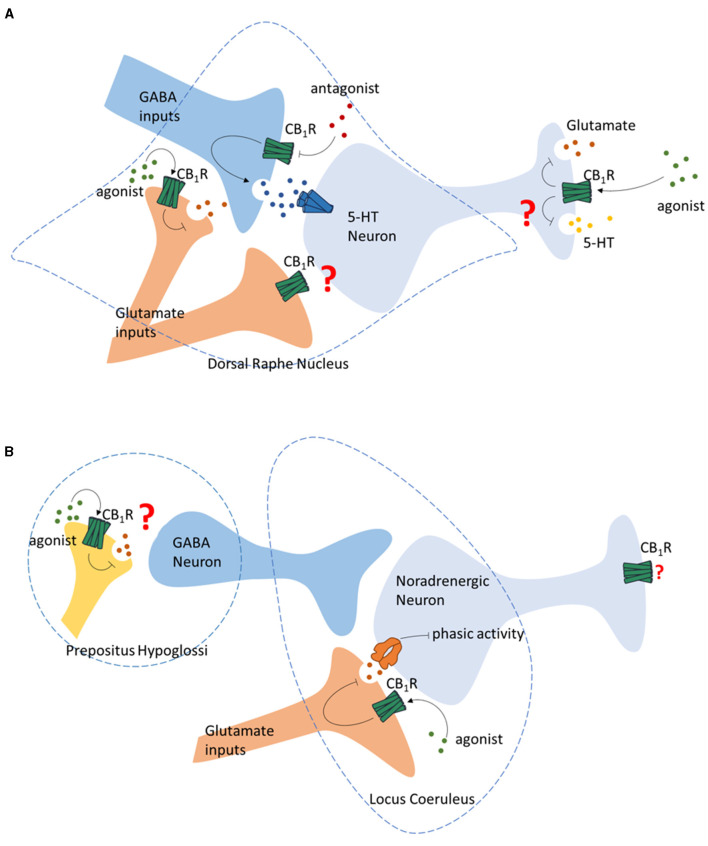
Cannabinoids and the endocannabinoid system (ECS) have been intensively studied for their neuroregulatory roles in the central nervous system (CNS), especially in regulating learning and memory. However, many experimental and clinical studies obtained conflicting results indicating a complex network of interaction underlying the regulation of learning and memory by different cannabinoids and the ECS. The ECS influences neuronal synaptic communications, and therefore may exert different regulation via their different impact on other neurotransmitters. The monoaminergic system includes a variety of neurotransmitters, such as dopamine, norepinephrine, and serotonin, which play important roles in regulating mood, cognition, and reward. The interaction among cannabinoids, ECS and the monoaminergic system has drawn particular attention, especially their contributions to learning and memory. In this review, we summarized the current understanding of how cannabinoids, ECS and the monoaminergic system contribute to the process of learning and memory, and discussed the influences of monoaminergic neurotransmission by cannabinoids and ECS during this process.
大麻素和内源性大麻素系统(ECS)因其在中枢神经系统(CNS)中的神经调节作用,特别是在调节学习和记忆方面,受到了广泛研究。然而,许多实验和临床研究得出了相互矛盾的结果,这表明不同大麻素和ECS在调节学习和记忆背后存在复杂的相互作用网络。ECS影响神经元突触通讯,因此可能通过其对其他神经递质的不同影响发挥不同的调节作用。单胺能系统包括多种神经递质,如多巴胺、去甲肾上腺素和血清素,它们在调节情绪、认知和奖赏方面发挥着重要作用。大麻素、ECS和单胺能系统之间的相互作用引起了特别关注,尤其是它们对学习和记忆的贡献。在这篇综述中,我们总结了目前对大麻素、ECS和单胺能系统如何促进学习和记忆过程的理解,并讨论了在此过程中大麻素和ECS对单胺能神经传递的影响。