Pediatric Cardiology, University of Colorado School of Medicine, and Children's Hospital Colorado, Aurora, CO, USA.
Department of Pediatrics, Maria Fareri Children's Hospital at WMC Health and New York Medical College of Touro University, Valhalla, NY, USA
Eur Respir J. 2024 Oct 31;64(4). doi: 10.1183/13993003.01345-2024. Print 2024 Oct.
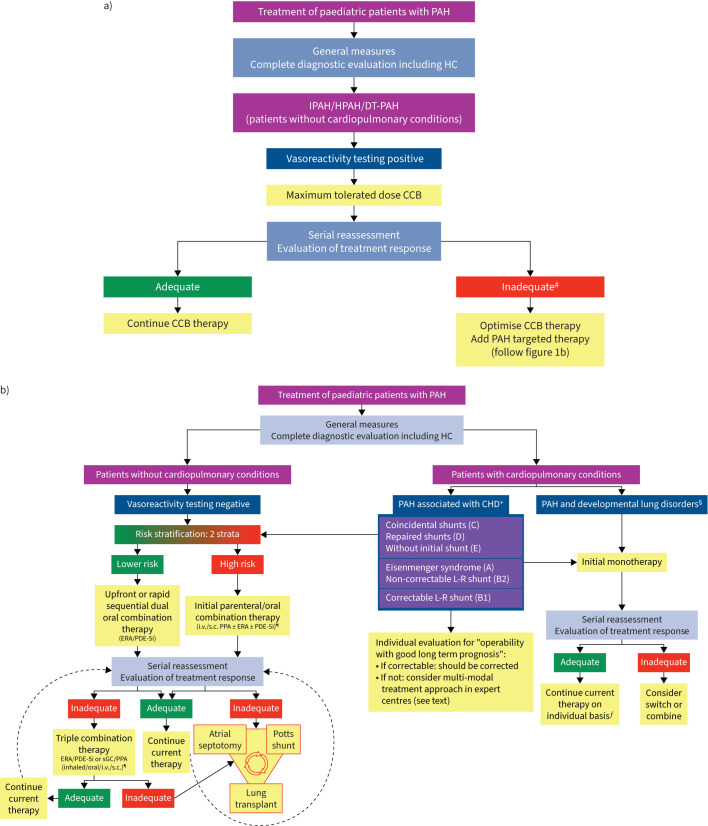
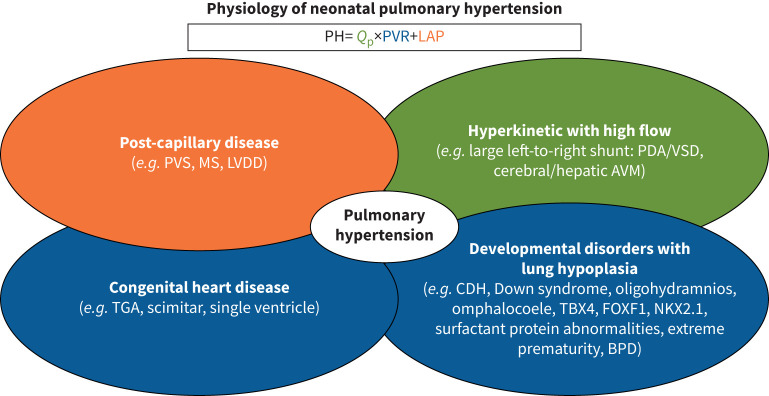
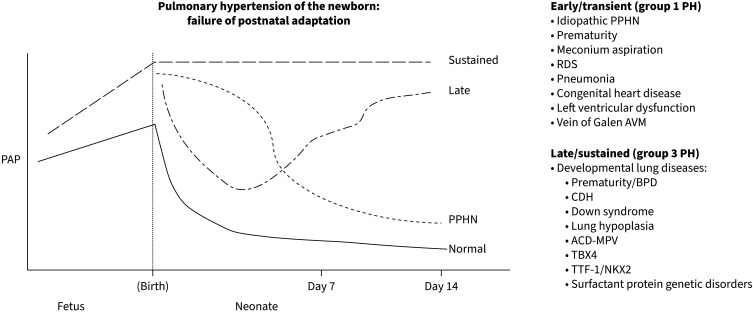
Paediatric pulmonary arterial hypertension (PAH) shares common features with adult disease, but is associated with several additional disorders and challenges that require unique approaches. This article discusses recent advances, ongoing challenges and distinct approaches for caring for infants and children with PAH, as presented by the paediatric task force of the 7th World Symposium on Pulmonary Hypertension. We provide updates on diagnosing, classifying, risk-stratifying and treating paediatric pulmonary hypertension (PH) and identify critical knowledge gaps. An updated risk stratification tool and treatment algorithm is provided, now also including strategies for patients with associated cardiopulmonary conditions. Treatment of paediatric PH continues to be hindered by the lack of randomised controlled clinical trials. The challenging management of children failing targeted PAH therapy is discussed, including balloon atrial septostomy, lung transplantation and pulmonary-to-systemic shunt (Potts). A novel strategy using a multimodal approach for the management of PAH associated with congenital heart diseases with borderline pulmonary vascular resistance is included. Advances in diagnosing neonatal PH, especially signs and interpretation of PH by echocardiography, are highlighted. A team approach to the rapidly changing physiology of neonatal PH is emphasised. Challenges in drug approval are discussed, particularly the challenges of designing accurate paediatric clinical trials with age-appropriate end-points and adequate enrolment.
儿科肺动脉高压(PAH)与成人疾病具有共同特征,但与几种额外的疾病和挑战有关,需要采用独特的方法。本文由第 7 届世界肺动脉高压研讨会儿科工作组介绍了儿科肺动脉高压(PH)的最新进展、持续挑战和独特的治疗方法。我们提供了诊断、分类、风险分层和治疗儿科 PH 的最新信息,并确定了关键的知识空白。提供了更新的风险分层工具和治疗算法,现在还包括了伴有心肺疾病患者的策略。缺乏随机对照临床试验继续阻碍儿科 PH 的治疗。讨论了靶向 PAH 治疗失败的儿童的挑战性管理,包括球囊房间隔造口术、肺移植和肺-体循环分流术(Potts)。还包括了一种用于治疗伴有临界肺血管阻力的先天性心脏病相关 PAH 的多模式管理的新策略。强调了诊断新生儿 PH 的进展,特别是超声心动图检查 PH 的迹象和解释。强调了对新生儿 PH 快速变化的生理学进行团队管理的重要性。讨论了药物批准方面的挑战,特别是设计具有适当年龄终点和足够入组的准确儿科临床试验的挑战。