Fraiha-Pegado Julia, de Paula Vanessa J Rodrigues, Alotaibi Tariq, Forlenza Orestes, Hajek Tomas
Department of Psychiatry, Dalhousie University, 909 Veteran's Memorial Lane, Halifax, Canada.
Laboratory of Neuroscience (LIM27), Department and Institute of Psychiatry, HCFMUSP-Hospital das Clínicas da Faculdade de Medicina da Universidade de São Paulo, São Paulo, Brazil.
Int J Bipolar Disord. 2024 Aug 30;12(1):32. doi: 10.1186/s40345-024-00348-5.
Since its debut in 1949, lithium (Li) has been regarded as a gold standard therapy for mood stabilization. Neuroprotective effects of Li have been replicated across many different paradigms ranging from tissue cultures to human studies. This has generated interest in potentially repurposing this drug. However, the optimal dosage required for neuroprotective effects remains unclear and may be different than the doses needed for treatment of bipolar disorders. Recent studies on trace-Li levels in the water suggest that Li, could slow cognitive decline and prevent dementia with long-term use even at very low doses. The current review aims to synthesize the data on the topic and challenge the conventional high-dose paradigm.
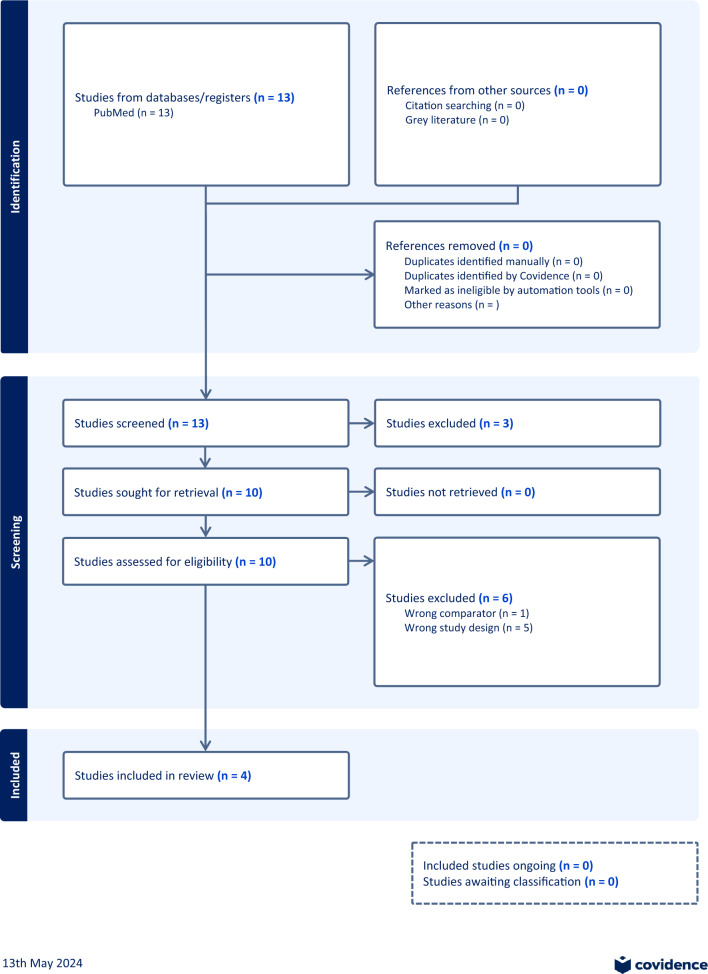
We systematically reviewed five available studies, which reported associations between trace-Li in water and incidence or mortality from dementia. Association between trace-Li levels and a lower risk or mortality from dementia were observed at concentrations of Li in drinking water as low as 0.002 mg/L and 0.056 mg/L. Meanwhile, levels below 0.002 mg/L did not elicit this effect. Although three of the five studies found dementia protective properties of Li in both sexes, a single study including lower Li levels (0.002 mg/l) found such association only in women. CONCLUSION: The reviewed evidence shows that trace-Li levels in the water are sufficient to lower the incidence or mortality from dementia. Considering the lack of options for the prevention or treatment of dementia, we should not ignore these findings. Future trials of Li should focus on long term use of low or even micro doses of Li in the prevention or treatment of dementia.
自1949年首次亮相以来,锂一直被视为情绪稳定治疗的金标准疗法。锂的神经保护作用已在从组织培养到人体研究的许多不同范例中得到复制。这引发了对该药物潜在重新用途的兴趣。然而,神经保护作用所需的最佳剂量仍不清楚,可能与治疗双相情感障碍所需的剂量不同。最近关于水中痕量锂水平的研究表明,即使在非常低的剂量下,长期使用锂也可以减缓认知衰退并预防痴呆症。本综述旨在综合该主题的数据,并挑战传统的高剂量模式。
我们系统地回顾了五项现有研究,这些研究报告了水中痕量锂与痴呆症发病率或死亡率之间的关联。在饮用水中锂浓度低至0.002毫克/升和0.056毫克/升时,观察到痕量锂水平与较低的痴呆症风险或死亡率之间存在关联。同时,低于0.002毫克/升的水平未产生这种效果。虽然五项研究中的三项发现锂对男女都有痴呆症保护特性,但一项包括较低锂水平(0.002毫克/升)的研究仅在女性中发现了这种关联。
综述证据表明,水中的痕量锂水平足以降低痴呆症的发病率或死亡率。考虑到预防或治疗痴呆症的选择匮乏,我们不应忽视这些发现。未来锂的试验应侧重于长期使用低剂量甚至微剂量的锂来预防或治疗痴呆症。