Division of Hematology/Oncology, Department of Medicine, University of California, San Francisco, San Francisco, CA, United States.
Kaiser Permanente San Francisco Medical Center, San Francisco, CA, United States.
Front Immunol. 2024 Aug 16;15:1444020. doi: 10.3389/fimmu.2024.1444020. eCollection 2024.
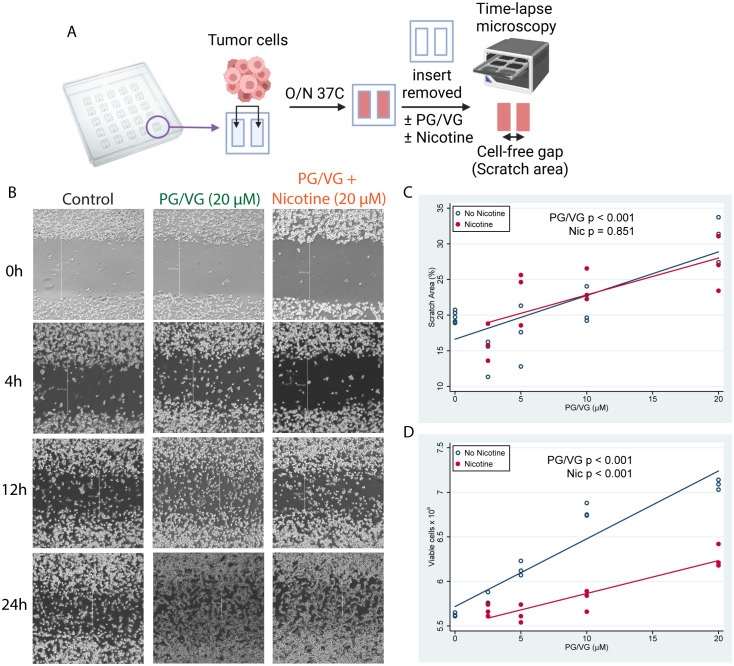
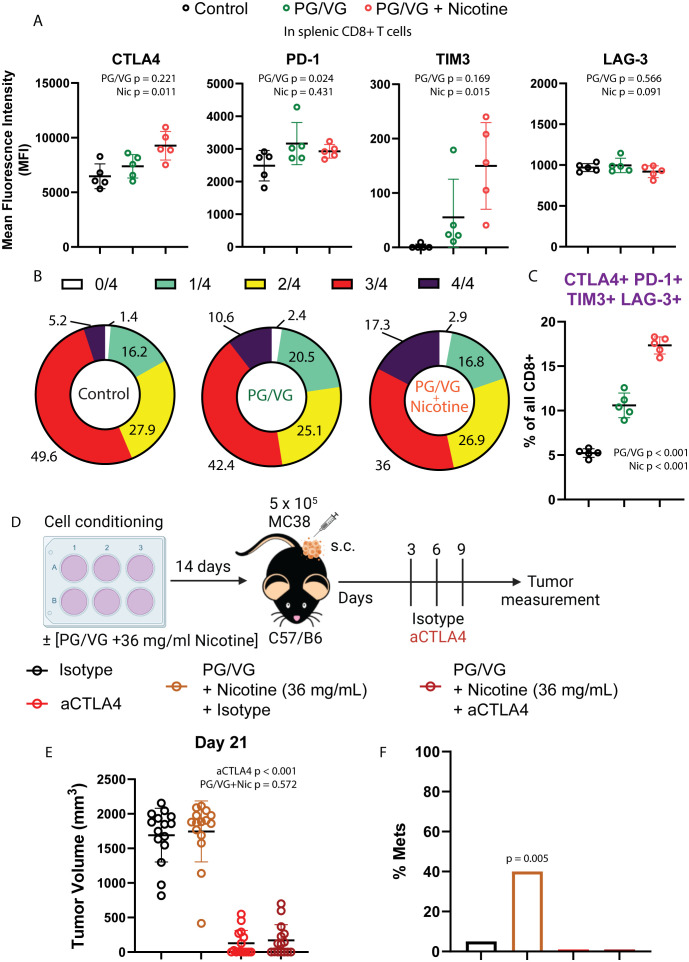
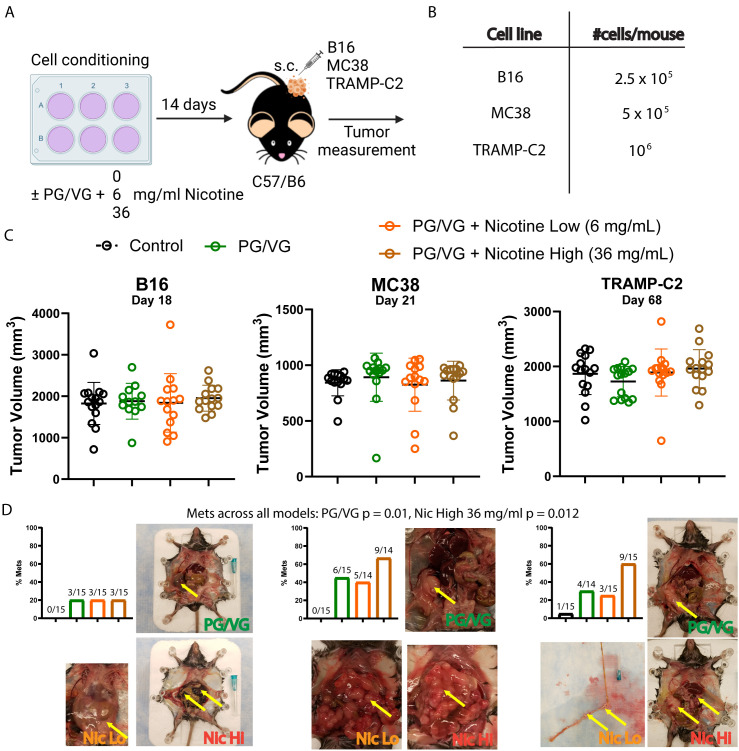
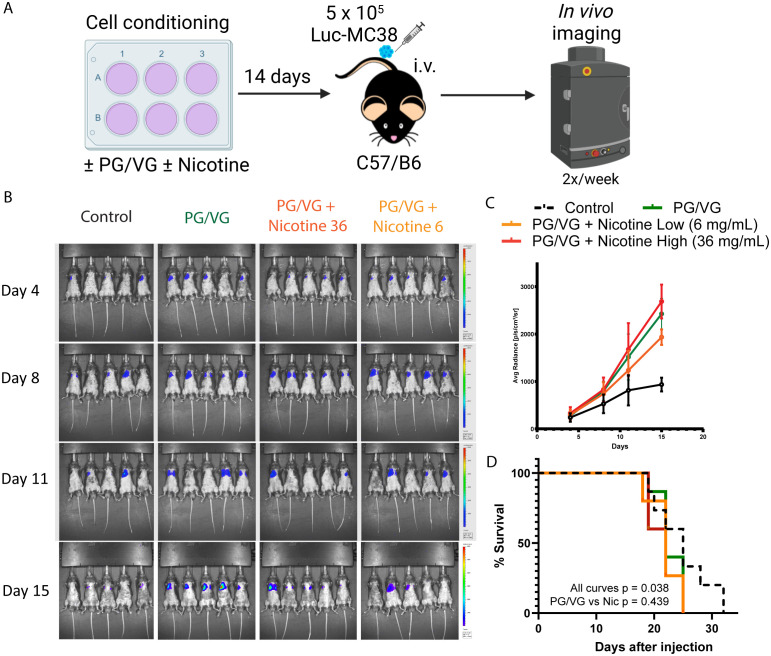
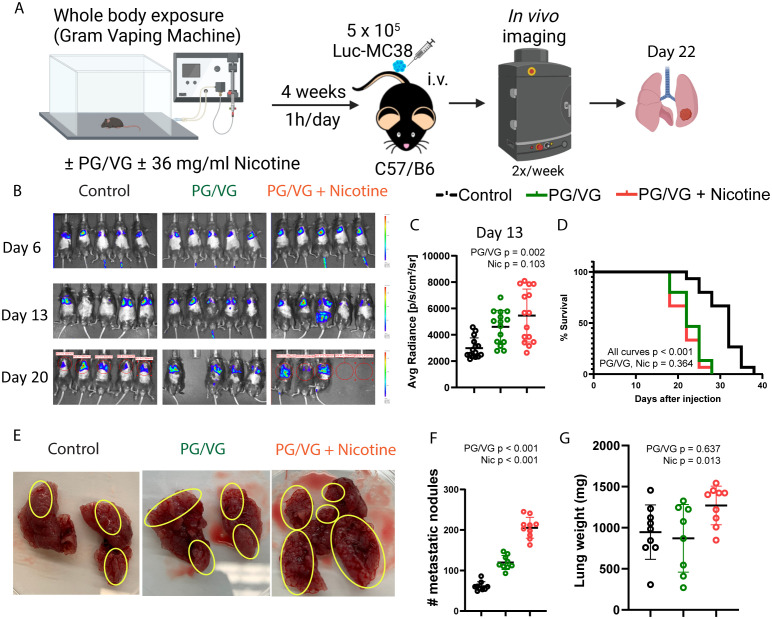
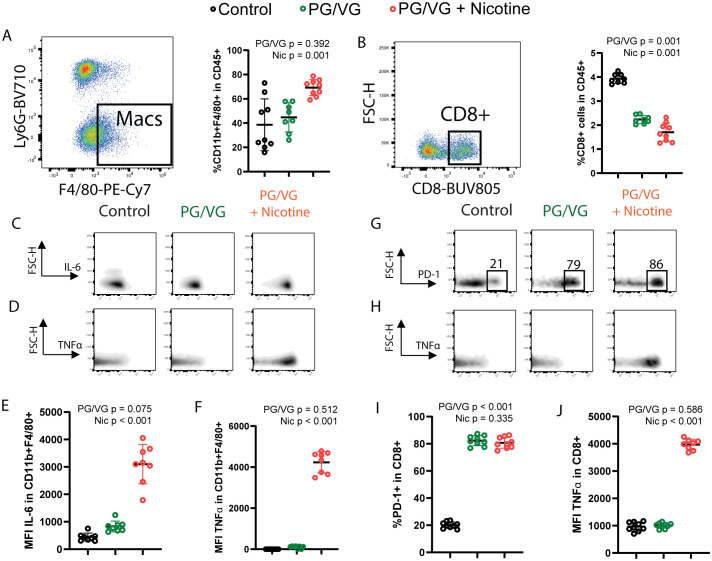
Electronic cigarettes (e-cigarettes) are thought to pose low risk of cancer because the components of e-cigarette liquid are not carcinogens. We analyzed the effects of the two major components, PG/VG and nicotine, on tumor development in preclinical models. We found that PG/VG promoted tumor cell migration in migration assays and contributed to more aggressive, metastatic, and immunosuppressive tumors , aggravated by the presence of nicotine. Whole body exposure of mice to PG/VG and nicotine rendered animals more susceptible to developing tumors with high frequencies of infiltrating proinflammatory macrophages expressing IL-6 and TNFα. Moreover, tumor-infiltrating and circulating T cells in e-cigarette exposed mice showed increased levels of immune checkpoints including CTLA4 and PD-1. Treatment with anti-CTLA4 antibody was able to abrogate metastasis with no detrimental effects on its ability to induce tumor regression in exposed mice. These findings suggest that the major components used in e-cigarette fluid can impact tumor development through induced immunosuppression.
电子烟(e-cigarettes)被认为癌症风险较低,因为电子烟液体的成分不是致癌物质。我们分析了两个主要成分,PG/VG 和尼古丁,对临床前模型中肿瘤发展的影响。我们发现 PG/VG 在迁移实验中促进肿瘤细胞迁移,并导致更具侵袭性、转移性和免疫抑制性的肿瘤,而尼古丁的存在加剧了这种情况。小鼠全身暴露于 PG/VG 和尼古丁使动物更容易发展出高频率浸润表达 IL-6 和 TNFα 的促炎巨噬细胞的肿瘤。此外,电子烟暴露小鼠的肿瘤浸润和循环 T 细胞显示出更高水平的免疫检查点,包括 CTLA4 和 PD-1。用抗 CTLA4 抗体治疗能够消除转移,而对其诱导暴露小鼠肿瘤消退的能力没有不利影响。这些发现表明,电子烟液体中使用的主要成分可以通过诱导免疫抑制来影响肿瘤的发展。