The First Affiliated Hospital, NHC Key Laboratory of Combined Multi-Organ Transplantation, Collaborative Innovation Center for Diagnosis and Treatment of Infectious Diseases, State Key Laboratory for Diagnosis and Treatment of Infectious Diseases, Zhejiang University School of Medicine, Hangzhou, Zhejiang Province, PR China.
Jinan Microecological Biomedicine Shandong Laboratory, Jinan, Shandong Province, PR China.
Nat Commun. 2024 Sep 3;15(1):7664. doi: 10.1038/s41467-024-51945-y.
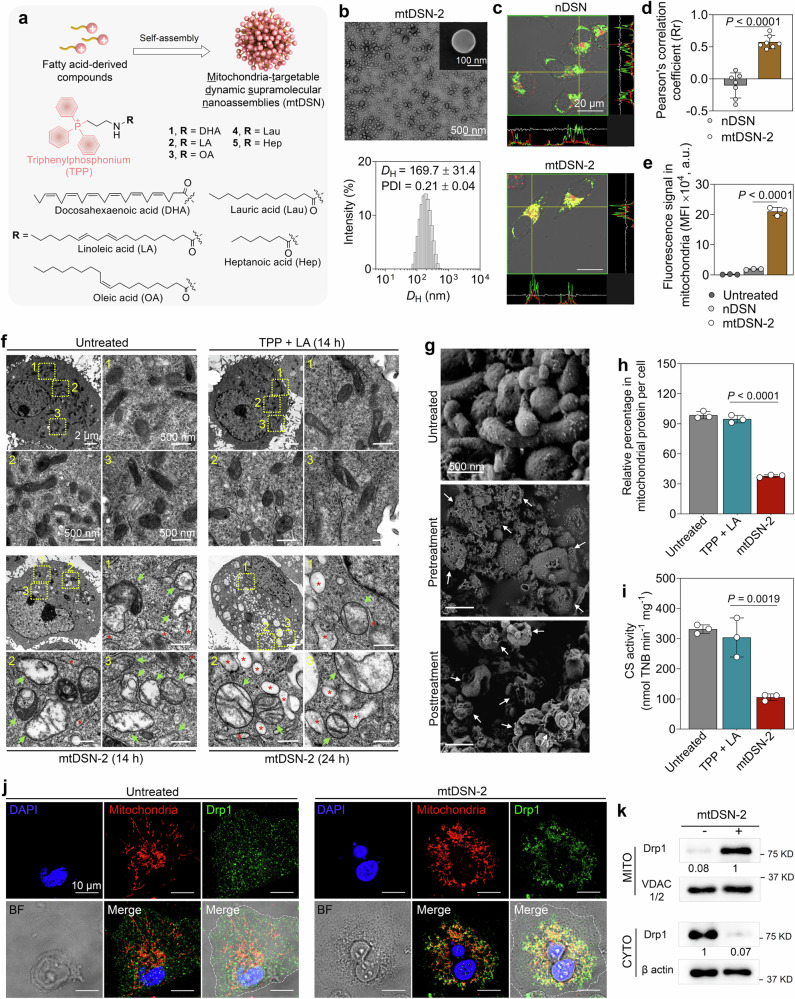
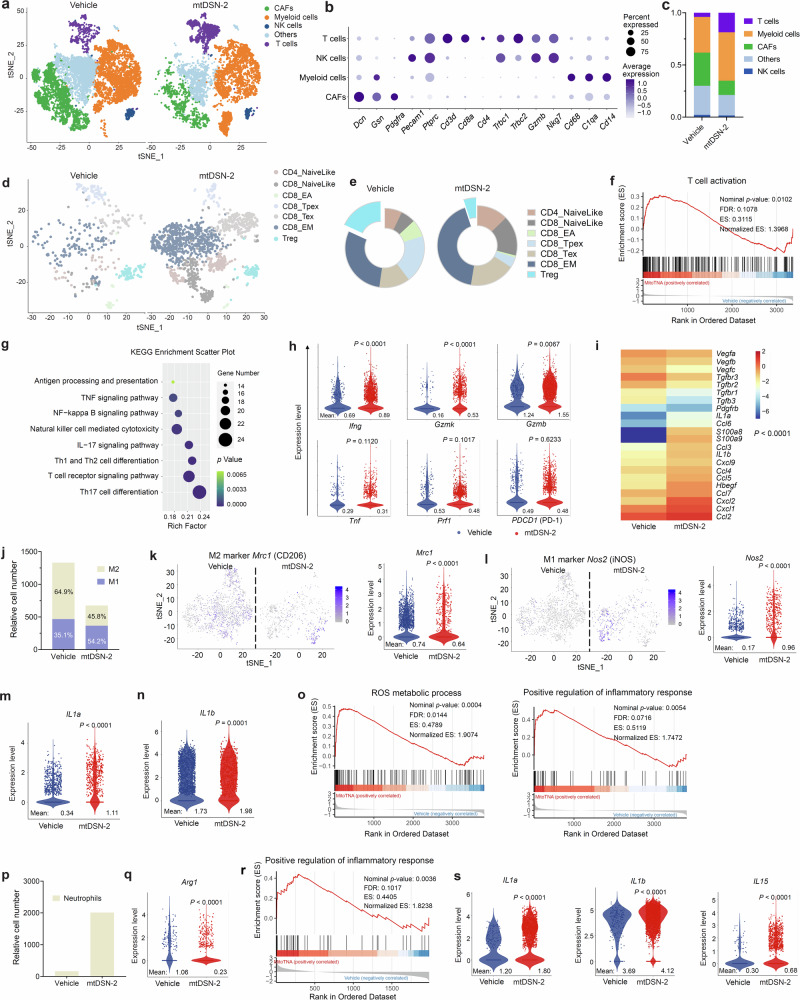
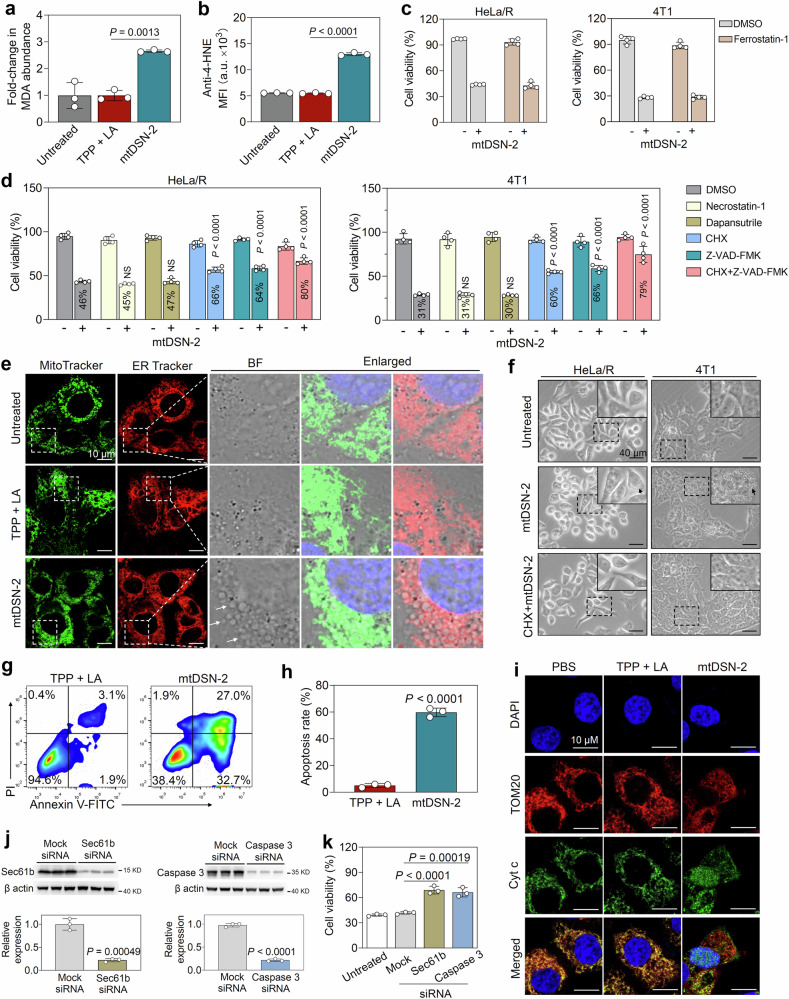
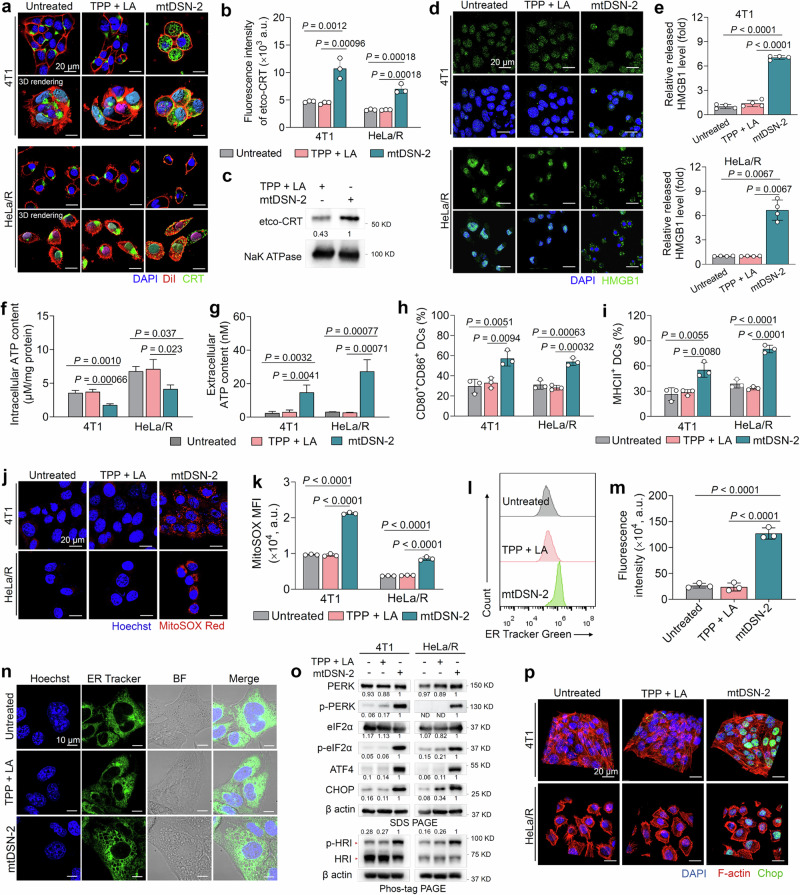
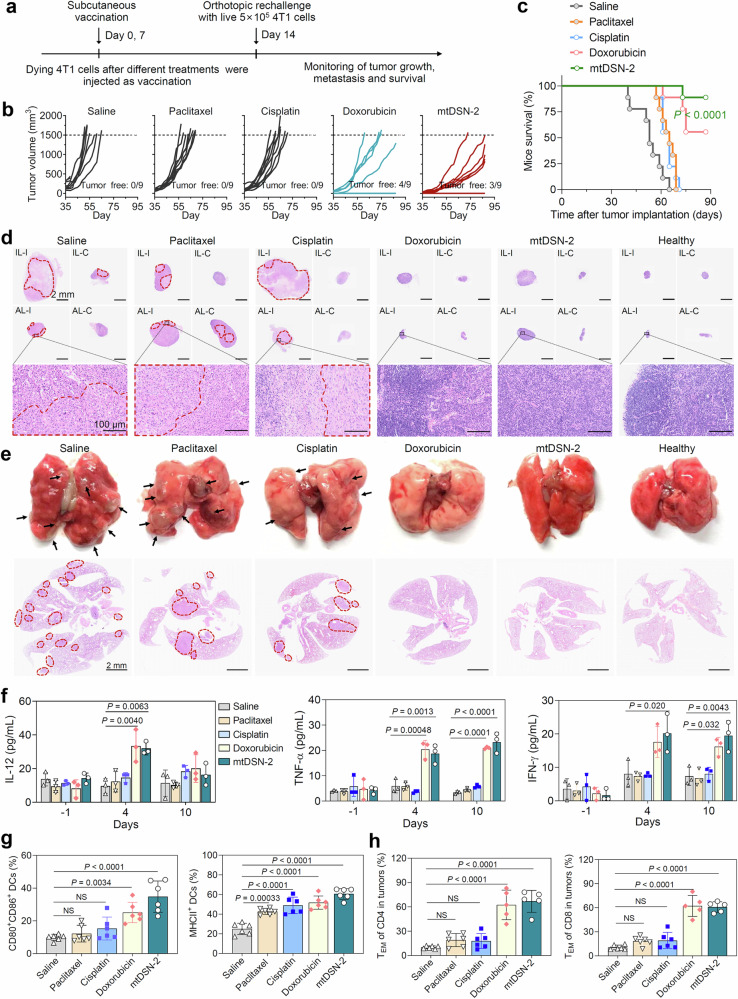
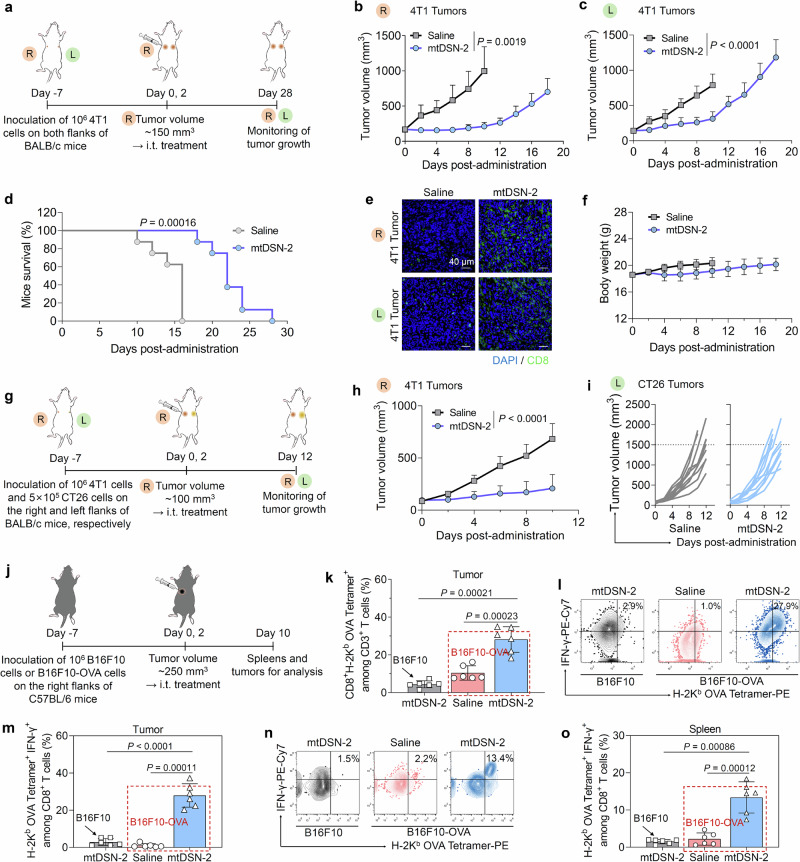
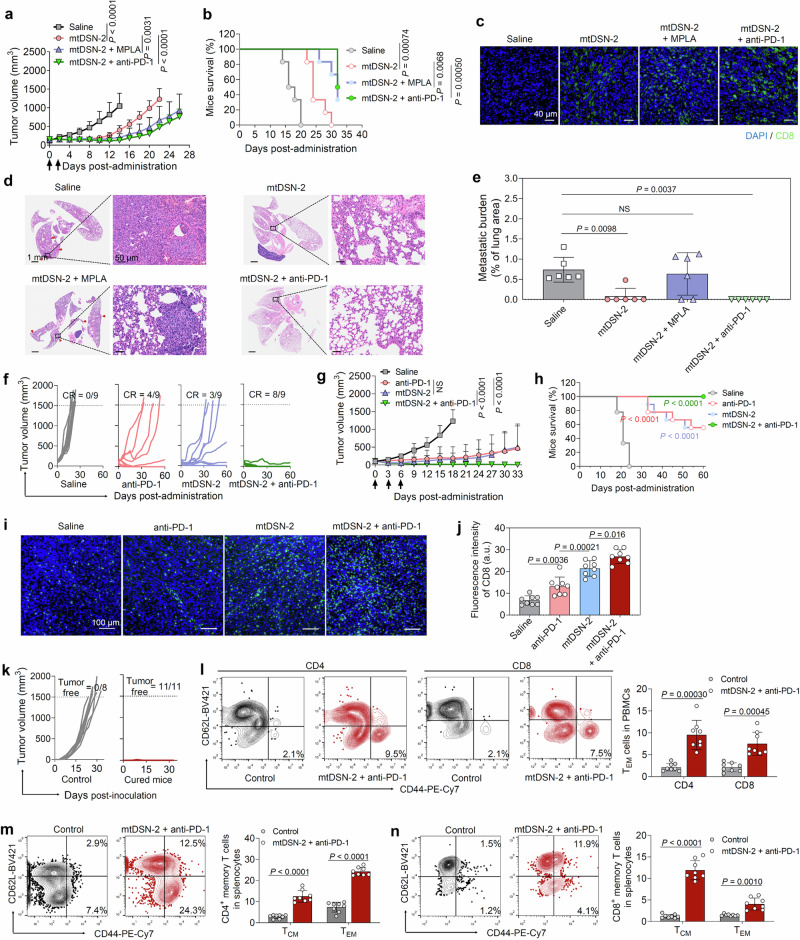
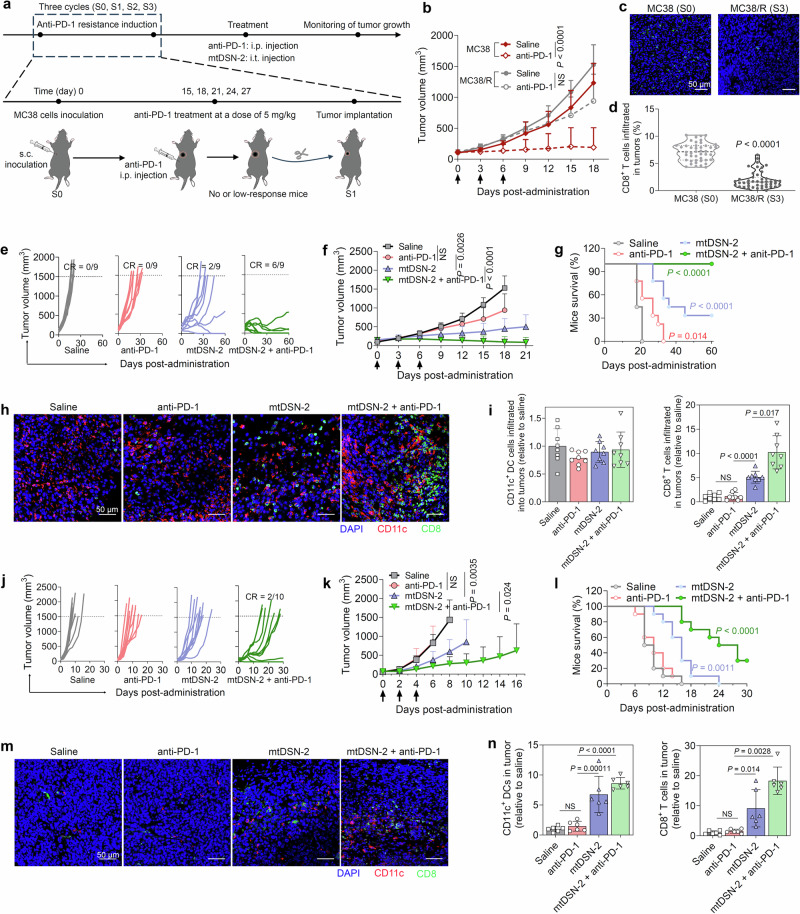
The immunosuppressive tumor microenvironment (TME) remains a major obstacle to tumor control and causes suboptimal responses to immune checkpoint blockade (ICB) therapy. Thus, developing feasible therapeutic strategies that trigger inflammatory responses in the TME could improve the ICB efficacy. Mitochondria play an essential role in inflammation regulation and tumor immunogenicity induction. Herein, we report the discovery and characterization of a class of small molecules that can recapitulate aqueous self-assembly behavior, specifically target cellular organelles (e.g., mitochondria), and invigorate tumor cell immunogenicity. Mechanistically, this nanoassembly platform dynamically rewires mitochondria, induces endoplasmic reticulum stress, and causes apoptosis/paraptosis-associated immunogenic cell death. After treatment, stressed and dying tumor cells can act as prophylactic or therapeutic cancer vaccines. In preclinical mouse models of cancers with intrinsic or acquired resistance to PD-1 blockade, the local administration of nanoassemblies inflames the immunologically silent TME and synergizes with ICB therapy, generating potent antitumor immunity. This chemically programmed small-molecule immune enhancer acts distinctly from regular cytotoxic therapeutics and offers a promising strategy for synchronous and dynamic tailoring of innate immunity to achieve traceless cancer therapy and overcome immunosuppression in cancers.
免疫抑制性肿瘤微环境(TME)仍然是肿瘤控制的主要障碍,并导致免疫检查点阻断(ICB)治疗的反应不佳。因此,开发可行的治疗策略,在 TME 中引发炎症反应,可以提高 ICB 的疗效。线粒体在炎症调节和肿瘤免疫原性诱导中发挥着重要作用。在此,我们报告了一类小分子的发现和特性,这类小分子可以再现水性自组装行为,特异性靶向细胞器官(如线粒体),并激活肿瘤细胞的免疫原性。从机制上讲,这种纳米组装平台可以动态地重新布线线粒体,诱导内质网应激,并导致凋亡/副凋亡相关的免疫原性细胞死亡。治疗后,应激和死亡的肿瘤细胞可以作为预防性或治疗性癌症疫苗。在对 PD-1 阻断具有内在或获得性耐药的癌症的临床前小鼠模型中,局部给予纳米组装体可使免疫沉默的 TME 发炎,并与 ICB 治疗协同作用,产生强大的抗肿瘤免疫。这种化学编程的小分子免疫增强剂与常规细胞毒性疗法有明显区别,为同步和动态调整固有免疫以实现无痕癌症治疗和克服癌症中的免疫抑制提供了一种有前景的策略。