Dunson Blake T, Cooper Alexus M, Polascik Bryce W, Wood Taylor R, Langfitt Maxwell K, Plate Johannes F, Rosas Samuel
Wake Forest University School of Medicine, Winston-Salem, NC, USA.
Department of Orthopaedic Surgery, Atrium Health Wake Forest Baptist, Winston-Salem, NC, USA.
Arthroplast Today. 2024 Aug 12;29:101481. doi: 10.1016/j.artd.2024.101481. eCollection 2024 Oct.
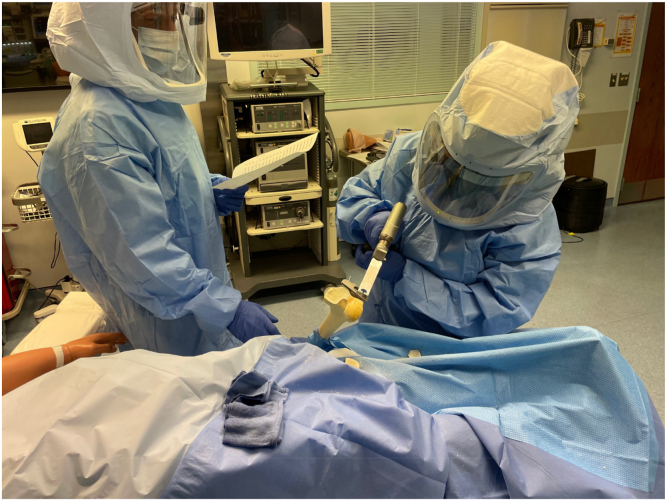
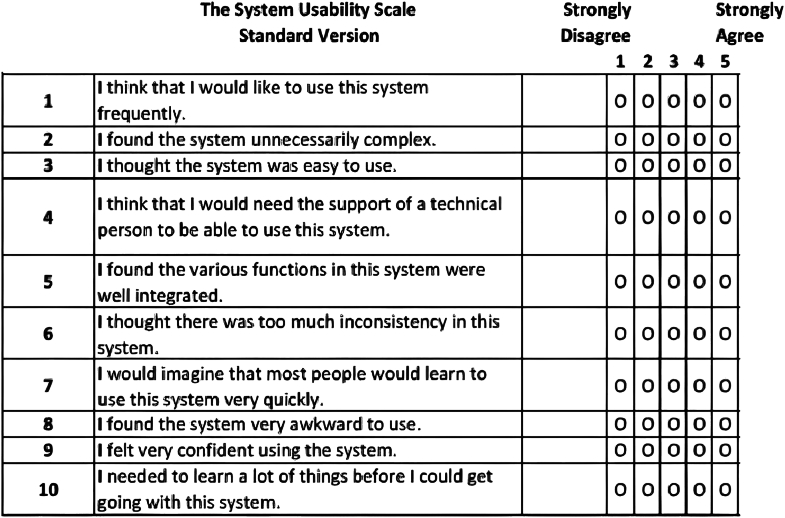
Effective communication is vital for patient safety, yet failures are common, often due to outdated methods. This study aimed to assess whether in-ear communication devices improve communication in orthopedic surgery simulations compared to traditional loud voice methods. Fifteen participants underwent simulations using both in-ear wireless devices and standard communication. Results showed significant improvements with in-ear devices in correctly identifying phrases (78.6% vs 44%), effectiveness (7.9/10 vs 4.9/10), and clarity (8/10 vs 4/10), all < .001. Participants also favored in-ear devices in usability assessments. Sound levels recorded were comparable between groups. In conclusion, in-ear communication is safe and effective in orthopedic settings, potentially enhancing efficiency and safety. These devices can mitigate loud noises, benefiting surgeon well-being and patient outcomes.
有效的沟通对患者安全至关重要,但沟通失败却很常见,这通常是由于方法过时所致。本研究旨在评估与传统大声喊话方法相比,入耳式通信设备在骨科手术模拟中是否能改善沟通效果。15名参与者分别使用入耳式无线设备和标准通信方式进行了模拟。结果显示,使用入耳式设备在正确识别短语方面(78.6% 对 44%)、有效性方面(7.9/10 对 4.9/10)和清晰度方面(8/10 对 4/10)均有显著改善,P值均 < .001。参与者在可用性评估中也更青睐入耳式设备。两组记录的声音水平相当。总之,入耳式通信在骨科环境中是安全有效的,可能会提高效率和安全性。这些设备可以减轻噪音,有利于外科医生的健康和患者的治疗结果。