Zhao Pingping, Guo Changliang, Xie Mian, Chen Liangyi, Golshani Peyman, Aharoni Daniel
Department of Neurology, David Geffen School of Medicine, University of California, Los Angeles, Los Angeles, CA, USA.
State Key Laboratory of Membrane Biology, Beijing Key Laboratory of Cardiometabolic Molecular Medicine, Institute of Molecular Medicine, National Biomedical Imaging Center, School of Future Technology, Peking University, Beijing, China.
bioRxiv. 2024 Aug 19:2024.08.16.608328. doi: 10.1101/2024.08.16.608328.
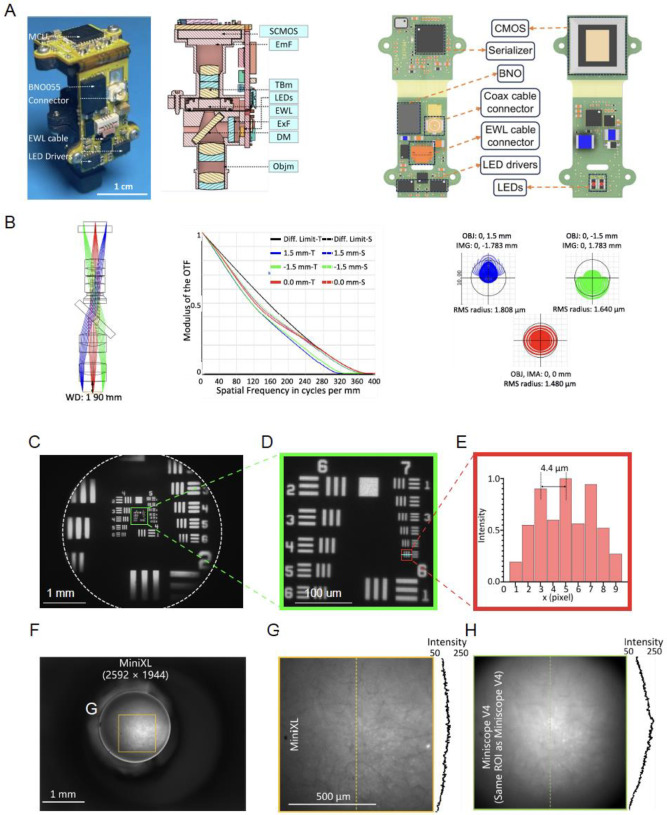
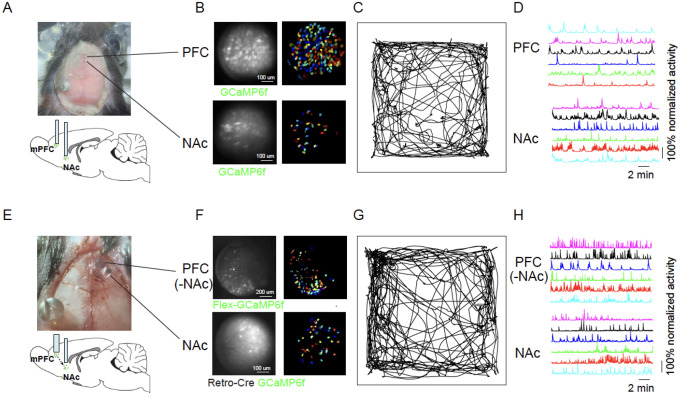
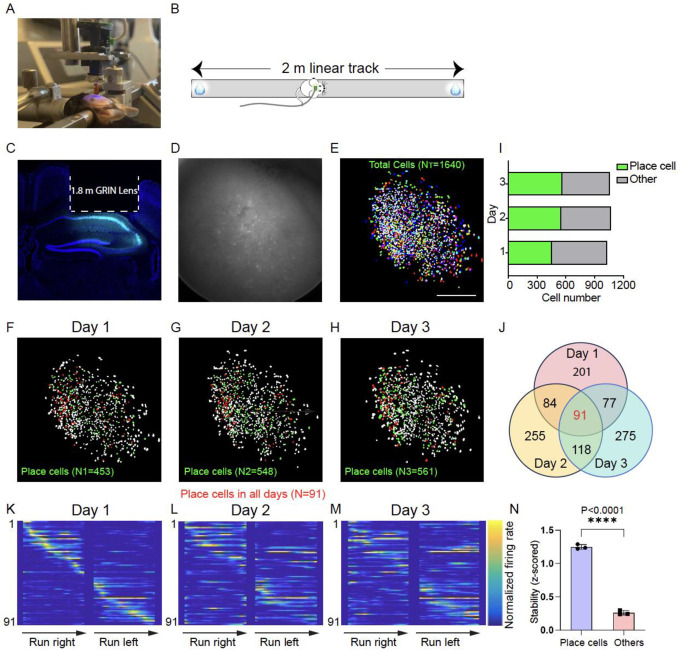
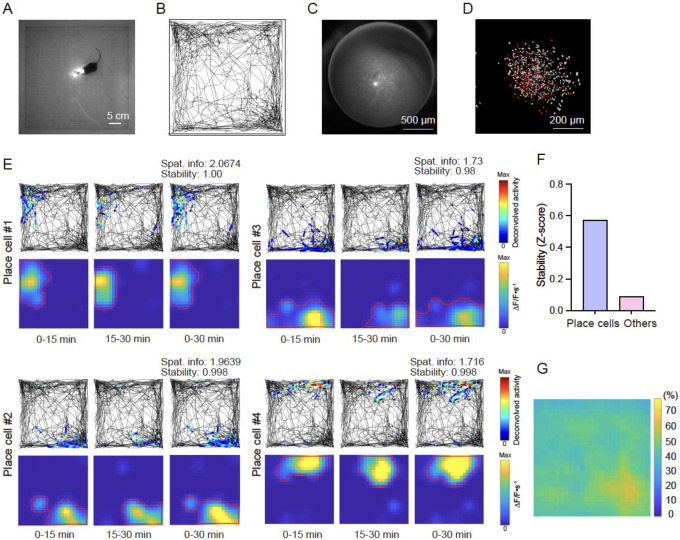
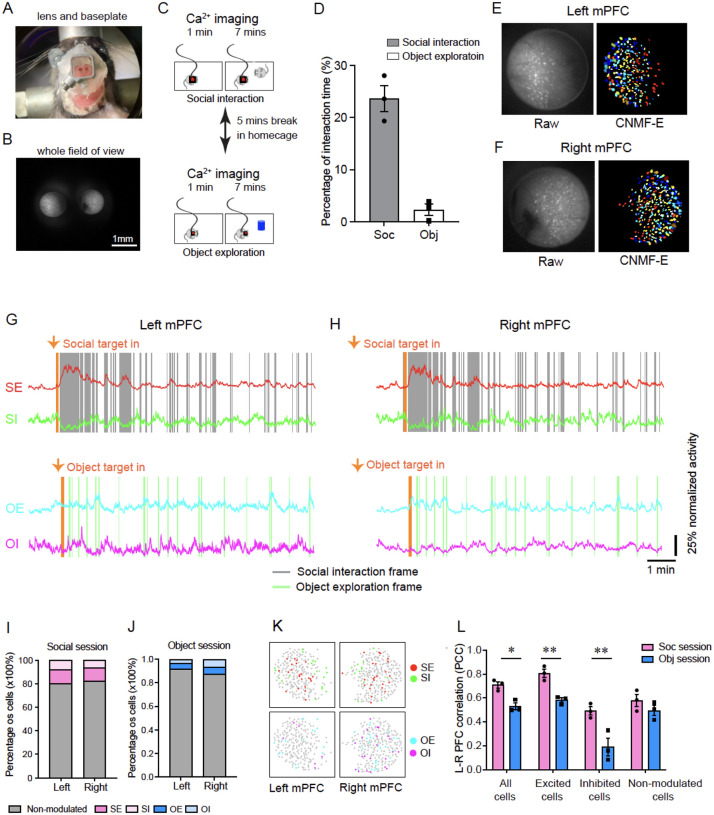
Capturing the intricate dynamics of neural activity in freely behaving animals is essential for understanding the neural mechanisms underpinning specific behaviors. Miniaturized microscopy enables investigators to track population activity at cellular level, but the field of view (FOV) of these microscopes have been limited and does not allow multiple-brain region imaging. To fill this technological gap, we have developed the eXtra Large field-of-view Miniscope (MiniXL), a 3.5g lightweight miniaturized microscope with an FOV measuring 3.5 mm in diameter and an electrically adjustable working distance of 1.9 mm ± 200 μm. We demonstrated the capability of MiniXL recording the activity of large neuronal population in both subcortical area (hippocampal dorsal CA1) and deep brain regions (medial prefrontal cortex, mPFC and nucleus accumbens, NAc). The large FOV allows simultaneous imaging of multiple brain regions such as bilateral mPFCs or mPFC and NAc during complex social behavior and tracking cells across multiple sessions. As with all microscopes in the UCLA Miniscope ecosystem, the MiniXL is fully open-source and will be shared with the neuroscience community to lower the barriers for adoption of this technology.
捕捉自由活动动物复杂的神经活动动态对于理解特定行为背后的神经机制至关重要。小型显微镜使研究人员能够在细胞水平上追踪群体活动,但这些显微镜的视野(FOV)有限,不允许对多个脑区进行成像。为了填补这一技术空白,我们开发了超大视野微型显微镜(MiniXL),这是一款重量为3.5克的轻型小型显微镜,其视野直径为3.5毫米,电可调工作距离为1.9毫米±200微米。我们展示了MiniXL记录皮层下区域(海马背侧CA1)和深部脑区(内侧前额叶皮层,mPFC和伏隔核,NAc)中大量神经元群体活动的能力。大视野允许在复杂社会行为期间同时对多个脑区进行成像,如双侧mPFC或mPFC和NAc,并在多个实验中追踪细胞。与加州大学洛杉矶分校微型显微镜生态系统中的所有显微镜一样,MiniXL是完全开源的,并将与神经科学界共享,以降低采用这项技术的障碍。