Shiraz Nephro-Urology Research Center, Shiraz University of Medical Sciences, Shiraz, Iran.
Shiraz Transplant Research Center, Shiraz University of Medical Sciences, Shiraz, Iran.
BMC Nephrol. 2024 Sep 4;25(1):292. doi: 10.1186/s12882-024-03728-2.
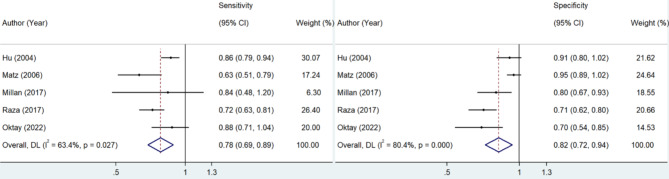
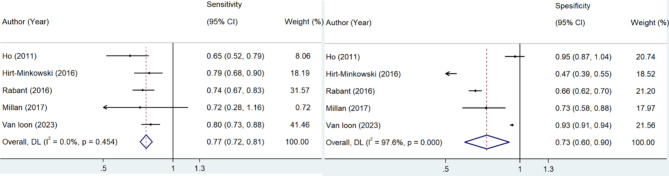
The challenges of long-term graft survival and the side effects of current immunosuppressive therapies in kidney transplantation highlight the need for improved drugs with fewer adverse effects. Biomarkers play a crucial role in quickly detecting post-transplant complications, with new biomarkers showing promise for ongoing monitoring of disease and potentially reducing the need for unnecessary invasive biopsies. The chemokines such as C-X-C motif chemokine ligand 10 (CXCL10), are particularly promising protein biomarkers for acute renal rejection, with urine samples being a desirable source for biomarkers. The aim of this review is to analyze the literature on the potential role of urinary CXCL10 protein in predicting kidney graft injuries. The results of this study demonstrate that evaluating urinary CXCL10 levels is more successful in identifying post-transplant injuries compared to assessing the CXCL10/Cr ratio.
长期移植物存活率的挑战和当前肾移植免疫抑制治疗的副作用突出表明需要开发具有更少副作用的改良药物。生物标志物在快速检测移植后并发症方面发挥着至关重要的作用,新的生物标志物有望持续监测疾病,并可能减少不必要的有创活检的需求。趋化因子如 C-X-C 基序趋化因子配体 10(CXCL10),是急性肾排斥反应特别有前途的蛋白生物标志物,尿液样本是生物标志物的理想来源。本综述旨在分析尿液 CXCL10 蛋白在预测肾移植物损伤方面的潜在作用的文献。该研究结果表明,与评估 CXCL10/Cr 比值相比,评估尿 CXCL10 水平在识别移植后损伤方面更为成功。