Camalle Maria Dolores, Levin Elena, David Sivan, Faigenboim Adi, Foolad Majid R, Lers Amnon
Department of Postharvest Science, Volcani Institute, Agricultural Research Organization, Rishon LeZion, Israel.
Robert H. Smith Faculty of Agriculture Food and Environment, The Robert H. Smith Institute of Plant Sciences and Genetics in Agriculture, The Hebrew University of Jerusalem, Rehovot, Israel.
Mol Hortic. 2024 Sep 5;4(1):31. doi: 10.1186/s43897-024-00108-0.
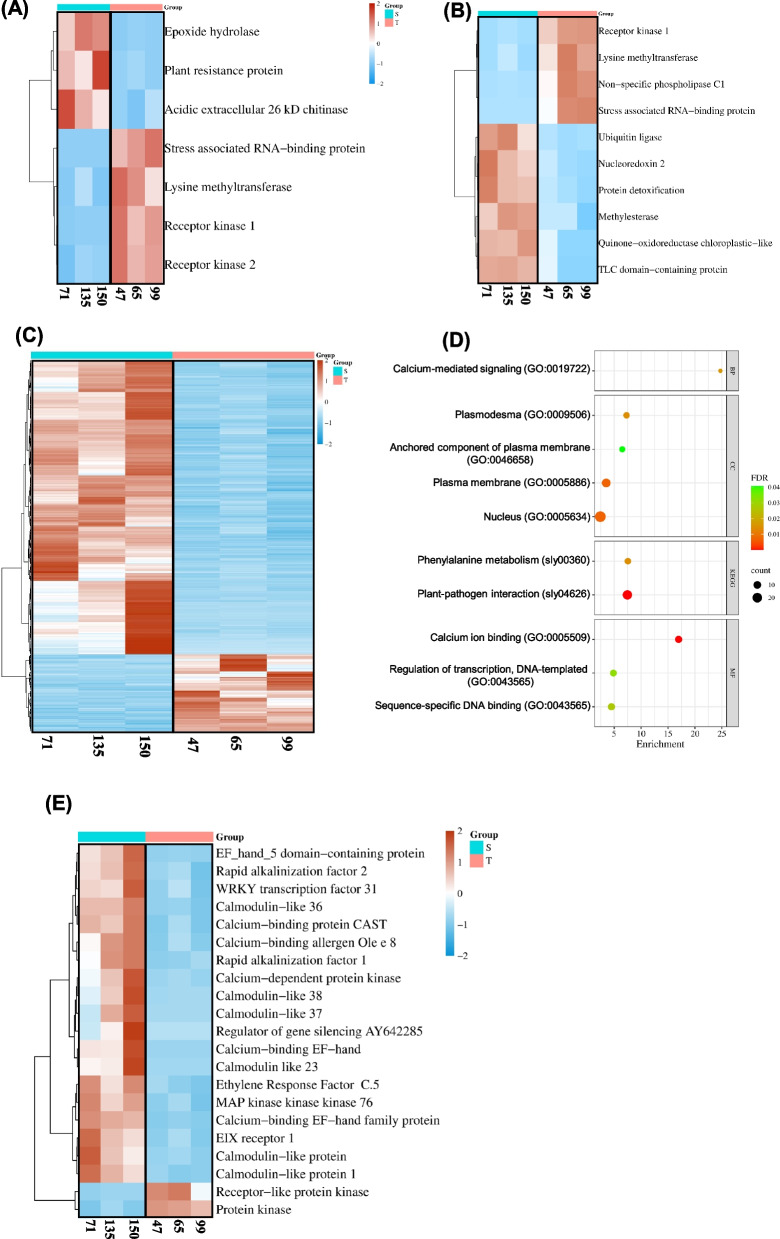
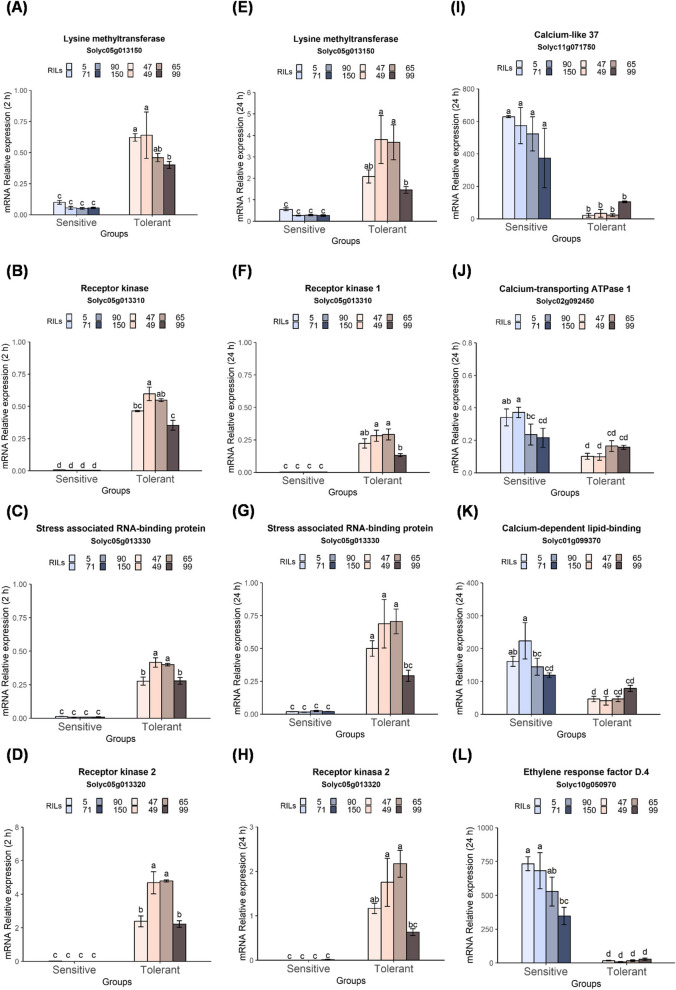
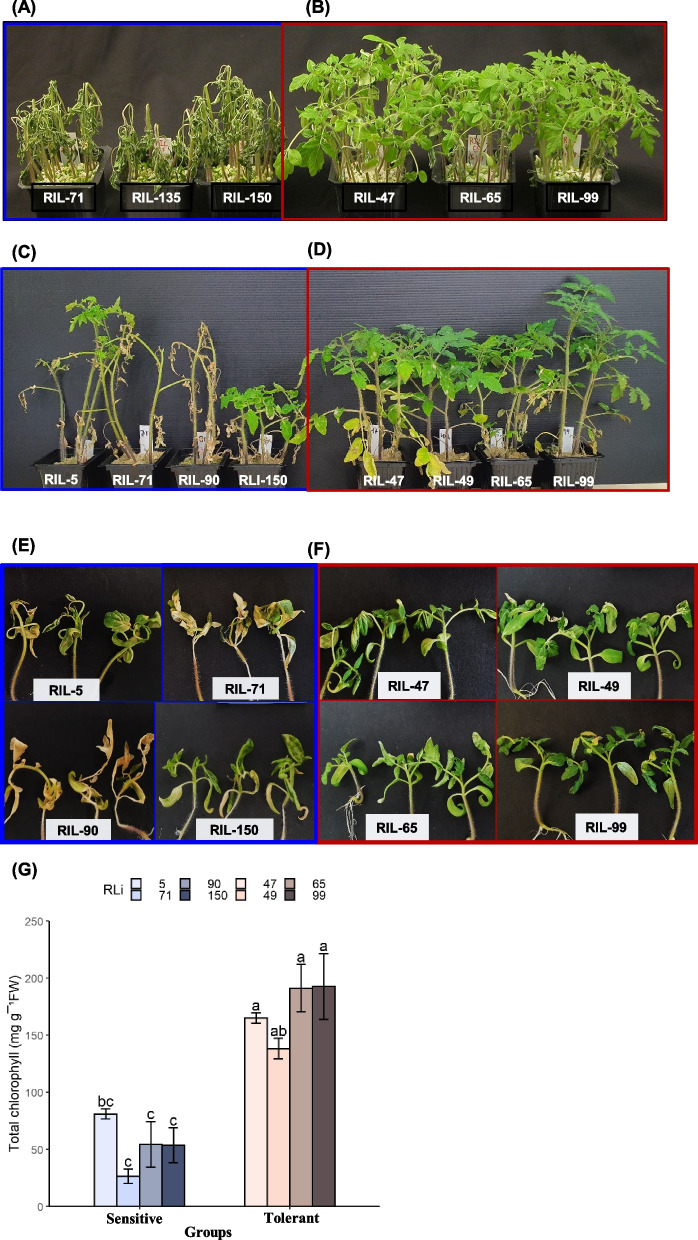
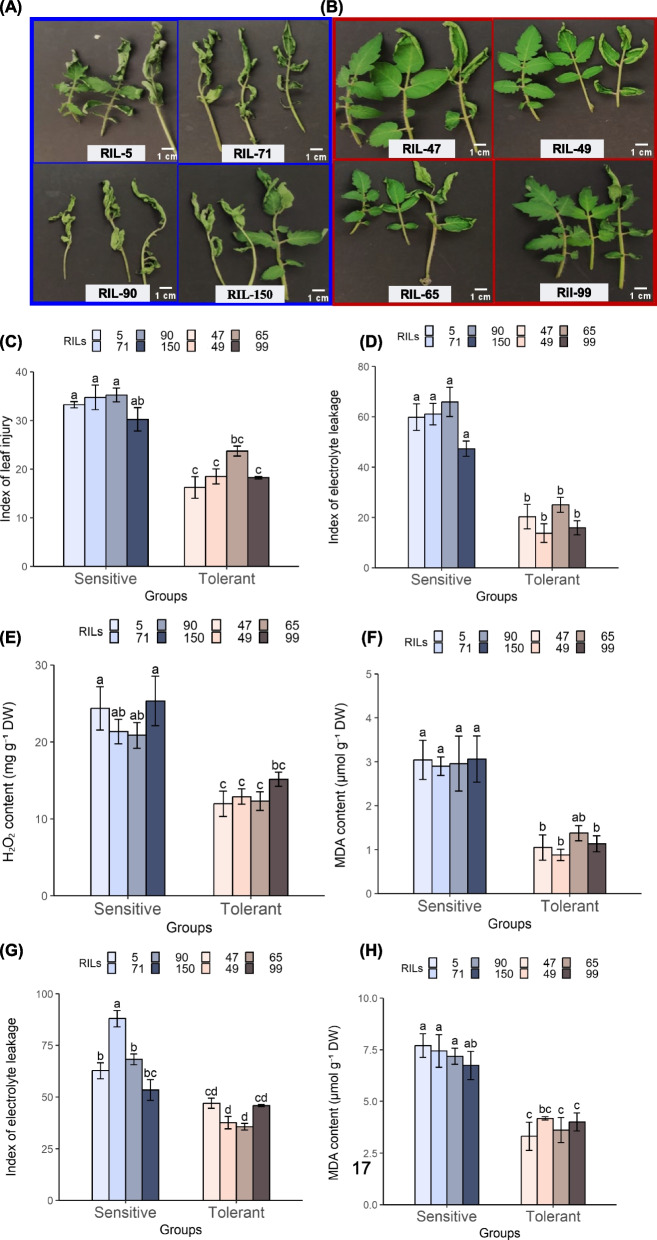
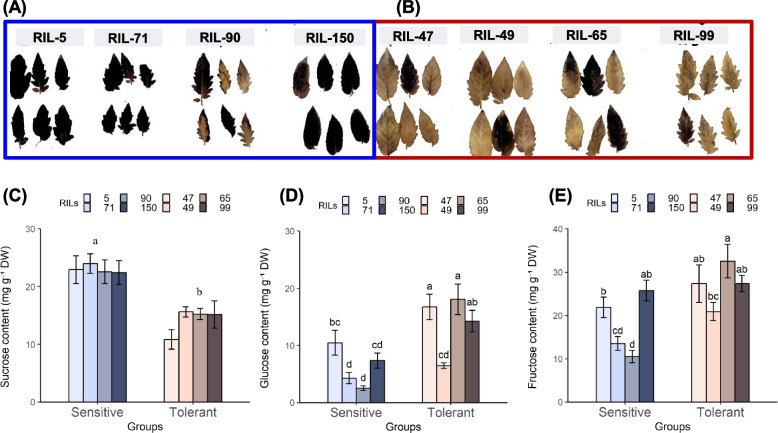
The cultivated tomato, Solanum lycopersicum, is highly sensitive to cold stress (CS), resulting in significant losses during cultivation and postharvest fruit storage. Previously, we demonstrated the presence of substantial genetic variation in fruit chilling tolerance in a tomato recombinant inbred line (RIL) population derived from a cross between a chilling-sensitive tomato line and a chilling-tolerant accession of the wild species S. pimpinellifolium. Here, we investigated molecular and biochemical components associated with chilling tolerance in fruit and leaves, using contrasting groups of "chilling tolerant" and "chilling sensitive" RI lines. Transcriptomic analyses were conducted on fruit exposed to CS, and gene expressions and biochemical components were measured in fruit and leaves. The analyses revealed core responding genes specific to either the cold-tolerant or cold-sensitive RI lines, which were differentially regulated in similar fashion in both leaves and fruit within each group. These genes may be used as markers to determine tomato germplasm cold tolerance or sensitivity. This study demonstrated that tomato response to CS in different developmental stages, including seedling and postharvest fruit, might be mediated by common biological/genetic factors. Therefore, genetic selection for cold tolerance during early stages of plant development may lead to lines with greater postharvest fruit chilling tolerance.
栽培番茄(Solanum lycopersicum)对冷胁迫高度敏感,在栽培及采后果实储存期间会造成重大损失。此前,我们在一个番茄重组自交系(RIL)群体中证明了果实耐冷性存在显著的遗传变异,该群体源自一个冷敏感番茄品系与野生种醋栗番茄(S. pimpinellifolium)的一个耐冷材料的杂交。在此,我们使用“耐冷”和“冷敏感”RIL系的对比组,研究了果实和叶片中与耐冷性相关的分子和生化成分。对遭受冷胁迫的果实进行了转录组分析,并测定了果实和叶片中的基因表达及生化成分。分析揭示了耐冷或冷敏感RIL系特有的核心响应基因,这些基因在每组的叶片和果实中均以相似的方式受到差异调控。这些基因可用作确定番茄种质耐冷性或敏感性的标记。本研究表明,番茄在包括幼苗期和采后果实在内的不同发育阶段对冷胁迫的响应可能由共同的生物学/遗传因素介导。因此,在植物发育早期进行耐冷性的遗传选择可能会培育出采后果实耐冷性更强的品系。